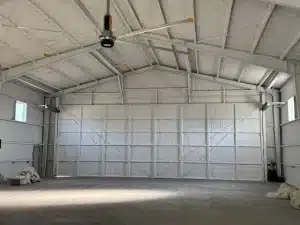
What Areas of a Home Benefit Most From Spray Foam Insulation in Myrtle Grove, FL?
Spray foam insulation delivers the greatest return when applied to areas where air leakage, moisture intrusion, and heat transfer are most severe. For homeowners in


Spray foam insulation delivers the greatest return when applied to areas where air leakage, moisture intrusion, and heat transfer are most severe. For homeowners in
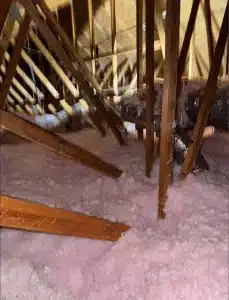
Blown-in insulation stands out as one of the most practical options for homeowners in Allentown, FL, particularly when upgrading existing homes where walls and attics
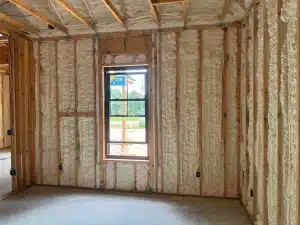
Proper insulation matters in Pensacola because the Gulf Coast’s hot, humid climate forces air conditioning systems to work harder than in almost any other region
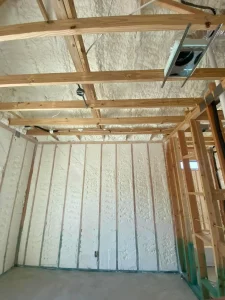
If your home in Myrtle Grove, FL has uneven temperatures between rooms, rising energy bills, visible damage in your attic, or persistent moisture problems, these
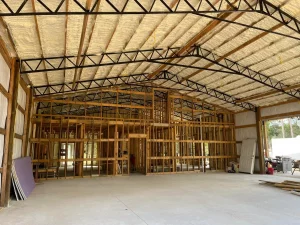
Business owners in Allentown, FL who operate in older commercial buildings or facilities with aging insulation are likely leaving money on the table every month
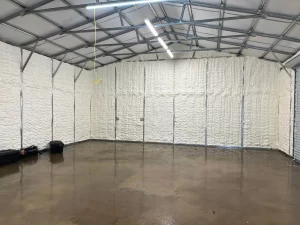
The right insulation for a commercial building in Pensacola depends on building type, construction method, and how you plan to use the space. Pensacola sits
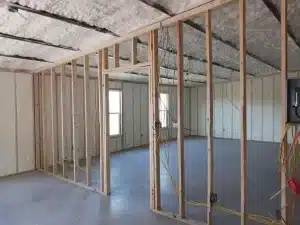
Structural spray foam insulation delivers measurable improvements in energy efficiency, indoor comfort, and building durability for Crestview, FL properties, but the real return depends on
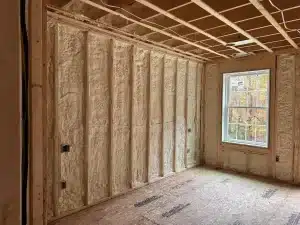
Spray foam insulation stands apart from every other insulation option because it simultaneously seals air leaks, resists moisture, and delivers high thermal resistance in a
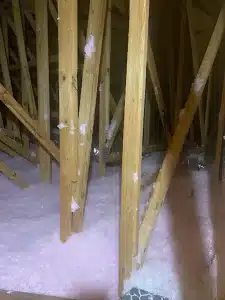
Blown-in insulation can be an excellent choice for many Crestview, FL homeowners, but whether it is the right fit depends on your home’s age, where
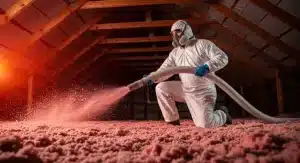
Blown-in insulation is a loose-fill material, typically made from cellulose, fiberglass, or mineral wool, that gets pneumatically installed into attics, wall cavities, and hard-to-reach spaces