Blown-in insulation stands out as one of the most practical options for homeowners in Allentown, FL, particularly when upgrading existing homes where walls and attics are already enclosed. Unlike batts and rolls that require exposed framing, blown-in materials like cellulose and fiberglass are pneumatically installed into enclosed cavities and hard-to-reach spaces, making them ideal for retrofits. The right choice between blown-in, batt and roll, spray foam, and rigid board depends on the area being insulated, the existing construction, accessibility, moisture concerns, and whether you are building new or improving an older home. According to ENERGY STAR, sealing air leaks and adding insulation together can deliver up to 10% savings on annual energy bills. In Allentown’s hot and humid Climate Zone 2, where the Florida Building Code requires a minimum of R-38 attic insulation, every insulation decision carries measurable consequences for comfort and energy costs. Choosing the right blown-in insulation solutions can help homeowners improve energy efficiency and achieve consistent indoor comfort.
TL;DR
- Blown-in insulation (cellulose or fiberglass) is the most practical choice for retrofitting enclosed wall cavities and unfinished attic floors in existing Allentown homes
- Climate Zone 2, which covers Bay County and Allentown, requires a minimum R-38 ceiling insulation and R-13 cavity wall insulation per Florida Building Code standards
- Blown-in cellulose delivers an R-value of 3.0 to 3.7 per inch, while blown-in fiberglass ranges from 2.2 to 4.0 per inch, according to My Florida Home Energy
- Spray foam offers superior air sealing and higher per-inch R-values but requires certified installers and costs more upfront
- Batts and rolls work well for accessible, open framing in new construction but often leave gaps that reduce effective R-value in real-world conditions
- Installation quality matters as much as material choice: an improperly installed thermal envelope can lose 30% or more of its rated performance
- Proper air sealing should always accompany insulation work to prevent hidden moisture and air leakage that undermine insulation value
Understanding Blown-In Insulation
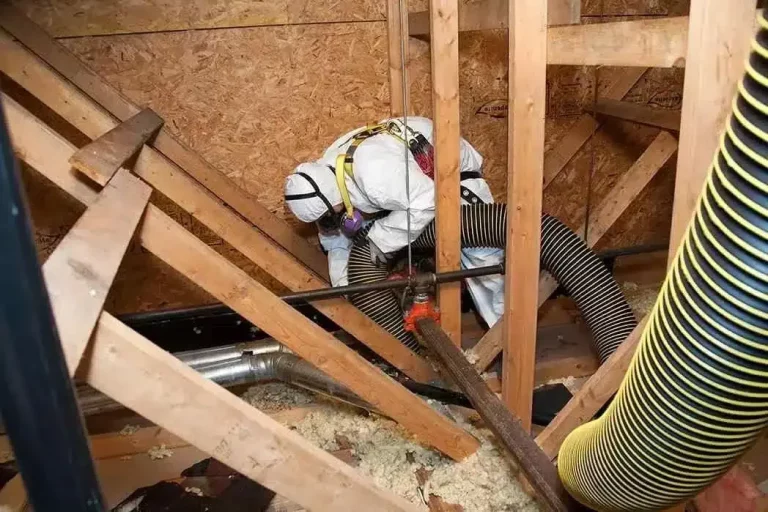
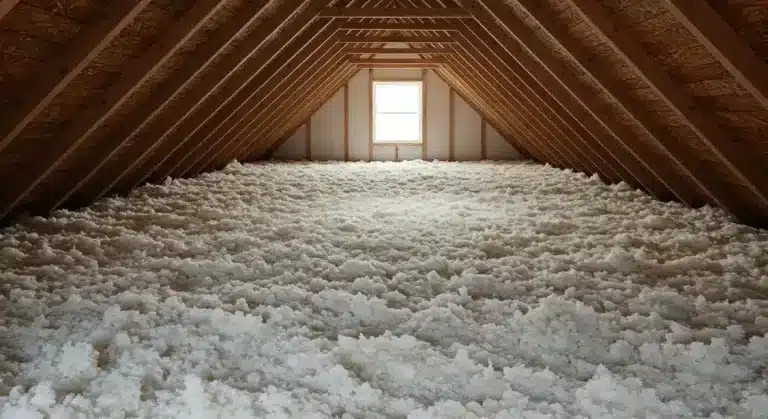
Blown-in insulation, also called loose-fill, is installed using pneumatic equipment that blows fibers or fiber pellets into wall cavities, attic floors, and irregularly shaped areas. The two primary materials used are cellulose, made from recycled newsprint treated with fire retardants, and fiberglass, composed of thin glass and plastic fibers. According to the Oak Ridge National Laboratory Insulation Fact Sheet, blown-in insulation is the most economical way to fill closed cavities in finished walls, and it provides excellent coverage around obstructions like wiring, plumbing, and electrical boxes where batts tend to leave gaps.
ENERGY STAR’s insulation type guide classifies blown-in insulation under the “loose-fill and blown-in” category and recommends it for enclosed existing wall cavities, open new wall cavities, unfinished attic floors, and other hard-to-reach places. The skill level required is intermediate, meaning professional installation is strongly recommended for consistent results. Homeowners should also understand blown-in insulation problems before choosing this option for their property.
Cellulose vs. Fiberglass Blown-In
Both materials serve the same purpose but differ in several practical ways:
| Feature | Blown-In Cellulose | Blown-In Fiberglass |
|---|---|---|
| R-value per inch | 3.0 – 3.7 | 2.2 – 4.0 |
| Material | Recycled newsprint, fire-retardant treated | Glass and plastic fibers |
| Weight | Heavier (check ceiling load capacity) | Lighter |
| Moisture resistance | Absorbs moisture more readily | More moisture resistant |
| Settling | Can settle over time, may need top-up | Minimal settling |
| Sound dampening | Better sound absorption | Good sound absorption |
| Eco-friendliness | Very high recycled content | Moderate recycled content |
| Best application | Enclosed walls, attic floors | Attic floors, open cavities |
How Blown-In Compares to Batt and Roll Insulation
Batt and roll insulation, typically made of fiberglass or mineral wool, is the most common type found in residential construction. It comes in pre-cut widths designed to fit between standard wall studs and floor joists, making it straightforward for new construction where framing is exposed. Homeowners looking for improved insulation performance can explore spray foam services in Allentown, FL as an alternative solution for creating a more efficient building envelope.
The advantage of batts is simplicity and lower skill requirements for installation. The disadvantage is that real-world performance often falls short of rated R-values. ORNL research cited in the Insulation Fact Sheet shows that commonly installed fiberglass batts can lose a significant portion of their labeled R-value due to gaps, compressions, and voids around obstructions. Batts must be carefully hand-cut and trimmed around pipes, wires, electrical boxes, and any non-standard framing, and even then, narrow cavities and odd-shaped spaces often go uninsulated.
Blown-in insulation eliminates most of these gaps by conforming to the shape of the cavity. For existing homes in Allentown where drywall is already in place, blown-in is the only practical option for adding insulation inside exterior walls without tearing down wall surfaces.
When batts make sense: New construction projects, open attics with standard joist spacing, and crawlspaces where the insulation can be friction-fit or supported by wire holders.
When blown-in wins: Retrofitting existing homes, irregular or obstructed attic spaces, enclosed wall cavities, and any situation where complete cavity coverage is difficult to achieve with pre-cut batts.
How Blown-In Compares to Spray Foam Insulation
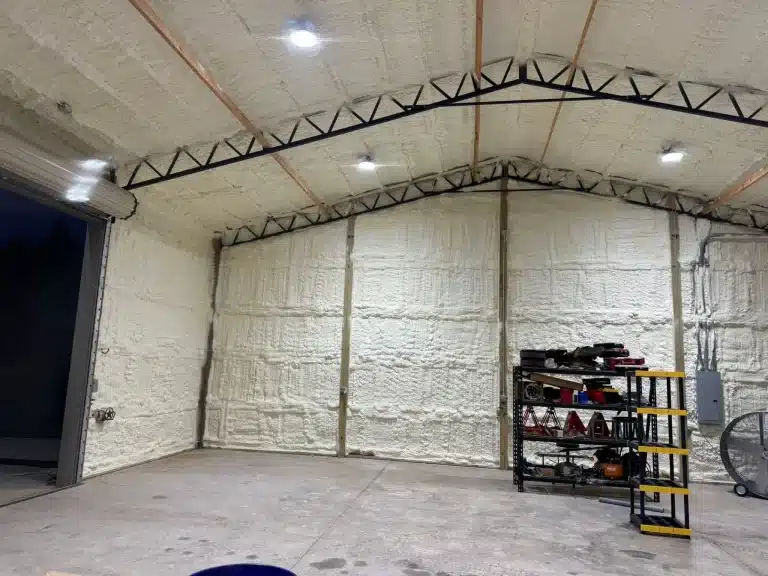
Spray foam insulation, including open-cell and closed-cell varieties, is applied as a liquid that expands and cures in place. It provides both insulation and air sealing in a single step, which is a significant advantage over blown-in and batt types that only resist conductive heat flow.
According to My Florida Home Energy, closed-cell spray polyurethane delivers an R-value of 5.8 to 6.8 per inch, substantially higher than blown-in cellulose or fiberglass. Open-cell spray foam ranges from 3.6 to 3.8 per inch. This means spray foam achieves higher thermal resistance in less space, which matters in cathedral ceilings and other locations where cavity depth is limited.
However, ENERGY STAR rates spray foam at an “advanced” skill level and notes that a certified installer is required. The equipment, materials, and certification requirements make spray foam a more specialized and involved process. In Florida’s humid climate, spray foam’s moisture resistance and air-sealing properties are valuable, but the higher per-square-foot cost means many homeowners opt for blown-in insulation in large areas like attics and use spray foam selectively for air sealing and hard-to-insulate spots.
How Blown-In Compares to Rigid Foam Board
Rigid foam board insulation, including EPS, XPS, and polyisocyanurate, comes in panel form and is used primarily for continuous exterior insulation on walls, basement walls, and under slabs. The R-values per inch range from 3.6 for EPS up to 6.5 for polyisocyanurate.
Rigid board is not a direct substitute for blown-in insulation in attic floors or enclosed wall cavities. Instead, it serves a complementary role. When used as continuous exterior sheathing, rigid foam reduces thermal bridging through wood or metal studs, which is a heat loss path that cavity insulation alone cannot address. In new construction in Allentown, combining rigid foam board on the exterior with blown-in cellulose or fiberglass in the wall cavities creates a more effective total wall assembly than either material alone.
Florida Climate Zone Considerations for Allentown
Allentown sits within IECC Climate Zone 2A, characterized by hot and humid conditions. The 2023 Florida Building Code assigns all Florida counties outside the southernmost seven to Climate Zone 2, requiring a minimum ceiling insulation level of R-38. In practical terms, this means blown-in cellulose at roughly 10 to 12 inches of depth or blown-in fiberglass at 10 to 17 inches, depending on the specific product density.
In this climate, the primary insulation challenge is keeping heat out during long cooling seasons. The attic is the single most important area to insulate because more heat per square foot travels through the ceiling than any other building surface, as noted by the University of Florida’s Program for Resource Efficient Communities. Blown-in insulation on the attic floor remains the most straightforward and cost-effective method for reaching the required R-38 level in existing homes.
Moisture control is equally important in Allentown’s humid environment. Cellulose blown-in insulation can absorb moisture if exposed to humidity or leaks, which may promote mold growth. Proper air sealing before adding insulation, adequate attic ventilation, and addressing any roof leaks before installation are all necessary steps regardless of which insulation type you choose.
Which Insulation Type Works Best for Different Scenarios
| Scenario | Recommended Insulation Type | Reasoning |
|---|---|---|
| Existing attic, low existing insulation | Blown-in cellulose or fiberglass | Fast to install, fills all gaps, reaches R-38 efficiently |
| Existing exterior walls, no insulation | Blown-in cellulose (drill and fill) | Only option without removing drywall; cellulose fills voids well |
| New construction, open framing | Batts or blown-in in cavities + rigid board exterior | Best combination for total wall performance and code compliance |
| Cathedral or vaulted ceilings | Spray foam or rigid board | Limited cavity depth requires high R-value per inch |
| Crawlspace or basement walls | Rigid foam board or spray foam | Moisture resistance and durability needed below grade |
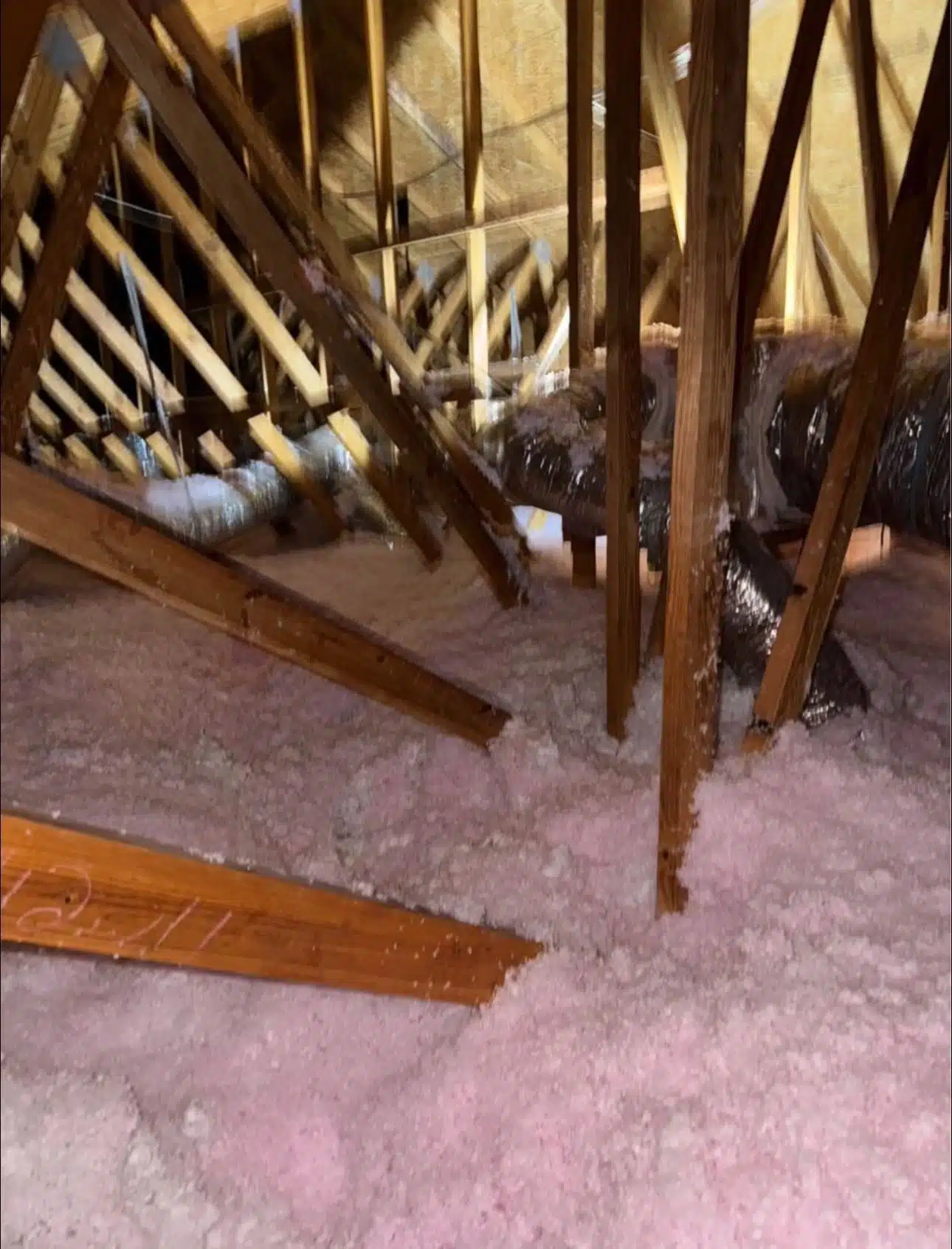
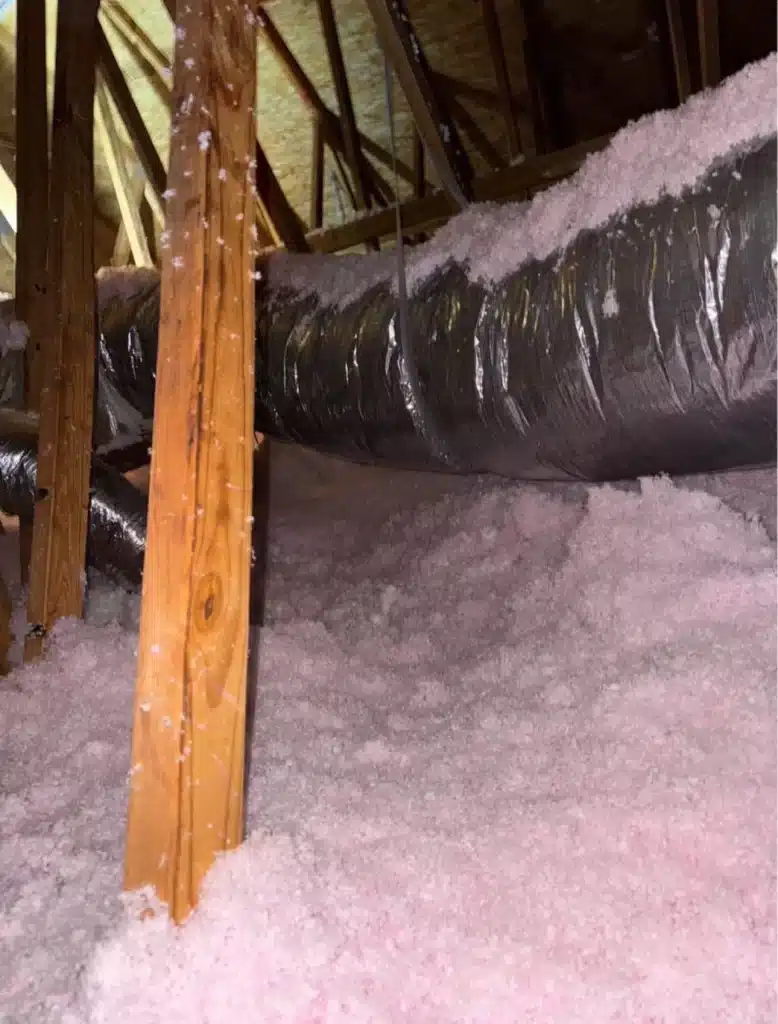
| Hard-to-reach attic areas with obstructions | Blown-in loose-fill | Conforms to irregular shapes around ductwork and framing |
Signs You Have Found the Right Insulation Contractor
Choosing the right installation partner matters as much as selecting the material. Research from the Oak Ridge National Laboratory confirms that improper installation is one of the leading causes of reduced insulation performance in American homes. Here is what to look for:
- Detailed assessment before quoting: A thorough contractor will inspect your attic, walls, and existing insulation levels before recommending a specific type or depth rather than offering a one-size-fits-all solution
- Air sealing discussion upfront: The right contractor will explain that insulation alone is not enough and will include air sealing as part of the scope, especially around recessed lights, plumbing penetrations, and attic hatches
- Clear explanation of R-value targets: Your contractor should reference the R-38 minimum for Allentown’s climate zone and explain how many inches of the chosen material are needed to reach that target
- Moisture awareness: In a humid Florida climate, proper ventilation, baffles at soffit vents, and vapor barrier placement should all be part of the conversation
- Transparent communication: Straightforward timelines, clear scope of work, and honest answers about material limitations show a contractor who prioritizes long-term results over quick jobs
Get a Professional Insulation Assessment for Your Allentown Home
Prestige Insulation Solutions LLC helps homeowners across Allentown, FL make informed decisions about blown-in insulation and other insulation types based on the specific needs of each home. Our team evaluates your existing insulation, identifies air sealing opportunities, and recommends the right material and depth for Climate Zone 2 compliance and maximum comfort. Whether you need attic insulation topped up to R-38, wall cavity insulation added through drill-and-fill methods, or a full home energy assessment, we provide honest recommendations and professional installation.
Request a Quote | Schedule an Insulation Assessment
Reach out to us at (850) 429-4969 or email [email protected] to get started. We are here to help you stay comfortable and save on energy costs year-round.
FAQs
Is blown-in insulation a good choice for Allentown’s hot and humid climate?
Yes, blown-in insulation is well suited for Allentown’s Climate Zone 2 conditions, particularly in attics where it can reach the code-required R-38 level. Cellulose and fiberglass both perform effectively, though cellulose benefits from added attention to moisture control in humid environments.
Can blown-in insulation be installed in existing walls without removing drywall?
Yes, our team uses a drill-and-fill method where small holes are made through the exterior or interior wall surface, insulation is blown into the cavity, and the holes are then plugged and finished. This makes blown-in the only practical option for adding insulation to finished walls.
How does blown-in insulation handle moisture and humidity?
Blown-in fiberglass is naturally more moisture resistant than cellulose. Cellulose is treated with fire retardants but can absorb moisture if exposed to water infiltration or excessive humidity, so proper air sealing and ventilation must accompany installation.
Does blown-in insulation settle over time and lose effectiveness?
Cellulose can settle slightly over the years, which may reduce its effective R-value. Fiberglass settles much less. Both materials can be topped up if needed, and proper installation density helps minimize settling from the start.
What R-value do I need for my attic in Allentown, FL?
Allentown is in Climate Zone 2, which requires a minimum of R-38 ceiling insulation according to the Florida Building Code. Most homes benefit from meeting or exceeding this level to maximize energy savings and indoor comfort.
Sources
- ENERGY STAR – Seal and Insulate – U.S. EPA program covering energy savings potential of air sealing and insulation, including up to 10% annual energy bill reductions.
- ENERGY STAR – Choosing the Appropriate Insulation Type – Detailed guide comparing insulation types including loose-fill/blown-in, batts, rigid board, and spray foam with recommended applications and skill levels.
- My Florida Home Energy – Insulation – University of Florida IFAS extension resource covering Florida-specific insulation R-value requirements, climate zones, and per-inch R-values for common insulation materials.
- Oak Ridge National Laboratory – Insulation Fact Sheet – Comprehensive DOE/ORNL reference document on insulation types, R-value science, installation methods, and real-world performance factors for residential buildings.
- 2023 Florida Building Code – Energy Conservation Chapter 3 – Official Florida Building Code reference defining climate zone assignments and insulation requirements for residential construction across Florida counties.

- Everything You Need to Know About Professional Insulation Removal - October 7, 2026
- Which Insulation Upgrades Deliver the Best Long-Term Value in Bagdad, FL? - September 14, 2026
- How Does Blown-In Insulation in Gonzalez, FL Fill Gaps Better Than Traditional Materials? - September 14, 2026