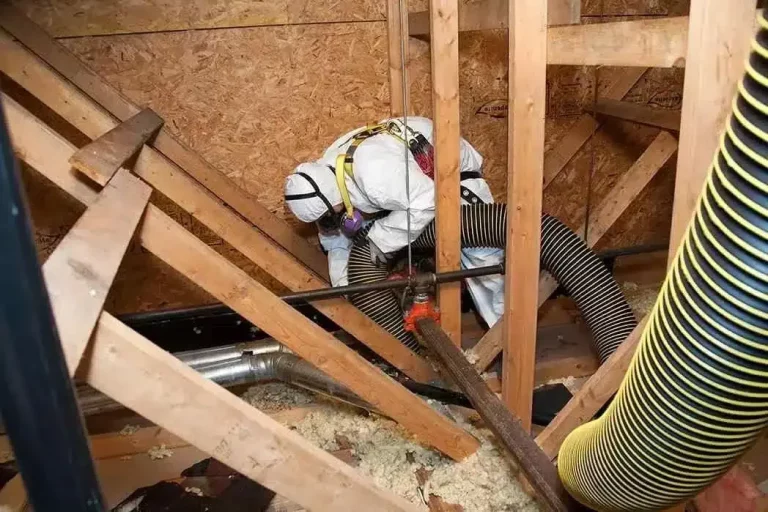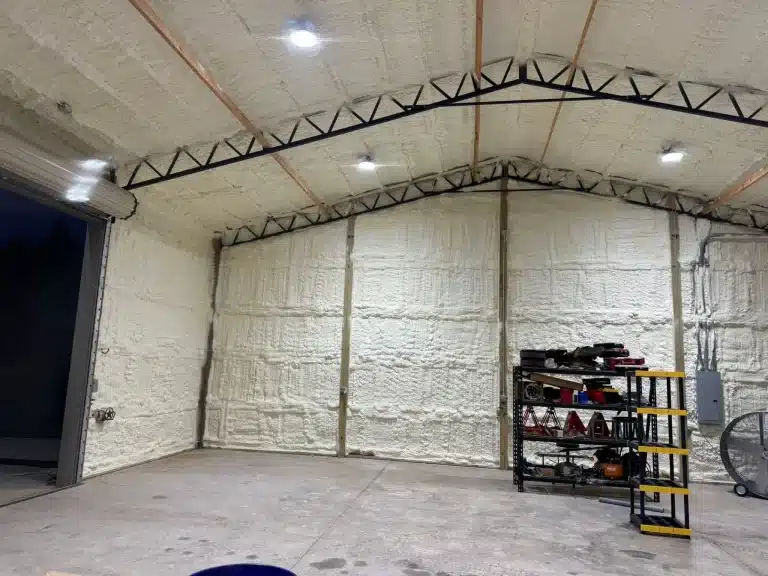
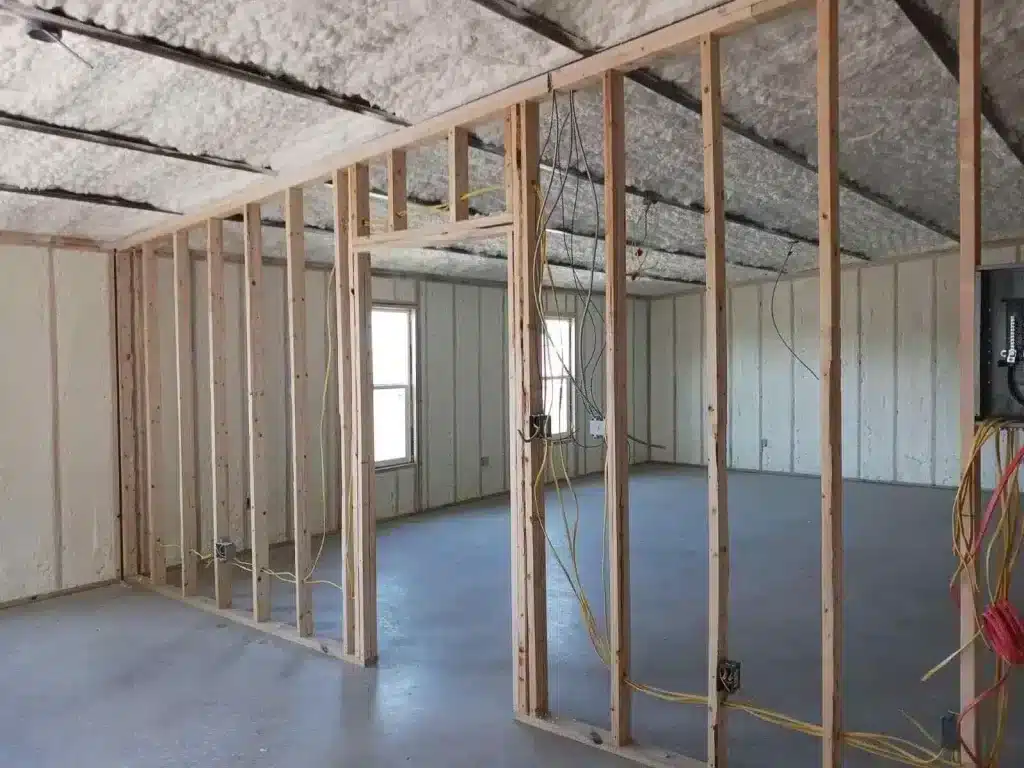
Structural spray foam insulation delivers measurable improvements in energy efficiency, indoor comfort, and building durability for Crestview, FL properties, but the real return depends on your property type, existing insulation condition, and the climate zone you are building in. Crestview sits in Florida Climate Zone 2, where the Florida Building Code requires a minimum R-38 attic insulation and a minimum R-30 in Climate Zone 1 counties. With summer heat indexes regularly pushing past 100 degrees and year-round humidity challenging building envelopes, spray foam offers advantages that traditional insulation materials struggle to match in this region. The decision comes down to understanding which foam type fits your structure, how Crestview’s mixed-humid climate affects performance, and whether your property’s specific needs justify the investment. A detailed spray foam insulation guide can help property owners evaluate the best approach for long-term energy efficiency and moisture control.
TL;DR
Closed-cell spray foam delivers R-5.8 to R-6.8 per inch, while open-cell foam provides R-3.6 to R-3.8 per inch, making foam one of the highest-performing insulation materials available by thickness
- Spray foam simultaneously seals air leaks and insulates, reducing air changes per hour in retrofitted homes from 10-15 ACH down to as low as 4-5 ACH at 50 Pascals
- Florida Climate Zone 2 (which includes Okaloosa County) requires a minimum R-38 attic insulation, and spray foam on the roof deck creates an unvented conditioned attic that keeps ductwork within the thermal envelope
- Spray foam applied to the underside of roof decking has been shown to lower sealed attic temperatures to below 83 degrees Fahrenheit in summer, compared to 133 degrees in a conventional vented attic
- Closed-cell foam acts as a vapor retarder and moisture barrier, while open-cell foam allows moisture diffusion, making material selection important in humid climates
- Hybrid applications like “flash-and-batt” combine a thin layer of closed-cell foam for air sealing with fiberglass or open-cell foam for cost-effective R-value depth
- Proper installation by trained professionals is non-negotiable, as improperly applied foam can lose significant thermal performance and fail to seal air leaks effectively
How Spray Foam Actually Performs in Florida’s Mixed-Humid Climate
Crestview falls within the mixed-humid climate zone, meaning properties face hot, humid summers and milder but still moist winters. This combination creates a constant vapor drive pressure that pushes moisture through walls and ceilings. Unlike fiberglass batts or blown cellulose, which can settle, compress, and leave gaps that allow convective air movement, spray polyurethane foam expands into every cavity, crack, and penetration to form a continuous thermal and air barrier. These performance benefits are why many homeowners choose spray foam insulation for homes near Pensacola, FL, to improve comfort and energy efficiency.
According to the U.S. Department of Energy, spray foam insulation can yield higher R-values than traditional batt insulation at the same thickness and fills even the smallest cavities, creating an effective air barrier. This dual function of insulating and air sealing is what sets spray foam apart in Crestview’s climate, where uncontrolled air leakage accounts for 70 to 90 percent of moisture movement through the building envelope, according to Oak Ridge National Laboratory research.
The ORNL study, which examined deep retrofit spray foam applications in mixed-humid climates, found that sealing and insulating the attic with spray foam reduced whole-house air infiltration by approximately 40 percent and lowered space heating and cooling energy use by 17 percent. These findings are directly applicable to Crestview properties, where many homes have HVAC ductwork running through unconditioned vented attics.
Closed-Cell vs. Open-Cell: Which Foam Fits Your Crestview Property
Choosing the right spray foam formulation is one of the most important decisions you will make. The two options serve different purposes, and applying the wrong one in the wrong location can lead to moisture problems or wasted money.
| Feature | Closed-Cell Foam | Open-Cell Foam |
|---|---|---|
| R-value per inch | 5.8 to 6.8 | 3.6 to 3.8 |
| Density | Medium (1.75-2.25 lb/ft3) | Low (0.4-1.2 lb/ft3) |
| Moisture permeability | Low acts as a vapor retarder | Higher allows moisture diffusion |
| Air barrier | Yes | Yes, if sufficiently thick |
| Water resistance | Resists water absorption | Should not contact water |
| Sound absorption | Good | Very good |
| Best applications | Exterior walls, crawlspaces, rim joists, and roof decking | Interior walls, attic fills, sound control |
Closed-cell foam is the stronger choice for exterior-facing surfaces, crawlspaces, and anywhere moisture control matters. In Crestview’s humid environment, the vapor-retarder properties of closed-cell foam help prevent warm, moist air from condensing inside wall cavities and roof assemblies. The Building Science Corporation confirms that high-density spray foam walls achieve approximately R-20 whole-wall performance when accounting for thermal bridging through framing, with both air leakage and vapor diffusion durability significantly improved over standard construction.
Open-cell foam has its place as well. It is lighter, more affordable, and provides better sound absorption, making it a solid choice for interior partition walls and attic floor applications where a continuous air seal is the primary goal. Homeowners often work with trusted spray foam insulation professionals to determine whether open-cell or closed-cell foam is the better fit for their project.
The Florida Building Code Requirements You Need to Know
The University of Florida’s My Florida Home Energy program outlines specific insulation requirements that apply to Crestview properties. Florida is divided into two climate zones under the building code. Climate Zone 1 covers South Florida counties and requires a minimum R-30 attic insulation. All other counties, including Okaloosa County, where Crestview is located, fall into Climate Zone 2 and require a minimum R-38 attic insulation.
Spray foam makes it practical to achieve these R-values in challenging spaces. Cathedral ceilings, vaulted ceilings, and low-slope roof assemblies that would be difficult or impossible to insulate adequately with fiberglass become straightforward projects with spray foam. The Florida Building Code also permits unvented attics when specific conditions are met, including proper insulation, air-permeability, and an air barrier at the roof deck, conditions that spray foam directly satisfies.
Attic insulation delivers the best return on investment among all locations in a Florida home because more heat per square foot travels through the ceiling than any other building surface. A spray foam application on the underside of the roof decking that creates an unvented, conditioned attic also moves ductwork inside the thermal envelope, eliminating the substantial energy losses that occur when HVAC systems operate in 130-plus-degree vented attic spaces.
What the Research Shows: Real Performance Data from Mixed-Humid Climates
The ORNL deep retrofit study provides some of the most relevant data for Crestview homeowners. In the Campbell Creek test house (CC2), researchers applied 2 inches of closed-cell foam and 6 to 8 inches of open-cell foam to the underside of the roof deck, converting the vented attic into a conditioned space. The results were striking:
- Sealed attic summer temperatures remained below 83 degrees, versus 133 degrees in the conventional vented control house
- Average monthly sealed attic temperatures tracked closely with the conditioned living space, not the outdoor air
- Whole-house air tightness improved by 40 percent
- Space heating and cooling energy use dropped by 17 percent
Another retrofit case in the study, the Country House, showed a 41 percent reduction in total electricity usage in a swing month (March) after comprehensive insulation and air-sealing upgrades that included closed-cell foam in walls and cathedral ceilings.
These performance gains are not theoretical. They represent measured data from real homes in a mixed-humid climate zone nearly identical to Crestview’s conditions.
Where Spray Foam Makes the Most Impact on Your Property
Not every area of your home benefits equally from spray foam. Targeting the right locations maximizes your return and ensures your investment goes where it matters most.
Attic roof decking (unvented attic conversion): For most Crestview homes, this is the single highest-impact application. Sealing and insulating the roof deck brings ductwork and HVAC equipment inside the conditioned envelope, dramatically reducing cooling loads during long Florida summers.
Rim joists and sill plates: These areas at the top of foundation walls are notorious for air leakage and are difficult to insulate with rigid materials. Closed-cell spray foam seals and insulates in a single step.
Crawlspace walls: In homes with vented crawlspaces, encapsulating the space with closed-cell foam on the walls and a vapor barrier on the floor prevents moisture intrusion and keeps floors above comfortable.
Exterior wall cavities: During new construction or major renovations, closed-cell spray foam in wall cavities provides both structural rigidity and high R-value in a thin profile. For existing homes with drywall already in place, drill-and-fill retrofits using lower-density foam can still deliver meaningful improvements.
Cantilevered floors and bay windows: These framed projections are essentially uninsulated holes in the thermal envelope. Spray foam seals the rim joist transitions and fills the floor cavities where other insulation cannot reach.
Common Mistakes That Reduce Spray Foam Performance
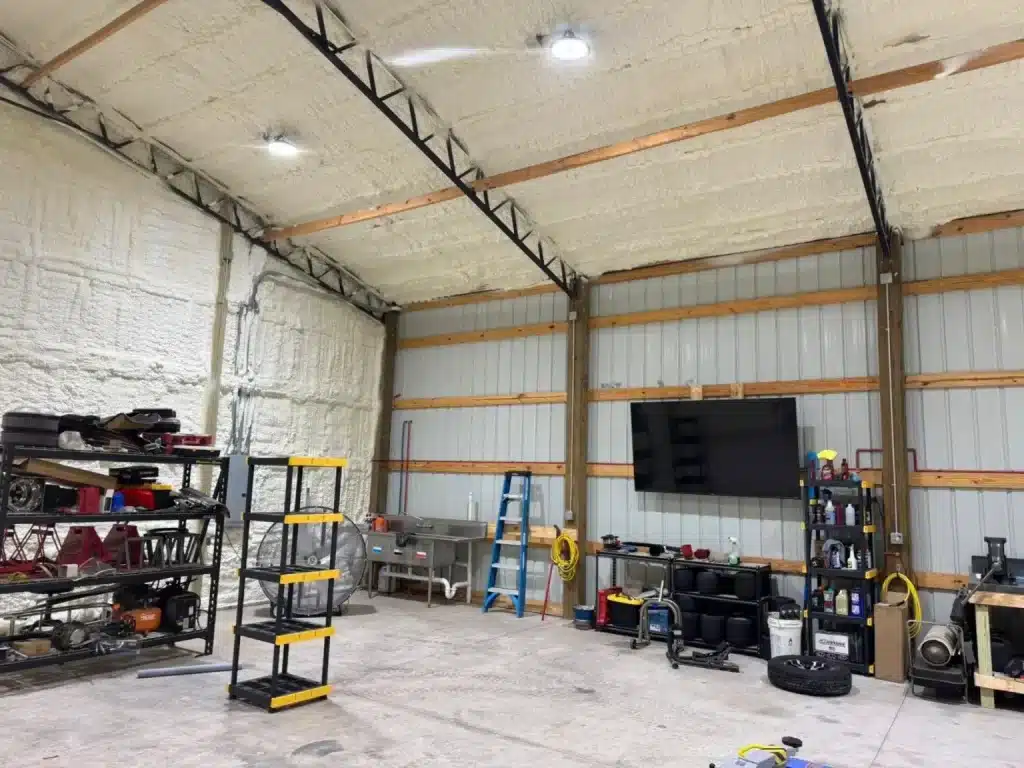
Even the best insulation material underperforms when installed incorrectly. Here are the pitfalls we see most often in Florida properties:
- Applying foam to damp surfaces: Foam must be applied to clean, dry, paintable surfaces. Spraying over moisture traps it inside the wall assembly, leading to rot and mold
- Ignoring required thickness: Closed-cell foam must be applied in lifts no thicker than 1.5 inches, with 10 to 15 minutes between passes, to prevent cracking from exothermic heat
- Skipping the ignition barrier: Most building codes require an intumescent paint or thermal barrier over exposed spray foam in attics and crawlspaces
- Not resolving existing moisture problems first: ORNL researchers emphasize that existing moisture issues must be resolved before covering them with foam, not after
- No blower door verification: Without a post-installation blower door test and infrared scan, there is no way to confirm that the foam sealed all gaps and reached the specified depths
Signs You Have Found the Right Insulation Contractor
Choosing the right installer matters as much as choosing the right foam. Look for these indicators:
- The contractor recommends a blower door test before and after installation to verify air-sealing improvement
- They explain the difference between closed-cell and open-cell foam and recommend specific formulations for each area of your home rather than proposing a one-size-fits-all approach
- They discuss moisture control, vapor barriers, and ventilation requirements specific to Florida Climate Zone 2
- They provide a written scope of work specifying foam type, target thickness, and a depth-verification method for every third cavity
- They carry appropriate safety certifications and follow OSHA guidelines for isocyanate exposure protection
Request Your Spray Foam Assessment for Your Crestview Property
Prestige Insulation Solutions LLC has the experience and local knowledge to help you determine whether structural spray foam insulation is the right choice for your Crestview, FL property. Our team evaluates your building envelope, identifies the highest-impact areas for air sealing and insulation, and recommends the foam formulations that match your property’s specific needs and the demands of Florida’s Climate Zone 2 requirements.
Call us at (850) 429-4969, email us at [email protected], or reach out today to get started with a professional assessment.
Frequently Asked Questions
Does spray foam insulation hold up in Crestview’s high humidity and summer heat?
Yes, when properly installed. Closed-cell foam acts as a vapor retarder and resists moisture absorption, making it well-suited for Crestview’s mixed-humid climate. Open-cell foam can also perform well, but should not be used in direct contact with water or below grade.
How does spray foam compare to fiberglass batts for Florida homes?
Spray foam provides a higher R-value per inch and simultaneously seals air leaks that fiberglass cannot. Fiberglass ranges from R-2.2 to R-4.0 per inch, while closed-cell foam delivers R-5.8 to R-6.8 per inch and fills cavities without gaps.
Can spray foam be installed in my existing home without removing drywall?
For attics and crawlspaces, yes. For wall cavities in finished homes, drill-and-fill techniques can inject foam through small holes in the exterior or interior. Open or accessible framing from renovations or gut-rehab projects allows full-spray applications.
Does spray foam require special fire protection in attics and crawlspaces?
Most building codes require an approved thermal barrier, such as half-inch gypsum board or intumescent paint, to cover exposed spray foam in occupied or storage areas. Requirements vary by jurisdiction and application.
Will spray foam reduce my cooling bills enough to justify the investment?
Research from Oak Ridge National Laboratory shows that spray foam retrofits in mixed-humid climates reduced space cooling energy use by 17 percent in a controlled study. Actual savings depend on your home’s current insulation, air leakage rate, HVAC system, and usage patterns.
Sources
- U.S. Department of Energy – Types of Insulation – Comprehensive guide to insulation types, installation methods, and performance characteristics from the federal energy agency, including spray foam R-value data and fire safety requirements.
- Oak Ridge National Laboratory – Spray Foam in Accessible Spaces: Best Practices and Case Studies for Retrofit in Mixed-Humid Climates – Detailed ORNL research report documenting deep retrofit spray foam applications in mixed-humid climates with blower door measurements, energy performance data, and case studies from ten homes.
- University of Florida / My Florida Home Energy – Insulation – Florida Cooperative Extension resource covering Florida Building Code insulation requirements by climate zone, R-value recommendations, and insulation material comparison tables specific to Florida properties.
- Building Science Corporation – High R-Value Spray Foam Wall Construction – Technical analysis of spray foam wall assemblies, including thermal performance, vapor control, moisture durability, and air leakage control based on hygrothermal modeling and field testing.
- U.S. Department of Energy – Adding Insulation to an Existing Home – DOE guidance on evaluating existing insulation, determining recommended R-values, and selecting insulation types for retrofit projects in residential buildings.

- What Should You Know Before Hiring Professional Insulation Removal Services in Pensacola, FL? - October 13, 2026
- Everything You Need to Know About Professional Insulation Removal - October 7, 2026
- Which Insulation Upgrades Deliver the Best Long-Term Value in Bagdad, FL? - September 14, 2026