If your home in Myrtle Grove, FL has uneven temperatures between rooms, rising energy bills, visible damage in your attic, or persistent moisture problems, these are clear indicators that your insulation may need replacement or upgrading. Myrtle Grove sits in a humid subtropical climate where summer heat and high humidity put constant stress on a home’s thermal envelope. Escambia County falls within IECC Climate Zone 2, which requires a minimum of R-38 for attic insulation. When insulation degrades, settles, or gets damaged by moisture, it can no longer meet that standard, and your home starts showing unmistakable warning signs across comfort, energy use, and even air quality.
TL;DR
- Myrtle Grove (Escambia County) is classified under Climate Zone 2, which requires a minimum R-38 attic insulation per Florida Building Code
- Florida ranks as the most humid state in the U.S., with summer dew points consistently in the high 60s to low 70s, putting enormous pressure on insulation and air barriers
- Rising utility bills, uneven room temperatures, and drafty areas are among the earliest performance indicators of failing insulation
- Moisture damage, mold growth, and compressed or missing insulation in the attic are visual red flags that insulation has been compromised
- Poor insulation allows outdoor humidity and pollutants to enter, which can worsen indoor air quality and aggravate respiratory issues
- The EPA estimates that proper sealing and insulating can reduce heating and cooling costs by up to 20%
- An improperly installed thermal envelope can reduce overall insulation performance by 30% or more, even if the correct R-value material was used
- Professional assessment is the most reliable way to confirm whether your insulation needs replacement or supplementation
Why Myrtle Grove’s Climate Makes Insulation a Priority
Myrtle Grove experiences a humid subtropical climate with summers that regularly push temperatures into the 90s, accompanied by dew points in the high 60s to low 70s. According to the Florida Climate Center at Florida State University, Florida is the most humid state in the nation, surrounded by warm Gulf waters that feed moisture into the atmosphere year-round. During the summer months, that humidity is relatively consistent regardless of whether you are in the Panhandle or South Florida.
This matters for insulation because humidity is not just a comfort issue. Moisture infiltration is one of the fastest ways insulation loses effectiveness. When insulation absorbs moisture, its R-value drops, it can harbor mold, and it may begin to compress or deteriorate. In a climate like Myrtle Grove’s, the combination of heat pressing against your attic roof and humidity working through any gap in your building envelope means insulation is under constant assault from both temperature differentials and moisture. Understanding residential insulation best practices can help homeowners protect their property from these year-round conditions.
Visible Signs of Failing Insulation
Attic Inspection Red Flags
The attic is the first place to look, and for good reason. According to My Florida Home Energy, more heat per square foot travels through your ceiling than any other structure in a house, making attic insulation the most critical location in your home. When inspecting your attic, watch for these problems:
- Flattened or compressed insulation: Insulation that has been compressed to 85% or less of its rated thickness loses significant thermal resistance. If you can see the ceiling joists clearly above the insulation, it has settled too much and needs attention.
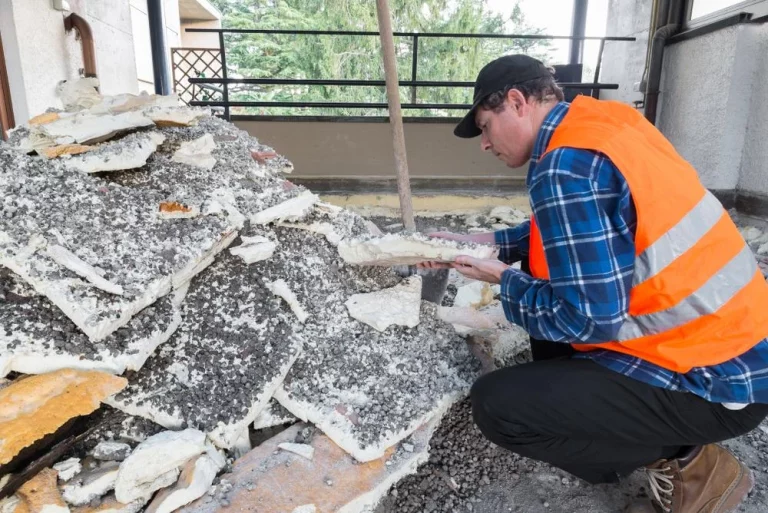
- Water stains or discoloration: Brown spots on insulation or surrounding wood indicate a roof or plumbing leak. Moisture-laden insulation cannot perform properly and creates conditions for mold growth.
- Visible mold or mildew: Any mold on insulation means moisture has been present long enough to support biological growth. At that point, the insulation should be replaced, not simply covered over.
- Gaps or missing sections: If insulation has shifted, been disturbed by pests, or was never installed in certain areas, those gaps create direct pathways for heat transfer.
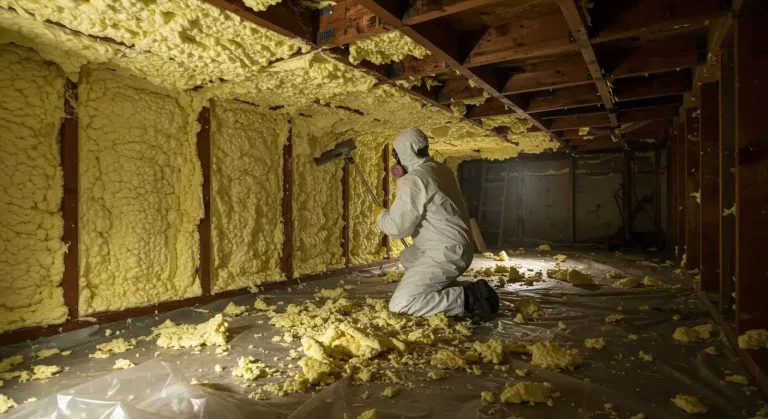
- Pest damage or nesting: Rodents and insects often nest in insulation, tearing it apart and contaminating it with droppings. Damaged insulation should be removed and replaced.
Wall and Floor Indicators
While wall insulation is harder to assess, there are still visible signals. Discolored patches on ceilings or exterior walls can indicate condensation forming where insulation is absent or inadequate. If you notice paint peeling or bubbling on exterior-facing walls, moisture is likely trapped behind the surface, often due to insufficient insulation combined with poor air sealing. Upgrading your home’s wall insulation system can improve indoor comfort and protect the building envelope.
Performance and Comfort Indicators
Temperature Inconsistencies
One of the most common complaints homeowners report is inconsistent temperatures from room to room. If your living room stays comfortable but bedrooms feel stifling, or if certain floors of your home are always warmer or cooler than others, your insulation may be uneven or degraded in specific areas. This happens when insulation settles in some zones while remaining adequate in others, creating an inconsistent thermal envelope.
Drafts and Cold Spots
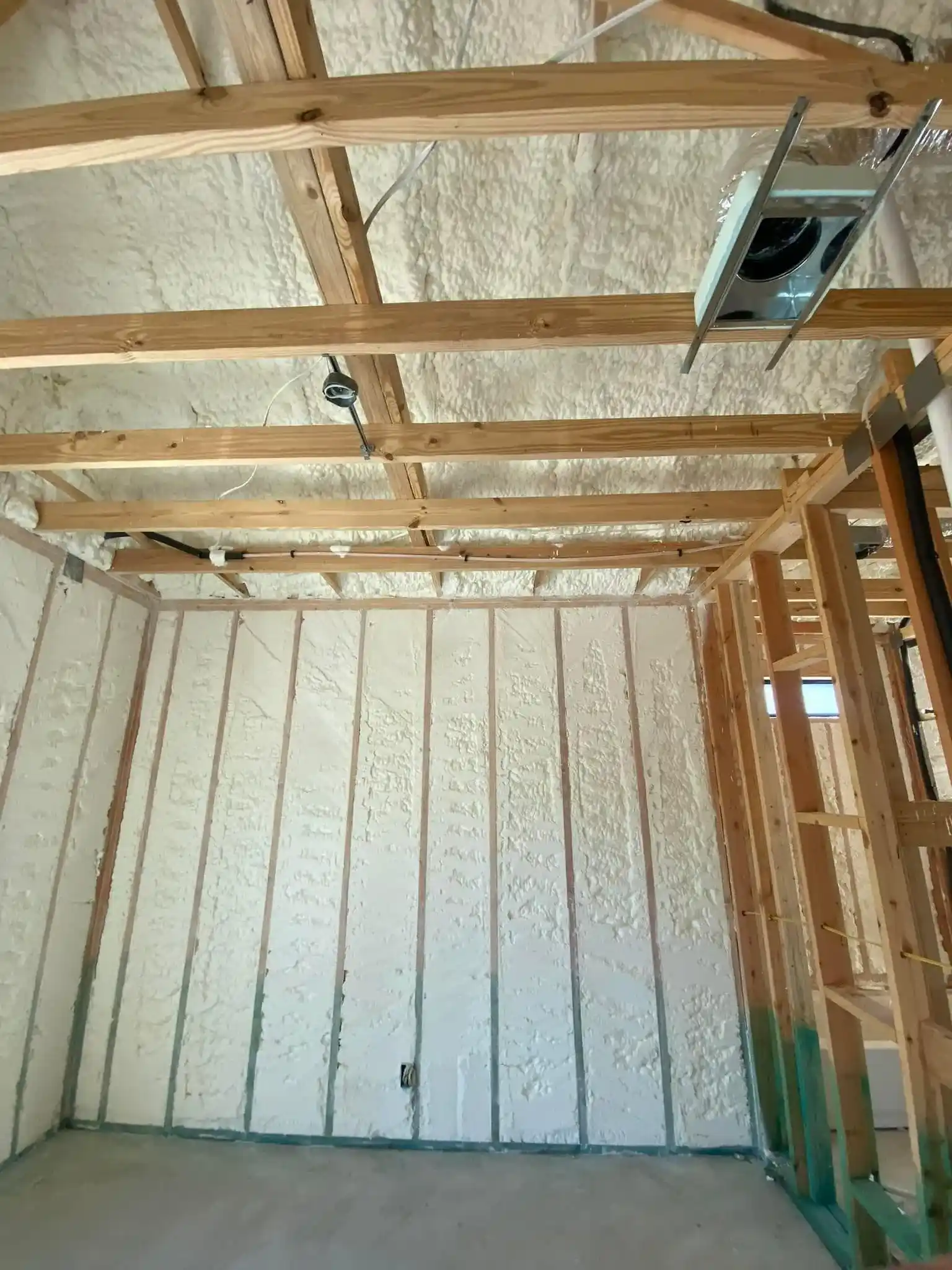
Drafts near windows, electrical outlets on exterior walls, or along baseboards suggest air is bypassing your insulation through gaps in the building envelope. As My Florida Home Energy points out, the effectiveness of insulated walls and ceilings depends heavily on whether the insulation has a continuous air barrier alongside it. Without proper air sealing, warm air from outside can flow around insulation through convection, rendering even high R-value material ineffective. A professional spray foam insulation contractor in Myrtle Grove, FL can identify and seal these hidden air leaks.
Rising Energy Bills
If your energy bills have been climbing steadily even though your HVAC usage habits have not changed, insulation degradation is a likely contributor. The EPA’s Seal and Insulate program notes that proper sealing and insulating can reduce heating and cooling costs by up to 20%. The reverse is also true: as insulation fails, your HVAC system works harder and longer to compensate, driving up consumption.
HVAC System Running Constantly
When insulation can no longer hold conditioned air inside, your heating and cooling system runs longer cycles to maintain the thermostat setting. If you notice your system never seems to shut off during peak summer heat, the problem may not be the equipment itself but rather the home’s inability to retain the conditioned air it produces.
Health and Indoor Air Quality Warning Signs
The connection between insulation and indoor air quality is often overlooked. According to the U.S. Environmental Protection Agency, if insulation and air sealing upgrades do not properly address moisture control, significant moisture problems can occur, including mold growth that directly affects respiratory health. When insulation fails in Myrtle Grove’s humid climate, the consequences go beyond discomfort:
- Persistent musty odors: This often indicates mold growth within wall cavities or attic insulation where moisture has accumulated.
- Increased allergy or asthma symptoms: Compromised insulation allows more outdoor humidity and allergens to infiltrate living spaces, while mold from damp insulation releases spores into the air.
- Condensation on windows and surfaces: When warm, humid indoor air meets cooler surfaces, condensation forms. Excess condensation is a sign that your home’s thermal and moisture barriers are not performing adequately.
| Warning Sign | Area to Inspect | Likely Cause | Priority Level |
|---|---|---|---|
| Flattened attic insulation | Attic floor | Settlement over time | Medium |
| Visible ceiling joists in attic | Attic | Insulation depth below R-38 | High |
| Water stains on insulation or wood | Attic, ceilings | Roof or plumbing leak | High |
| Mold growth on insulation | Attic, walls, crawl space | Moisture infiltration | High |
| Uneven temperatures room to room | Whole home | Inconsistent or missing insulation | Medium |
| Rising energy bills with same usage | Whole home | Degraded thermal envelope | Medium |
| HVAC system running constantly | Whole home | Heat gain exceeding system capacity | High |
| Musty odors or allergy symptoms | Indoor air quality | Mold from moisture-damaged insulation | High |
| Drafts near outlets and baseboards | Exterior walls, floors | Gaps in air barrier | Medium |
| Ice dams are not applicable | Not applicable in Zone 2 | Warm climate concern instead | N/A |
Florida Insulation Standards: How Your Home Should Measure Up
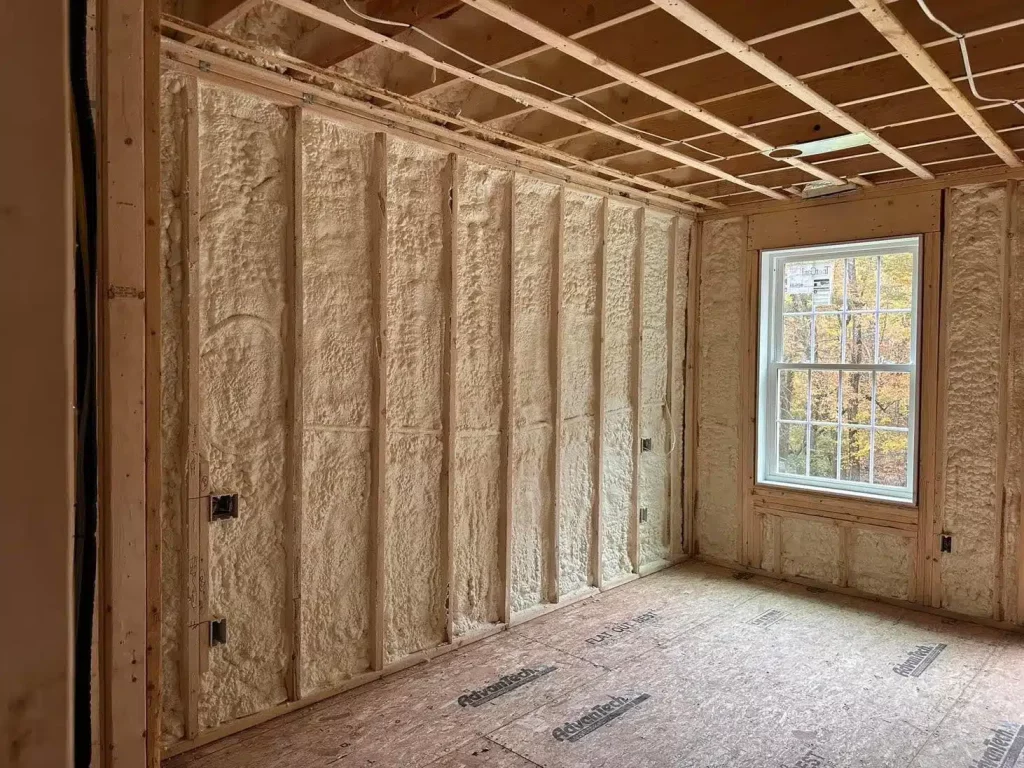
Florida’s building code divides the state into two climate zones. Zone 1 covers the southernmost counties and requires minimum R-30 attic insulation. Zone 2, which includes all other counties such as Escambia County where Myrtle Grove is located, requires a minimum of R-38 for attics with standard construction. For wood frame walls, the code requires R-13, and for floors over unconditioned spaces, R-13 as well.
These are minimums, not ideal targets. Many energy efficiency experts recommend exceeding code minimums, particularly in the attic where adding insulation delivers the best return on investment. The difference between the minimum code requirement and an upgraded insulation level can mean noticeably better comfort and lower energy consumption over the life of your home.
What to Do If You Notice These Signs
If one or more of these warning signs apply to your home, the most effective next step is to schedule a professional insulation assessment. A thorough inspection will check insulation depth and condition across the attic, walls, and crawl spaces, identify areas where air sealing is inadequate, and pinpoint moisture issues that may be contributing to insulation failure.
If your home was built before current code standards took effect, there is a strong chance the existing insulation falls well below today’s R-38 attic requirement. Even newer homes can have insulation problems if the original installation was rushed, compressed, or left gaps that compromise the thermal envelope.
Signs You Have Found the Right Insulation Contractor
When evaluating insulation professionals for your Myrtle Grove home, look for these qualitative indicators:
- Thorough inspection process: A trustworthy contractor will take the time to assess the entire building envelope, not just glance at the attic. They should check for moisture damage, air sealing gaps, and existing insulation condition before recommending any work.
- Clear, specific recommendations: Rather than a one-size-fits-all approach, a strong contractor will explain exactly which areas of your home need attention, what materials they recommend, and why those materials suit your home’s specific construction and climate conditions.
- Transparent communication: You should receive a clear explanation of the scope of work, the installation method, and what to expect during and after the project. Vague descriptions or pressure to decide immediately are warning signs.
- Attention to air sealing: Since insulation performs best when paired with proper air sealing, a knowledgeable contractor will discuss how they plan to seal gaps, cracks, and penetrations before or during the insulation installation.
- Local climate expertise: A contractor familiar with Myrtle Grove’s specific conditions, including hurricane-season moisture loads and Panhandle humidity patterns, will deliver better results than someone using generic approaches.
Get Your Myrtle Grove Home Assessed by Prestige Insulation Solutions LLC
If you are noticing any of the signs described in this guide, our team at Prestige Insulation Solutions LLC is ready to help. We provide detailed insulation assessments for homeowners throughout the Myrtle Grove area, identifying exactly where your thermal envelope is failing and recommending targeted solutions that match your home’s specific needs and Florida’s Climate Zone 2 requirements. We take the time to evaluate moisture conditions, air sealing gaps, and insulation depth so you get a complete picture before any work begins.
Request a Quote | Schedule Your Insulation Assessment
Reach us at [email protected] or call (850) 429-4969 to get started. Protecting your home’s comfort, efficiency, and air quality begins with the right insulation, and our professionals are here to make sure it is done right the first time.
Frequently Asked Questions
How do I know if my attic insulation is below R-38?
The simplest way is to measure the depth with a ruler in multiple spots. Fiberglass batts deliver roughly R-3 per inch, so you would need about 12 to 13 inches to reach R-38. For blown cellulose, which delivers about R-3.5 per inch, roughly 10 to 11 inches is needed. If you can see ceiling joists protruding above the insulation, it has likely settled below the minimum.
Can moisture-damaged insulation be dried and reused, or does it need full replacement?
In most cases, insulation that has been saturated by a leak should be removed and replaced. Once insulation absorbs significant moisture, its R-value drops and mold can begin growing within it. Simply drying the material does not restore its thermal performance or address contamination.
Will adding more insulation on top of old insulation in my attic fix the problem?
It depends on the condition of the existing insulation. If the older material is dry, intact, and free of mold, adding more on top can work well. However, if the existing insulation is compressed, moisture-damaged, or contaminated, it should be removed before new insulation is installed to prevent trapping problems beneath the new layer.
Does wall insulation need to be replaced as often as attic insulation?
Wall insulation generally degrades more slowly because it is protected from the extreme temperatures and moisture exposure that attic insulation faces. In most Florida homes, wall insulation is not practical or cost-effective to replace in an existing structure unless you are already undertaking a major renovation.
How does Myrtle Grove’s humidity specifically affect insulation performance?
High humidity means moisture is constantly looking for a way into your home. Any gap in your insulation or air barrier allows humid air to penetrate, where it can condense on cooler surfaces and reduce insulation effectiveness. This is why proper air sealing alongside adequate insulation is especially important in humid climates like the Florida Panhandle.
Sources
- My Florida Home Energy – Insulation Guide – Comprehensive University of Florida resource covering Florida insulation R-value requirements by climate zone, heat transfer mechanisms, installation best practices, and common insulation materials.
- IECC Compliance Guide for Homes in Florida – Alliance to Save Energy – Non-profit reference mapping Florida counties to IECC climate zones with prescriptive R-value requirements for ceilings, walls, floors, and ducts.
- Florida Climate Center – Humidity in Florida – Florida State University resource documenting Florida’s status as the most humid state, with data on dew point temperatures and humidity patterns across the Panhandle and peninsula.
- EPA – Energy, Weatherization and Indoor Air Quality – Federal guidance on how insulation and air sealing upgrades affect indoor air quality, including mold risks from improperly managed moisture.
- EPA – Seal and Insulate with ENERGY STAR – Archived EPA publication documenting energy savings potential of up to 20% on heating and cooling costs through proper sealing and insulating practices.

- What Types of Insulation Can Be Professionally Removed From Your Home Safely and Efficiently in Pensacola, FL? - October 16, 2026
- What Should You Know Before Hiring Professional Insulation Removal Services in Pensacola, FL? - October 13, 2026
- Everything You Need to Know About Professional Insulation Removal - October 7, 2026