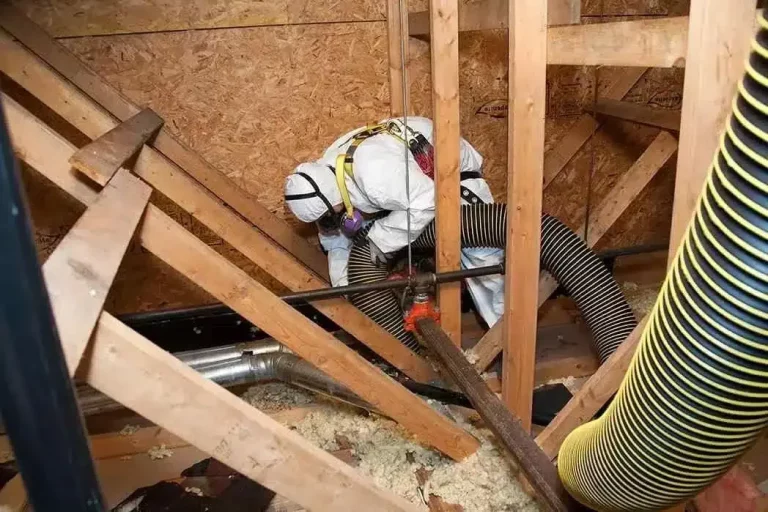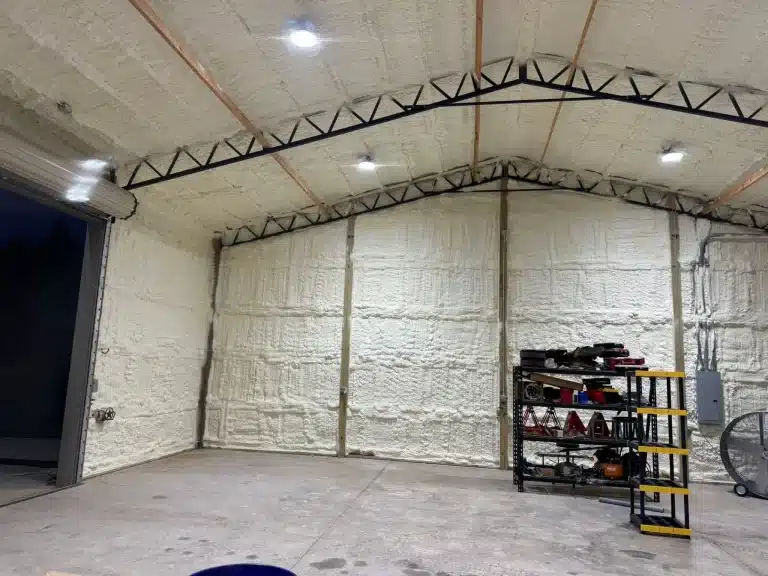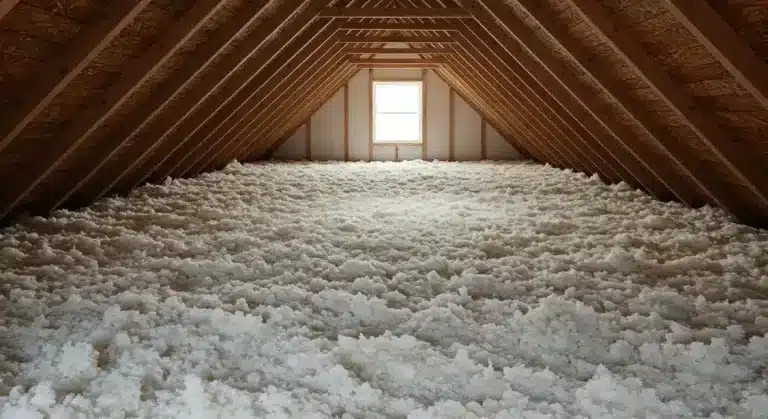
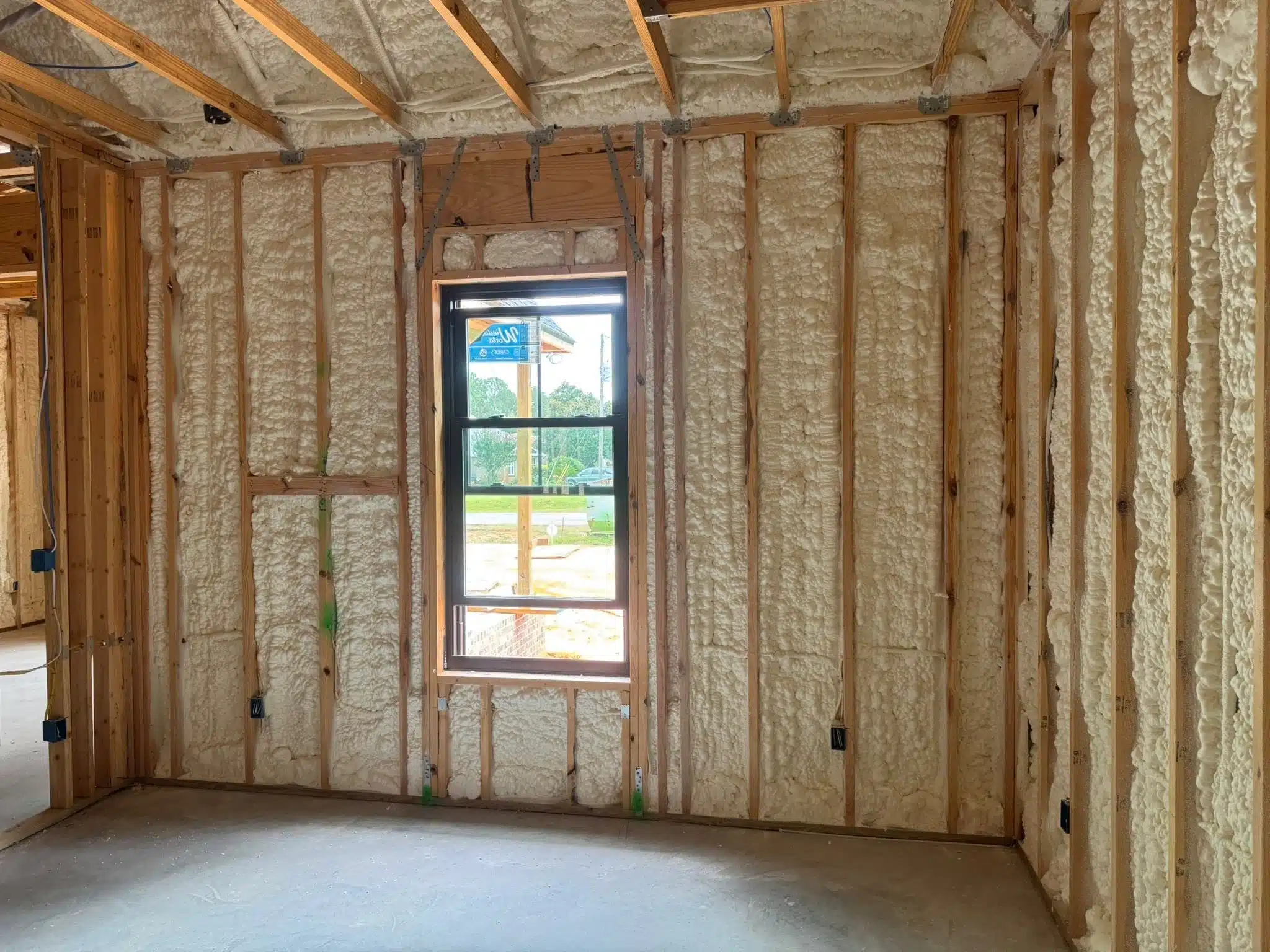
Proper insulation matters in Pensacola because the Gulf Coast’s hot, humid climate forces air conditioning systems to work harder than in almost any other region of the country. Without adequate insulation and air sealing, outdoor heat constantly penetrates the building envelope, driving up energy bills and making it difficult to maintain consistent indoor comfort. Pensacola sits in IECC Climate Zone 2A, classified as hot-humid, where the Florida Building Code requires a minimum R-38 attic insulation for homes in this zone. The right insulation strategy depends on whether you are building new, retrofitting an older home, or targeting specific trouble areas like attics, walls, or crawl spaces. Each approach delivers different outcomes, from reduced cooling costs and better humidity control to improved indoor air quality and storm resilience. A comprehensive residential insulation guide can help you determine which solution best fits your home’s needs.
TL;DR
- Pensacola’s long summers with average highs near 91°F and oppressive humidity make cooling the single largest energy demand in most homes.
- The EPA estimates homeowners save an average of 15% on heating and cooling costs by adding insulation and sealing air leaks in attics, crawl spaces, and basements.
- The Florida Building Code mandates R-38 minimum attic insulation for Pensacola and surrounding counties in Climate Zone 2, while ENERGY STAR recommends upgrading to R-49 for optimal performance.
- 90% of U.S. homes are under-insulated, according to ENERGY STAR, meaning most Pensacola homeowners are likely losing money and comfort every month.
- Heat transfer through conduction, convection, and radiation all play a role in how energy moves through your home, and insulation directly reduces all three.
- Improperly installed insulation can reduce thermal performance by 30% or more, making professional installation as important as the R-value itself.
- Moisture control is a first priority in hot-humid climates, and proper insulation combined with air sealing helps regulate indoor humidity levels between 30% and 50%.
Pensacola’s Climate Demands More Than a Basic Insulation Layer
According to NOAA National Weather Service climate data for Pensacola, summers are long, hot, and oppressive, with average high temperatures reaching 91°F in July and overnight lows staying near 75°F. Annual precipitation averages around 66 inches, and the combination of high heat and persistent humidity creates a climate where air conditioning runs for the majority of the year. In this environment, insulation serves a fundamentally different purpose than in colder regions. While northern homeowners insulate primarily to retain heat, Pensacola homeowners insulate primarily to keep heat out.
Heat moves in three ways through any building envelope. Conduction transfers heat through direct contact with solid materials like drywall and framing. Convection moves heat through air currents, where warm air rises and cool air sinks, creating loops that bypass insulation. Radiation transfers heat across open spaces, which is particularly relevant in an attic where the sun heats the roof surface to extreme temperatures. As the University of Florida’s My Florida Home Energy program explains, insulation slows all three types of heat flow, but its greatest impact is on conduction. A continuous thermal barrier with no gaps or compression is the most effective defense against Pensacola’s relentless summer heat.
Where Insulation Matters Most in a Pensacola Home
Not every part of the house benefits equally from additional insulation. The table below breaks down the key areas by impact level and recommended action.
| Area | Climate Zone 2 Minimum | ENERGY STAR Recommendation | Priority Level | Why It Matters in Pensacola |
|---|---|---|---|---|
| Attic (flat ceiling) | R-38 | R-49 (uninsulated) or R-38 (existing 3-4 inches) | Highest | More heat per square foot travels through ceilings than any other structure in a house |
| Walls (wood frame) | R-13 | R-5 to R-10 insulative sheathing | Medium | Cost-effective mainly during re-siding; less practical as a retrofit |
| Floors over crawl spaces | R-13 | R-13 | Medium-High | Crawl spaces in humid climates introduce moisture and air leaks |
| Cathedral ceilings | R-38 | R-30 to R-38 (space permitting) | High | Limited cavity depth makes proper installation critical |
The ENERGY STAR recommended insulation R-values map shows that for Climate Zone 2, the recommended attic insulation level for an uninsulated home is R-49, while homes with 3 to 4 inches of existing insulation should add enough to reach R-38. Most Pensacola homes built before the 2000s have far less than that, making attic insulation the single most impactful upgrade for both comfort and energy savings.
Energy Savings, Comfort, and HVAC Performance
The financial impact of proper insulation is measurable. According to ENERGY STAR, the EPA estimates that air sealing and adding insulation in attics, floors over crawl spaces, and basements can save homeowners an average of 15% on heating and cooling costs, or roughly 11% on total household energy costs. In a climate like Pensacola where air conditioning runs nearly year-round, that percentage translates to substantial annual savings.
Beyond the energy bill, proper insulation directly affects how your HVAC system performs. When conditioned air escapes through poorly insulated ceilings and walls, your air conditioner must run longer and work harder to maintain the thermostat setpoint. This added strain shortens equipment lifespan, increases maintenance needs, and leads to uneven temperatures from room to room. A well-insulated home allows the HVAC system to operate in shorter, more efficient cycles, maintaining consistent comfort throughout the house. Understanding the right residential insulation strategies can help homeowners improve energy performance and create a more balanced indoor environment.
Common comfort problems that insulation can address include:
- Hot and cold spots between rooms and floors
- Upper levels feeling significantly warmer than lower levels
- Air conditioning running constantly without reaching the desired temperature
- Drafts near exterior walls, windows, and ceilings
- Excessive condensation on ductwork and interior surfaces
Moisture Control and Indoor Air Quality
Pensacola’s humidity is not just uncomfortable; it is a direct threat to your home’s structural integrity and indoor air quality. The EPA recommends keeping indoor humidity between 30% and 50% to prevent mold growth, dust mite proliferation, and damage to building materials. When outdoor humidity regularly exceeds 80% during summer months, moisture finds its way into the home through gaps, cracks, and poorly sealed penetrations in the building envelope.
Insulation works alongside air sealing to form a continuous thermal and moisture barrier. Without this barrier, humid outdoor air enters wall cavities, attic spaces, and crawl spaces, where condensation forms on cooler surfaces. Over time, this moisture leads to mold growth, wood rot, and degraded insulation performance. Proper insulation installation, combined with adequate ventilation and vapor barrier strategies appropriate for hot-humid climates, helps keep moisture where it belongs, outside the conditioned living space.
Common Mistakes Homeowners Make with Insulation
Even when homeowners recognize the need for insulation, several common errors can undermine the entire investment:
- Compressing insulation: Insulation that is compressed to fit into tight spaces loses a significant portion of its rated R-value. The material must maintain its full thickness to perform as designed.
- Leaving gaps and voids: Any gap in the insulation layer, even a small one around a recessed light fixture or plumbing penetration, creates a thermal shortcut that allows heat to bypass the insulation entirely.
- Ignoring air sealing: Adding insulation without first sealing air leaks is like putting on a thick sweater with the zipper open. The leaks allow convective heat flow to continue regardless of how much insulation is installed.
- Covering soffit vents: Blocking attic ventilation with insulation traps heat and moisture in the attic space, which can cause roof decking damage and increase cooling loads.
- Choosing the wrong material for the application: Not all insulation types perform equally in every situation. Matching the material to the space, climate, and construction type matters as much as the R-value.
Studies referenced by the University of Florida’s energy program show that an improperly installed thermal envelope can reduce overall performance by 30% or more. This is why material selection and installation quality matter as much as meeting the minimum code requirements.
Recommendations by Home Type
| Home Type | Insulation Priority | Recommended Approach | Key Considerations |
|---|---|---|---|
| Pre-1980s home | Attic first, then duct sealing | Blown-in attic insulation to R-49, comprehensive air sealing | Likely has minimal insulation, extensive air leaks, and older HVAC systems that benefit from reduced load |
| 1990s-2000s construction | Attic supplement, wall inspection | Add attic insulation to R-38 minimum, evaluate wall cavity levels | May have code-minimum insulation that has settled or was improperly installed |
| New construction | Full envelope approach | R-38 to R-49 attic, R-13 walls, sealed crawl spaces, unvented attic option | Opportunity to design a continuous thermal envelope from the start |
| Home with vaulted ceilings | Roof assembly insulation | Rigid foam or spray foam between rafters to achieve R-38 | Limited cavity space requires higher R-value per inch materials |
Signs You’ve Found the Right Insulation Professional
Choosing the right contractor for an insulation project is not just about the lowest price. Look for these indicators:
- Thorough initial assessment: The contractor should inspect your attic, walls, and crawl spaces before quoting a price, not just provide an estimate over the phone.
- Clear explanation of materials and methods: A strong contractor will explain why they recommend specific insulation types for each area of your home and how those choices align with Pensacola’s climate demands.
- Attention to air sealing: If the proposal only covers adding insulation without mentioning air sealing first, it is an incomplete approach.
- References and documentation: The contractor should provide insulation certification listing type, manufacturer, and installed R-value, as required by the Florida Building Code.
- Warranty and post-installation follow-up: A reputable professional stands behind their work and is willing to return if there are issues with settlement, gaps, or performance.
Get Your Free Insulation Assessment in Pensacola
Proper insulation is one of the most effective investments you can make in your Pensacola home, and our team at Prestige Insulation Solutions LLC has the experience to make sure it is done right. We evaluate your entire building envelope, identify where conditioned air is escaping, and recommend the right materials and methods for your specific home type and budget. Reach out to us at [email protected] or call (850) 429-4969 to get started.
Request a Quote | Schedule an Insulation Assessment
Frequently Asked Questions
What R-value do I need for my attic in Pensacola?
Pensacola is in Florida Climate Zone 2, which requires a minimum of R-38 attic insulation under the Florida Building Code. ENERGY STAR recommends R-49 for existing homes with an uninsulated attic, or adding enough insulation to reach R-38 if you already have 3 to 4 inches in place.
Can adding insulation help with my high summer energy bills?
Yes. The EPA estimates that sealing air leaks and adding insulation can save homeowners an average of 15% on heating and cooling costs. In Pensacola, where air conditioning runs for most of the year, that reduction in cooling load translates directly to lower monthly bills.
Does insulation help with humidity in my Pensacola home?
Insulation combined with proper air sealing helps reduce the amount of warm, humid outdoor air that enters your home through gaps and penetrations. The EPA recommends maintaining indoor humidity between 30% and 50%, and a well-insulated, sealed envelope makes that target easier to achieve.
Is attic insulation more important than wall insulation in Florida?
Yes. The University of Florida’s energy program notes that more heat per square foot travels through your ceiling than any other structure in a house. Attic insulation delivers the best return on investment and should be the priority for most Pensacola homeowners.
How do I know if my home is under-insulated?
ENERGY STAR reports that 9 out of 10 U.S. homes are under-insulated. If your home was built before 2000, has inconsistent temperatures between rooms, or your air conditioning runs constantly without maintaining comfort, a professional insulation assessment can determine whether you need additional insulation.
Sources
- ENERGY STAR – Why Seal and Insulate – EPA data on energy savings from insulation and air sealing, including the 15% heating and cooling cost reduction estimate.
- ENERGY STAR – Recommended Home Insulation R-Values – DOE and IECC-based R-value recommendations by climate zone, including Zone 2 requirements for attics, walls, and floors.
- My Florida Home Energy – Insulation – University of Florida extension resource covering Florida Building Code insulation requirements, heat transfer types, and climate zone specifics for Florida homeowners.
- NOAA National Weather Service – Pensacola Climate Data – Official temperature and precipitation normals for the Pensacola area from the National Weather Service Mobile/Pensacola office.
- EPA – What Are the Main Ways to Control Moisture in Your Home – EPA guidance on indoor humidity management, moisture sources, and climate-specific recommendations for hot-humid regions.

- Everything You Need to Know About Professional Insulation Removal - October 7, 2026
- Which Insulation Upgrades Deliver the Best Long-Term Value in Bagdad, FL? - September 14, 2026
- How Does Blown-In Insulation in Gonzalez, FL Fill Gaps Better Than Traditional Materials? - September 14, 2026