Spray foam insulation delivers the greatest return when applied to areas where air leakage, moisture intrusion, and heat transfer are most severe. For homeowners in Myrtle Grove, FL, that means the attic, crawl space, exterior walls, rim joist, and bonus room floors deserve the most attention. Myrtle Grove sits in IECC Climate Zone 2A, a hot-humid region where cooling loads dominate, and moisture management is a year-round concern. The right application strategy depends on whether your home has a vented attic with HVAC ductwork, an encapsulated crawl space, or open wall cavities from a renovation project—understanding which areas to prioritize and which foam type to use helps you invest where it matters most. A detailed spray foam insulation guide can help homeowners make informed decisions about application methods and insulation performance.
TL;DR
- The attic is the single highest-impact area for spray foam in Myrtle Grove homes, especially where HVAC ducts are located in unconditioned attic space.
- Unvented conditioned attics using spray foam at the roof deck can reduce total energy consumption by roughly 11% compared to standard vented attic assemblies, according to simulation data for hot-humid Florida climates.
- Crawl space encapsulation with spray foam eliminates moisture-driven condensation and protects floor joists, an advantage specifically noted for humid climates where vented crawl spaces draw in warm, wet air.
- Closed-cell spray foam provides air sealing, vapor control, and structural support, while open-cell spray foam offers sound dampening and lower density for interior wall cavities.
- EPA estimates that air sealing combined with proper insulation in attics, crawl space floors, and basements can save homeowners an average of 15% on heating and cooling costs.
- The Florida Building Code requires a minimum of R-30 for vented attics in Climate Zone 2, with spray foam at the roof deck qualifying as an unvented assembly at R-20 or higher.
- Exterior wall studs and rim joist areas benefit significantly from spray foam because traditional insulation leaves gaps around framing, plumbing, and electrical penetrations.
Why Myrtle Grove’s Climate Makes Spray Foam Particularly Effective
Myrtle Grove experiences long, humid summers with frequent rainfall and mild winters. This climate profile means homes face two persistent problems: heat pushing through the roof and envelope during summer, and moisture infiltration year-round. Standard insulation like fiberglass batts or blown cellulose can slow heat transfer but does little to stop air movement or moisture vapor. That matters because a typical home’s combined air leaks amount to leaving a window open year-round, according to ENERGY STAR.
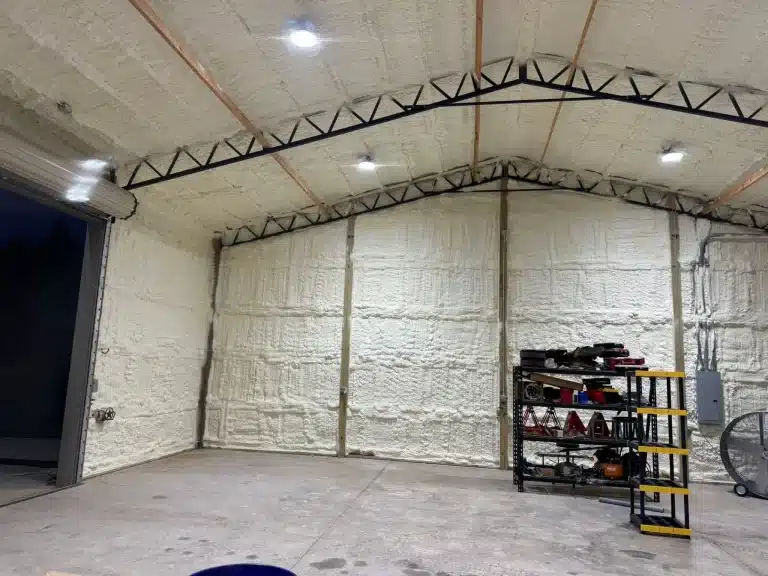
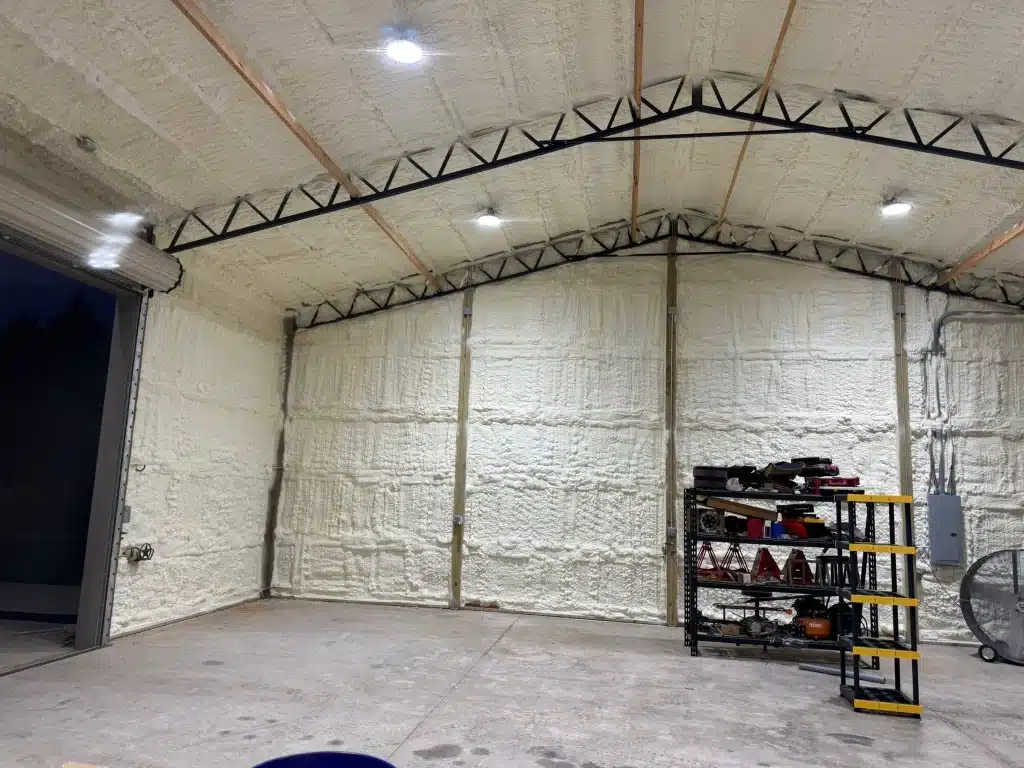
Spray foam insulation expands on application to fill gaps, cracks, and penetrations that other materials cannot reach. It forms an air-impermeable barrier that also resists moisture absorption, which is especially important in a climate where outdoor dew points regularly exceed 70°F from May through October.
How Spray Foam Works in Hot-Humid Climates
The U.S. Department of Energy’s Guide to Home Insulation classifies spray foam as a “sprayed or foamed-in-place” product that fills even the smallest cavities. Two types dominate residential applications:
- Closed-cell spray foam: High density, R-6 to R-6.5 per inch, acts as a vapor retarder and adds structural rigidity. Preferred for crawl spaces, rim joists, and exterior-facing applications.
- Open-cell spray foam: Lower density, R-3.5 to R-3.7 per inch, permeable to moisture vapor but air-impermeable at sufficient thickness. Well suited for interior wall cavities and attic roof decks in warm climates.
The Building Science Corporation’s Residential Spray Foam Guide confirms that both foam types work in warm climates like ours, with specific guidance on where each performs best.
The Five Areas That Benefit Most
1. The Attic
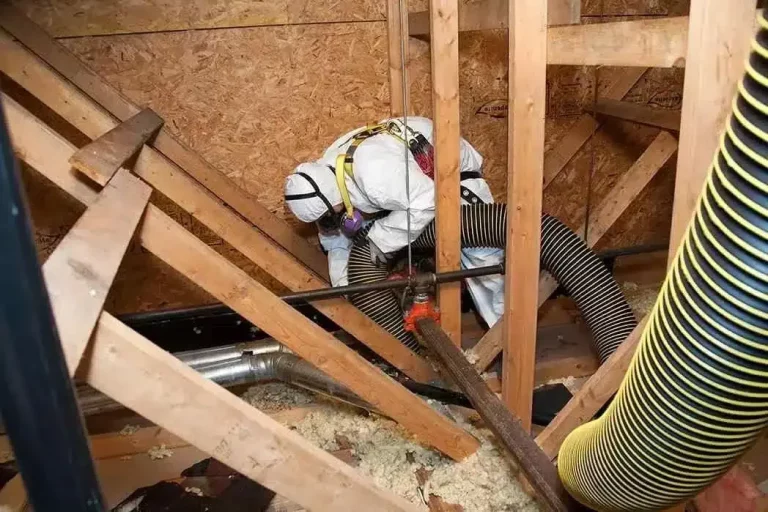
The attic is where spray foam delivers the most noticeable improvement in both comfort and energy use. In Myrtle Grove, most HVAC ductwork runs through attic space. When that attic is vented and unconditioned, ducts sit in air that can exceed 140°F on a summer afternoon, forcing the cooling system to work harder just to overcome duct heat gain before conditioned air even reaches the rooms below. Proper air sealing with spray foam helps prevent these efficiency losses by creating a more controlled and insulated building envelope.
Spray foam addresses this in two approaches:
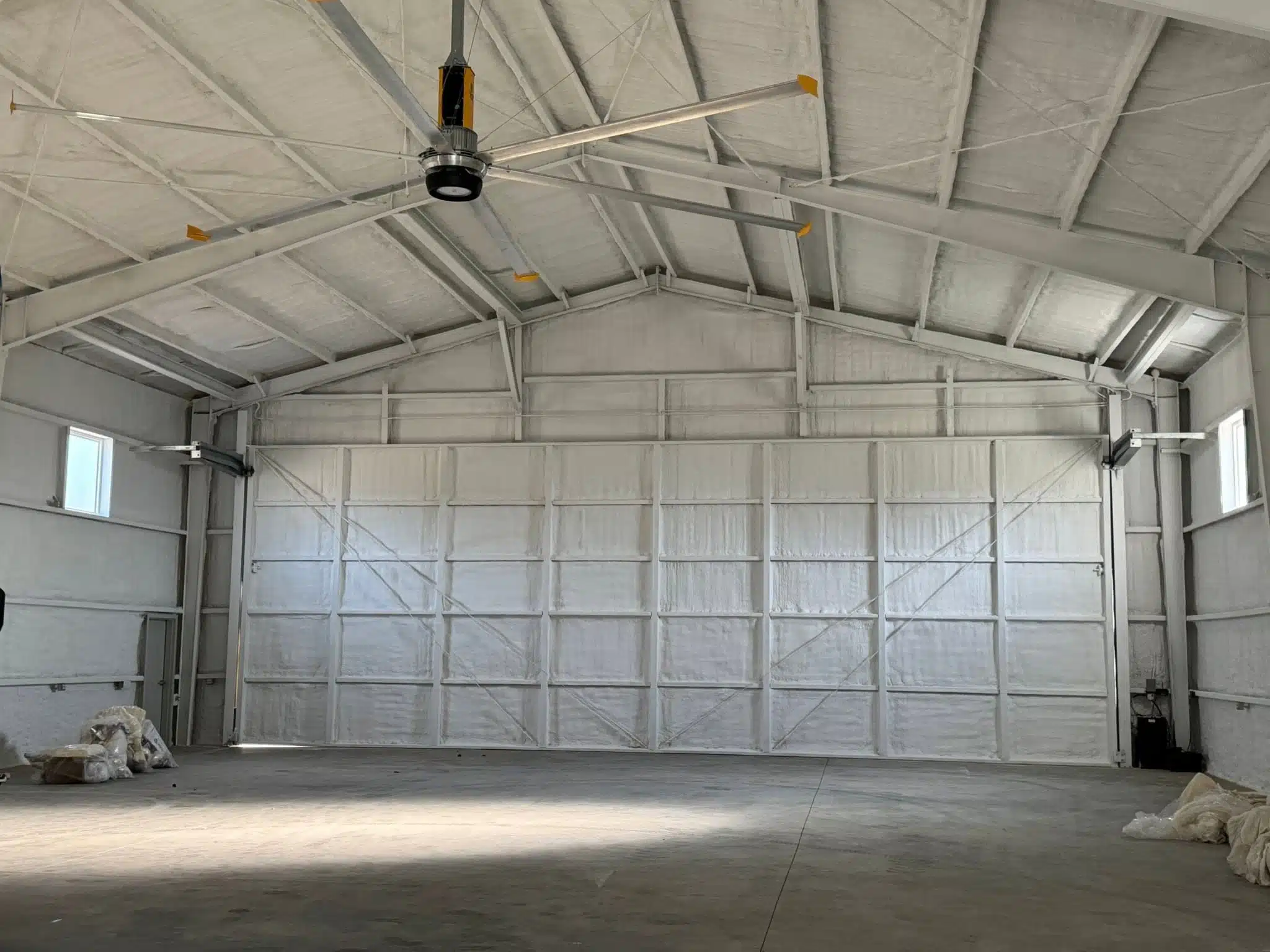
Unvented conditioned attic (spray foam at the roof deck): Foam is applied directly to the underside of the roof sheathing, bringing the entire attic into the conditioned envelope. According to Building Science Corporation’s research on hot-humid climate attics, this configuration reduces total energy consumption by approximately 11% compared to a code-compliant vented attic with R-19 ceiling insulation. The same research notes additional benefits including elimination of condensation on cool duct surfaces, improved indoor air quality, and less dust and pollen infiltration.
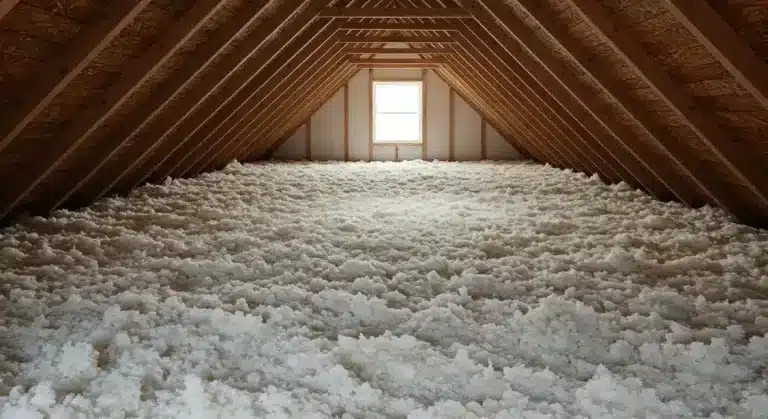
Vented attic with spray foam air sealing at the ceiling plane: For homeowners who want to maintain a vented attic, spray foam seals the ceiling plane, penetrations, and perimeter edges to create an airtight boundary. This approach stops the conditioned-air loss that occurs through gaps around recessed lights, duct chases, and partition wall tops.
2. The Crawl Space
Crawl spaces in humid climates present a moisture management problem that insulation alone cannot solve. Vented crawl spaces in hot-humid regions actually draw warm, moist outdoor air inside, where it condenses on cooler floor framing above, creating conditions for mold growth and wood rot.
The Building America Solution Center’s guidance on unvented crawlspaces recommends sealed, insulated crawl spaces for humid climates specifically because they reduce condensation potential, protect floor joists, and keep HVAC equipment in a controlled environment. Spray foam applied to the crawl space walls and rim joist creates a continuous thermal and air barrier. Closed-cell foam is preferred here because it resists moisture absorption and provides the vapor control needed when ground moisture is present.
3. Exterior Walls
Exterior wall cavities are another high-value target, especially during renovations or new construction when wall cavities are exposed. Fiberglass batts compress around electrical boxes and leave voids around plumbing runs. Spray foam fills these irregular spaces completely, providing consistent thermal resistance and eliminating the convective air loops that reduce fiberglass effectiveness. Working with a qualified spray foam contractor in Myrtle Grove, FL helps ensure proper installation and maximum insulation performance.
In Climate Zone 2, the DOE recommends R-13 to R-19 for uninsulated wood-frame walls. Open-cell spray foam achieves this in a single application without the gaps and settling that plague batt insulation over time.
4. The Rim Joist
The rim joist area, where the floor framing meets the foundation, is one of the most air-leaky locations in any home. In crawl space homes, this band joist area is a direct pathway for humid air to enter the floor assembly. The Building Science Corporation notes that spray foam can insulate and air seal the rim joist simultaneously, which is difficult to achieve with rigid foam boards alone because each cavity must be individually cut and sealed.
Closed-cell spray foam is the standard choice for rim joist applications because of its higher R-value per inch, vapor retarder properties, and ability to adhere to irregular surfaces.
5. Bonus Room or Garage Ceilings
Rooms built over garages or above unconditioned spaces are common sources of comfort complaints in Florida homes. The floor assembly beneath these rooms is often under-insulated, and standard insulation does not seal the gaps where framing meets the surrounding structure. Spray foam applied to the floor cavity above the garage or unconditioned space creates a continuous thermal and air barrier that eliminates cold floors in winter and heat transfer in summer.
Priority Comparison by Home Area
| Home Area | Primary Benefit in Zone 2A | Recommended Foam Type | Impact Level |
|---|---|---|---|
| Attic (roof deck) | Moves ducts into conditioned space, reduces cooling load | Open-cell or closed-cell | Highest |
| Crawl space walls | Stops moisture intrusion, prevents condensation | Closed-cell | High |
| Exterior walls | Eliminates air gaps, improves thermal consistency | Open-cell | Moderate to High |
| Rim joist | Seals major air leakage pathway at foundation | Closed-cell | Moderate to High |
| Floor over garage | Resolves hot/cold floor complaints | Either type | Moderate |
Signs You’ve Found the Right Insulation Contractor
Choosing the right team for your spray foam project matters as much as choosing the right areas to insulate. Look for these indicators:
- Thorough assessment before quoting: A quality contractor inspects your attic, crawl space, and accessible areas before recommending a scope of work. They should discuss your specific home configuration, not offer a one-size-fits-all package.
- Clear explanation of foam types: The contractor explains the difference between open-cell and closed-cell foam and recommends specific types for each area based on climate, moisture conditions, and building assembly.
- Code compliance knowledge: Spray foam installations in unvented attics and sealed crawl spaces must meet Florida Building Code requirements. Your contractor should reference applicable codes and explain how the installation complies.
- Moisture management planning: In humid climates, spray foam alone is not enough. A knowledgeable contractor addresses vapor barriers, ventilation requirements for sealed spaces, and any pre-existing moisture issues before installation begins.
- Transparent communication: They provide a detailed scope of work, explain the installation process, and set realistic expectations for timeline and results without overstating outcomes.
Get a Professional Insulation Assessment
Prestige Insulation Solutions LLC helps Myrtle Grove homeowners identify exactly where spray foam will make the biggest difference in comfort, energy efficiency, and moisture protection. Our team evaluates your attic, crawl space, walls, and rim joist to build a plan tailored to your home’s specific needs. Contact us today to request a quote or schedule an insulation assessment.
Request a Quote | Schedule an Assessment | Call (850) 429-4969 or email [email protected]
Frequently Asked Questions
Is spray foam insulation worth the investment in Florida’s climate?
Yes. In hot-humid climates like Myrtle Grove, spray foam provides air sealing and moisture resistance that standard insulation cannot match, and the attic alone is where the largest energy savings are typically found.
Should I use open-cell or closed-cell spray foam in my attic?
Both work in warm climates, but open-cell spray foam is commonly used at the attic roof deck for its sound-dampening properties and lower density, while closed-cell is preferred when vapor control or structural reinforcement is needed.
Can spray foam help with humidity and moisture in my crawl space?
Closed-cell spray foam applied to crawl space walls and rim joist areas creates an air and moisture barrier that prevents humid outdoor air from entering and condensing on framing, which is a direct benefit in Florida’s humid climate.
Does spray foam in the attic require removing existing insulation?
Not always. If spray foam is applied to the roof deck to create an unvented conditioned attic, existing floor insulation can remain in place but is no longer the primary thermal barrier. For vented attics, spray foam air seals the ceiling plane before additional insulation is added on top.
How long does spray foam insulation last?
Spray foam insulation is a permanent installation that does not settle, compress, or degrade over time when properly installed, and it maintains both its R-value and air-sealing properties for the life of the home.
Sources
- ENERGY STAR – Why Seal and Insulate? – EPA data on energy savings from air sealing and insulating attics, crawl spaces, and basements, including the 15% heating and cooling cost savings estimate.
- U.S. Department of Energy – Guide to Home Insulation – Federal guide covering insulation types, R-value recommendations by climate zone, and spray foam performance characteristics.
- Building Science Corporation – Residential Spray Foam Guide (GM-2102) – Comprehensive technical guidance on spray foam applications in walls, roofs, and foundations across all climate zones.
- Building America Solution Center – Unvented, Insulated Crawlspaces – DOE-funded guidance on sealed crawl space construction, moisture management in humid climates, and insulation best practices.
- Building Science Corporation – Roof and Attic Ventilation Issues in Hot-Humid Climates (PR-0302) – Research specifically addressing Florida hot-humid climate attic performance, including simulation data showing energy benefits of unvented spray foam attics.

- Everything You Need to Know About Professional Insulation Removal - October 7, 2026
- Which Insulation Upgrades Deliver the Best Long-Term Value in Bagdad, FL? - September 14, 2026
- How Does Blown-In Insulation in Gonzalez, FL Fill Gaps Better Than Traditional Materials? - September 14, 2026