Planning a facility audit for commercial insulation in 2026 requires a strategic approach that balances energy efficiency goals, budget constraints, and long-term building performance. A well-executed audit identifies insulation gaps, thermal weaknesses, and upgrade opportunities that can significantly reduce operational costs while improving occupant comfort. Whether you manage a warehouse, office complex, or manufacturing facility, understanding the audit process and its outcomes helps you make informed decisions about insulation investments that deliver measurable returns.
Our team at Prestige Insulation Solutions LLC has conducted hundreds of commercial insulation assessments across diverse facility types, and we have seen how proper planning transforms audit results from simple reports into actionable roadmaps for building improvement. The difference between a reactive facility and a high-performing one often starts with how thoroughly you prepare for and execute your insulation audit using a proven commercial insulation planning guide.
TL;DR
- Facility audits for commercial insulation identify heat loss, air leakage, and moisture problems that drive up energy costs year after year
- Pre-audit preparation, including building documentation review and utility data analysis, can improve audit accuracy by up to 30 percent
- 2026 brings new energy codes and efficiency standards that may affect compliance requirements for your facility type
- Thermal imaging and blower door testing represent the most effective combination for identifying hidden insulation failures
- Audit findings typically reveal insulation deficiencies in 40 to 60 percent of commercial buildings surveyed
- ROI on insulation upgrades identified through audits ranges from 2 to 5 years,s depending on facility type and energy costs
- Post-audit implementation planning should prioritize envelope improvements before mechanical system upgrades
- Professional audits by qualified contractors provide documentation that supports financing and incentive programs
Why Facility Audits Matter More in 2026
The commercial building sector faces increasing pressure to meet stricter energy codes and sustainability mandates. According to the U.S. Department of Energy, commercial buildings account for approximately 16 percent of total energy consumption in the United States, with heating and cooling representing the largest portion of operational energy use. Poor insulation directly compounds these costs, creating thermal bridges that force HVAC systems to work harder and consume more energy than necessary.
Planning your audit now positions your facility to take advantage of current efficiency incentives while meeting upcoming compliance deadlines. Many state and utility programs offer rebates or tax benefits for commercial insulation improvements, but these programs often have limited funding and eligibility windows. A comprehensive audit creates the documentation foundation needed to qualify for these incentives while helping you prioritize investments that deliver the greatest return through timely commercial insulation repair and upgrade services in Holley, FL.
Buildings constructed before 1980 frequently contain outdated insulation materials that have degraded significantly over decades of service. Our experience shows that facilities without recent insulation assessments typically have R-values 30 to 50 percent below current code requirements. This performance gap represents both a significant cost driver and an opportunity for meaningful improvement through targeted upgrades.
Pre-Audit Planning Steps That Set You Up for Success
Successful audits begin long before the auditor arrives at your facility. Taking time to organize building information and establish clear objectives improves the quality of findings and makes implementation planning more straightforward.
Gather Historical Building Data
Collect construction documents, previous renovation records, and any past energy assessments for your facility. This documentation helps auditors understand original design intent and identify areas where changes may have affected insulation performance. Utility bills from the past 24 to 36 months provide baseline energy consumption data that auditors use to calibrate their thermal analysis.
Define Audit Scope and Objectives
Clearly articulate what you want to achieve from the assessment. Are you focused on reducing energy costs, preparing for a major renovation, addressing comfort complaints from occupants, or ensuring compliance with updated energy codes? Different objectives may warrant different audit approaches or intensity levels. Sharing these priorities with your auditor upfront ensures the final report addresses your specific needs.
Identify Key Personnel and Access Requirements
Auditors will need access to mechanical rooms, roof spaces, crawl spaces, and potentially occupied areas during their assessment. Coordinate with facility managers and building occupants in advance to minimize disruptions and ensure comprehensive access. Identifying a primary contact who can answer questions about building systems and history accelerates the entire process.
What to Expect During the Audit Process
A thorough commercial insulation audit involves multiple testing methods and visual assessments that together provide a complete picture of your building envelope performance.
Visual Inspection Components
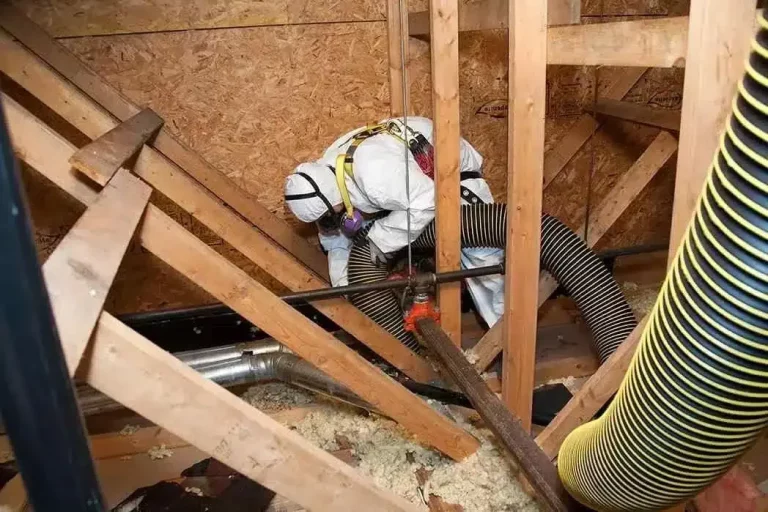
Auditors examine accessible insulation in walls, attics, mechanical spaces, and foundation areas. They look for signs of damage, compression, moisture intrusion, and pest activity that compromise insulation effectiveness. Visible gaps, missing sections, and deteriorated materials are documented with photographs and location notes.
Thermal Imaging Analysis
Infrared cameras reveal temperature variations across building surfaces that indicate hidden insulation problems. Thermal imaging identifies areas where insulation is missing, wet, or compressed beneath finished surfaces without destructive investigation. This technology excels at finding problems in concealed spaces like interior wall cavities and flat roof assemblies.
Air Leakage Testing
Blower door tests measure the rate at which air infiltrates your building envelope under controlled pressure conditions. High air leakage rates indicate gaps in the building shell that allow conditioned air to escape while introducing unconditioned outside air. Combined with thermal imaging, air leakage testing pinpoints specific locations where air sealing provides the greatest benefit.
Lighting and Electrical Assessment
While focused on insulation, comprehensive audits also examine lighting systems and electrical equipment that contribute to heat loads. Understanding these internal loads helps calibrate heating and cooling requirements and ensures insulation upgrades are appropriately sized.
Understanding Your Audit Report
After completing the assessment, auditors provide a detailed report that documents findings and recommends improvements. Learning to read this report effectively helps you prioritize actions and communicate needs to stakeholders.
Reading the Executive Summary
Most audit reports begin with an executive summary that highlights key findings and prioritizes recommendations by impact and cost-effectiveness. This section provides the information needed for decision-makers to understand the big picture without reviewing every technical detail. Look for clear statements about current insulation condition, energy performance gaps, and estimated upgrade costs.
Interpreting Technical Findings
The detailed findings section explains specific problems identified during the audit, their locations within your facility, and their implications for energy consumption and occupant comfort. Technical language in this section addresses building envelope components, thermal performance metrics, and test results. Do not hesitate to ask your auditor to clarify anything that seems unclear.
Reviewing Recommendations
Upgrade recommendations typically include multiple options ranging from minimal improvements to comprehensive renovations. Each recommendation should specify suggested materials, the approximate scope of work, and the estimated energy savings. The best reports also include a cost-benefit analysis that compares recommended upgrades against expected returns.
Comparing Audit Approaches
Different audit methodologies offer varying levels of detail and precision. Understanding these approaches helps you select the right assessment for your facility’s needs and budget.
| Audit Level | Scope | Typical Duration | Best For |
|---|---|---|---|
| Walk-Through Assessment | Visual inspection, basic testing | 1 to 4 hours | Small facilities, initial screening |
| Energy Star Assessment | Comprehensive testing, modeling | 1 to 3 days | Medium facilities, financing preparation |
| Investment Grade Audit | Detailed analysis, granular recommendations | 1 to 2 weeks | Large facilities, major renovations |
A walk-through assessment provides a general overview suitable for identifying obvious problems or confirming suspected issues. Investment-grade audits deliver the detailed analysis required for major capital decisions or when seeking third-party financing. Most commercial facilities benefit from an Energy Star-style assessment that balances thoroughness with cost-effectiveness.
Signs You Have Found the Right Audit Partner
Working with the right auditing professional or contractor significantly affects the quality of insights you receive and the usefulness of resulting recommendations.
Clear communication throughout the process marks the best audit providers. They explain findings in practical terms rather than burying you in technical jargon. They welcome questions and follow-up to ensure you understand the implications and next steps.
Recommendations tied to measurable outcomes distinguish valuable audits from generic checklists. Quality audits quantify expected savings, payback periods, and comfort improvements for each suggested upgrade. Vague suggestions without supporting analysis indicate an incomplete assessment.
Realistic scoping and pricing in proposals show honest providers who understand that thorough work takes appropriate time. Be wary of bids that seem too low, as they may indicate rushed assessments or missing components that limit report value.
Common Mistakes to Avoid in Facility Audit Planning
Many facility managers undermine audit effectiveness through preventable missteps that limit the quality of findings or implementation success.
Focusing only on visible areas misses the majority of insulation problems, which hide behind walls, above ceilings, and within roof assemblies. Insist on thermal imaging and air leakage testing as standard components rather than optional add-ons.
Choosing the lowest bid often results in surface-level assessments that fail to identify root causes of energy problems. Quality audits cost more upfront but deliver recommendations that generate greater savings through targeted improvements.
Failing to act on findings wastes the investment made in the audit itself. Develop an implementation plan immediately after receiving your report, and establish timelines for prioritizing and completing recommended upgrades.
Moving Forward with Your Insulation Assessment
A facility audit for commercial insulation represents an investment in understanding your building’s true performance and identifying opportunities for meaningful improvement. The information gained guides decisions about where to invest maintenance dollars for maximum return, helps ensure your facility meets evolving energy codes, and provides documentation needed for financing or incentive programs.
Planning your 2026 audit now gives you time to gather necessary documentation, budget appropriately for assessment costs, and position your facility to qualify for available efficiency incentives before funding expires. The buildings that perform best strategically plan assessments rather than waiting for problems to demand attention.
Request a Facility Assessment
Our team at Prestige Insulation Solutions LLC brings decades of commercial insulation expertise to every assessment we conduct. We combine thorough testing methods with practical experience implementing upgrades to deliver audit reports that translate directly into actionable improvements. Whether you need a comprehensive investment-grade audit or a focused assessment of specific problem areas, we work with you to understand your facility needs and deliver results you can act on.
Contact our team to discuss your facility audit needs and discover how professional assessment drives smarter insulation investments.
Contact details:
Phone: (850) 429-4969
Email: [email protected]
Take the first step toward understanding your facility’s insulation performance and creating a roadmap for meaningful efficiency improvements.
Sources
- U.S. Department of Energy – Commercial Buildings Energy Consumption Survey – National data on commercial building energy use patterns, consumption by building type, and efficiency opportunities across the building sector.
- ENERGY STAR – Commercial Building Energy Asset Scoring – Methodology for assessing commercial building energy performance and asset ratings that inform audit approaches.
- American Society of Heating, Refrigerating and Air-Conditioning Engineers – Standard 211 – Industry standard for commercial building energy audits covering assessment procedures and reporting requirements.
- U.S. General Services Administration – Building Performance Dashboard – Federal guidance on building performance benchmarking and energy management practices for commercial facilities.
- Building Performance Institute – Energy Audit Standards – Professional standards for building performance assessments, including audit procedures and auditor qualifications.
Frequently Asked Questions
How long does a typical commercial facility audit take to complete?
Most commercial insulation audits for facilities under 50,000 square feet are completed within 2 to 5 business days of on-site work. Larger facilities or those requiring comprehensive testing may take longer. Report delivery typically occurs within 1 to 2 weeks following field assessment completion.
What equipment is used during a professional insulation audit?
Professional auditors use thermal imaging cameras to detect temperature variations behind surfaces, blower door equipment to measure air leakage rates, and moisture meters to identify water damage affecting insulation performance. Additional tools may include manometers, anemometers, and insulation depth gauges, depending on the assessment scope.
Should we complete the audit before or after our budget planning cycle?
Ideally, complete your insulation audit before budget planning begins so findings can inform funding requests for the following fiscal year. However, audits completed mid-cycle still provide valuable information that can be incorporated into carryover budget requests or prioritized in subsequent planning periods.
Can insulation audits help us qualify for energy efficiency incentives?
Yes, comprehensive audit documentation often supports applications for utility rebates, state incentive programs, and green building certifications. Many programs require professional assessment reports to verify baseline conditions and confirm that improvements meet specified efficiency thresholds.
How often should commercial facilities schedule insulation audits?
We recommend scheduling a comprehensive insulation assessment every 5 to 7 years or whenever significant building changes occur, such as renovations, system replacements, or occupancy changes. Facilities with a history of moisture problems or in extreme climate regions may benefit from more frequent evaluations.

- Everything You Need to Know About Professional Insulation Removal - October 7, 2026
- Which Insulation Upgrades Deliver the Best Long-Term Value in Bagdad, FL? - September 14, 2026
- How Does Blown-In Insulation in Gonzalez, FL Fill Gaps Better Than Traditional Materials? - September 14, 2026