Poor blown-in insulation is one of the most expensive hidden problems a Pensacola homeowner can face. In our humid subtropical climate, where summer temperatures regularly climb into the 90s and moisture is a constant threat, insulation that looked fine during installation can fail within just a few years. The problem is that most homeowners do not discover these issues until their energy bills spike, their comfort drops, or worse, mold starts growing inside their walls. This guide walks through seven concrete warning signs that your blown-in insulation needs immediate attention, explains why each problem develops in the Pensacola climate specifically, and shows you exactly how to fix each one the right way so it does not come back, using proven blown-in insulation maintenance strategies.
TL;DR
- Settled, compressed, or water-damaged blown-in insulation loses its R-value quickly and forces your HVAC system to work significantly harder
- Pensacola’s humidity creates unique insulation failure modes that dry climates simply do not experience
- Air sealing before adding insulation is the single most important step most contractors skip, and it explains why many insulation upgrades fail to deliver promised energy savings
- The age of your insulation, visible damage patterns, and performance symptoms together tell a clear story about whether you need a targeted repair or a full replacement
- Choosing the right material density and ensuring proper wall coverage requires professional assessment, not a one-size-fits-all approach
1. Insulation Settling and Compression
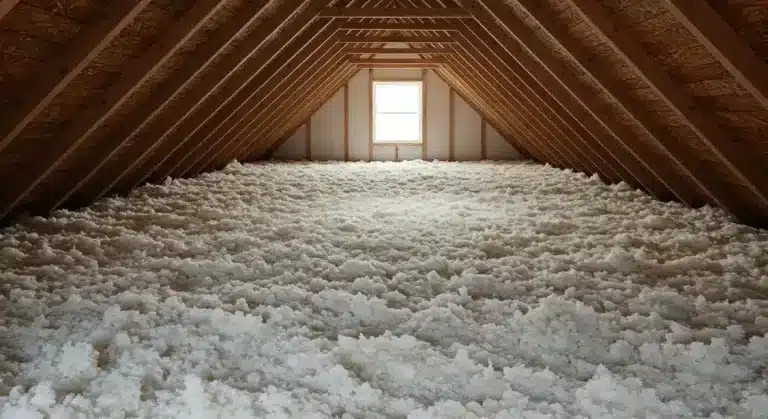
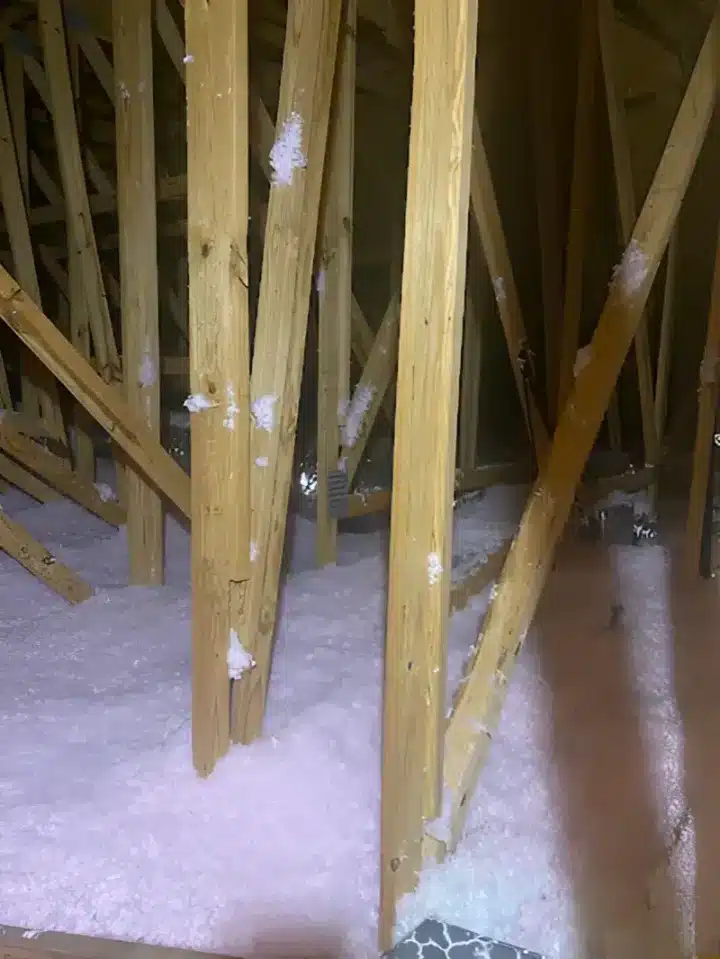
One of the most common red flags with blown-in insulation is visible settling. If you open an attic access door and notice that the insulation across your attic floor sits several inches below the top of your ceiling joists, that material has compressed over time. Cellulose insulation settles more than fiberglass, but both lose their effectiveness when the density increases beyond the manufacturer’s specification. Reference the CelluloseInsulation Manufacturers Association – Installation Standards for proper installation standards.
Settled insulation creates air pockets throughout your attic floor. Those pockets allow conditioned air from your living spaces to escape into the attic while hot outdoor air pushes back down through your ceiling. The result is a noticeable temperature difference between rooms, especially on upper floors. Your air conditioner runs longer, your utility bills climb, and your home never quite feels comfortable.
The fix for settling starts with measuring your current insulation depth in multiple locations across your attic. If you are finding gaps or thin areas covering more than 20 percent of your attic floor, adding new material on top without addressing the settled layer creates uneven coverage. The proper approach involves either removing the compressed material entirely and starting fresh or having a professional add blown-in insulation with a higher density specification to fill voids without creating new settling problems. A reputable installer will measure your existing R-value and recommend whether you need a top-up or a complete replacement based on the Florida Building Code requirements for your climate zone, especially when addressing long-term old blown-in insulation issues that reduce energy efficiency and indoor comfort.
2. Wet or Damp Insulation
Moisture is the enemy of every insulation type, but in Pensacola, where average humidity hovers above 65 percent for much of the year, wet insulation is a more urgent problem than in drier regions. When blown-in insulation absorbs moisture, its R-value drops dramatically. A square foot of wet fiberglass or cellulose can lose 30 to 50 percent of its thermal resistance, and unlike drying out drywall after a plumbing leak, insulation trapped inside walls or sealed in an attic does not dry quickly.
Signs of wet insulation include dark stains on ceiling surfaces, a musty smell that does not go away with normal cleaning, and visibly damp material when you check attic spaces. Often, the source is not the insulation itself but a hidden leak, improper bathroom or kitchen exhaust venting routed into the attic instead of through the roof, or insufficient vapor barrier protection on the interior side of your walls.
Fixing wet insulation requires addressing the moisture source first. No amount of drying or treatment matters if water continues entering the cavity. Once the source is eliminated, the wet insulation must be removed and replaced. If you are dealing with a large area, consider upgrading to a moisture-resistant alternative at the same time. Keeping bathroom exhaust fans running during showers and for 20 minutes afterward, checking attic ventilation regularly, and inspecting your roof after major storms are simple preventive steps that protect your insulation investment for years.
3. Gaps Around Penetrations and Open Baffles
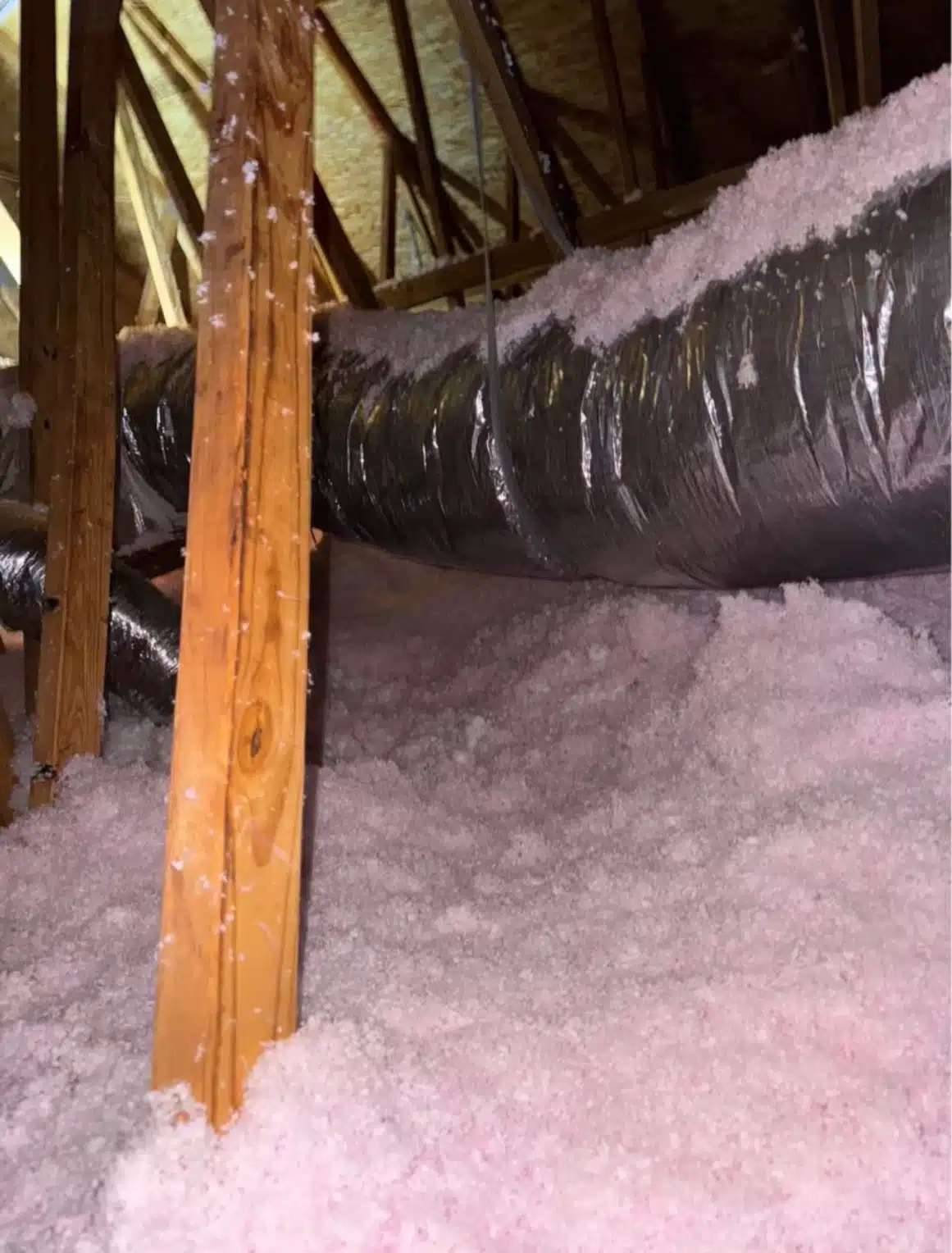
Electrical boxes, plumbing stacks, can lights, and ductwork penetrations create gaps in your insulation envelope. When blown-in insulation is installed around these features, gaps frequently develop because the material cannot fill irregular shapes as effectively as it fills open attic spaces. These gaps are not just energy losses; they act as direct pathways for conditioned air to escape into your attic or for hot attic air to drop directly into your living spaces.
Many Pensacola homes built before 2012 have recessed can lights that are not rated for insulation contact. When insulation settles or shifts around these fixtures, it leaves a direct thermal bridge that shows up as a hot spot on your ceiling. Homeowners often notice these as warm patches in specific rooms regardless of thermostat settings.
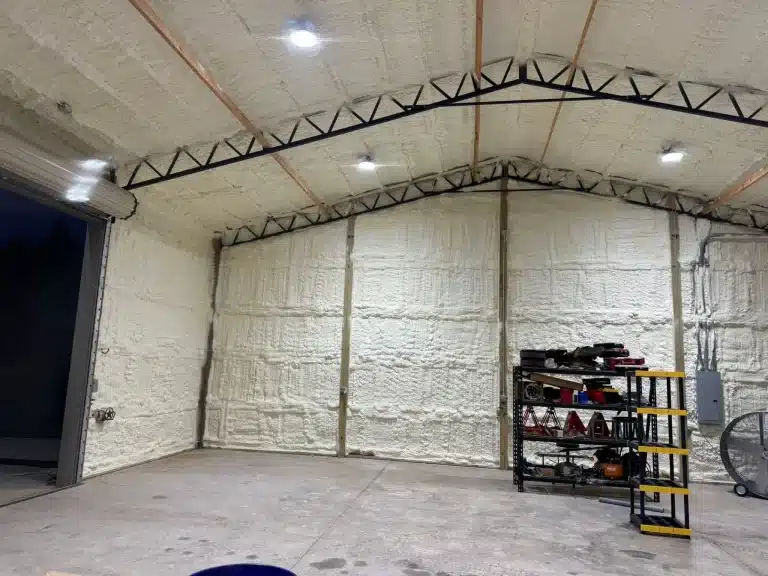
The permanent fix involves using fire-rated caulk and spray foam to seal penetrations before adding any new insulation. Baffles must be installed around soffit vents to maintain continuous airflow from intake vents to exhaust vents. Open electrical boxes need foam-rated covers. These details take extra time during installation, but they are what separate a professional job from a quick-fill that looks good on the surface but performs poorly within a year.
4. Missing or Inadequate Air Sealing
Adding insulation over an unsealed attic is one of the most expensive mistakes in home performance. Your attic ceiling contains dozens of small holes where wires, pipes, and ductwork penetrate the drywall. Each one leaks small amounts of conditioned air into your attic continuously. When you pile new insulation on top of these gaps, you are essentially putting a warm blanket over an open window.
Air sealing typically costs between $200 and $600 for an average Pensacola home and can reduce heating and cooling costs by 10 to 20 percent, according to the U.S. Department of Energy – Insulation and Air Sealing. The savings come from your HVAC system no longer having to condition air that immediately escapes through ceiling gaps. Without this step, you can add R-50 insulation to your attic and still have a home that feels uncomfortable and costs too much to cool.
A professional energy audit with a blower door test identifies exactly where your home leaks the most air. For detailed air sealing guidance, see Energy.gov – Air Sealing Your Home.
5. Insulation in the Wrong Location
Blow-in insulation is designed for enclosed wall cavities and open attic floors. It should never be installed in locations where it will stay exposed, get wet, or block ventilation paths. One of the more common mistakes in Pensacola involves installers blowing insulation into knee walls without properly sealing the interior surface first, or filling floor cantilevers that should remain open for airflow.
When insulation is placed where it should not be, it creates moisture retention problems, restricts air circulation that keeps the roof sheathing dry, and eventually compresses under its own weight or settles into unintended areas. You might notice excessive heat buildup in rooms adjacent to these problem areas, or you might not notice anything until a contractor opens up a wall during a renovation and finds compacted, moldy material.
The solution is to remove any insulation installed in the wrong location and redirect it to enclosed cavities where it belongs. Knee walls need air chutes and proper baffling before insulation goes in. Cantilevers need netting if they are to be insulated at all, and only with materials that will not hold moisture. If you suspect your home has insulation in the wrong locations, a thermal imaging inspection reveals exactly where the problems are.
6. Drafts and Temperature Imbalances Between Rooms
When one room in your Pensacola home stays noticeably warmer than others in summer or colder in winter, the problem often traces back to insulation issues in that specific wall or ceiling section. Blown-in insulation can settle unevenly inside wall cavities, leaving one section of a wall well-insulated while an adjacent section has virtually none. This commonly happens when insulation is blown through too few holes per cavity or when the installer uses the wrong nozzle length for deeper wall sections.
Temperature imbalances force you to adjust thermostat settings to compensate, which wastes energy and creates discomfort for other household members. Over time, the rooms that run hot or cold degrade faster due to excess moisture cycling and thermal stress on building materials.
The diagnostic approach involves checking each exterior wall with a thermal camera or by carefully measuring surface temperatures with an infrared thermometer during extreme weather. The fix for isolated imbalances typically involves re-blowing the problem cavities from the exterior or interior using a more thorough hole pattern and a denser material application. Full-wall coverage with consistent density eliminates the hot and cold spots that plague otherwise comfortable homes.
7. Mold, Mildew, or Foul Odors Traced to Insulation
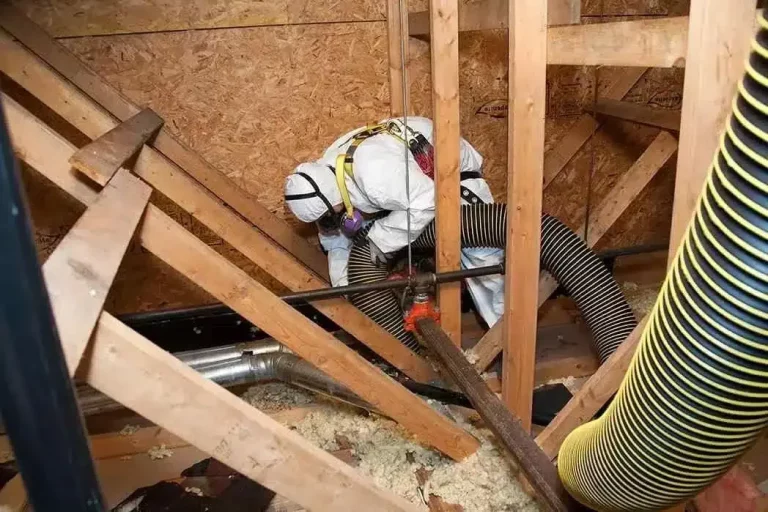
Mold growth inside wall cavities or attic insulation is a serious health concern and a sign that moisture has breached your building envelope in a significant way. Blown-in insulation provides an ideal environment for mold when it stays damp, and Pensacola’s climate makes this risk higher than in most other parts of the country. Mold growing on or within insulation is not a surface-cleaning problem; the material itself must be removed and replaced.
Beyond mold, foul odors from insulation can indicate animal intrusion, decaying organic material contamination, or chemical off-gassing from older installation practices. If your home smells musty or like ammonia after you have ruled out plumbing and sewer issues, your insulation is a prime suspect.
Addressing insulation-related mold requires professional remediation with appropriate safety equipment. Consult the Environmental Protection Agency – A Brief Guide to Mold, Moisture, and Your Home for further guidance.
Blown-In Insulation Red Flags Comparison
| Red Flag | Common Cause | Warning Sign | Recommended Fix |
|---|---|---|---|
| Settling and compression | Old age, improper density | Visible gaps, uneven attic floor coverage | Top-up or complete removal and re-installation |
| Wet or damp insulation | Roof leaks, exhaust venting, and humidity | Stains, musty smell, cold spots | Find and repair the water source, remove and replace the insulation |
| Gaps around penetrations | Improper installation detail | Hot/cold spots near fixtures, drafts | Air seal all penetrations before adding insulation |
| Missing air sealing | Skipped prep step, budget pressure | High bills, uneven temperatures, and a drafty feeling | Blower door test, seal all ceiling and attic gaps |
| Wrong location installation | Installer error, misunderstanding | Heat buildup, moisture damage, and mold | Remove misplaced insulation, install in the correct cavities |
| Room temperature imbalances | Uneven wall coverage, settled cavities | One room is always hotter or colder | Thermal imaging inspection, re-blow problem cavities |
| Mold or contamination | Prolonged moisture, animal intrusion | Visible growth, persistent odor | Professional remediation, source correction, replacement |
Choosing the Right Fix for Your Pensacola Home
Not every insulation problem requires a full replacement. Some situations respond well to targeted repairs that cost a fraction of a complete re-insulation project. Others, where the material has been wet for an extended period or where mold is present, demand immediate and thorough remediation regardless of cost.
The right approach depends on three factors: the extent of the damage, the age and type of existing insulation, and your long-term plans for the home. If you are planning to sell within the next three years, investing in a complete insulation upgrade improves your home’s value and appeal. If you are staying long-term, spending more now on air sealing and quality materials pays dividends in comfort and reduced utility costs for a decade or longer.
For most Pensacola homes, the highest-return improvement is adding air sealing before touching insulation at all. The second priority is ensuring that bathroom and kitchen exhaust vents terminate properly outside the home. These two steps alone fix more comfort and efficiency problems than adding more insulation ever could.
Signs You Have Found the Right Solution
A contractor who talks about air sealing before talking about adding R-value understands how your home actually works. Look for installers who perform a visual inspection and energy assessment before giving you a quote. They should explain exactly where your home is losing energy, show you evidence of the problems, and give you a clear scope of work that includes sealing before insulating.
Avoid anyone who quotes a price based solely on square footage without understanding your home’s specific construction, existing conditions, and performance goals. The cheapest bid often excludes the prep work that makes the insulation actually function, and in Pensacola’s climate, shortcuts show up as high humidity problems and mold within two or three years.
Our team at Prestige Insulation Solutions LLC starts every project with a thorough home assessment. We measure your current insulation conditions, identify air leakage points, and build a scope of work that addresses the root causes of your comfort and efficiency problems, not just the surface symptoms.
Whether you need a targeted repair for a single problem area or a complete insulation overhaul, we deliver results built to last in Pensacola’s demanding climate. Contact us today for a detailed evaluation and quote for your specific situation.
Contact: (850) 429-4969 | [email protected]
Sources
- U.S. Department of Energy – Insulation and Air Sealing – Government guidance on the relationship between air sealing and insulation performance in residential homes.
- Energy.gov – Air Sealing Your Home – Official recommendations for identifying and sealing air leaks that undermine insulation effectiveness.
- Environmental Protection Agency – A Brief Guide to Mold, Moisture, and Your Home – Federal guidance on addressing mold issues related to moisture intrusion in residential structures.
- Florida Building Commission – Energy Conservation Standards – State-level building code requirements for insulation R-values in Florida’s climate zones.
- Cellulose Insulation Manufacturers Association – Installation Standards – Industry technical guidance on proper blown-in cellulose installation density and coverage requirements.
Frequently Asked Questions
How long does blown-in insulation last in Pensacola’s climate?
Blown-in insulation can last 20 to 30 years when properly installed and protected from moisture. However, Pensacola’s humidity shortens that lifespan significantly if water sources breach your building envelope or if exhaust venting is routed incorrectly into attics.
Can I add new blown-in insulation over my old settled material?
Yes, in most cases, you can add new material on top, but only after an assessment confirms the existing layer is dry and uncontaminated. If the old material is wet or moldy, it must be removed first.
What is the best R-value for Pensacola attics?
The Florida Building Commission – Energy Conservation Standards recommends a minimum of R-38 for attics in Climate Zone 2, which includes Pensacola. Most energy-conscious homeowners target R-49 to R-60 for optimal performance against our extreme summer heat.
How do I know if my insulation is causing my high energy bills?
Compare your bills to similar homes in your neighborhood, and check whether your usage patterns have changed. A sudden spike without a rate increase usually points to an insulation, air sealing, or ductwork problem.
Does homeowners’ insurance cover insulation damage from a roof leak?
In most cases, sudden and accidental water damage from a covered peril is covered, but gradual leaks that went unnoticed are typically excluded. Document and report any water intrusion immediately to preserve your coverage rights.

- Everything You Need to Know About Professional Insulation Removal - October 7, 2026
- Which Insulation Upgrades Deliver the Best Long-Term Value in Bagdad, FL? - September 14, 2026
- How Does Blown-In Insulation in Gonzalez, FL Fill Gaps Better Than Traditional Materials? - September 14, 2026