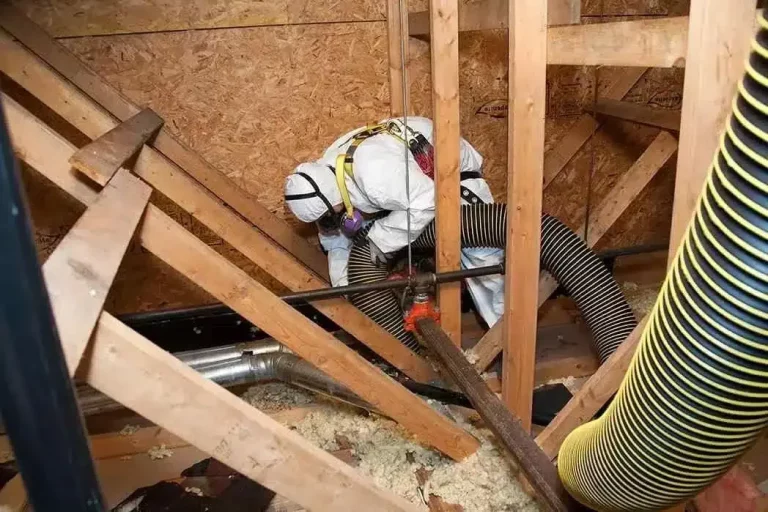
Commercial insulation is one of the most impactful investments you can make in your building’s performance, longevity, and operating costs. Whether you manage a warehouse, office complex, retail space, or industrial facility, the right insulation system directly affects your energy bills, occupant comfort, and compliance with modern building codes. Yet the world of commercial insulation can feel overwhelming, with dozens of material types, installation methods, and regulatory requirements to navigate, which is why many property owners work with experienced commercial insulation contractors for proper system selection and installation.
This guide exists to change that. Over the coming sections, we’ll walk you through everything you need to know about commercial insulation, from foundational concepts like R-values and thermal barriers to specific solutions for different building types and climates. Our goal is to give you the knowledge to make informed decisions, whether you’re insulating a new construction project or upgrading an existing facility. You’ll learn about the various insulation materials available, how they perform in commercial applications, what building codes require, and how to measure the return on your investment. By the time you finish reading, you’ll have a clear understanding of which insulation strategies work best for your specific situation.
Why Commercial Insulation Matters More Than Ever
The buildings where we work, shop, learn, and gather consume roughly 40% of the energy used in the United States each year, according to data from the U.S. Department of Energy. Heating and cooling systems account for the largest slice of that energy use, which means the thermal performance of your building envelope directly drives your operating costs. Poorly insulated commercial buildings waste energy through walls, roofs, floors, and around windows and doors, forcing HVAC systems to work harder just to maintain comfortable indoor temperatures.
Beyond energy costs, insulation plays a critical role in moisture management, acoustic comfort, and fire safety. A building without adequate insulation is vulnerable to condensation buildup within wall cavities, which can lead to mold growth, structural damage, and poor indoor air quality. Sound transmission becomes problematic in offices, schools, and healthcare facilities where privacy and concentration matter. And in commercial construction, insulation materials must meet strict fire-resistance standards to protect occupants and comply with code requirements.
Expert Tip: Before selecting any insulation product, conduct a thorough energy audit of your building. Understanding where heat gains and losses occur helps you prioritize insulation upgrades where they’ll deliver the greatest financial return.
Understanding R-Values and Thermal Performance
The most fundamental concept in insulation is the R-value, which measures a material’s resistance to conductive heat flow. According to the U.S. Department of Energy, the higher the R-value, the greater the insulating effectiveness. R-values depend on the type of insulation, its thickness, and its density, and most insulations also experience some change in R-value due to aging and moisture exposure.
For commercial buildings, the International Energy Conservation Code (IECC) establishes minimum R-value requirements based on climate zone. These requirements vary significantly across the United States, with colder northern climates demanding higher R-values for roofs and walls compared to warmer southern regions. When planning a commercial insulation project, you must first identify your building’s climate zone and then reference the applicable code requirements for each building assembly.
R-values apply to specific insulation materials, but the actual thermal performance of a wall or roof assembly involves additional factors. Thermal bridging occurs when heat flows readily through materials like metal studs that bypass the insulation layer. Continuous insulation, applied uninterrupted across structural elements, helps minimize these thermal shortcuts. The U-factor measures the overall heat transfer through an entire assembly, including insulation, framing, and sheathing, providing a more complete picture of real-world performance.
| Climate Zone | Roof Insulation (R-value) | Wall Insulation (R-value) | Floor Insulation (R-value) |
|---|---|---|---|
| 1-2 | R30-R49 | R13 or R0+R10 CI | R13 |
| 3 | R49-R60 | R20 or R13+R5 CI | R19 |
| 4-5 | R60 | R20+R5 CI or R13+R10 CI | R30 |
| 6-8 | R60 | R20+R5 CI or R13+R10 CI | R38 |
CI = Continuous Insulation
Core Insulation Materials for Commercial Buildings
Commercial insulation products fall into several broad categories, each with distinct properties, installation requirements, and ideal applications. Understanding these materials helps you select the right solution for your project’s specific needs.
Fiberglass Insulation
Fiberglass consists of extremely fine glass fibers and represents one of the most widely used insulation materials in commercial construction. According to the U.S. Department of Energy, manufacturers produce medium- and high-density fiberglass batt insulation products with slightly higher R-values than standard batts, making them suitable for areas with limited cavity space, such as cathedral ceilings. High-density fiberglass batts for a 2-by-4-inch stud-framed wall offer R-15 values, compared to R-11 for standard low-density types. For 2-by-6-inch walls, high-density batts can achieve R-21.
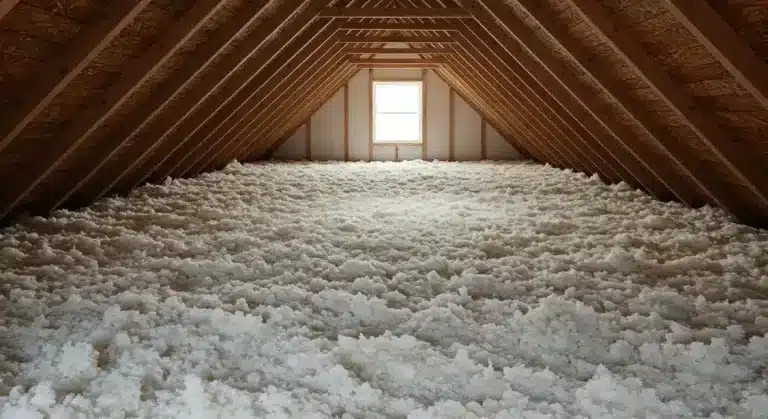
Fiberglass insulation is available in several forms for commercial applications. Batt and roll insulation fits standard stud and joist spacing, making it straightforward to install in walls, ceilings, and floors. Loose-fill fiberglass, applied using blowing equipment, works well for insulating enclosed wall cavities and irregularly shaped areas. Rigid fiberglass boards provide high-temperature resistance for duct insulation and industrial applications.
Expert Tip: When installing fiberglass batts in commercial walls, look for products with attached vapor retarders. These facings help manage moisture movement through the building envelope, which is particularly important in humid climates.
Spray Foam Insulation
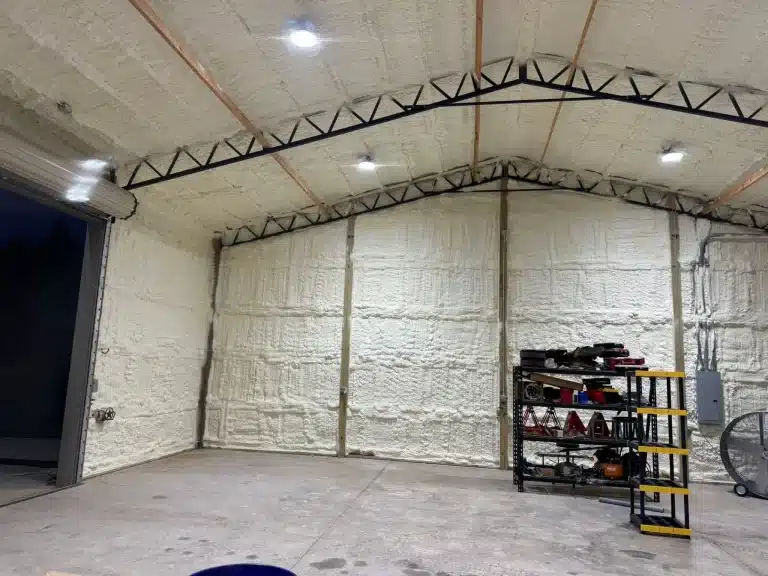
Spray foam insulation has gained significant popularity in commercial construction due to its ability to create an effective air barrier while providing high R-values. According to the U.S. Department of Energy, liquid foam insulation materials can be sprayed, foamed-in-place, injected, or poured, and foam-in-place insulation can fill wall cavities, attic surfaces, and under floors to insulate and reduce air leakage simultaneously.
Two primary types of spray foam exist. Closed-cell foam features high-density cells filled with gas that help the foam expand, providing excellent moisture resistance and R-values typically ranging from R-6 to R-7 per inch. Open-cell foam uses air-filled cells that give the insulation a spongy texture and lower R-values, but the material is more affordable and offers superior sound absorption.
For commercial applications, spray foam offers several advantages. It conforms to any space without disturbing structures or finishes, making it ideal for retrofit projects where walls will remain enclosed. The material fills even the smallest cavities and gaps, creating an effective air barrier that traditional batt insulation cannot match. However, spray foam installation requires specialized equipment and certified applicators, and the material costs more upfront than fiberglass or cellulose alternatives.
Rigid Foam Board Insulation
Rigid foam boards provide high insulating value for relatively little thickness, making them popular for commercial roof and wall applications where space is limited. Common materials include polystyrene, polyisocyanurate, and polyurethane, each with different performance characteristics.
According to the U.S. Department of Energy, polyisocyanurate is a closed-cell foam that contains low-conductivity gas in its cells, providing R-values typically ranging from R-6 to R-7 per inch. Foiled facings on polyisocyanurate panels help slow thermal drift and can act as radiant barriers when installed facing an open air space. Extruded polystyrene (XPS) offers R-values from R-5 to R-5.5 per inch with excellent moisture resistance, while expanded polystyrene (EPS) provides R-values from R-3.6 to R-4.2 per inch at a lower cost.
Rigid foam boards are particularly valuable for continuous insulation applications on the exterior of commercial walls. This approach reduces thermal bridging through studs and creates a more uniform thermal barrier across the entire wall surface. Foam board insulation must be covered with appropriate fire-rated materials when used on interior applications, per building code requirements.
Mineral Wool Insulation
Mineral wool, which includes both rock wool made from natural minerals like basalt and slag wool produced from blast furnace waste, offers excellent fire resistance and sound absorption alongside thermal performance. According to the U.S. Department of Energy, mineral wool does not require additional chemicals to make it fire-resistant, and the material contains an average of 75% post-industrial recycled content.
Mineral wool insulation is commonly available as blanket (batt and roll) products and loose-fill insulation for commercial applications. The material can withstand high temperatures, making it suitable for building components like ducts and mechanical rooms where fire resistance is critical. High-density mineral wool boards also serve as effective acoustic insulation in walls and ceilings where sound control is a priority.
Solutions for Different Building Types
Not all commercial buildings have the same insulation needs. The optimal approach depends on the building’s use, construction type, operating hours, and specific challenges.
Office Buildings and Commercial Spaces
Office buildings typically require insulation that balances thermal performance with acoustic control. Open-plan offices and conference rooms benefit from wall and floor insulation that reduces noise transmission between spaces. Sprayed or blown-in insulation works well for retrofitting existing office buildings where walls are already finished, as installers can access wall cavities through small holes without significant disruption.
Continuous insulation on the exterior of office building walls improves overall thermal performance while reducing thermal bridging through the structural frame. This approach also provides an opportunity to improve the building’s appearance with updated facade materials.
Warehouses and Industrial Facilities
Industrial buildings present unique insulation challenges, particularly those with high ceilings and large temperature variations between interior and exterior conditions. Unheated warehouses may require less insulation than conditioned spaces, but temperature-controlled storage facilities need robust thermal barriers to prevent product damage and reduce energy costs.
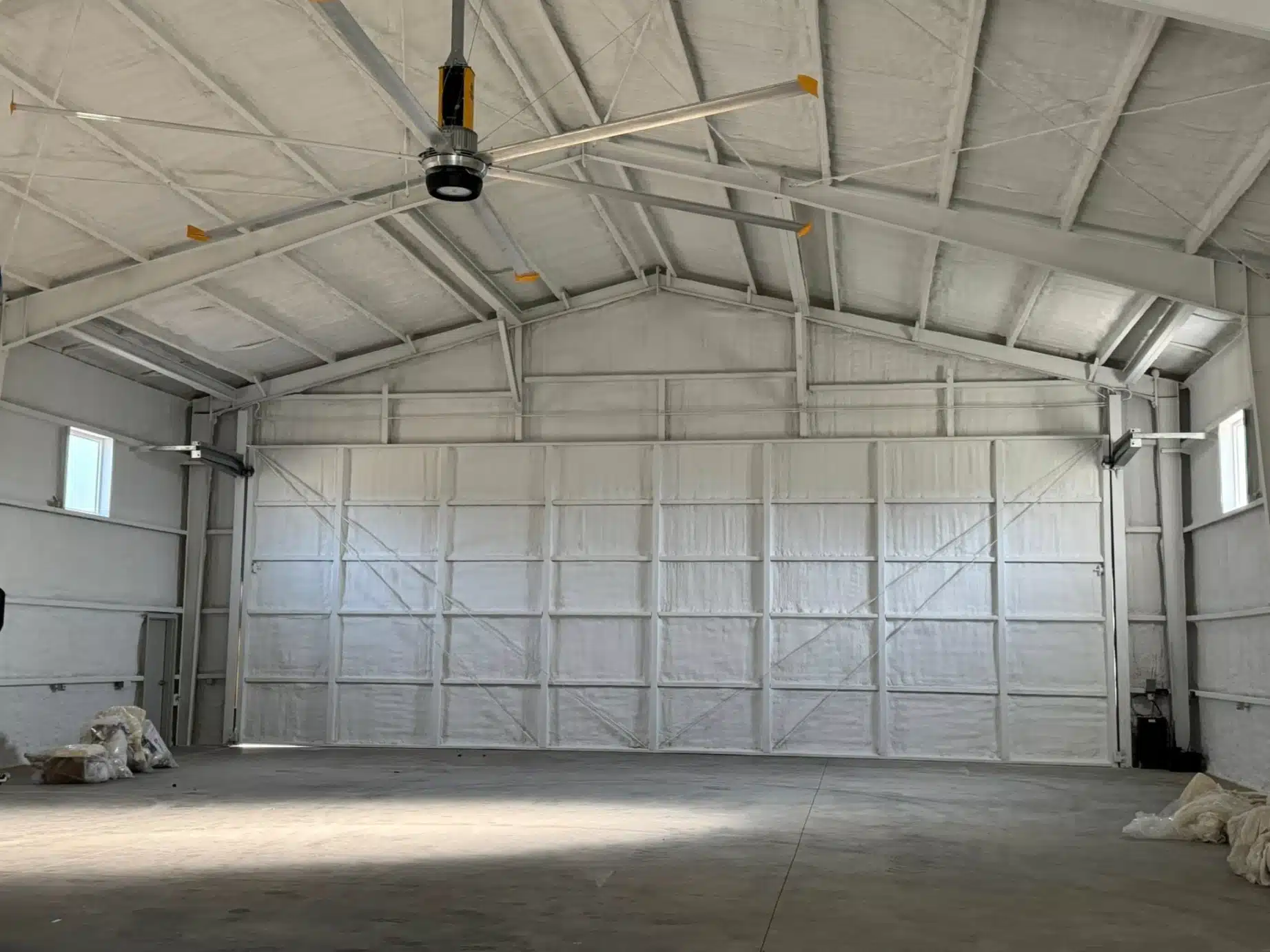
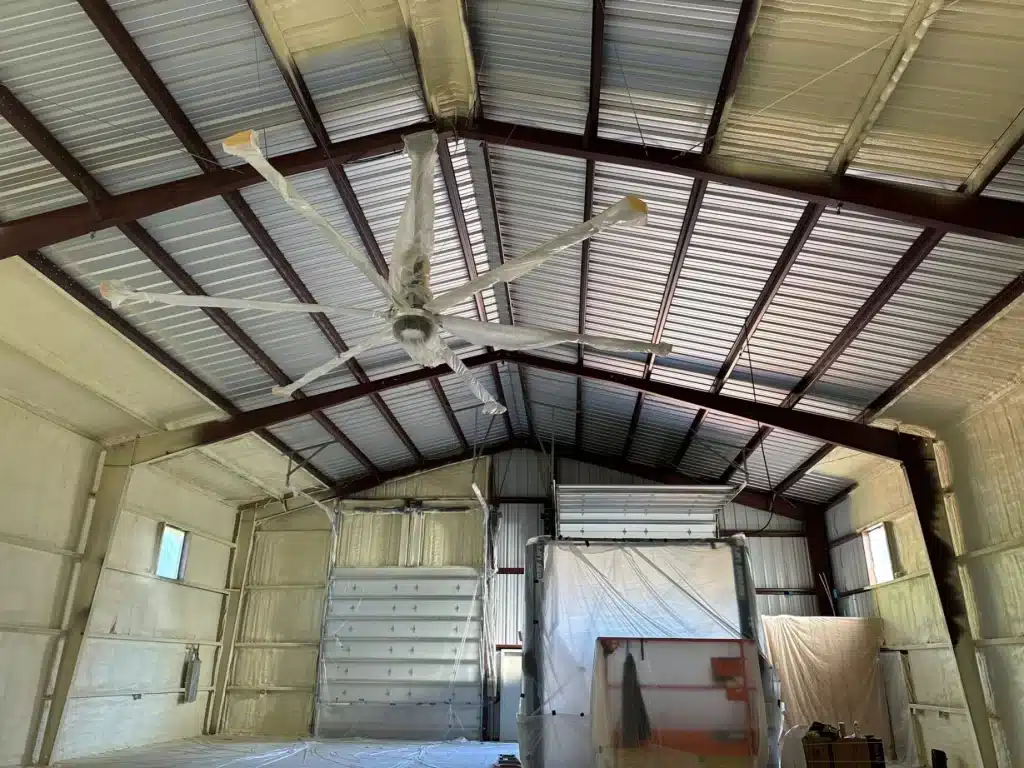
For buildings with exposed steel framing, rigid foam boards applied as continuous insulation or insulated metal panels provide both thermal resistance and reduced condensation on cold surfaces. Spray foam insulation in the roof deck area creates an effective air barrier while providing high R-values in limited attic or rafter space.
Retail Buildings
Retail spaces often have extensive glass facades and high internal heat gains from lighting and occupancy, creating complex thermal dynamics. Insulation requirements for retail buildings must account for these factors while maintaining an attractive appearance for customer-facing areas.
Spray foam insulation in the roof deck helps manage heat gains from solar radiation on large flat roofs, reducing cooling loads during busy shopping hours. Exterior insulation on walls behind decorative facades improves thermal performance without altering the building’s appearance.
Healthcare and Educational Facilities
Healthcare and educational buildings have stringent requirements for indoor air quality, fire safety, and acoustic performance. According to Acelab, insulation in these applications must meet specific Sound Transmission Class (STC) requirements to create quiet environments for healing and learning.
Mineral wool insulation provides excellent fire resistance and sound absorption, making it a preferred choice for schools and hospitals. Dense materials like mineral wool and high-density fiberglass effectively block sound transmission while meeting the fire safety standards these occupancy types require.
Building Code Requirements for Commercial Insulation
Commercial insulation projects must comply with multiple building codes at the federal, state, and local levels. The most frequently enforced standards include the International Building Code (IBC), International Energy Conservation Code (IECC), and National Fire Protection Association (NFPA) regulations.
Fire Safety Standards
Fire safety represents one of the most critical code considerations for commercial insulation. According to data from Spray Foam Magazine, the IBC requires foam plastic insulation in commercial buildings to have a flame spread index of 75 or less and a smoke developed index of 450 or less when tested according to ASTM E84. Exterior wall applications in non-combustible construction types may require a flame spread index of 25 or less.
All foam plastics used in commercial building construction must have a thermal barrier installed that separates the foam from the interior space. The IBC specifically lists 1/2-inch gypsum drywall as an acceptable thermal barrier material. Alternative thermal barrier materials must pass testing according to ASTM E119 or receive specific approval through alternative testing protocols like NFPA 286.
Building insulation must also meet fire resistance hourly ratings that vary based on the building type and occupancy classification. Type I and Type II buildings with noncombustible elements have the most stringent requirements, while Type V combustible construction allows more flexibility in insulation material selection.
Energy Code Compliance
The IECC establishes minimum insulation requirements based on climate zone, building component, and construction type. These requirements specify both minimum R-values for insulation within cavities and requirements for continuous insulation on exterior surfaces. ASHRAE 90.1, titled “Energy Standard for the Design of High-Performance Green Buildings,” provides an alternative energy standard that some jurisdictions adopt.
Meeting energy code requirements requires careful documentation of insulation R-values, proper installation techniques, and sometimes testing or inspection of the completed building envelope. Continuous insulation requirements have become more stringent in recent code editions, driving increased use of exterior foam board and insulated metal panel systems.
Expert Tip: Keep detailed records of insulation products installed, including manufacturer documentation, R-values, and installation dates. These records simplify code compliance verification during inspections and provide valuable information for future maintenance or renovation projects.
The Role of Air Sealing and Moisture Control
Insulation and air sealing work together as part of a complete building envelope strategy. According to the U.S. Department of Energy, air leakage accounts for more than 98% of all water vapor movement in building cavities, meaning sealing unintended paths for air movement is more effective at controlling moisture than vapor barriers alone.
Air sealing before or during insulation installation prevents the conditioned air inside your building from escaping through gaps and cracks. Common air leakage points include penetrations for plumbing, electrical wiring, and HVAC components; gaps around windows and doors; and joints between building assemblies. Low-expansion spray foam, caulk, and weatherstripping seal these gaps effectively.
Moisture control requires attention to both liquid water and water vapor. Liquid water from rain or groundwater must be managed through proper drainage, flashing, and vapor barriers where appropriate. Water vapor moving through walls and ceilings can condense within cavities if temperatures drop below the dew point, leading to moisture accumulation within insulation. Vapor diffusion retarders help manage this moisture movement, but their placement varies by climate zone.
Key Takeaways
- R-value requirements for commercial insulation are determined by climate zone and building code requirements, with colder climates requiring higher R-values
- Spray foam insulation provides the highest R-values (R-6 to R-7 per inch) and creates effective air barriers, but requires professional installation.
- Rigid foam boards work well for continuous insulation applications on exterior walls and roofs.
- Mineral wool offers excellent fire resistance and acoustic performance, making it ideal for healthcare and educational facilities.
- Building codes require thermal barriers over foam plastics and specify flame spread ratings based on building type and occupancy.
- Air sealing is more effective than vapor barriers alone for controlling moisture in building cavities.
- Energy code compliance requires documentation of insulation R-values and proper installation technique.s
Measuring Success: Energy Savings and ROI
Understanding the financial return on commercial insulation investment helps justify projects and prioritize upgrades. Energy savings from insulation depend on several factors, including climate, building size, existing insulation levels, HVAC efficiency, and operating hours.
Insulation upgrades typically provide the fastest returns in buildings with little or no existing insulation, poor air sealing, or inadequate insulation in specific areas like roof decks or foundation walls. A building that currently has uninsulated cavities may see a 20-40% reduction in heating and cooling energy use after proper insulation installation, while a building upgrading from R-11 to R-19 wall insulation might see 10-15% energy savings.
Beyond energy savings, insulation provides value through extended HVAC equipment life, improved occupant comfort and productivity, reduced maintenance from moisture damage, and compliance with current building codes. These factors are harder to quantify but often exceed the direct energy savings in total project value.
Common Challenges and How to Overcome Them
Commercial insulation projects face several recurring challenges that can compromise performance if not addressed properly.
Thermal Bridging occurs when conductive materials like metal studs bypass insulation, creating paths for heat transfer that reduce overall assembly performance. Continuous insulation applied to the exterior of framing elements addresses this issue, though it adds cost and complexity to the installation.
Moisture Accumulation in wall cavities can degrade insulation performance and lead to mold growth. Proper vapor barrier placement, adequate ventilation, and air sealing all contribute to moisture management. In hot-humid climates, vapor barriers are typically placed on the exterior side of insulation, while in cold climates they belong on the interior side.
Retrofit Access presents challenges when insulating existing buildings with finished walls. Blow-in insulation and injectable spray foam can fill wall cavities through small access holes, but achieving complete coverage requires experienced installers and sometimes density testing to verify proper R-values.
Fire Code Compliance for foam plastics requires thermal barriers and sometimes additional testing, depending on the building type. Working with certified installers who understand these requirements prevents costly code violations and delays.
Future Trends in Commercial Insulation
The commercial insulation industry continues to evolve with new materials, installation techniques, and building code requirements driving innovation.
High-Performance Foam Technologies are pushing R-values higher while improving fire resistance and environmental profiles. Next-generation spray foams use hydrofluoroolefin (HFO) blowing agents with much lower global warming potential than earlier formulations.
Integrated Building Envelope Systems combine insulation, air barriers, and weather-resistant barriers into a single installation process. These systems reduce installation errors and ensure all envelope components work together effectively.
Smart Insulation Materials that respond to temperature conditions are under development, though widespread commercial availability remains limited. These materials could adjust their thermal resistance based on ambient conditions, potentially improving performance across varying climate scenarios.
Mandatory Continuous Insulation requirements in newer code editions are driving increased use of exterior insulation systems. As energy codes continue to tighten, the distinction between insulation and structural sheathing continues to blur.
Putting Your Commercial Insulation Strategy into Action
This guide has covered the essential elements of commercial insulation, from understanding thermal performance metrics to navigating building code requirements. The right insulation strategy for your building depends on your specific structure type, climate conditions, budget constraints, and performance goals.
The most important takeaway is that commercial insulation is not a one-size-fits-all decision. Each building presents unique challenges and opportunities, and the optimal solution often involves combining different insulation materials and installation approaches. A warehouse with a metal roof system has different needs than an office building with a masonry facade, and those differences should drive your material selection and design approach.
Whether you’re planning new construction or retrofitting an existing building, start by understanding your building code requirements and current insulation condition. Set clear performance goals based on energy savings targets, occupant comfort requirements, and budget parameters. Then work with qualified professionals who can help you design and install an insulation system that meets those goals while meeting all applicable codes.
Need Expert Guidance?
Selecting and installing commercial insulation is a significant decision that benefits from professional expertise. Our team at Prestige Insulation Solutions LLC has extensive experience helping commercial property owners and managers navigate insulation projects of all sizes and complexity levels. We can assess your building’s insulation needs, recommend appropriate solutions, and ensure installation meets all applicable codes and performance standards.
If you’re ready to improve your building’s energy efficiency, comfort, and code compliance, reach out to discuss your project. Contact us by email at [email protected] or call (850) 429-4969 to speak with one of our insulation specialists.
Sources
- U.S. Department of Energy – Insulation – Government resource explaining R-values, insulation types, and energy efficiency principles
- U.S. Department of Energy – Types of Insulation – Detailed overview of insulation materials, including fiberglass, spray foam, and rigid foam, with installation guidance
- U.S. Department of Energy – Insulation Materials – Comprehensive guide to insulation material properties, R-values, and applications
- Spray Foam Magazine – IBC Fire Test Requirements – Technical overview of fire safety requirements for foam plastic insulation in commercial buildings
- Acelab – Modern Building Insulation 101 and Code Requirements – Educational resource covering insulation types, building codes, and compliance requirements for commercial construction
Frequently Asked Questions About Commercial Insulation
How do I determine the right R-value for my commercial building?
The appropriate R-value depends on your climate zone, building code requirements for your jurisdiction, and the specific building assemblies being insulated. Reference the International Energy Conservation Code (IECC) for minimum requirements based on your location, then consider exceeding these minimums for greater energy savings. A qualified energy consultant or insulation contractor can help you determine optimal R-values based on your building’s specific characteristics.
What is the difference between open-cell and closed-cell spray foam?
Open-cell spray foam uses air-filled cells that give it a spongy texture, providing R-values around R-3.5 to R-4 per inch, along with excellent sound absorption. Closed-cell spray foam has cells filled with gas that expand during curing, achieving R-values from R-6 to R-7 per inch with superior moisture resistance. Closed-cell foam is more expensive but provides higher insulation value and structural reinforcement in a thinner application.
How long does commercial insulation last?
Most insulation materials are designed to last the lifetime of the building when properly installed. Fiberglass, mineral wool, and rigid foam boards maintain their R-values for decades without significant degradation. Spray foam insulation also lasts for the building’s lifetime, though some thermal drift occurs in the first two years after installation as gases in the cells slowly exchange with air.
Can insulation help with sound control in commercial buildings?
Yes, insulation significantly reduces sound transmission through walls, floors, and ceilings. Dense materials like mineral wool and high-density fiberglass absorb sound waves effectively, while loose-fill insulation fills cavities to prevent sound flanking through gaps. For buildings requiring specific Sound Transmission Class (STC) ratings, insulation must be combined with appropriate wall and floor assemblies and careful attention to detail around penetrations and joints.
What fire safety requirements apply to commercial insulation?
Commercial insulation must meet fire safety standards established by the IBC and tested according to ASTM E84 for surface burning characteristics. Foam plastic insulation typically requires a flame spread index of 75 or less and a smoke developed index of 450 or less, with stricter requirements for exterior walls. All foam plastics require thermal barriers like 1/2-inch gypsum drywall to separate them from interior spaces, and some applications require additional hourly fire resistance ratings.
How does continuous insulation differ from cavity insulation?
Cavity insulation fits between studs, joists, or rafters within building cavities, leaving the structural framing exposed to thermal bridging. Continuous insulation spans across framing members on the interior or exterior surface, creating an uninterrupted thermal barrier that eliminates thermal bridging. Building codes increasingly require continuous insulation to achieve higher assembly U-factors and meet stringent energy efficiency standards.

- Everything You Need to Know About Professional Insulation Removal - October 7, 2026
- Which Insulation Upgrades Deliver the Best Long-Term Value in Bagdad, FL? - September 14, 2026
- How Does Blown-In Insulation in Gonzalez, FL Fill Gaps Better Than Traditional Materials? - September 14, 2026