If you have noticed more dust settling on your furniture lately, or you are experiencing increased allergy symptoms and respiratory irritation while at home, your old blown-in insulation could be the hidden culprit. Over time, insulation materials settle, degrade, and accumulate contaminants that can circulate through your living spaces, compromising indoor air quality and reducing energy efficiency. Addressing this problem not only makes your home healthier but also restores the thermal performance your insulation was designed to provide.
TL;DR
- Old blown-in insulation can release dust particles, allergens, and fibers into your home air supply, causing respiratory issues and allergic reactions.
- Settling insulation creates gaps and voids that dramatically reduce R-value and increase heating and cooling costs.
- Contaminated insulation can harbor mold spores, pest droppings, and other pollutants that pose a health risk.s
- Upgrading insulation improves both indoor air quality and energy efficiency.
- Professional assessment is the best way to determine whether your insulation needs replacement or supplemental installation.
Understanding How Insulation Affects Your Indoor Air
Your home insulation does more than just resist heat flow. According to the Department of Energy, insulation materials work by slowing conductive heat flow and convective heat flow, but they also interact with the air in your living spaces in ways that directly impact what you breathe. When insulation becomes old, damaged, or contaminated, these interactions can turn from beneficial to harmful.
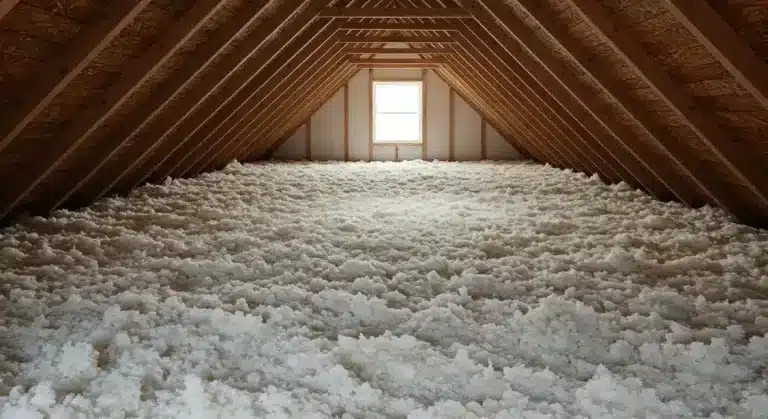
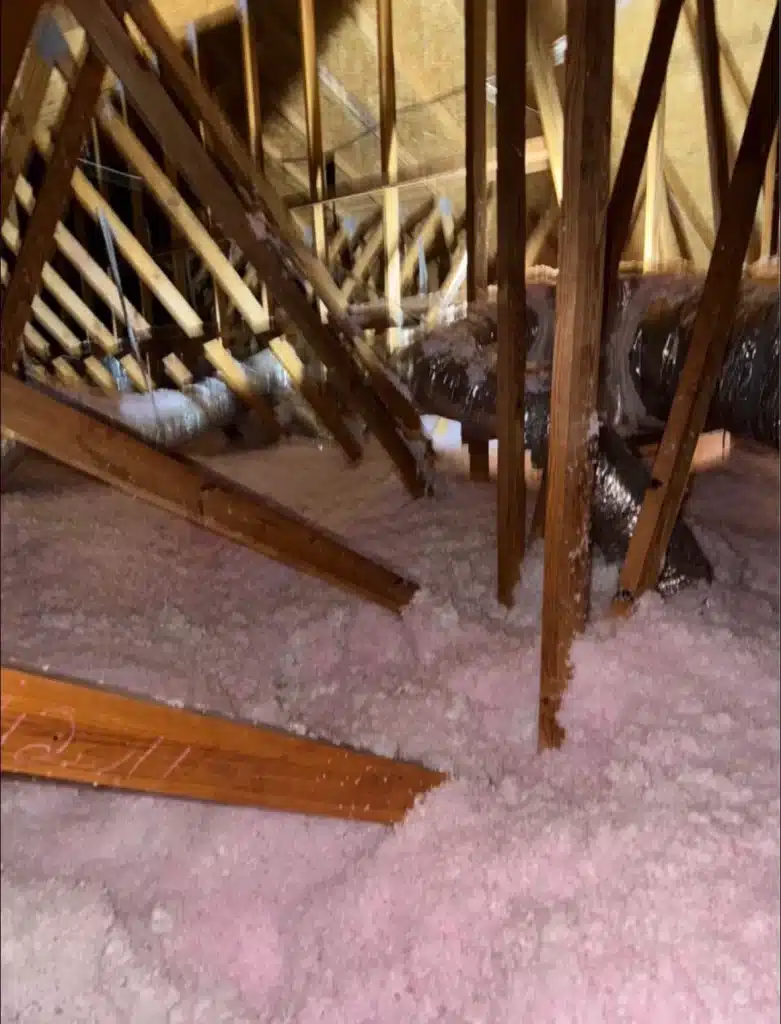
Blown-in insulation materials, whether cellulose or fiberglass, are particularly susceptible to settling over time. The Department of Energy notes that the loose-fill insulation R-value does not change proportionately with thickness because the settled density increases due to compression under its own weight. This settling creates gaps in your thermal envelope that allow conditioned air to escape and unfiltered outdoor air to enter your living spaces.
When insulation settles, it leaves voids around penetrations, at the edges of attic spaces, and between joists. These gaps become pathways for air movement that carry dust, pollen, and other airborne contaminants directly into your home. The insulation itself, particularly cellulose, which is made from recycled newspaper, can become a source of particles that circulate through your HVAC system, which is why homeowners often reference a detailed blown-in insulation guide before choosing replacement or upgrade options.
Signs Your Insulation Is Causing Dusty Air Problems
Recognizing the symptoms of failing insulation helps you address the problem before it worsens. There are several indicators that your blown-in insulation may be compromising your indoor air quality.
Visible Dust Accumulation: If you notice dust settling on surfaces more quickly than usual, or if your home feels constantly dusty despite regular cleaning, your insulation may be releasing particles into the air. This is particularly common with older cellulose insulation that has dried out and become brittle.
Respiratory Symptoms: Increased coughing, sneezing, itchy eyes, or worsening allergy symptoms while at home often point to indoor air quality issues. Research from Harvard found that under-insulated homes and those with compromised insulation contribute to respiratory ailments, including asthma attacks and allergic reactions.
Temperature Inconsistencies: Rooms that feel noticeably warmer in summer or colder in winter than other areas of your home may indicate insulation gaps. According to ENERGY STAR, properly insulating your home maintains uniform comfort throughout the house, and temperature variations suggest your insulation is not performing as intended.
Higher Energy Bills: Sudden or gradual increases in heating and cooling costs without corresponding changes in usage often signal insulation degradation. The Department of Energy states that heating and cooling account for 50 to 70 percent of energy used in the average American home, and inadequate insulation is a leading cause of waste.
Musty Odors: Persistent musty smells, especially in upstairs rooms or near attic access points, can indicate mold growth in or around your insulation. When insulation becomes damp and stays wet, mold can develop and release spores into your living spaces.
Performance Comparison: Old Blown-In vs. Modern Insulation Solutions
Understanding the performance differences between aging blown-in insulation and current insulation options helps you make informed decisions about upgrades.
| Insulation Type | R-Value per Inch | Settling Resistance | Air-Sealing Capability | Moisture Resistance |
|---|---|---|---|---|
| Old Blown-In Cellulose | 3.2 to 3.8 | High settling rate over time | Poor without an air barrier | Absorbs moisture if exposed |
| Blown-In Fiberglass | 2.2 to 2.7 | Moderate settling rate | Poor without an air barrier | Resists moisture but can trap it |
| Open-Cell Spray Foam | 3.5 to 3.6 | None | Excellent | Allows vapor transmission |
| Closed-Cell Spray Foam | 6.0 to 7.0 | None | Excellent | Acts as a moisture barrier |
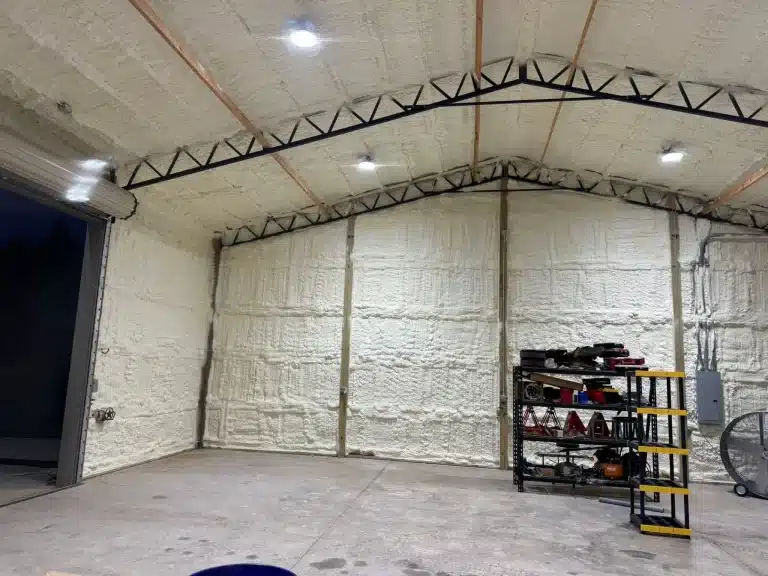
Blown-in insulation materials provide initial R-values that meet building code requirements, but their performance degrades as settling occurs. Modern spray foam insulation, applied by professional contractors, fills wall cavities and attic spaces completely, eliminating gaps and providing both insulation and air-sealing in a single application, helping homeowners avoid common blown-in insulation gap problems in Pensacola homes.
Real-World Scenarios: When Homeowners Discovered Dusty Air from Insulation
| Scenario | Home Type | Problem | Solution | Outcome |
|---|---|---|---|---|
| 1980s Colonial, Northeast | Two-story, vented attic | Persistent dust buildup,Air conditioner bills rise by 40% in summer. | Air-sealed attic, added blown-in fiberglass to R-60 | Dust was reduced significantly within weeks |
| 1960s Ranch, Midwest | Single-story, unvented crawlspace | Allergic reactions are worsening at home | Removed contaminated floor insulation, installed spray foam in rim joists | Symptom relief within one month |
| 1990s Split-Level, Southeast | Multi-level, gable attic | Musty odors in the master bedroom | Mold remediation, added continuous insulation, and upgraded to a higher R-value | Odor eliminated, energy bills decreased |
| 1970s Townhouse, Mid-Atlantic | Attached units, flat roof | Temperature variations between rooms | Comprehensive air sealing, added wall cavity insulation | Consistent temperatures throughout |
| 2000s Tract Home, Northwest | Two-story, vented attic | Visible dust from HVAC returns | Re-insulated attic to current recommendations, sealed ductwork | Air quality improved, and HVAC runs less frequently |
These scenarios illustrate common situations where aging insulation directly contributed to indoor air quality problems. In each case, addressing the insulation issue resolved the immediate symptoms while improving overall home comfort and energy efficiency.
Factors That Affect Insulation Performance in Your Home
Several variables determine how well your insulation performs and how quickly it may degrade.
Climate Zone: Your geographic location determines the recommended R-value for your attic and walls. According to ENERGY STAR, attics in Climate Zones 4 through 8 should achieve R-60, while floors in these zones typically require R-30 to R-49. Using climate-specific recommendations ensures your insulation can handle the thermal demands of your region.
Installation Quality: Even high-quality insulation materials fail to perform if installed incorrectly. The Department of Energy emphasizes that insulation compressed during installation will not provide its full rated R-value. Similarly, gaps around pipes, electrical boxes, and structural members reduce effectiveness and create pathways for air leakage.
Moisture Exposure: Wet insulation does not work well and can cause structural damage over time. Moisture can enter through roof leaks, condensation from temperature differentials, or plumbing failures. Once insulation becomes saturated, it often cannot be dried and must be replaced.
Age and Settling: Blown-in materials naturally settle over the years of use. Cellulose can compress by 10 to 20 percent of its original installed depth, while fiberglass settles less dramatically but still creates gaps. This settling reduces thermal resistance and allows air movement through the insulation layer.
Ventilation Balance: Attic ventilation requirements exist to manage moisture and temperature, but they can also affect insulation performance. The Department of Energy notes that in extremely cold conditions, air circulation through low-density loose-fill insulation can decrease effectiveness. Baffles and proper installation techniques prevent this issue.
Why Air Sealing Matters as Much as Insulation
Many homeowners focus solely on adding more insulation without addressing air leakage, but air sealing is equally important for comfort and air quality. The Department of Energy identifies air leaks as pathways that carry both moisture and energy in unwanted directions.
Air leaks occur where walls meet ceilings, around electrical outlets and switch boxes, behind recessed fixtures, and through gaps around attic access hatches. These leaks allow dust, pollen, and insulation particles to enter living spaces, and they make your heating and cooling systems work harder to maintain comfort.
When air sealing is combined with insulation upgrades, the results significantly exceed what either improvement alone can achieve. Sealing air leaks before adding insulation ensures that the new insulation can perform as rated, because moving air bypasses insulation in the same way it bypasses walls and ceilings.
Harvard research found that homes with proper insulation and air sealing experience reduced respiratory ailments because fewer air pollutants enter the living space. This connection between building envelope performance and health outcomes demonstrates why treating air sealing as a separate but essential component of insulation work is critical.
Steps to Assess and Address Insulation-Related Air Quality Issues
Taking action on insulation problems involves a systematic approach that identifies root causes before recommending solutions.
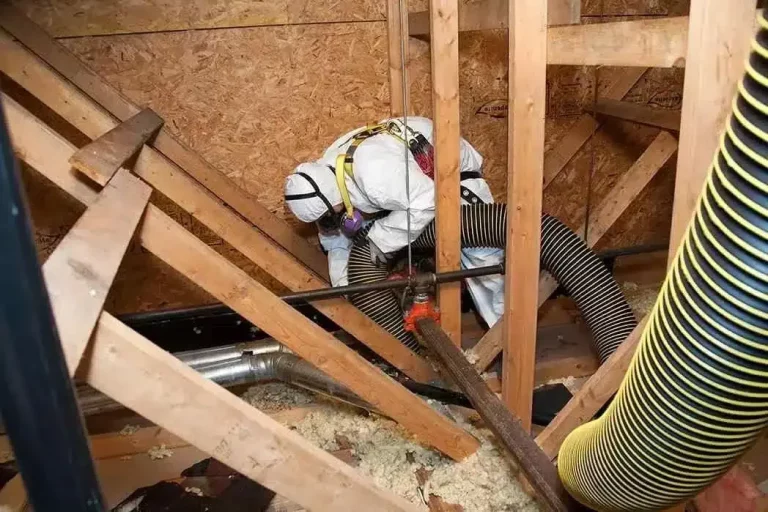
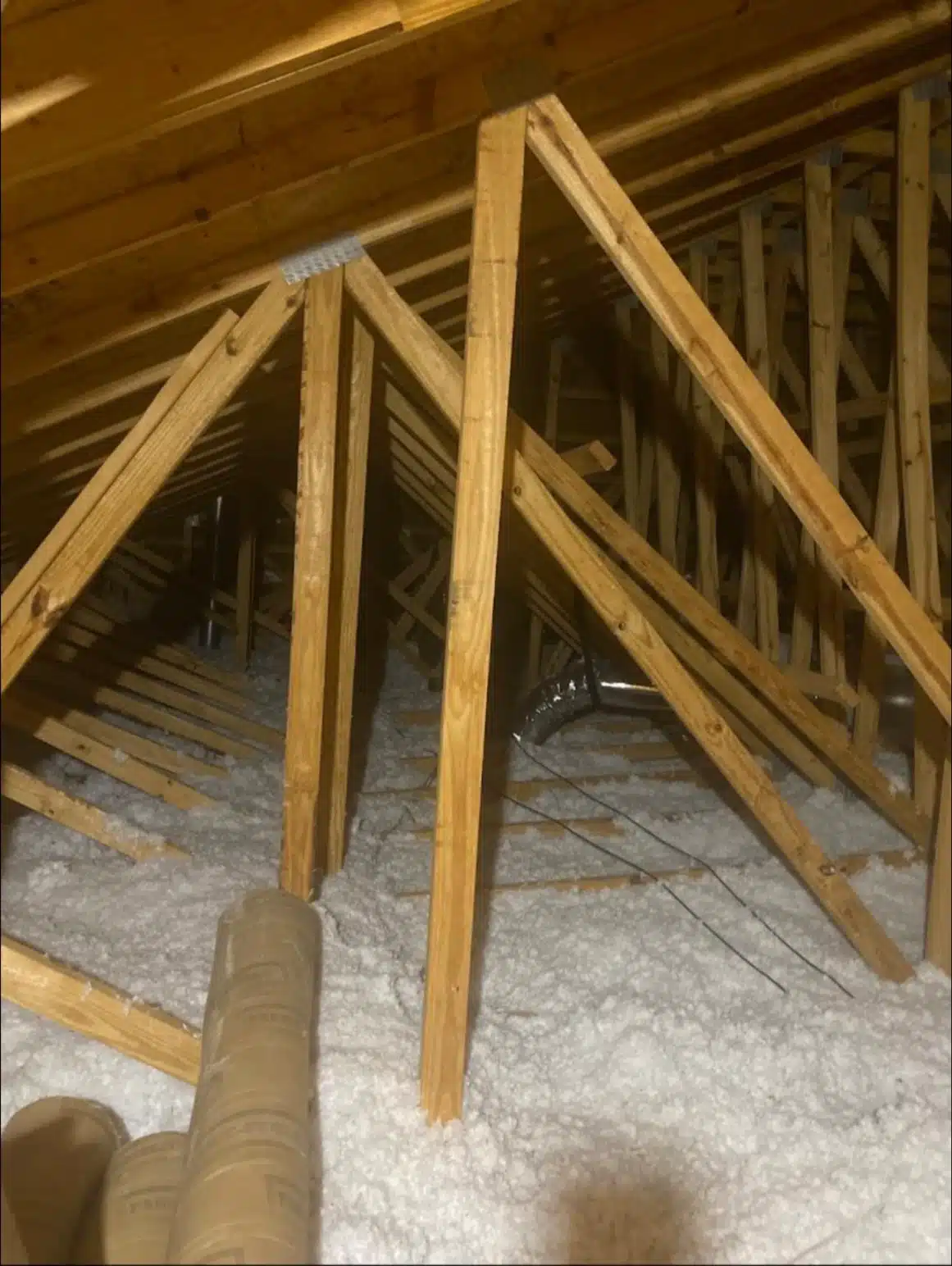
Step 1: Visual Inspection: Look into your attic through the access hatch. Note the depth and condition of existing insulation. Look for dark areas that may indicate dust accumulation or staining from past moisture issues. Check for gaps around vents, chimneys, and where wires enter the attic.
Step 2: Air Leak Identification: On a windy day, feel for drafts around light fixtures, ceiling fans, and wall outlets. These areas often reveal where air is leaking through the building envelope and potentially carrying insulation particles into living spaces.
Step 3: Professional Assessment: Schedule an evaluation with a qualified insulation contractor who can perform a comprehensive analysis, including checking insulation depth, identifying air leaks, and testing for air quality issues that may stem from insulation contamination.
Step 4: Targeted Solutions: Based on the assessment, determine whether air sealing alone can address the problems or whether insulation replacement or supplementation is needed. Sometimes adding new insulation over old, settled material provides the best solution, while other situations require the removal of contaminated insulation first.
Step 5: Maintenance Planning: After upgrading your insulation, establish a maintenance routine that includes checking attic conditions annually, ensuring bathroom and kitchen vents exhaust properly outside, and monitoring for signs of moisture intrusion.
Long-Term Benefits of Upgrading Your Insulation
Investing in insulation improvements delivers returns across multiple dimensions of home ownership.
Healthier Indoor Air: Removing contaminated insulation and sealing air leaks reduces the allergens, dust, and pollutants circulating through your home. Harvard research confirms that properly insulated homes result in fewer asthma attacks and reduced instances of respiratory ailments.
Lower Utility Costs: The Department of Energy states that properly insulating your home decreases heating and cooling costs by providing effective resistance to heat flow. Combined with air sealing, these improvements can reduce energy bills significantly.
Increased Comfort: Consistent temperatures throughout your home eliminate hot and cold spots that make certain rooms uncomfortable. Proper insulation and air sealing work together to maintain the uniform temperatures that ENERGY STAR identifies as a sign of good performance.
Improved Resale Value: Homes with documented insulation upgrades and energy efficiency improvements often command higher resale values. Buyers recognize the value of lower utility bills and better comfort.
Environmental Benefits: Harvard research found that properly insulated homes reduce pollution by decreasing the energy required to heat and cool them. Fewer lives lost to pollution-related respiratory issues and reduced asthma attacks result from widespread insulation improvements.
Get Expert Help for Your Insulation and Air Quality Concerns
Our team at Prestige Insulation Solutions LLC understands the connection between insulation condition and indoor air quality. We provide professional assessments that identify whether your dusty air problems stem from insulation issues, air leakage, or a combination of both.
Schedule a Consultation to discuss your specific symptoms, whether you are experiencing allergy flare-ups, persistent dust accumulation, or temperature inconsistencies. We will work with you to develop a targeted solution that addresses your particular situation.
Contact details:
Email: [email protected]
Phone: (850) 429-4969
Trust our experienced professionals to help you breathe easier and enjoy a more comfortable, efficient home. Contact us today to take the first step toward cleaner air and better insulation performance.
Sources
- ENERGY STAR – Recommended Home Insulation R-Values – Government-backed recommendations for insulation levels by climate zone, showing R-values needed for attics, floors, and walls in different regions.
- Department of Energy – Insulation Guide – Comprehensive information on how insulation works, R-value requirements, types of insulation materials, and the relationship between insulation and energy efficiency.
- Department of Energy – Insulation Fact Sheet – Detailed technical guidance on insulation types, installation methods, air sealing, and moisture control for existing and new homes.
- NAIMA/NAIMA Canada – Building Health and Safety – Industry association information on insulation’s role in maintaining healthy indoor air quality and proper installation practices.
- Harvard Study – Insulation and Public Health – Research findings demonstrating that properly insulated homes reduce pollution-related health problems,s including asthma attacks, respiratory ailments, and premature deaths.
Frequently Asked Questions
How do I know if my dusty air is coming from my insulation?
If you notice dust accumulating more quickly, experience increased allergy symptoms while at home, or see temperature variations between rooms, your insulation may be releasing particles. A professional inspection can confirm whether your insulation is the source of the problem.
Can old insulation make me sick?
Yes. Research from Harvard found that compromised insulation contributes to respiratory ailments, including asthma attacks. Old insulation can harbor mold spores, dust mites, pest droppings, and other contaminants that affect air quality and health.
Should I remove old blown-in insulation before adding new insulation?
A: In many cases, you can add new insulation over existing material, but this depends on the condition of the existing insulation. Saturated, moldy, or heavily contaminated insulation should be removed before adding new material. Our professionals can advise the best approach for your situation.
How long does blown-in insulation last before it needs replacement?
Blown-in insulation can last decades, but its performance degrades over time due to settling, moisture exposure, and contamination. If your insulation is more than 20 years old or shows signs of degradation, an assessment can determine whether replacement is needed.
Does sealing air leaks help with dusty air problems?
Yes. Air sealing prevents unfiltered outdoor air and insulation particles from entering your living spaces. Sealing gaps around lights, vents, and penetrations eliminates pathways that carry dust into your home.

- Everything You Need to Know About Professional Insulation Removal - October 7, 2026
- Which Insulation Upgrades Deliver the Best Long-Term Value in Bagdad, FL? - September 14, 2026
- How Does Blown-In Insulation in Gonzalez, FL Fill Gaps Better Than Traditional Materials? - September 14, 2026