The right time to upgrade your home’s insulation depends on a combination of its age, the materials originally installed, and visible warning signs of degradation. Homes built before modern energy codes took effect often have little to no insulation in walls and ceilings, while even newer homes can develop problems from moisture damage, pest activity, or settling over time. Understanding where your home falls on that timeline helps you prioritize upgrades that deliver the most comfort and energy savings, which is where complete insulation solutions become essential for long-term performance.
TL;DR
- Homes built before 1980 commonly have zero insulation in exterior walls and inadequate ceiling insulation well below current code requirements
- Fiberglass insulation lasts 80 to 100 years under ideal conditions, but can fail in 15 to 20 years due to moisture, pests, or settling
- Cellulose insulation typically degrades after 20 to 30 years without proper air sealing
- The EPA estimates homeowners save an average of 15% on heating and cooling costs by adding insulation and air sealing.
- According to ENERGY STAR climate zone savings data, northern climate zones see up to 18% savings on utility bills
- Common warning signs include drafty rooms, rising energy bills, ice dams, and visible moisture or pest damage
- Pre-1970 homes may have R-0 in walls and ceilings, making them the highest-priority candidates for upgrades
- Spring and fall are the most practical seasons to schedule insulation upgrades due to mild weather and contractor availability
How Home Age Determines Insulation Needs
The year your home was built is the single most important clue in deciding whether an upgrade is overdue. Building energy codes changed dramatically over the decades, and the standards for insulation evolved from virtually nothing to comprehensive whole-house requirements, making home insulation upgrades based on age a key factor in improving efficiency and comfort.
The Snohomish County Public Utility District published insulation standards by construction era that reveal a clear picture of what was required, or more often what was not, during each period:
| Era Built | Ceiling/Attic R-Value | Wall R-Value | Typical Reality |
|---|---|---|---|
| Pre-1970 | R-0 to R-11 | R-0 | Little to no insulation in walls or ceilings |
| 1970-1977 | R-11 to R-19 | R-11 | Minimal standards, often poorly installed |
| 1978-1992 | R-19 to R-30 | R-11 to R-13 | Gradual improvement but still below modern code |
| 1993-2003 | R-30 to R-38 | R-13 to R-19 | Meaningful improvement, but gaps remain common |
| 2004-2009 | R-38 to R-49 | R-13 to R-21 | Approaching modern efficiency standards |
| 2010 and newer | R-49 to R-60 | R-21 to R-38 | Near or at current code requirements |
Data compiled from the Snohomish County PUD Insulation Tables and the NAHB report on energy code evolution
This table tells a clear story. If your home was built before 1980, there is a strong chance it lacks the insulation needed to meet even the most basic modern efficiency standards. Even homes built in the 1990s often have insulation levels that fall short of today’s recommendations.
Understanding Insulation Lifespan by Material Type
Age alone is not the only factor. The material your home uses determines how well it holds up over decades. Here is what to expect from the most common residential insulation materials:
| Material | Expected Lifespan | Common Failure Causes |
|---|---|---|
| Fiberglass batts | 80 to 100 years | Moisture, compression, pest damage |
| Blown-in fiberglass | 15 to 20 years | Settling, moisture absorption |
| Cellulose | 20 to 30 years | Moisture, settling without air sealing |
| Spray foam (open-cell) | 20+ years | Improper installation, UV exposure |
| Spray foam (closed-cell) | 80+ years | Rarely fails unless installed incorrectly |
| Rigid foam boards | 50+ years | Physical damage, moisture intrusion |
Information sourced from the Build Labs insulation lifespan study and the IDI contractor reference guide.
The key takeaway here is that material longevity assumes ideal conditions. In real-world settings, insulation degrades faster due to roof leaks, humidity, and inadequate ventilation. Fiberglass in an attic that experiences moisture problems might need replacement far sooner than its theoretical lifespan.
Warning Signs Your Insulation Has Failed or Is Underperforming
Even if your home is newer, certain conditions can accelerate insulation failure. The Department of Energy recommends inspecting your insulation by checking the attic, walls, and floors adjacent to unheated spaces at least once every few years.
Watch for these indicators:
- Rising energy bills that cannot be explained by rate increases or weather patterns
- Drafty rooms or uneven temperatures between floors
- Ice dams forming along the roof edges in winter signal attic heat loss
- Visible mold or mildew on attic ceilings and walls
- Flattened, discolored, or damp insulation material
- Rodent droppings or nesting in attic spaces
- Cold floors, walls, or ceilings during extreme temperatures
- HVAC systems are running constantly but struggling to maintain comfort
Any combination of these signs means an inspection is overdue. Left unaddressed, failing insulation forces your HVAC system to work harder, shortens equipment life, and wastes money every month.
How to Evaluate Your Current Insulation
The Department of Energy’s guidance on existing home insulation outlines a straightforward inspection process homeowners can follow without special tools:
- Check the attic – Measure the depth of existing insulation and identify the material type
- Inspect exterior walls – Turn off power to an outlet, remove the cover, and use a flashlight to look behind the electrical box
- Check floors over unheated spaces – Look between floor joists in basements or crawlspaces
- Compare to current R-value recommendations – The DOE publishes recommended R-values for every climate zone
For a proper evaluation, the DOE recommends hiring a qualified home energy assessor. A professional whole-house energy audit includes infrared thermography, blower door testing, and a detailed report with prioritized upgrade recommendations according to the NAHB report on energy code evolution. Many utility companies offer free or subsidized energy audits.
What Upgrading Insulation Actually Saves You
The financial argument for insulation upgrades is well documented. According to ENERGY STAR’s methodology, the average U.S. homeowner saves 15% on heating and cooling costs, or about 11% on total energy costs, by air sealing and adding insulation to attics, crawlspaces, and basements.
Savings vary significantly by climate zone:
| Climate Zone | Total Bill Savings | Heating/Cooling Savings |
|---|---|---|
| Zones 5-8 (North) | 12-16% | 16-19% |
| Zone 4 | 12-13% | 17-20% |
| Zones 1-3 (South) | 5-8% | 7-14% |
Data from ENERGY STAR
Northern homeowners see the highest returns, where heating costs dominate utility bills. Southern homeowners benefit most during cooling months. In all regions, the payback period for insulation upgrades typically ranges from 5 to 10 years, making it one of the most cost-effective home improvements available.
Prioritizing Upgrades by Home Age
Different eras of construction call for different upgrade strategies.
Homes Built Before 1970
These homes are the most urgent candidates for a full insulation overhaul. Many have R-0 in both walls and ceilings, meaning there is effectively no thermal barrier between your living space and the outdoors. Priority upgrades include:
- Attic insulation to at least R-49 to R-60, depending on climate zone
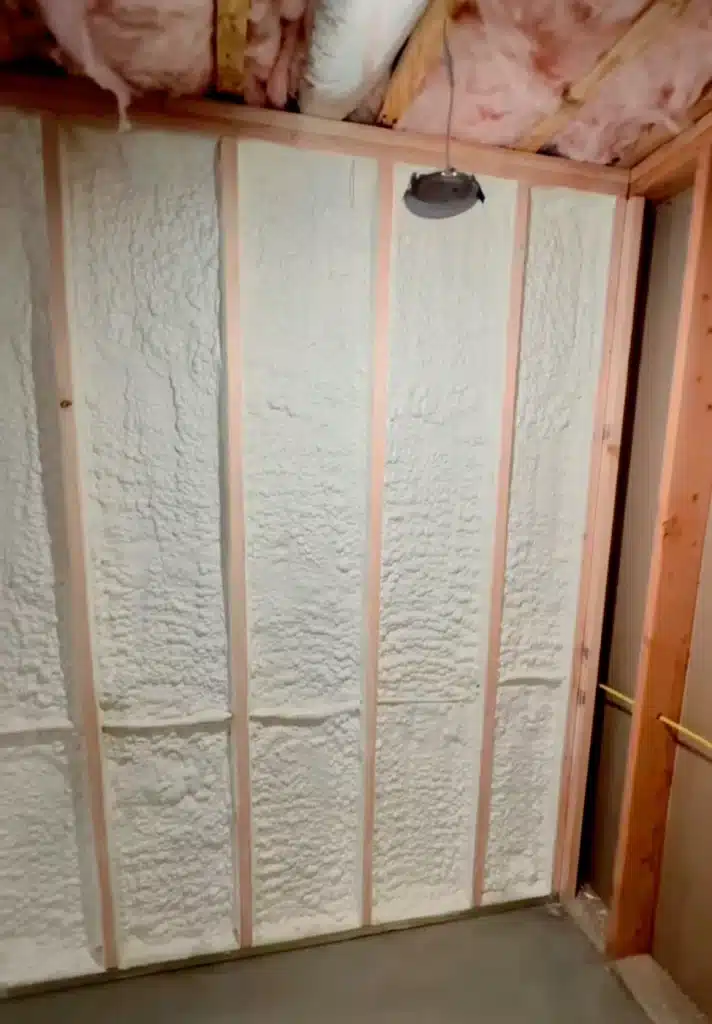
- Wall insulation via blown-in cellulose or injection foam
- Rim joist insulation in basements and crawlspaces
- Air sealing before adding insulation, as gaps and cracks undermine performance
Homes Built 1970-1999
These homes likely have some insulation, but at levels far below current code. The most effective approach is to add dense-pack blown-in insulation to existing wall cavities and top off attic insulation to current standards. The existing framing often limits wall cavity depth, so working with experienced contractors ensures the right material and technique.
Homes Built 2000-2010
These homes are closer to modern standards but often have gaps in coverage. Focus on areas builders commonly shortcut, such as above garages, bonus rooms over unconditioned spaces, and band joists. An energy audit can pinpoint exactly where upgrades offer the best return.
Homes Built 2010 and Newer
Even newer homes can have insulation problems from poor installation quality. Common issues include gaps around electrical boxes, compressed insulation from storage in the attic, and missing insulation in hard-to-reach areas. If you notice comfort problems, do not assume the insulation is adequate just because the home is relatively new.
Common Mistakes That Reduce Insulation Performance
Even a well-funded upgrade can underperform if contractors make these errors:
- Skipping air sealing before insulating. Air leaks account for a significant portion of energy loss, and adding insulation over unsealed cavities traps moisture and reduces effectiveness
- Blocking soffit vents when adding attic insulation disrupts needed attic ventilation
- Using the wrong material for the application, such as standard fiberglass batts in irregular wall cavities that need blown-in products
- Compressing insulation during installation, which reduces its R-value per inch
- Ignoring moisture control, which causes mold growth and structural damage over time
The Department of Energy explicitly advises homeowners to complete air sealing before adding insulation, noting that this sequence is essential for maximum performance.
When Is the Best Time to Schedule an Upgrade?
Timing matters for both cost and quality. Spring and fall offer the most favorable conditions for insulation work:
- Mild temperatures make attic and crawlspace work safer for crews
- Contractor availability tends to be better outside peak summer months
- Dry conditions prevent moisture problems during and after installation
- Utility incentive programs often have seasonal deadlines that align with these seasons
Winter installations are possible but may cost more and carry higher moisture risks during the curing process for materials like spray foam.
Signs You Have Found the Right Insulation Contractor
A quality insulation contractor will demonstrate these qualities from the first conversation:
- Performs a thorough inspection before quoting, including checking for moisture, ventilation issues, and existing insulation levels
- Recommends air sealing as part of the scope, not as an optional add-on
- Explains material choices clearly, including R-value, fire resistance, and moisture tolerance
- Provides a written proposal with material specifications, warranty information, and a clear timeline
- Offers blower door testing or energy auditing to verify results after the job
- Stands behind their work with a meaningful warranty on both materials and labor
A contractor who quotes over the phone without seeing your home is not one you want handling your insulation investment.
Get a Professional Assessment
If your home was built before modern energy codes, or if you have noticed comfort problems, rising bills, or visible damage to existing insulation, the next step is a professional evaluation. Prestige Insulation Solutions LLC provides comprehensive insulation assessments to help homeowners identify exactly where upgrades will deliver the best results.
Our team evaluates your existing insulation, identifies problem areas, and recommends the right materials for your home’s specific construction and climate zone. We handle everything from air sealing to blown-in and spray foam installation, and we back every project with a warranty you can count on.
Sources
- Department of Energy – Adding Insulation to an Existing Home – Federal guidance on inspecting, evaluating, and upgrading insulation in existing homes, including step-by-step inspection instructions.
- ENERGY STAR – Methodology for Estimated Energy Savings – EPA’s energy modeling data showing savings percentages by climate zone from insulation and air sealing upgrades.
- Snohomish County PUD – Insulation Tables by Home Era – Historical insulation R-value standards by decade of construction, showing the evolution from R-0 in pre-1970 homes to R-60 in modern construction.
- Build Labs – Insulation Lifespan & Durability Study – Research on expected lifespans of fiberglass, cellulose, and spray foam insulation materials under various conditions.
- NAHB – Residential Energy Codes Since the 1980s – Historical overview of how building energy codes have evolved and their impact on insulation requirements over time.
FAQs
Q: How do I know if my home has any insulation at all?
A: The most reliable way is to check behind an electrical outlet cover with a flashlight, or hire a professional energy auditor to perform a thermal scan and blower door test.
Q: Can insulation be added to existing walls without removing drywall?
A: Yes, blown-in cellulose or injection foam can fill existing wall cavities through small access holes drilled through the exterior or interior, preserving your walls.
Q: Is spray foam worth the higher upfront cost compared to fiberglass?
A: Spray foam offers superior air sealing and higher R-value per inch, which often justifies the investment in efficiency gains, particularly in hard-to-insulate areas.
Q: How long does a full insulation upgrade typically take?
A: Most whole-house insulation projects take one to three days, depending on the scope, accessibility, and materials chosen.
Q: Will upgrading insulation reduce my energy bills noticeably?
A: According to ENERGY STAR data, most homeowners see a 10 to 15% reduction in heating and cooling costs, with higher savings in homes with very poor existing insulation.

- What Should You Know Before Hiring Professional Insulation Removal Services in Pensacola, FL? - October 13, 2026
- Everything You Need to Know About Professional Insulation Removal - October 7, 2026
- Which Insulation Upgrades Deliver the Best Long-Term Value in Bagdad, FL? - September 14, 2026