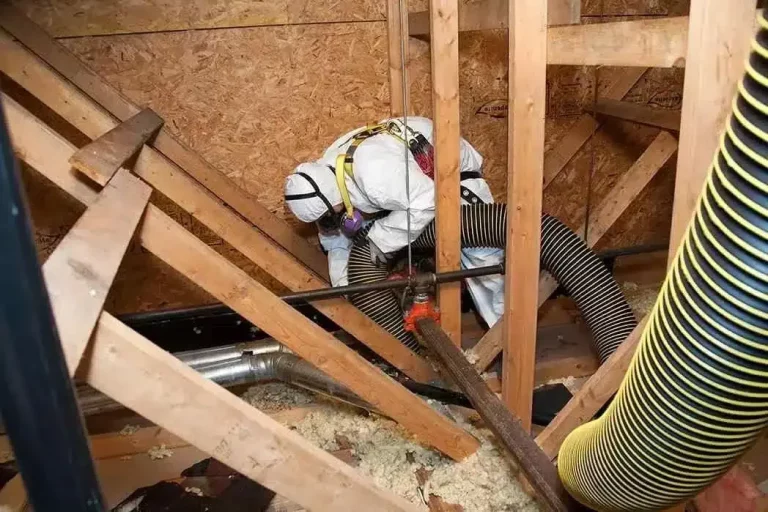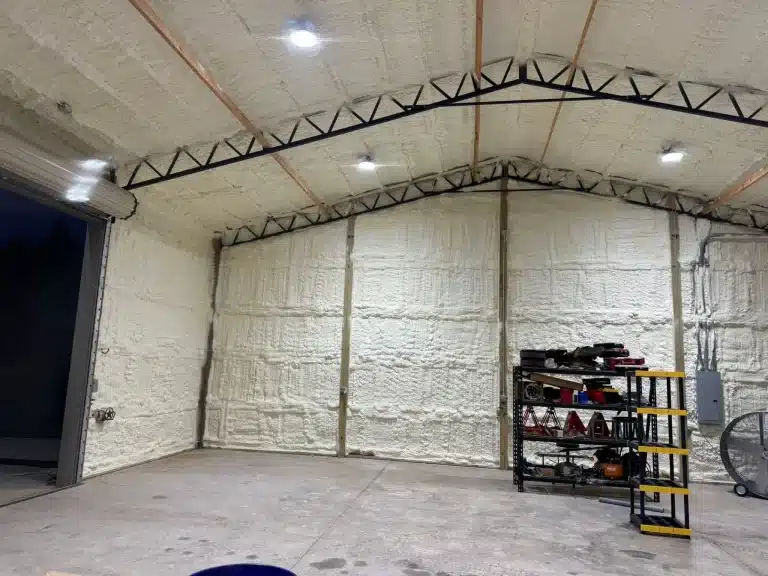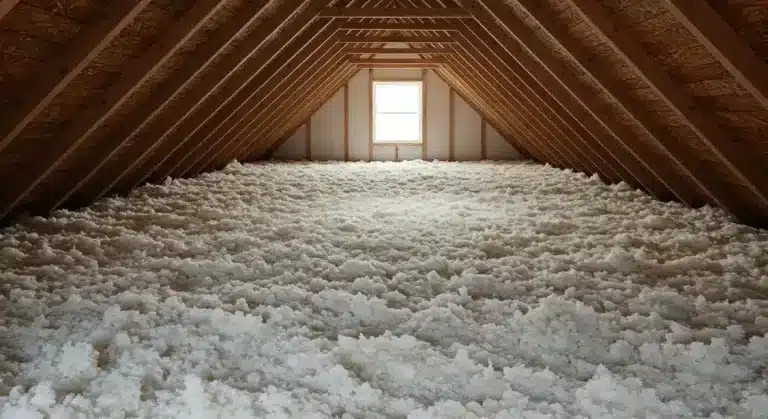
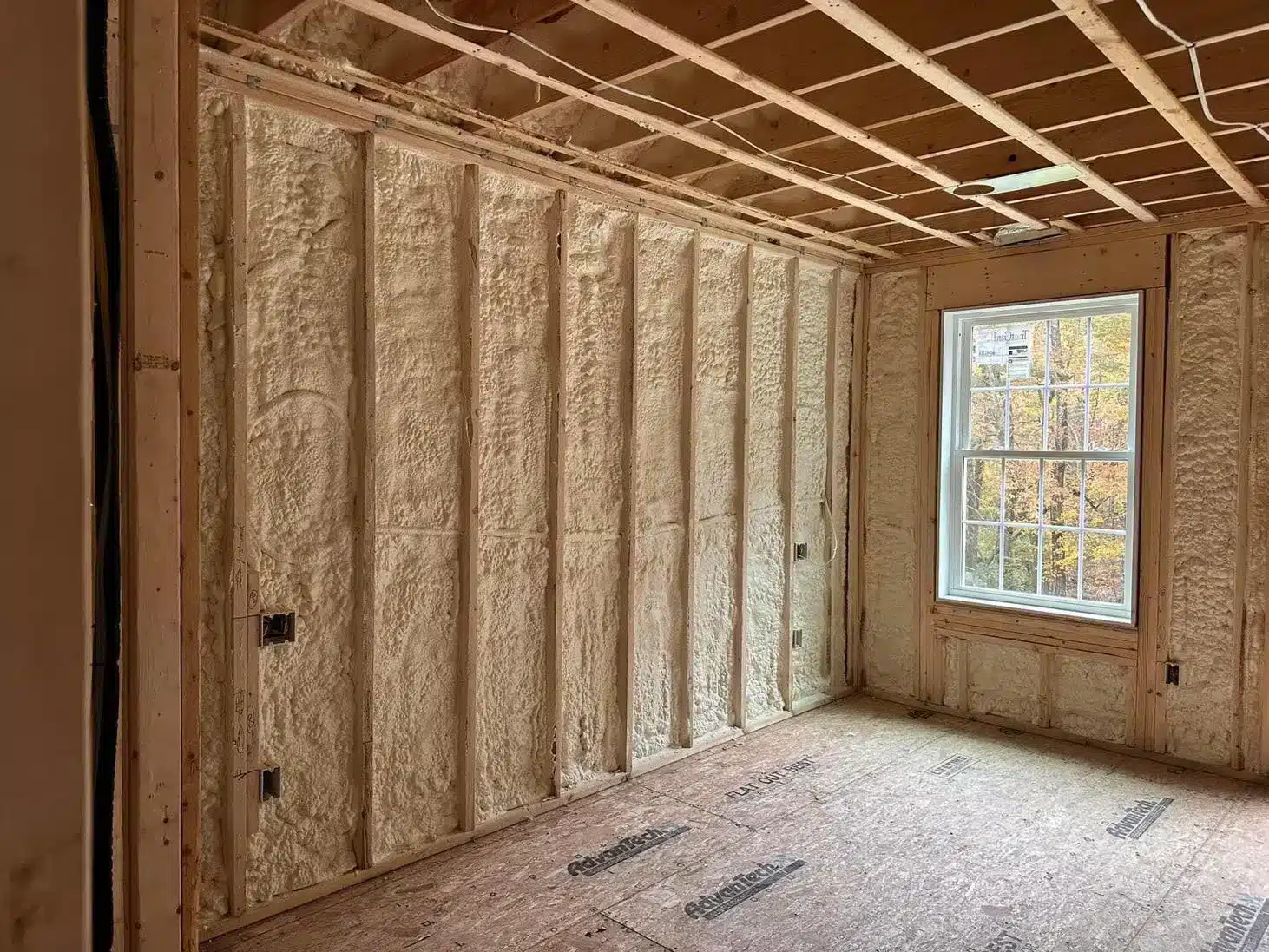
When spray foam insulation is applied by an untrained or inexperienced contractor, the consequences to your home can range from persistent chemical odors and poor energy performance to hidden moisture damage, structural wood rot, and indoor air quality problems that may not surface for years. The product itself is highly effective when installed correctly, but spray foam is unique among building materials because it is essentially manufactured on-site, mixing two reactive chemicals at the point of application. That means the skill, knowledge, and discipline of the person holding the spray gun directly determines whether the foam cures into a stable, high-performance insulation or becomes a source of long-term damage to your home and health. Following a residential spray foam insulation guide can help homeowners understand what proper installation involves before choosing a contractor.
TL;DR
- Spray foam that fails to fully cure can off-gas isocyanates and amines for weeks or longer, causing respiratory irritation and persistent odors in the home.
- An airtight spray foam envelope installed without mechanical ventilation traps indoor pollutants and humidity, creating conditions for mold growth and degraded air quality.
- Moisture trapped behind improperly applied foam leads to wood rot, structural decay, and hidden damage that often appears 8 or more years after installation.
- The EPA recommends homeowners vacate the premises for at least 24 hours after spray foam application, and curing times can vary significantly based on temperature, humidity, and application technique.
- The U.S. has no federal certification requirement for spray foam installers, meaning anyone with equipment can bid on your project regardless of training.
- Removing failed spray foam is extremely difficult and expensive, since the material bonds permanently to structural surfaces and can conceal damage behind it.
- Off-ratio mixing, improper substrate preparation, spraying over damp surfaces, and ignoring ambient temperature limits are among the most common installation errors.
- A qualified installer will perform test shots, verify substrate moisture, monitor chemical ratios, and walk you through a post-installation ventilation and re-occupancy plan before the job begins.
How Inexperienced Installation Creates Chemical Exposure Risks
Spray polyurethane foam (SPF) is formed by combining isocyanates (Side A) with a blend of polyols, flame retardants, blowing agents, and catalysts (Side B). The EPA warns that during application, inhalation exposures from vapors and aerosols typically exceed OSHA occupational exposure limits, which is why trained installers wear full protective suits and supplied-air respirators.
The danger to homeowners comes when the foam does not cure completely. Curing time depends on the type of product, the ratio of chemicals, foam thickness, ambient temperature, and humidity. The EPA notes that while some manufacturers recommend 24 hours for re-occupancy, curing rates are variable and not fully predictable. An inexperienced contractor may apply foam in conditions outside the manufacturer’s recommended range, use off-ratio mixing, or allow homeowners back inside before the foam has finished reacting. Understanding proper spray foam air sealing and moisture control is essential for avoiding these installation-related problems.
Once applied and fully cured, spray foam is considered relatively inert. But if the foam was improperly mixed or applied under poor conditions, unreacted chemicals may continue to off-gas isocyanates, amines, and other volatile compounds into the living space for an extended period. The CPSC fact sheet compiled from EPA, OSHA, NIOSH, and ASTM guidance advises homeowners to vacate during installation and for at least 24 hours afterward, and to seek medical attention immediately if they experience breathing problems or other adverse health effects.
Signs of Improper Curing
- Strong chemical or fishy odor persisting beyond the initial curing period
- Foam that remains sticky, soft, or crumbly instead of firm
- Homeowner respiratory symptoms, eye irritation, or skin sensitivity after re-occupancy
- Visible discoloration or shrinkage in the foam within days or weeks of application
If any of these signs appear, the EPA recommends working with the contractor to diagnose the problem or hiring an independent indoor air quality consultant. Potential Chemical Exposures From Spray Polyurethane Foam – EPA.
Moisture Trapping and Structural Damage
Spray foam creates a continuous air barrier when applied correctly, which is precisely what makes it such an effective insulator. That same property becomes a liability when the installation is flawed. Professional Home spray foam installation is critical because voids, gaps, delamination, or foam that pulls away from the substrate create pathways where warm, humid interior air can reach cold exterior framing and condense. The foam surrounding that point then traps the moisture against the wood, preventing it from drying out.
The Maine Indoor Air Quality Council documents that foam problems can result from improper substrate preparation, incorrect environmental conditions during installation, or applying foam to damp surfaces. Henri Fennell, a building envelope specialist with over 40 years of experience, notes that about 80% of the failures he investigates are caused by improper processing of the chemicals, not by the installation technique itself. Off-ratio foam, incorrect substrate temperatures, and failure to perform test shots before starting permanent installation are leading causes.
Building science consultant Peter Yost puts it simply: “We have to manage energy and moisture with equal intensity. If we just go after the energy and don’t recognize the moisture, we’re going to create problems.” A 2023 investigative report in VTDigger documented Vermont homeowners who discovered rotted roof decking, crumbling rafters, and mold growth years after spray foam was applied by contractors who did not follow building science principles. In one case, a contractor with 25 years of building experience found that the sheathing behind his vinyl siding had disintegrated into dust a decade after spray foam was installed.
How Rot Develops Behind Bad Spray Foam
- Warm indoor air carries moisture vapor through even tiny gaps or voids in the foam
- Vapor condenses on cold roof decking or wall framing behind the insulation
- Spray foam surrounding the condensation point prevents the wood from drying
- Over time, fungal growth breaks down the structural lumber
- Damage often goes undetected because the foam conceals the rot from visual inspection
Common Installation Mistakes and What They Mean for Your Home
| Installation Error | How It Happens | Consequence for the Home |
|---|---|---|
| Off-ratio chemical mixing | Blocked filters, worn equipment, cold or overheated chemicals | Foam is brittle, crumbly, or never fully cures; persistent off-gassing |
| Spraying over damp substrate | No moisture meter check, wet OSB or plywood | Poor adhesion, lower density foam, shrinkage and delamination |
| Ignoring temperature limits | Spraying below 40°F or on hot substrates (180°F+ roof decks) | Thermal shock, cracking, voids, poor bond to structure |
| Incorrect pass thickness | Piling on too much foam in one lift | Internal scorching, hidden voids, excessive shrinkage, fire risk |
| No test shots | Skipping verification before permanent application | Entire installation may be defective with no early warning |
| Wrong foam type for climate | Using open-cell in cold climates without vapor retarder | Moisture accumulation, condensation, mold, and wood rot |
The Building Science Corporation’s residential spray foam guide emphasizes that foam type selection must match the climate zone and building assembly. In IECC Climate Zones 5 and higher, only high-density closed-cell spray foam should be used in unvented attic assemblies, and open-cell foam requires an interior vapor retarder. An inexperienced installer may not understand these requirements or may default to whatever foam is cheapest or easiest to apply.
The Ventilation Problem: Too Tight, Too Fast
Spray foam can reduce air leakage to near-zero levels when installed thoroughly. While that is the goal for energy efficiency, it creates a serious problem if the home’s ventilation strategy is not updated at the same time. Cooking fumes, off-gassing from furniture and finishes, and everyday humidity from breathing, showering, and cooking all accumulate in a tight home with no escape path.
The CPSC and EPA both note that insulation is intended to seal a residence and can significantly decrease natural air exchanges, meaning emissions from SPF and other indoor sources can build up in a building. Spray Polyurethane Foam Insulation: Health and Safety Recommendations for Consumers – CPSC. Building Science Corporation’s guide recommends balanced ventilation systems for unvented conditioned attics to manage moisture and air quality GM-2102: Residential Spray Foam Guide – Building Science Corporation.
An inexperienced contractor may focus solely on insulating and air sealing without discussing mechanical ventilation, leaving the homeowner with a house that is energy-efficient but unhealthy.
Why Removal Is So Difficult
Spray foam adheres permanently to wood framing, concrete, sheathing, and virtually any surface it contacts. Once the foam bonds, there are no standard accepted removal methods according to the EPA, and disturbing cured foam can generate hazardous dust or release toxic emissions if heat is used during removal. Potential Chemical Exposures From Spray Polyurethane Foam – EPA.
This means homeowners who discover problems months or years later face a dilemma: leave the defective foam in place and live with the consequences, or invest in costly and invasive remediation that involves physically cutting away the material, repairing or replacing damaged framing, and reinstalling insulation and finishes. The VTDigger investigation documented remediation and repair costs that easily reach into the tens of thousands of dollars for affected homeowners: ‘I wanted to cry’: Devastating Risks of Spray Foam Insulation – VTDigger.
Signs You Have Hired the Right Contractor
A qualified spray foam installer demonstrates competence long before picking up the spray gun. Here are the indicators that separate experienced professionals from inexperienced operators:
- They discuss substrate moisture testing, ambient temperature requirements, and product selection specific to your climate zone before quoting the job
- They explain the re-occupancy timeline and ventilation plan clearly and put it in writing
- They perform test shots on a sacrificial surface and evaluate the results before beginning permanent application
- They carry manufacturer certifications, relevant trade association credentials, and adequate insurance
- They walk you through what to expect at each stage of the process and answer questions about risks and mitigation
- They recommend or coordinate mechanical ventilation upgrades when the foam will significantly tighten the building envelope
- They provide post-installation documentation including product information, Safety Data Sheets, and re-entry guidance
What to Do if You Suspect a Problem
If you believe your spray foam insulation was installed incorrectly or you are experiencing persistent odors, health symptoms, or moisture issues, the EPA and CPSC recommend the following steps:
- Contact the original contractor and request an inspection of the installation
- If the contractor is unresponsive, hire an independent indoor air quality consultant to assess the situation
- Seek medical attention if you experience respiratory problems or other health effects
- Contact your state or local consumer protection office or contractors licensing board if the issue is not resolved
- Do not attempt to remove or disturb spray foam yourself, as this can create hazardous dust and chemical exposure
Get Professional Spray Foam Installation You Can Trust
Protecting your home from the risks of poor spray foam installation starts with choosing a contractor who understands the science behind the material. Prestige Insulation Solutions LLC brings the training, experience, and attention to detail that spray foam demands, from proper substrate preparation and chemical ratio monitoring to correct foam selection for your climate zone and ventilation planning. We take every precaution to ensure your insulation performs as intended and your home stays safe and comfortable for years to come.
Call us at (850) 429-4969 or email [email protected] to discuss your insulation project. We are ready to evaluate your home, recommend the right approach, and deliver results you can count on.
Frequently Asked Questions
Can I stay in my home during spray foam insulation installation?
No. Both the EPA and CPSC recommend that all occupants, including pets, vacate the premises during application and for at least 24 hours afterward while the foam cures and off-gasses.
How do I know if my spray foam was installed incorrectly?
Warning signs include persistent chemical odors, foam that is sticky or crumbly to the touch, visible gaps or delamination from surfaces, unexplained moisture on windows or walls, and respiratory symptoms in household members.
Does spray foam insulation cause mold?
Spray foam itself does not cause mold, but improper installation that traps moisture inside walls, attics, or roof assemblies can create the damp conditions where mold thrives. Correct installation with proper ventilation prevents this.
Is there a certification required for spray foam installers?
There are no federally mandated training or certification requirements for spray foam installers in the United States. Some trade organizations offer voluntary certification programs, but enforcement varies widely.
Can bad spray foam insulation be removed and redone?
Removal is possible but extremely difficult, invasive, and expensive because spray foam bonds permanently to structural surfaces. The EPA notes there are no standard accepted removal practices, and disturbing cured foam can create hazardous conditions.
Sources
- Potential Chemical Exposures From Spray Polyurethane Foam – U.S. EPA – Comprehensive EPA resource on chemical exposure routes, curing variability, off-gassing concerns, and safe re-occupancy guidance for spray polyurethane foam insulation.
- Spray Polyurethane Foam Insulation: Health and Safety Recommendations for Consumers – U.S. CPSC – Consumer-facing fact sheet compiled from EPA, OSHA, NIOSH, and ASTM guidance covering safety protocols, contractor selection, and steps for homeowners who experience problems.
- GM-2102: Residential Spray Foam Guide – Building Science Corporation – Technical guide by Dr. Joseph Lstiburek covering proper spray foam application in walls, roofs, and foundations with climate zone-specific recommendations based on International Residential Code requirements.
- ‘I wanted to cry’: Devastating Risks of Spray Foam Insulation Hidden from Vermont Homeowners – VTDigger – Investigative journalism report documenting real cases of moisture damage, structural rot, and remediation costs resulting from poor spray foam installation practices.
- Why We Have Spray Foam Problems – Maine Indoor Air Quality Council – Detailed technical article by building envelope specialist Henri Fennell covering processing failures, off-ratio mixing, substrate conditions, and the lack of industry installation standards.

- Everything You Need to Know About Professional Insulation Removal - October 7, 2026
- Which Insulation Upgrades Deliver the Best Long-Term Value in Bagdad, FL? - September 14, 2026
- How Does Blown-In Insulation in Gonzalez, FL Fill Gaps Better Than Traditional Materials? - September 14, 2026