Blown-in vs fiberglass insulation comes down to your space. Loose-fill fills gaps and odd shapes better, so it usually wins in attics with obstructions. Blown-in insulation services can help address these areas effectively. Fiberglass batts cost less and work well in open, standard framing. Pick by space, depth, and air sealing, not by brand. Below, we break down R-value, cost, and installation so you can choose with confidence.
TL;DR
- Loose-fill suits attics, tight spots, and top-ups.
- Batts suit open, standard framing and often cost less.
- Air sealing matters as much as the material.
- Compare quotes by finished R-value, not price alone.
What Sets These Two Materials Apart
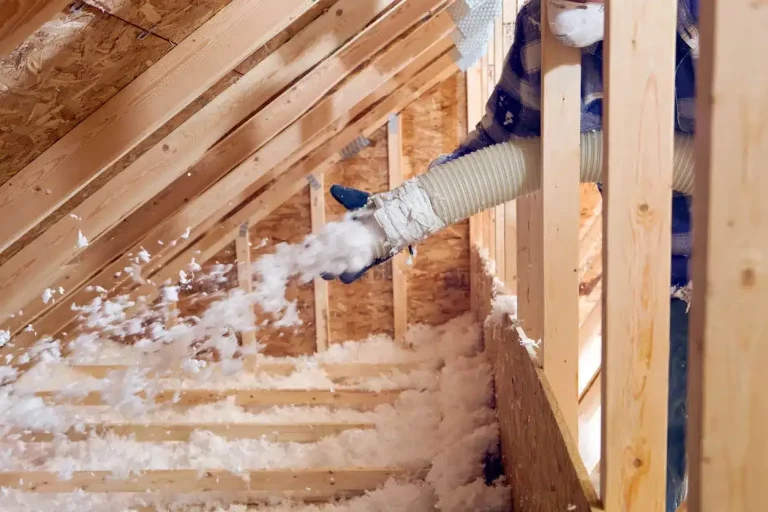
Both products slow heat flow, but they get into your home differently. Batts are pre-cut blankets you fit by hand, while loose-fill is blown in with a machine.
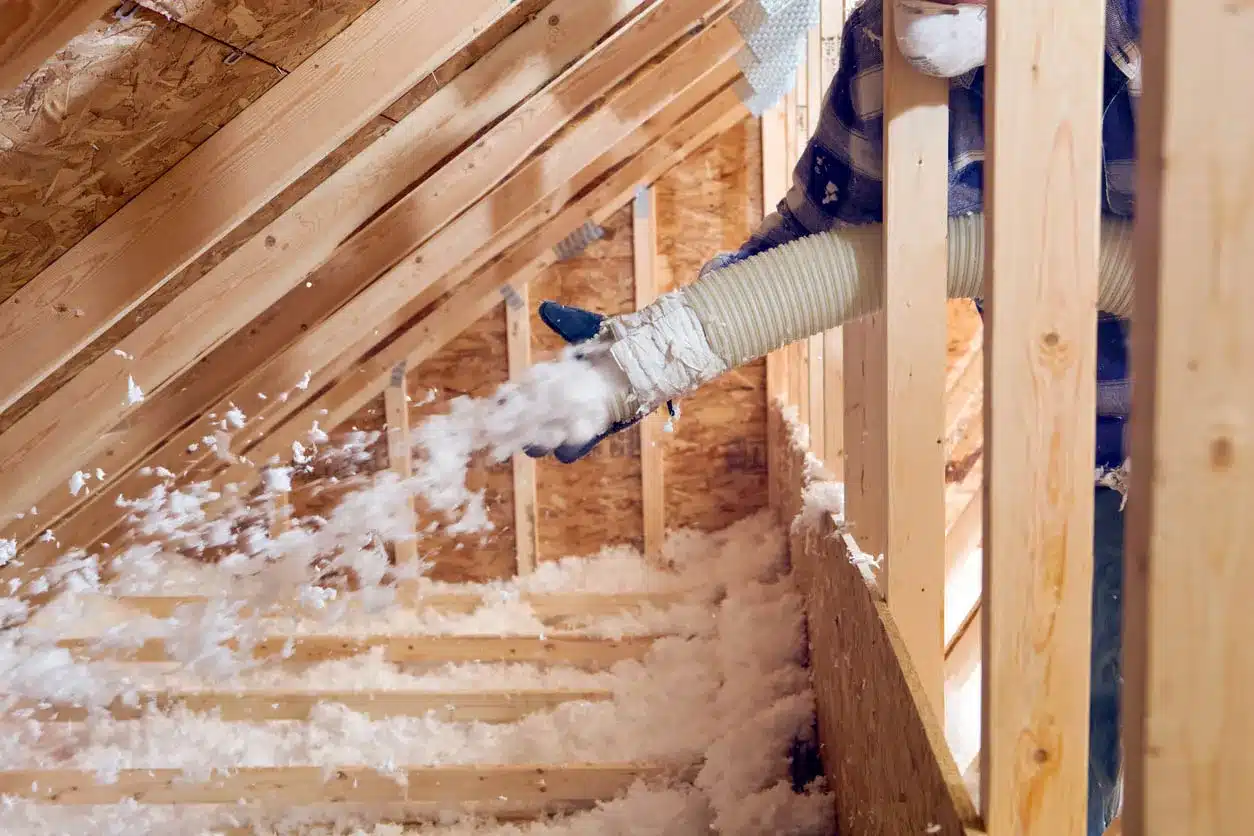
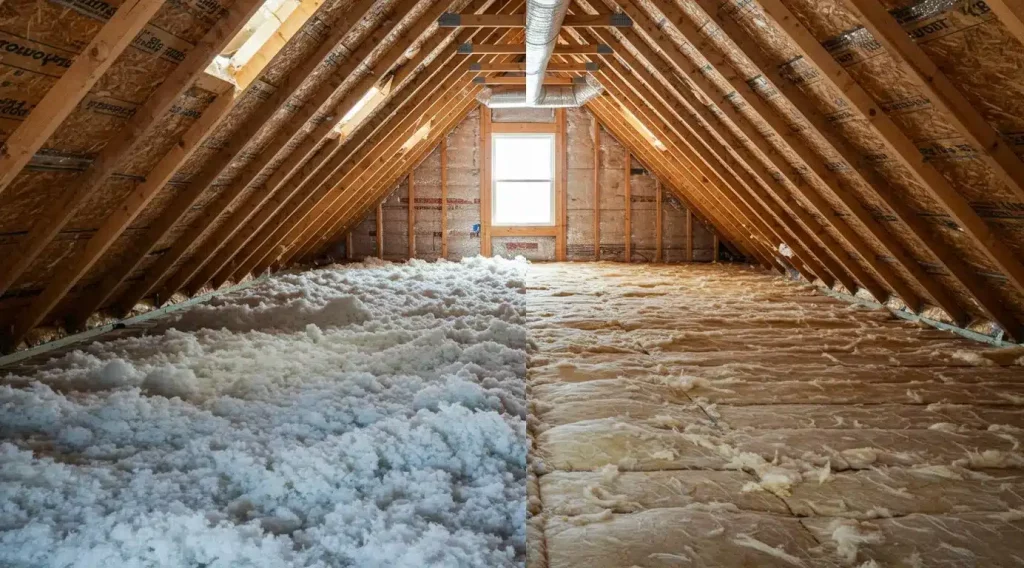
When we compare blown-in insulation vs. fiberglass, installation is the biggest difference. According to Energy.gov, loose-fill conforms to any space, which suits retrofits and hard-to-reach spots. Batts work best where spacing is standard and free of obstructions.
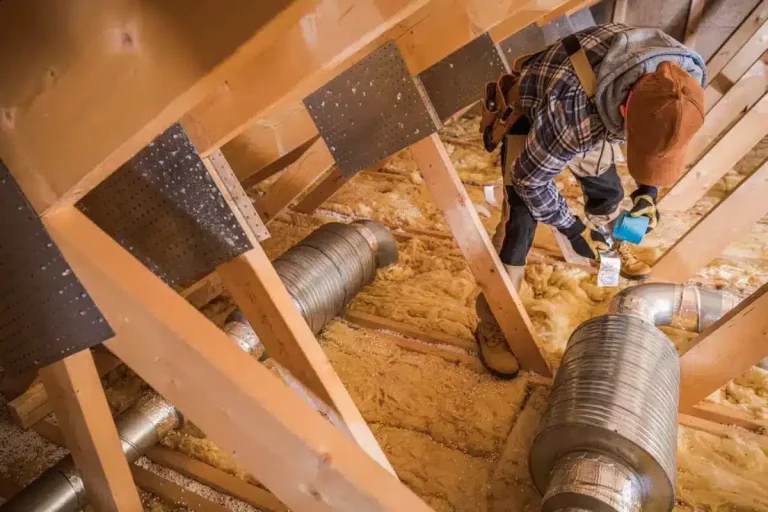
Think of fiberglass vs. blown-in insulation as a fit question. Green Building Advisor points out that cavities vary in width and hold wiring, boxes, and blocking, so batts struggle to fill every void. Blown material fills odd-shaped cavities.
Blown-in fiberglass insulation is made of chopped glass fibers, and some versions include an adhesive. It avoids the moisture trouble that cellulose can have.
Blown-in cellulose insulation is the other common loose-fill choice. Fine Homebuilding notes it’s mostly ground newspaper treated with a fire retardant, and it resists airflow better than fiberglass. The downside is that it absorbs water, so a roof or plumbing leak can go unnoticed longer.
How R-Value Compares
R-value measures resistance to heat flow, and higher is better. Density and depth change the number, so compare the finished R-value, not inches.
Blown-in insulation R-value depends heavily on density. Fine Homebuilding lists blown fiberglass at R-2.2 to R-4.2 per inch and cellulose at R-3.2 to R-3.8 per inch.
Fiberglass insulation R-value is lower per inch when it’s laid loose on an attic floor, about R-2.2 to R-2.7 according to the same guide. That can mean a layer 16 to 26 inches deep, so check your headroom at the eaves first.
Benefits of Each Option
Each material earns its place in the right house. Here’s where each one shines.
Blown-in insulation benefits include full coverage around wiring, pipes, and framing. It also tops up existing attic material easily when the old layer is dry and in good shape.
Fiberglass insulation benefits start with price and simplicity. Energy.gov calls batts relatively inexpensive and DIY friendly. Neat cutting takes patience, though, since gaps and squashed batts cut performance.
| Factor | Loose-Fill | Fiberglass Batts |
|---|---|---|
| Best for | Attics, retrofits, odd cavities | Open, standard framing |
| Fit | Fills gaps and voids | Needs careful cutting |
| Install | Machine, usually a pro | DIY possible |
| Watch for | Cellulose settling and moisture | Gaps and compression |
What About Cost?
Price swings with R-value, access, and material. Quotes for the same job can look very different.
Blown-in insulation cost vs. fiberglass batts depends on the job. Fine Homebuilding puts attic loose-fill to R-38 at about $1.50 to $2 per square foot for cellulose and $1.95 to $2.25 for fiberglass, based on 2022 prices. Energy.gov warns that quotes for one R-value can differ by more than a factor of two, so get several written estimates.
Which One Should You Pick for Your Attic?
The right pick depends on what’s in your attic and how well it’s sealed. A good install of either material beats a sloppy install of the other.
The best insulation for homes is whichever type gets installed to the right depth with air leaks sealed first. Energy.gov recommends sealing leaks before insulating, then measuring depth and checking for gaps afterward.
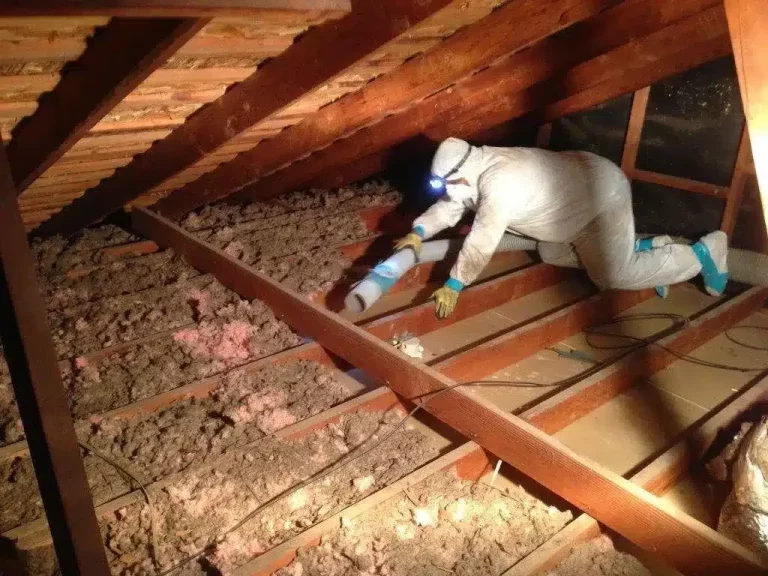
Among attic insulation types, loose-fill generally suits floors crowded with wiring and ducts. Batts suit clean, open joist bays. Use this checklist:
- Space: Open, standard bays favor batts. Cluttered or irregular areas favor loose-fill.
- Depth: Confirm eave headroom before choosing a deep fiberglass layer.
- Moisture: Fix leaks before adding cellulose.
- Air sealing: Seal gaps and penetrations first.
- Quotes: Ask for the target R-value in writing.
Get a Free Quote From Prestige Insulation Solutions
Not sure which material fits your attic? Our team will look at your space and explain your options in plain terms. Prestige Insulation Solutions offers a free quote, so you can compare real numbers before you decide.
- Phone: (850) 429-4969
- Email: [email protected]
Frequently Asked Questions About Choosing Attic Insulation
Can You Blow New Insulation Over Old Insulation?
Often yes, if the old material is dry and in good shape. It should be checked for moisture and damage first, because wet insulation needs replacing.
Does Loose-Fill Insulation Settle?
Cellulose can settle over time, and fiberglass settles less. Installers allow for this by adding depth to reach the final R-value.
Can I Install It Myself?
Batts are a common DIY job. Loose-fill needs a blowing machine and some skill with density.
Will Loose-Fill Insulation Block My Attic Vents?
It can if it’s installed carelessly or shifts in wind. Ask your installer how they’ll keep eave vents clear.
Is Loose-Fill Fiberglass Fireproof?
Glass fibers are noncombustible on their own, while cellulose is treated with a fire retardant. Keep any insulation clear of heat sources like chimneys and follow the product label.
Sources
- Energy.gov, Types of Insulation – loose-fill fit, batt use, quote variation, and sealing air leaks first.
- Fine Homebuilding, Buyer’s Guide to Blown-in Insulation – R-values, per-square-foot costs, and cellulose traits.
- Green Building Advisor, Blown-In or Loose-Fill Insulation – how blown material fills irregular cavities better than batts.

- Blown-In vs Fiberglass Insulation: Which One Fits Your Attic? - November 13, 2026
- How Much Does Professional Insulation Removal Cost, and Which Factors Affect the Final Price in Pea Ridge, FL? - November 4, 2026
- What Is the Difference Between Partial and Complete Insulation Removal for Residential Properties in Pensacola, FL? - November 4, 2026