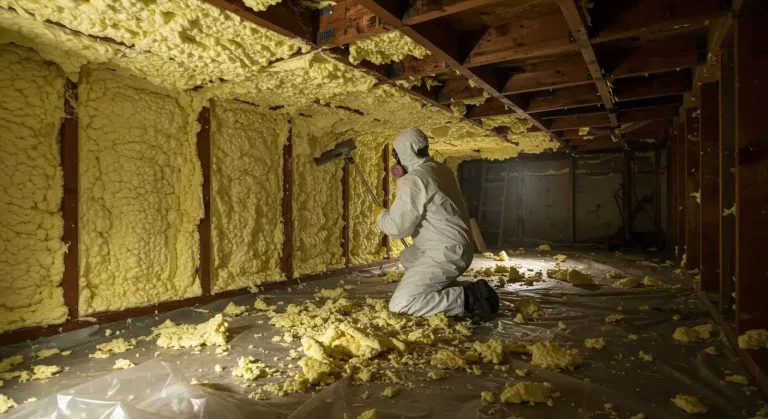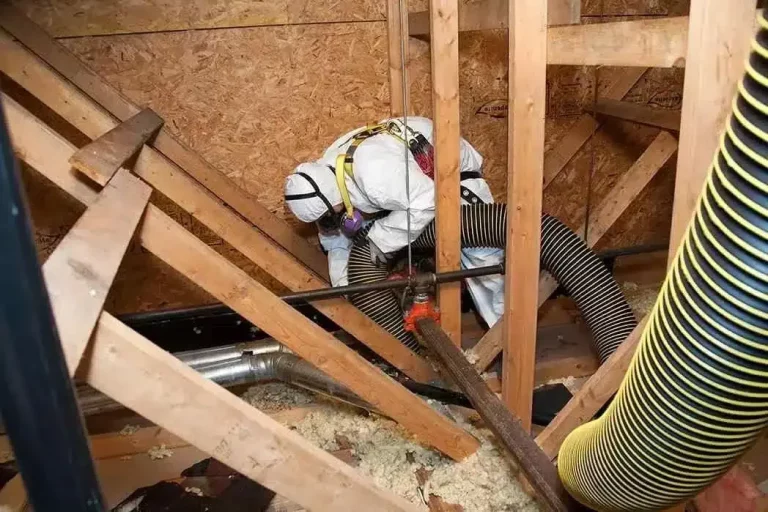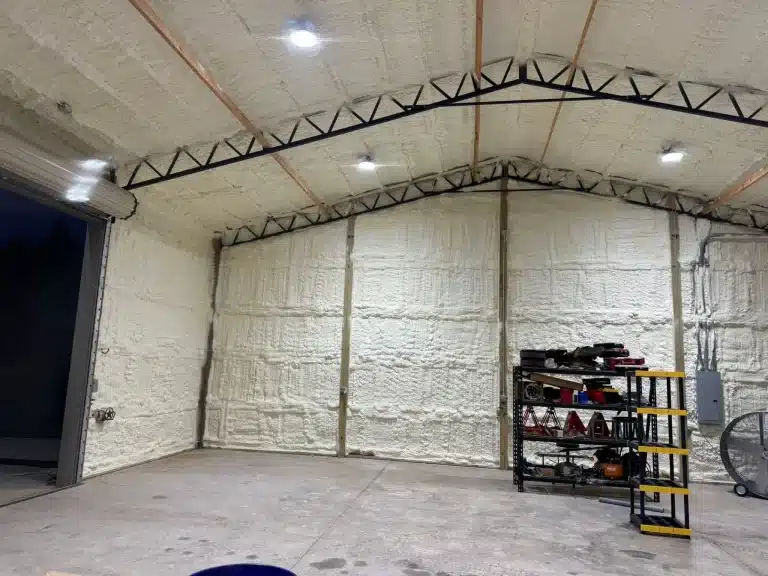
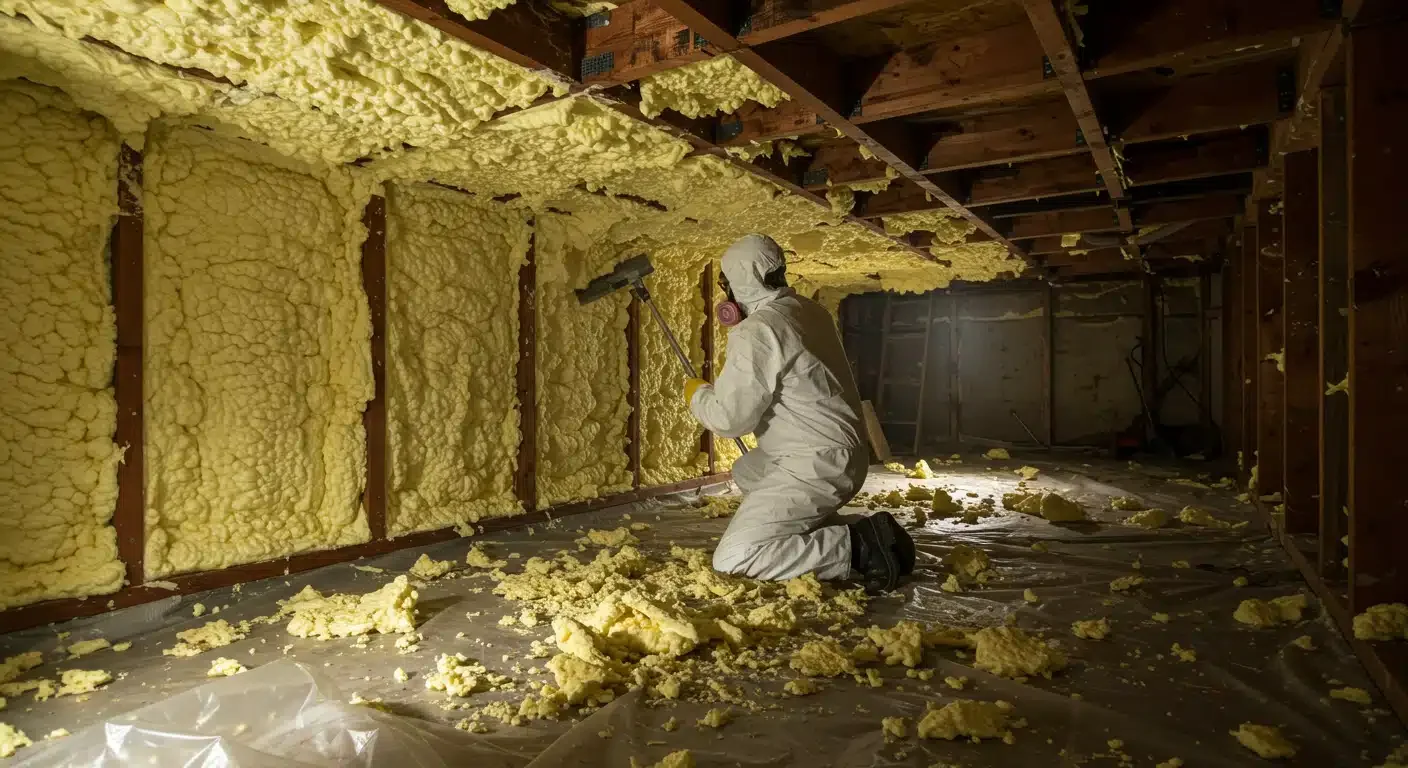
You don’t always need to remove old insulation before adding new insulation. The choice depends on its condition, especially if it is wet, moldy, contaminated by animal waste, badly deteriorated, or blocking attic work. The insulation removal guide explains when removal makes sense because the existing material can no longer remain safely or effectively in place.
Before hiring a contractor, find out why removal is needed, what the quote includes, and how they’ll handle contamination.
TL;DR
- Old insulation doesn’t automatically need to be removed. ENERGY STAR says existing insulation can often remain unless it is wet, moldy, smelly, or contaminated.
- Address moisture and contamination before installing new insulation.
- Vermiculite needs special caution because it may contain asbestos.
- Your estimate should spell out removal, cleanup, disposal, and replacement.
- Pensacola homeowners should pay close attention to moisture sources.
When Does Existing Insulation Need to Be Removed?
Age alone doesn’t tell us whether insulation should come out. We need to look at its condition and what is happening around it.
If insulation is wet, moldy, badly contaminated, or affected by animal waste, removal may be appropriate. ENERGY STAR says existing attic insulation usually doesn’t need removal before adding new insulation unless it is wet, moldy, smelly, or contains animal waste. Insulation removal services can help address existing insulation that no longer meets safe or effective performance requirements.
Seeing old insulation doesn’t automatically mean you need to empty the attic. If water caused damage, the moisture source needs attention. If animals entered the attic, the entry point and contamination need to be addressed.
Should You Remove Old Insulation or Add New Insulation Over It?
This is one of the first decisions.
In a clean, dry attic, adding insulation over existing material may make more sense than removing it. ENERGY STAR’s attic insulation guidance explains that contractors can generally add insulation over old material when it isn’t wet, moldy, smelly, or contaminated with animal waste.
| Existing Condition | Next Step |
|---|---|
| Dry and reasonably sound | Assess whether more insulation is needed |
| Clean and uncontaminated | Removal may not be necessary |
| Wet or water-damaged | Correct the moisture problem first |
| Moldy or persistently damp | Assess the material and moisture source |
| Animal waste present | Address contamination and affected insulation |
| Suspected vermiculite | Do not disturb it; seek qualified asbestos guidance |
A removal quote should explain why removal is recommended, not just provide a price. It should also show which parts of the project are included and which are separate before work begins.
What Safety Issues Should You Check Before Insulation Removal?
Safety concerns depend on the material and attic conditions. Ordinary insulation isn’t the same situation as material affected by rodents, mold, or suspected asbestos.
Mold, Moisture, and Rodent Contamination
If moisture damaged the insulation, the source should be identified and corrected before re-insulation.
Rodent contamination also needs careful handling. The CDC’s guidance on cleaning after rodents explains that contaminated insulation and rodent waste require care and warns against sweeping or vacuuming rodent waste because this can put contaminated material into the air.
Ask whether cleanup is included in the scope.
Vermiculite and Suspected Asbestos
Vermiculite requires a different approach. Some vermiculite insulation may contain asbestos, so don’t disturb it just to identify it.
EPA guidance on vermiculite insulation recommends leaving suspected vermiculite undisturbed and using a trained, accredited asbestos professional if removal is necessary.
If suspected vermiculite is found, clarify who is qualified to handle it.
What Happens During Professional Insulation Removal?
The process depends on the insulation type, layout, and condition. It should begin with an assessment.
We’d expect the contractor to:
- Inspect the insulation and identify its type and condition.
- Check for moisture or contamination that affects the work.
- Explain the removal scope, including areas being cleared.
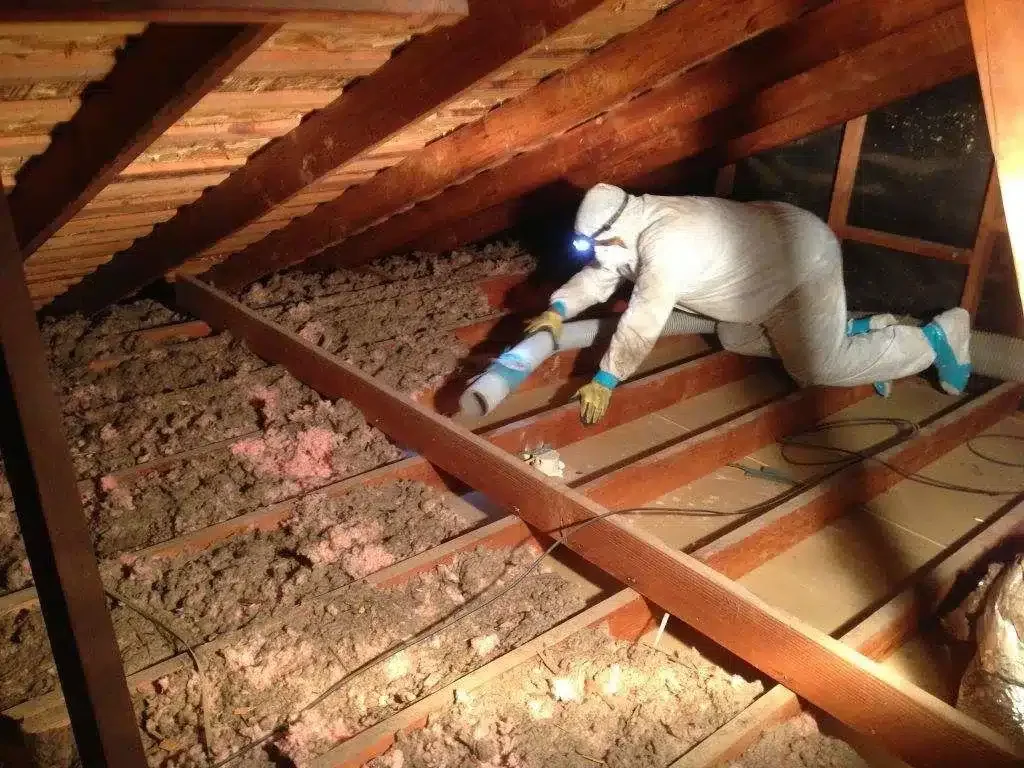
- Remove and collect the material using methods suited to the site.
- Clean the work area if included in the agreed scope.
- Handle disposal according to applicable requirements.
- Inspect the exposed area before replacement or other attic work.
Hazardous materials can change this process. Do not treat suspected asbestos-containing vermiculite like ordinary insulation.
Get the scope in writing so removal, cleanup, disposal, air sealing, and replacement aren’t confused with separate services.
What Can Affect the Cost of Insulation Removal?
There isn’t one useful price for every Pensacola home. The estimate depends on the property and the work involved.
Cost can change based on:
- Attic size: More area means more material to handle.
- Insulation type: Materials can require different removal methods.
- Accessibility: Tight attic spaces can make removal more involved.
- Contamination: Animal waste or moisture damage can add work.
- Disposal: Material type and quantity affect handling.
- Additional repairs: Moisture problems may need attention first.
- Replacement: New insulation may be priced separately.
Compare the scope behind each estimate, not just the price.
What Should You Ask Before Hiring an Insulation Removal Contractor?
Before approving work, ask:
- Why does my insulation need to be removed?
- Can any of it safely remain?
- What type of insulation is present?
- What areas are included?
- Is cleanup included?
- Is disposal included?
- Will you check for moisture or contamination?
- Are air sealing or replacement insulation separate?
- What happens if you find suspected asbestos or vermiculite?
- What is included and excluded in the written estimate?
These questions help compare contractors based on the actual work. Understand the reason for removal before paying to correct it.
What Should Pensacola Homeowners Consider Before Removal?
Pensacola’s Gulf Coast setting makes moisture worth checking during an insulation assessment. Local climate records from the National Weather Service show that Pensacola receives substantial rainfall throughout the year, with rainfall varying by month. Read our customer reviews to learn about customers’ experiences with our insulation services.
That doesn’t mean every Pensacola home has damaged insulation. We shouldn’t overlook leaks, water intrusion, condensation, or other moisture sources when removal is being considered.
What Happens After the Insulation Is Removed?
Removal is only one part of the project.
After removal, the exposed area can be checked for hidden problems. Moisture or contamination should be addressed before new insulation is installed.
Then we can determine whether replacement insulation or other attic work is needed.
Get Help With Insulation Removal in Pensacola, FL
If you’re unsure whether your insulation should be removed, Prestige Insulation Solutions can help determine the next step.
Call (850) 429-4969 or email [email protected] to discuss your insulation removal needs.
Frequently Asked Questions About Insulation Removal
Can New Insulation Be Installed Over Old Insulation?
Yes, in some situations. If existing insulation is dry, reasonably clean, and suitable, removal may not be necessary. ENERGY STAR says contractors can generally add insulation over existing material unless it is wet, moldy, smelly, or contaminated with animal waste.
How Long Does Professional Insulation Removal Take?
The timeframe depends on the amount and type of insulation, attic access, contamination, and cleanup and disposal requirements. We wouldn’t give a fixed timeframe without seeing the space.
What Happens If a Contractor Finds Vermiculite?
Don’t disturb it casually. EPA recommends treating vermiculite as potentially contaminated with asbestos and using a trained, accredited asbestos professional if removal is needed.
Is Insulation Removal the Same as Mold Remediation?
No. Removing damaged insulation and addressing mold or its moisture source are related but different tasks. The moisture source still needs correction, and cleanup depends on the affected materials and extent of the problem.
Should I Get More Than One Insulation Removal Estimate?
For a significant project, compare written estimates for removal, cleanup, disposal, additional work, and replacement, not just price.
Sources
- ENERGY STAR: Attic insulation guidance.
- U.S. Environmental Protection Agency: Vermiculite and asbestos guidance.
- Centers for Disease Control and Prevention: Rodent cleanup guidance.
- National Weather Service: Pensacola climate information.

- What Should You Know Before Hiring Professional Insulation Removal Services in Pensacola, FL? - October 13, 2026
- Everything You Need to Know About Professional Insulation Removal - October 7, 2026
- Which Insulation Upgrades Deliver the Best Long-Term Value in Bagdad, FL? - September 14, 2026