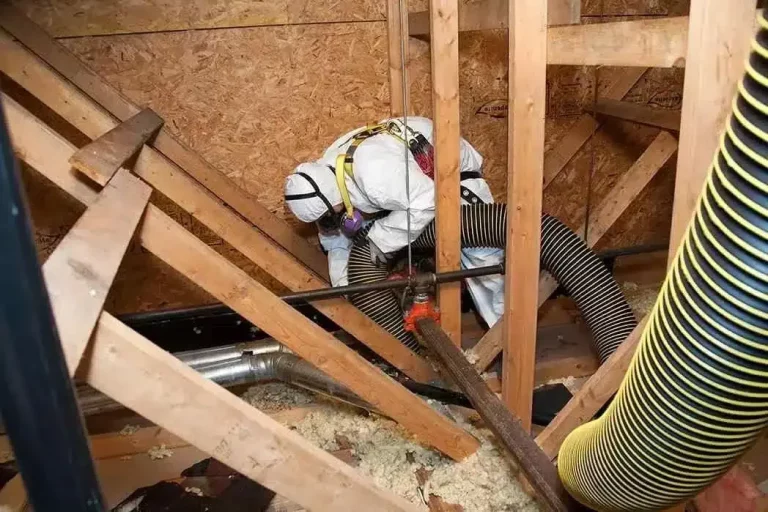
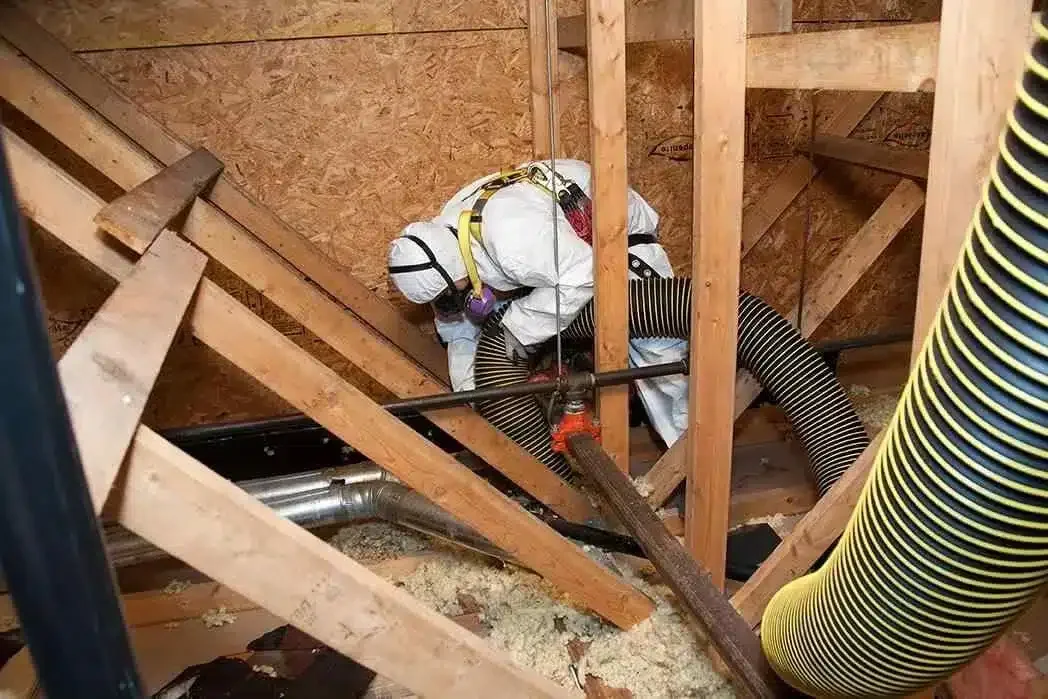
Professional insulation removal involves inspecting the existing material, identifying problems or hazards, removing it with suitable equipment and containment, cleaning the area, and preparing the space for the next insulation system. Insulation removal company can help when insulation is damaged, contaminated, heavily soiled, wet, moldy, or needs to come out for renovation.
The important part is that not every old insulation system needs to be removed. The material, condition, location, and reason for removal all affect the right approach. Some materials also require special handling. For example, the EPA recommends leaving vermiculite insulation undisturbed because it may contain asbestos.
TL;DR
- Old insulation doesn’t automatically need to be removed.
- Damaged, wet, moldy, contaminated, or disturbed insulation may need professional attention.
- Fiberglass, blown-in insulation, spray foam, and other materials require different removal methods.
- Insulation removal can expose workers to dust, fibers, contaminants, or hazardous materials.
- Vermiculite insulation should not be disturbed until the asbestos risk has been addressed.
- A proper job includes removal, cleanup, inspection of the exposed area, and planning for replacement when needed.
Why Might Insulation Need to Be Removed?
Old insulation can remain in place for years without creating a reason for removal. The decision changes when the material no longer serves its purpose or the area needs to be opened for other work.
Common reasons include:
- Water damage: Wet insulation can lose its intended performance, and moisture can create conditions for mold growth. The EPA’s mold guidance states that wet or moldy insulation inside insulated ductwork should be removed and replaced because it cannot be effectively cleaned.
- Mold or contamination: Insulation that has been affected by moisture, pests, or other contaminants may need to come out rather than simply being covered.
- Renovation: Remodeling may require access to walls, ceilings, attics, or other insulated areas.
- Severe deterioration: Insulation that has broken down, settled excessively, or become heavily contaminated may no longer be suitable for the space.
- A change in the insulation system: Sometimes an area needs to be cleared before new insulation and air sealing work can begin.
Removal also gives contractors a chance to inspect what is underneath. Once old material is out of the way, problems such as moisture damage or openings between conditioned and unconditioned spaces may become easier to identify.
What Should You Know About the Existing Insulation Before Removal?
The type of insulation matters because removal isn’t the same for every material. We first need to know what is present, where it is installed, and what condition it is in.
| Insulation Type | What Removal May Involve | Main Consideration |
|---|---|---|
| Fiberglass | Batts or loose-fill material are collected and removed from the work area. | Fibrous dust can irritate the eyes, skin, nose, throat, and lungs. |
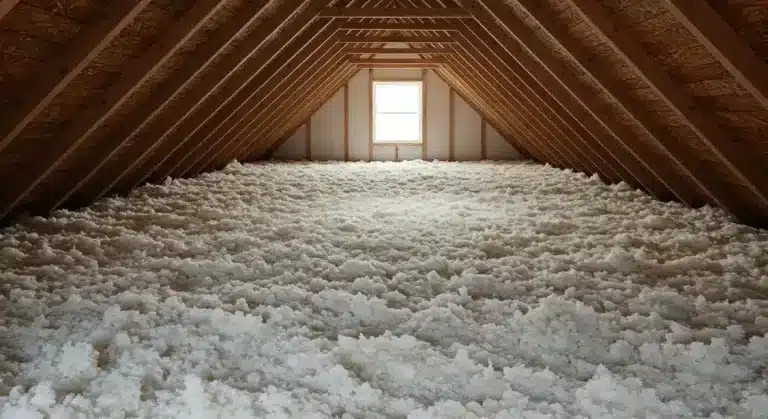
| Blown-In Insulation | Loose material is generally collected using specialized removal equipment. | The condition and amount of material affect the removal process. |
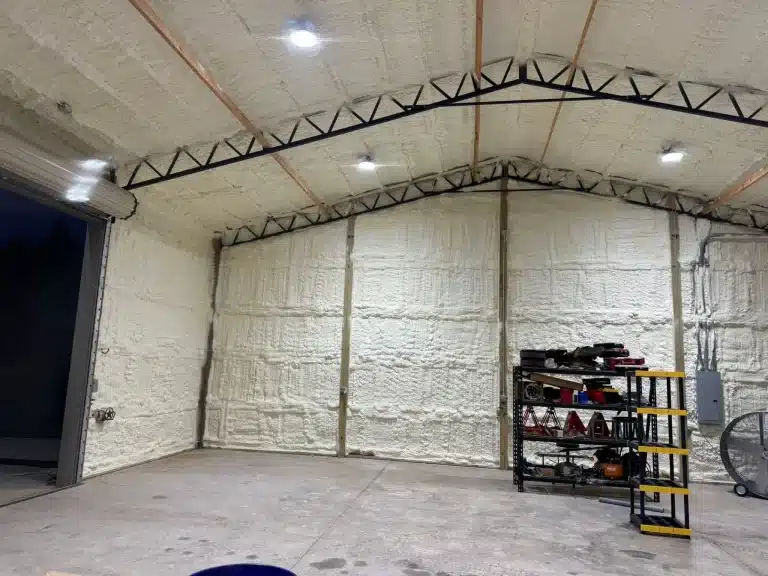
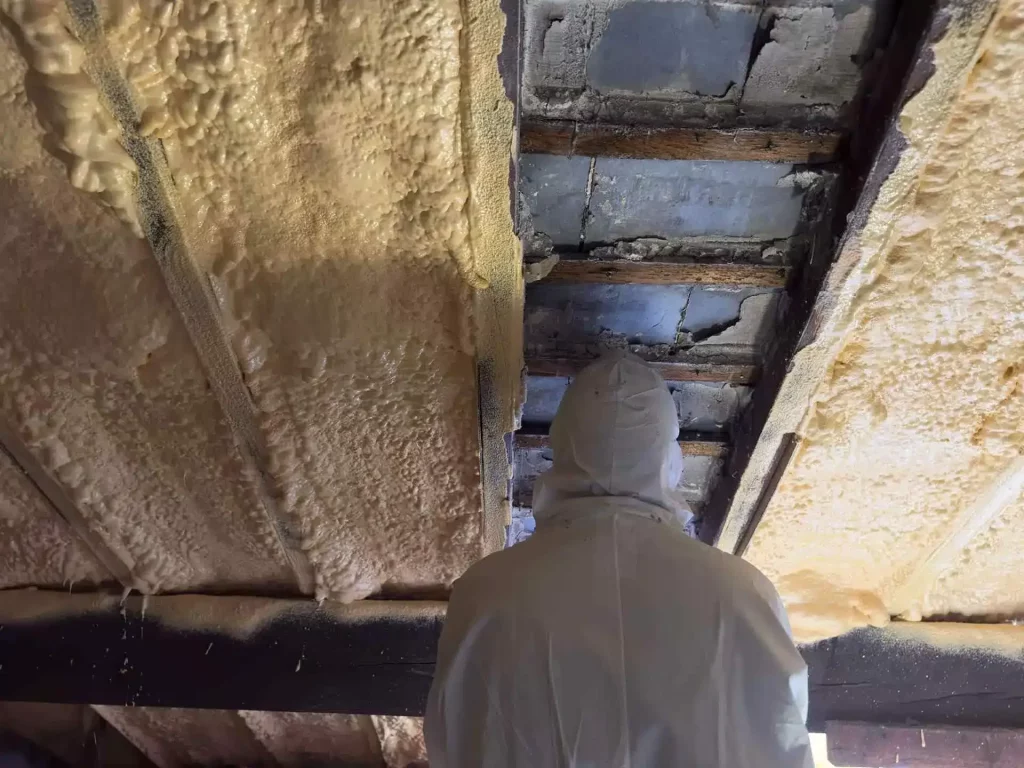
| Spray Foam | Removal can involve cutting, scraping, or other controlled methods depending on where the foam is installed. | Access, adhesion, thickness, and the surface underneath can affect the work. |
| Vermiculite | Requires special caution before any disturbance. | The EPA recommends treating vermiculite insulation as potentially asbestos-contaminated and not disturbing it. |
This is one reason we don’t recommend deciding on removal based only on the insulation’s age. A contractor needs to look at the actual material and the conditions around it.
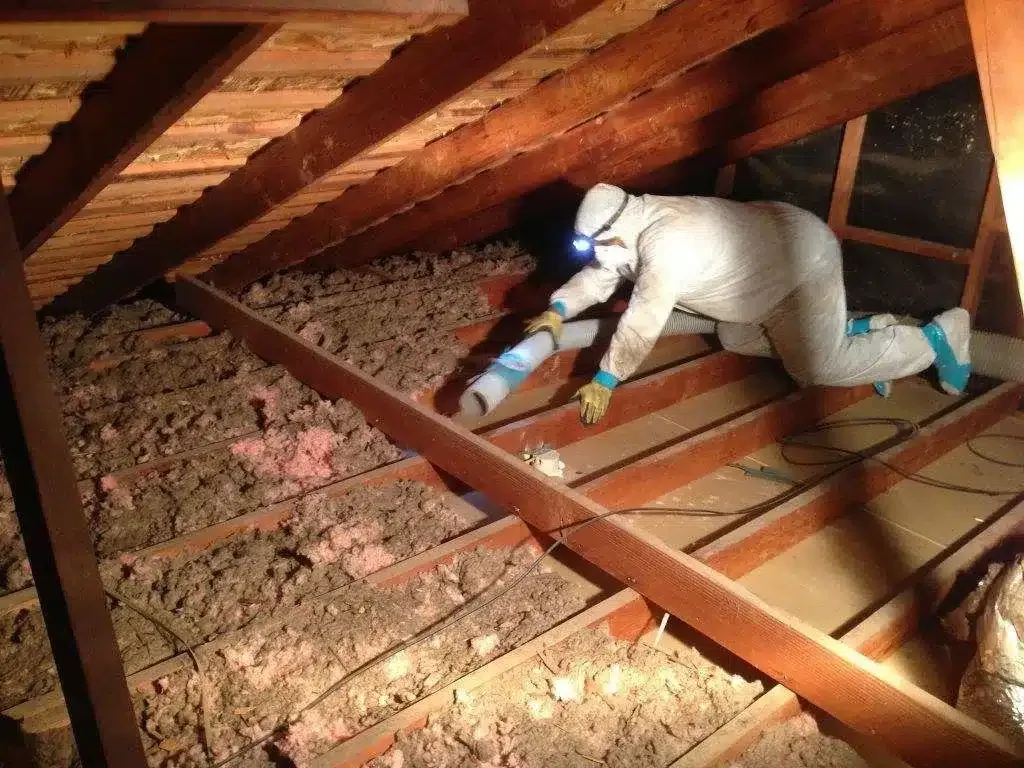
How Does Professional Insulation Removal Work?
A professional job should be planned around the material, the work area, and the reason for removal. The exact process varies by project, but the work generally moves from inspection to controlled removal and cleanup.
Inspection and Preparation
We start by assessing the insulation and the area around it. That means identifying the insulation type, looking for moisture or contamination, checking access, and determining whether another hazard needs to be addressed first.
If there is a potential asbestos concern, ordinary insulation removal should stop until the material is properly assessed. The EPA recommends qualified asbestos professionals when vermiculite insulation needs to be removed.
The work area can then be prepared to limit the spread of dust and debris. Access points, nearby surfaces, and equipment are considered before removal begins.
Removal and Collection
The removal method depends on the material. Loose insulation can require a different approach from batts, while adhered spray foam may need substantially different tools and techniques.
Fiberglass also deserves care during removal. The CDC’s guidance on fibrous glass explains that exposure can affect the eyes, skin, and lungs, which is one reason controlling dust and exposure matters during insulation work.
The goal isn’t simply to get the insulation out. The material needs to be collected in a way that limits unnecessary dust and keeps removed material from spreading through the building.
Cleanup and Disposal
After the insulation is removed, the work area should be cleaned so loose debris doesn’t remain behind. We also need to look at the exposed space before new insulation goes in.
That step matters because removing insulation can reveal conditions that were hidden before. If there are air leaks, moisture problems, or damaged surfaces, installing new insulation without addressing them can leave the underlying problem in place. The U.S. Department of Energy’s Building Science Education guidance recommends air sealing attic-floor penetrations before insulating existing attics.
What Safety Issues Matter During Insulation Removal?
Insulation removal is more than a dusty cleanup job. The material being removed determines what precautions are needed.
Fiberglass can irritate the eyes, skin, nose, throat, and respiratory system. The CDC explains the potential effects of fiberglass exposure, which is one reason proper exposure control matters during removal.
Older insulation can also raise concerns about materials that require specialized handling.
Vermiculite deserves particular attention. The EPA says homeowners should assume vermiculite insulation may contain asbestos and leave it undisturbed. If it needs to be removed, the agency recommends a trained and accredited asbestos contractor.
That means homeowners shouldn’t start pulling out suspicious insulation simply because they want to replace it. Identifying the material first can prevent an otherwise routine project from creating a much bigger exposure problem.
What Should You Consider Before Hiring an Insulation Removal Professional?
Don’t judge a removal contractor only by the quoted price. Ask what the quote includes and how the contractor plans to handle the material.
Before work begins, consider:
- Material identification: Does the contractor know what type of insulation is present?
- Condition assessment: Will they look for moisture, mold, contamination, or other problems?
- Removal method: Is the proposed method appropriate for the insulation?
- Work-area protection: How will dust and debris be controlled?
- Cleanup: Does the service include cleanup after removal?
- Disposal: Ask how the removed material will be handled and disposed of.
- Hazard concerns: If the material could contain asbestos or another hazardous substance, ask whether a qualified specialist is needed.
A clear scope of work makes it easier to compare contractors because you’re comparing the same tasks rather than just two numbers.
How Much Does Insulation Removal Cost?
There isn’t one reliable price for every insulation removal project. The cost depends on factors such as the type and amount of insulation, where it is installed, how accessible the area is, the condition of the material, the amount of cleanup required, and whether special handling is necessary.
For that reason, a contractor should inspect the project before giving a firm quote. A low initial number may not represent the full job if cleanup, difficult access, contaminated material, or additional preparation is discovered later.
Get Professional Help With Insulation Removal
If your insulation is damaged, contaminated, difficult to access, or needs to be removed before the next stage of work, Prestige Insulation Solutions can help you determine the appropriate next step.
Rather than removing material blindly, we can start with the condition of the existing insulation and the requirements of the space. To discuss your insulation removal needs, call (850) 429-4969 or email [email protected].
FAQs
Can Old Insulation Be Removed Without Replacing It Immediately?
Sometimes, but the answer depends on why the insulation was removed and what condition the exposed area is in. If removal is part of a larger repair or renovation, the replacement schedule may depend on that work. Leaving an area without insulation can also affect the building’s thermal performance, so the next step should be planned rather than left open-ended.
Is Insulation Removal a DIY Project?
It can be physically demanding and can expose you to dust and insulation fibers. More importantly, you may not know whether older insulation contains a hazardous material. The EPA specifically advises against disturbing vermiculite insulation because of potential asbestos contamination.
How Long Does Insulation Removal Take?
There is no single timeframe that applies to every project. The amount of insulation, material type, access, contamination, cleanup requirements, and size of the work area can all change the schedule. A contractor can give a more useful estimate after seeing the actual space.
What Happens to Insulation After It Is Removed?
Removed insulation should be collected, contained, and handled according to the material and applicable disposal requirements. The process isn’t simply about getting old material into a trash pile. Special materials, including asbestos-containing insulation, require qualified handling and disposal procedures.
Sources
- U.S. EPA, My Attic Has Vermiculite Insulation in It. Am I at Risk? Should I Take It Out? – Vermiculite insulation and asbestos safety guidance.
- U.S. EPA, Mold Course Chapter 2 – Guidance on wet or moldy insulation.
- U.S. Department of Energy Building Science Education, Air Sealing Existing Attics – Guidance on preparing existing attic spaces before insulation.

- Everything You Need to Know About Professional Insulation Removal - October 7, 2026
- Which Insulation Upgrades Deliver the Best Long-Term Value in Bagdad, FL? - September 14, 2026
- How Does Blown-In Insulation in Gonzalez, FL Fill Gaps Better Than Traditional Materials? - September 14, 2026