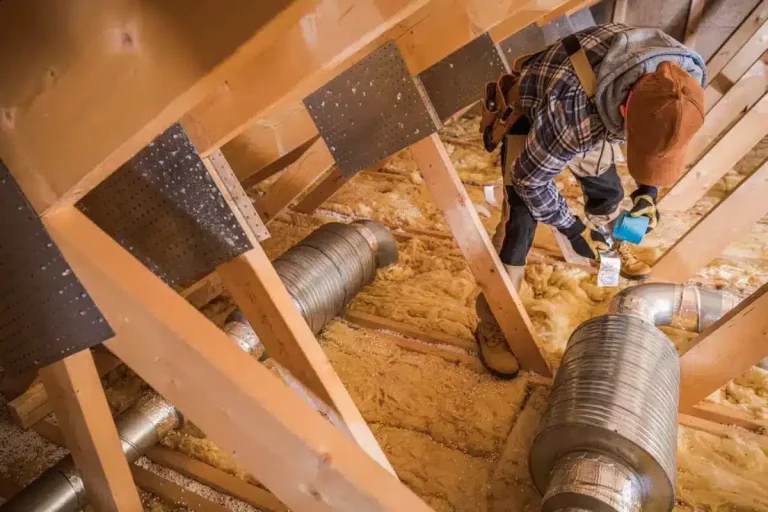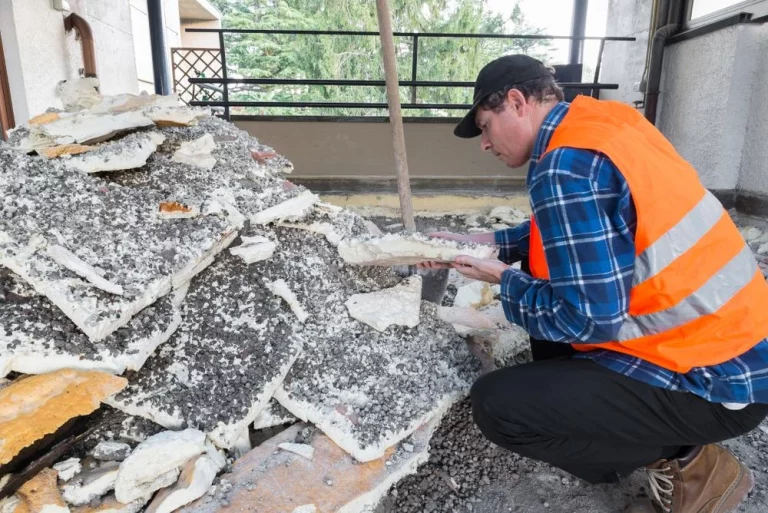
The main difference between partial and complete insulation removal comes down to the scope of contamination and your long-term energy goals. Partial removal targets isolated damage, such as a localized roof pipe leak or a small pest nest, while leaving dry material in place. An insulation removal guide can help explain when targeted removal is sufficient and when a full removal is necessary. Complete Insulation Removal in Pensacola, FL involves clearing the entire attic down to bare ceiling drywall, which is necessary when facing widespread rodent biohazards, storm-driven water damage, mold growth, or when preparing for total attic air-sealing.
TL;DR
- Partial extraction removes small, isolated zones of damaged insulation to keep project costs lower.
- Complete extraction clears the entire attic footprint to eliminate pervasive biohazards and bad odors.
- Wind-driven tropical rain and roof rat infestations in Pensacola often make complete removal the safer choice.
- Total removal allows technicians to find and air-seal hidden ceiling cracks before installing new R-38 insulation.
- Contaminated porous materials like wet cellulose or fiberglass must be discarded, not cleaned.
What Is Partial Insulation Removal?
Partial removal is a surgical approach that targets specific, localized problems in an attic while keeping functional, uncontaminated material intact.
If a plumbing vent boot cracks or an air conditioning condensation line backs up over a small section of your ceiling, water damage might be confined to a 50-square-foot area. In this scenario, technicians use specialized commercial collection bags to scoop or vacuum out only the saturated fibers. Once the damaged section is cleared, the exposed ceiling drywall dries out, structural repairs take place, and fresh insulation is patched into the void to match the surrounding depth.
Choosing Partial Insulation Removal in Pensacola, FL works best under very specific conditions:
- The water intrusion was caught within 24 to 48 hours and stayed confined to an isolated spot.
- Pest activity was caught early and remained restricted to a single corner of the attic.
- The remaining material is clean, dry, odor-free, and has adequate remaining depth.
- You need an immediate, budget-conscious repair while saving up for future energy upgrades.
The limitation of partial removal is that it leaves the rest of your attic untouched. If hidden drafts, dust, or older pest trails run through the rest of the space, a partial fix will not solve those underlying issues.
What Is Complete Insulation Removal?
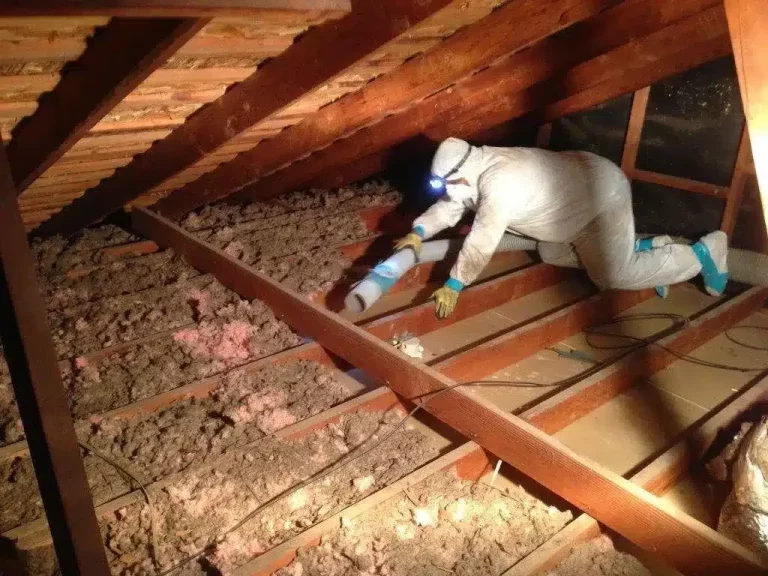
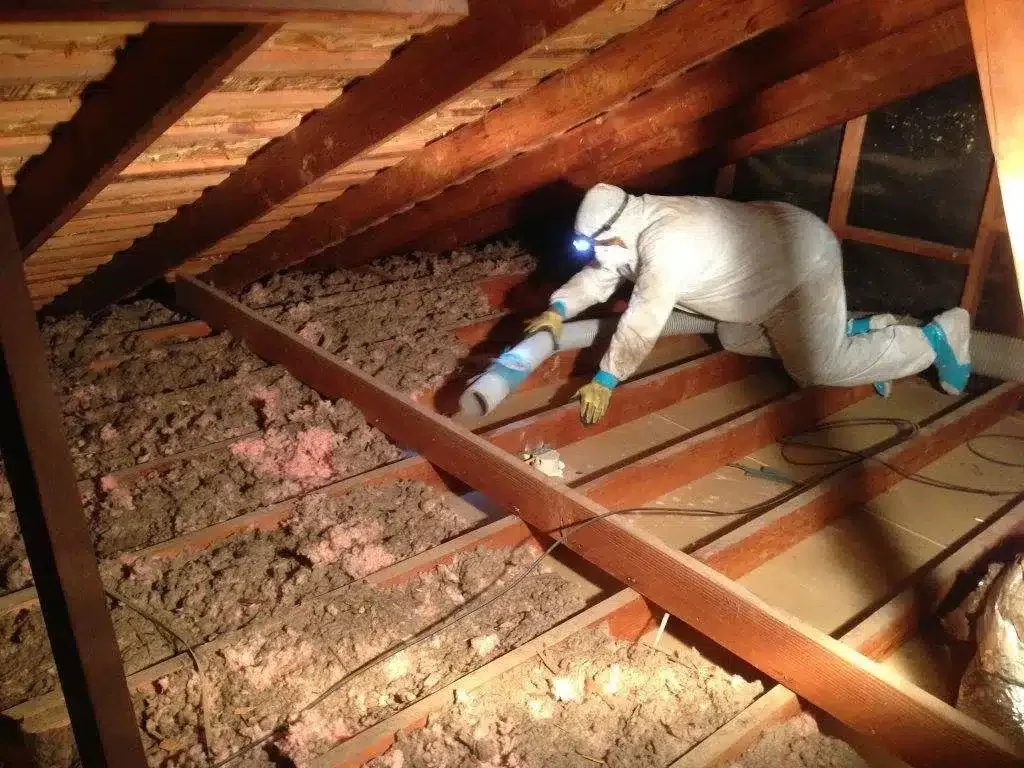
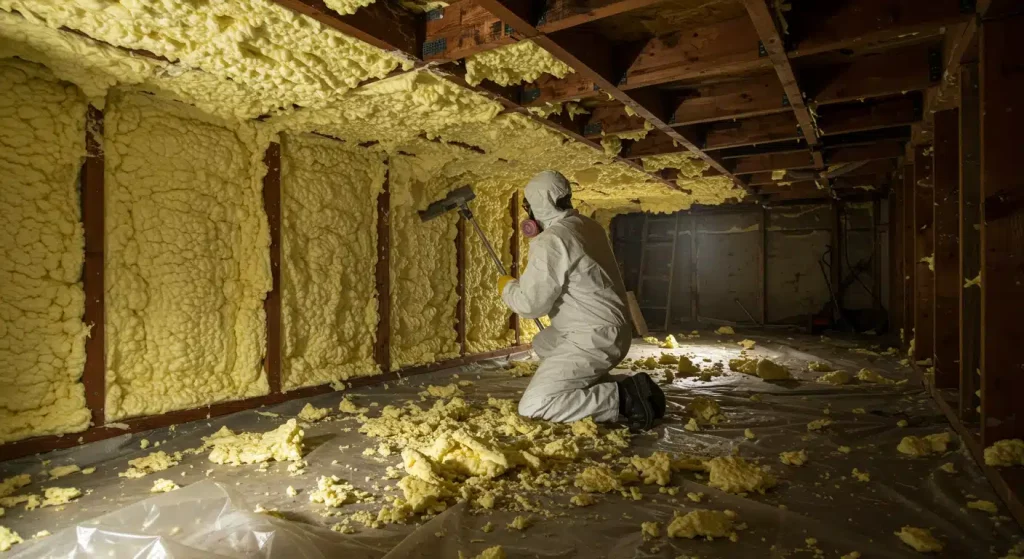
Complete removal is a whole reset. Technicians run high-powered, truck-mounted or portable commercial vacuums with heavy-duty hoses directly into the attic, extracting every shred of loose-fill cellulose, blown fiberglass, and compressed batts down to the bare wooden joists and drywall.
Opting for Complete Insulation Removal in Pensacola, FL becomes essential when an attic suffers from widespread damage. When roof rats or bats infest an attic, they do not stay in one spot. They tunnel through the fibers, leaving urine trails, droppings, and pheromones across the entire footprint. Because fiberglass and cellulose are porous, they absorb these animal wastes like a sponge.
A complete Attic Insulation Removal Pensacola, FL project allows our crew to:
- Strip away all contaminated materials without letting dust drift into your living areas.
- Expose every wire junction, plumbing pipe, recessed can light, and top plate for inspection.
- Apply an EPA-registered disinfectant and deodorizer across the attic floor to neutralize bacteria and pheromone scents.
- Seal open air leaks between your living space and the attic with expanding foam before fresh material is added.
Key Decision Factors: Partial vs Complete Insulation Removal
Choosing the right path requires weighing the structural condition of your home, your family’s health, and your long-term energy goals.
1. Water Damage and Mold Colonization
When coastal storms push water into an attic, wet cellulose clumps together and loses its insulating air pockets, while wet fiberglass mats down against the framing. According to remediation standards from the U.S. Environmental Protection Agency, porous materials such as insulation that remain damp for more than 48 hours must be removed and replaced because mold spores readily grow on the trapped organic dust. If moisture spreads across multiple roof rafters, a complete clearout is the only reliable way to prevent mold colonies from releasing spores into your indoor air.
2. Rodent Infestations and Health Hazards
Rodent droppings and urine carry harmful bacteria and allergens that dry out and become airborne. Whenever your HVAC system cycles on, pressure differences draw attic air through unsealed ceiling fixtures into your bedrooms. If animal waste is scattered throughout the attic, attempting a spot fix leaves active biohazards above your head. In these cases, complete removal followed by professional sanitation is required.
3. Energy Codes and Air Sealing
Older homes in Pensacola often contain deteriorated material that has settled over several decades. Clearing out this Old Insulation Removal in Pensacola, FL inventory gives technicians complete visual access to the attic floor.
Data from Energy.gov confirms that air-sealing an attic floor before adding fresh insulation stops conditioned indoor air from leaking into the unconditioned roof space, lowering household heating and cooling costs. Furthermore, under prescriptive standards within the Florida Building Code, residential attics in our climate zone require an R-38 thermal barrier. Clearing out old, compressed material lets you install fresh, evenly distributed insulation that meets modern efficiency codes.
Evaluating Partial vs. Complete Insulation Removal in Pensacola, FL comes down to whether your attic needs a targeted spot repair or a fresh start that protects your indoor air and lowers your summer utility bills.
Upgrade Your Home’s Air Quality With Prestige Insulation Solutions LLC
Whether your home has suffered an isolated roof leak or requires a complete attic decontamination after a pest invasion, Prestige Insulation Solutions LLC is here to help. We provide residential property owners across Pensacola, Gulf Breeze, Pace, and Milton with thorough, honest insulation assessments.
Call our team today to discuss your attic and schedule a professional inspection.
- Phone: (850) 429-4969
- Email: [email protected]
Frequently Asked Questions
Can you spray disinfectant over rodent droppings instead of removing the insulation?
No. Disinfectant sprays cannot penetrate deep into compressed insulation fibers. Porous materials contaminated with animal urine and droppings must be completely extracted and replaced.
How do I know if my Pensacola attic insulation is wet?
Look for discolored ceiling drywall, musty odors, higher power bills, or heavy, compressed patches of insulation directly beneath roof penetrations, vents, and air handlers.
Does homeowners insurance cover complete attic insulation removal?
Insurance often covers insulation extraction if the damage results from a sudden covered peril, such as fallen tree limbs or storm damage, but excludes gradual pest damage.
How long does a full attic insulation extraction take?
Most residential attics in Pensacola take between four and eight hours to fully vacuum out, sanitize, and prepare for air sealing and re-insulation.
Can I blow new insulation directly over my old insulation?
Yes, but only if the existing insulation is clean, dry, free of animal waste, and has not developed mold from Gulf Coast humidity.
Sources
- U.S. Environmental Protection Agency – Federal guidelines covering indoor mold remediation, moisture containment, and the mandatory removal of saturated porous building materials.
- Energy.gov – Building science data from the U.S. Department of Energy detailing the thermal advantages of combining attic floor air-sealing with complete re-insulation.
- Florida Building Code – Official energy conservation standards outlining mandatory ceiling and attic insulation R-values for residential structures in Climate Zone 2.

- How Much Does Professional Insulation Removal Cost, and Which Factors Affect the Final Price in Pea Ridge, FL? - November 4, 2026
- What Is the Difference Between Partial and Complete Insulation Removal for Residential Properties in Pensacola, FL? - November 4, 2026
- What Types of Insulation Can Be Professionally Removed From Your Home Safely and Efficiently in Pensacola, FL? - October 16, 2026