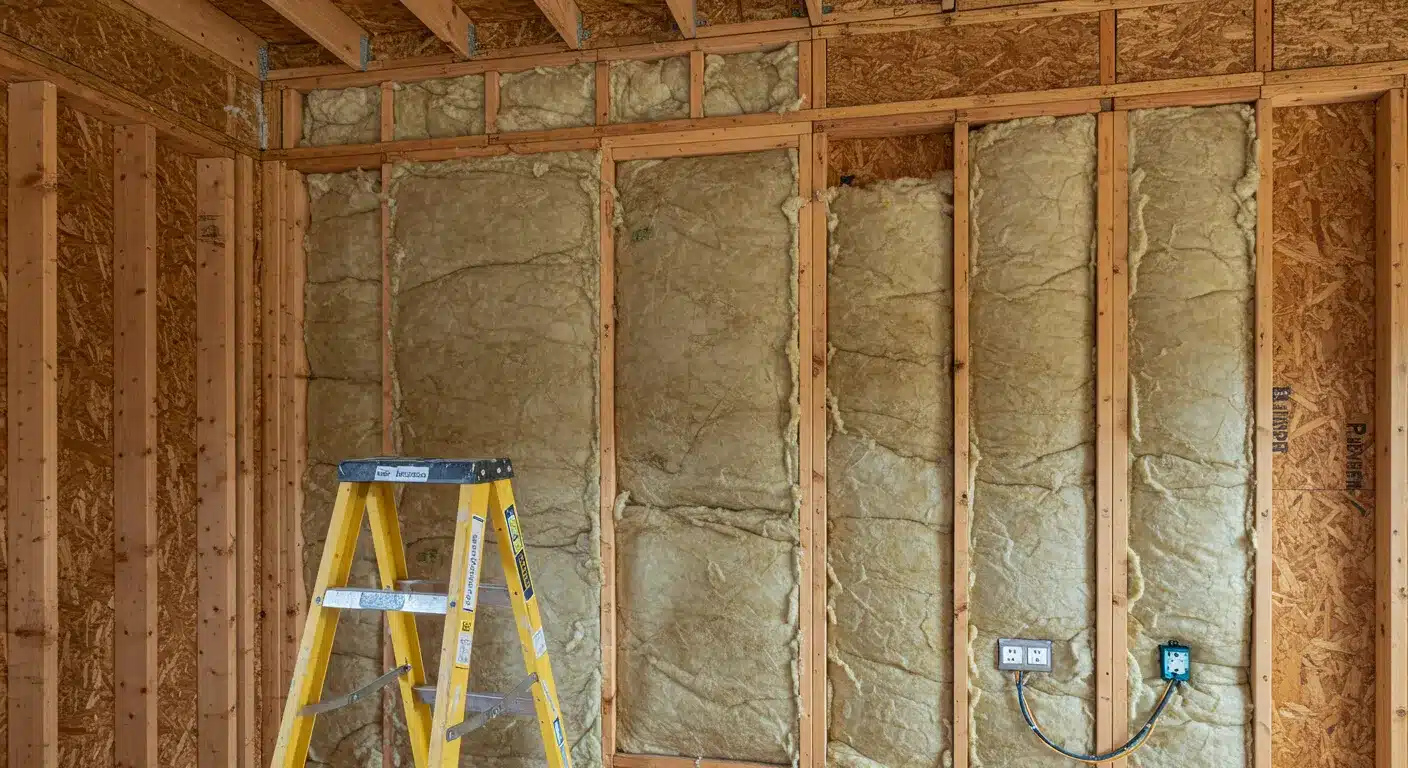
Eco-friendly insulation solutions prioritize the use of renewable, recycled, or natural materials to create a thermal barrier in a building. These products reduce energy consumption and greenhouse gas emissions while ensuring the indoor air remains free from harsh synthetic chemicals. By selecting materials with high recycled content or natural fibers, homeowners maintain comfortable indoor temperatures and lower utility bills without harming the environment.
We provide these insights to help you navigate the various sustainable products available on the market today. This information establishes a foundation for making smart property upgrades that benefit both your health and the planet. For a detailed look at all types of thermal barriers, visit our insulation complete guide. At Prestige Insulation Solutions, we focus on delivering practical knowledge to ensure your home remains efficient and safe.
High-performance natural materials for modern houses
The transition toward sustainable building requires a focus on materials that offer high thermal resistance with low environmental impact. Many modern homeowners now choose products that come from renewable resources or waste redirected from manufacturing processes. These materials provide an effective way to seal the home envelope while supporting circular economies.
Cellulose is a leading choice for those seeking a product made almost entirely from recycled paper. It consists of shredded newspapers and cardboard treated with borates to provide fire and pest resistance. A report from Grand View Research indicates that the market for green building materials is expanding rapidly as regulations and consumer preferences shift toward sustainability. Cellulose fits into wall cavities and attic floors easily, leaving no gaps for air to escape.
Sheep’s wool offers a natural alternative that manages moisture better than most synthetic materials. Wool fibers can absorb and release moisture without losing their ability to insulate the space. This material also possesses a natural ability to trap and neutralize harmful gases like formaldehyde. It is a durable resource that requires very little energy to process, making it one of the best eco friendly insulation choices for a variety of climates.
What types of green insulation work best
Selecting the right product depends on the specific area of the house and the local weather patterns. Different sustainable materials offer varying levels of R-value, which measures how well a material resists heat flow. Understanding these differences helps in planning a successful home energy upgrade.
Hemp insulation is gaining traction as a carbon-negative solution. Hemp plants grow very quickly and absorb large amounts of carbon dioxide during their growth cycle. The resulting fibers are strong, breathable, and naturally resistant to rot. Understanding how different insulation materials perform in various climates can help you make the right choice for your home or building.
Cork insulation is harvested from the bark of cork oak trees. This process does not harm the tree, which continues to grow and absorb carbon for centuries. Cork boards are often used for floor underlayment or exterior wall cladding. They provide excellent thermal resistance and natural vibration dampening, which helps reduce noise transfer between rooms or from the outside.
Recycled cotton insulation, often called denim insulation, utilizes scraps from clothing manufacturing. It provides a soft, safe, and effective barrier that does not cause skin or respiratory irritation. This non toxic insulation contains no formaldehyde and is often treated with natural minerals to meet fire safety codes. It is easy for homeowners to handle and fits perfectly between standard wall studs.
Bonus Tip: When using denim or cotton batts, wear a basic mask to avoid inhaling small dust particles from the fabric fibers, even though they are non-toxic.
Comparison of sustainable insulation properties
Different materials offer unique benefits depending on where they are installed. The following table compares the most common sustainable materials used in residential construction today to help you evaluate their technical specifications.
| Material | R-Value per Inch | Source Material | Recycled Content |
|---|---|---|---|
| Cellulose | 3.2 to 3.8 | Recycled Paper | 80% to 85% |
| Sheep’s Wool | 3.5 to 3.8 | Natural Fiber | 0% to 10% |
| Cork Board | 3.6 to 4.2 | Oak Bark | 100% |
| Hemp Wool | 3.5 to 3.7 | Hemp Fiber | 90% |
| Cotton/Denim | 3.4 to 3.7 | Recycled Denim | 70% to 90% |
Why homeowners prefer environmentally friendly insulation materials
Using environmentally friendly insulation materials helps improve the indoor air quality of a residence. Traditional fiberglass or certain foam products can sometimes release small fibers or chemical odors during and after installation. Natural products eliminate these concerns, providing peace of mind for families with children or individuals with chemical sensitivities.
Energy efficiency is the most immediate benefit of these products. According to Energy Star, properly sealing and insulating a home can save a homeowner significant money on monthly energy bills. These savings add up over time, often covering the initial cost of the material within a few years of installation. Reducing energy waste also lowers the demand on local power grids.
Eco friendly insulation for homes also excels at soundproofing. The density of materials like wool and cellulose is much higher than that of standard fiberglass batts. This density helps block outdoor noises such as traffic or neighbors. It also creates a quieter indoor environment by preventing sound from traveling through walls and floors.
Performance and moisture management
Safety and performance go hand in hand when discussing residential thermal barriers. Most natural materials are treated with borate or other earth minerals. These treatments provide two benefits: they make the material fire-retardant and they discourage pests from nesting in the walls. Keeping insects and rodents out is a key part of maintaining a healthy home structure.
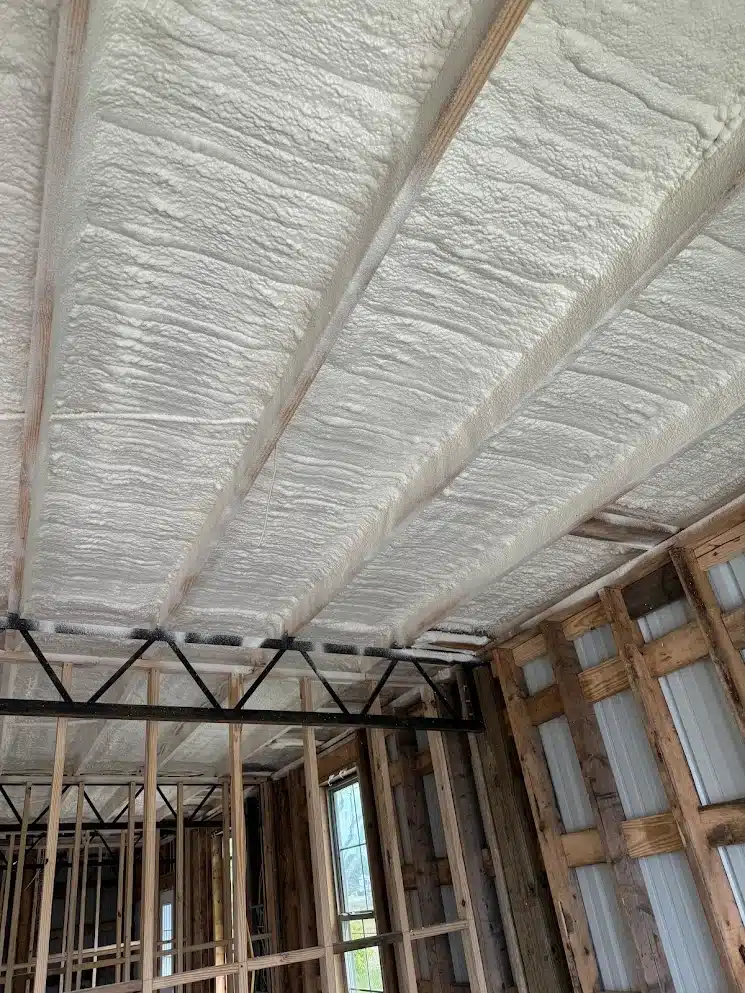
Moisture control is another area where natural products shine. Materials like wool and hemp are hygroscopic, meaning they can manage moisture levels in the air. This prevents the buildup of condensation inside the walls, which is a leading cause of wood rot and mold growth. Our team understands how spray foam insulation protects Lillian homes from pests and moisture, but natural fibers offer a different, breathable approach for traditional framed homes.
Bonus Tip: Ensure that your attic or crawl space has proper ventilation when using breathable natural materials. Good airflow helps these materials release any moisture they have absorbed.
Factors to check before choosing a product
You must consider several variables before making a final investment in home upgrades. The R-value is the most important metric. You should match the R-value of the product to the recommendations for your specific geographic zone.
Cost and ease of installation also play a role in the decision process. Some materials, like blown-in cellulose, require specialized equipment that is usually managed by professionals. Others, like cotton batts, are simple to put in place manually. You should also check for local rebates or tax credits that may be available for installing high-efficiency, sustainable materials in your area.
The lifespan of the material is a final consideration. Natural fibers like wool and cork are incredibly resilient and do not settle or degrade quickly. This ensures that the thermal barrier remains effective for the life of the home. Investing in high-quality sustainable products now prevents the need for costly replacements or top-offs in the future.
The long term value of energy efficiency
Sustainable home choices represent a commitment to the future. By reducing the carbon footprint of your living space, you contribute to broader environmental goals. These upgrades also make a property more attractive to future buyers who are increasingly looking for homes with low operating costs and healthy indoor environments.
High-performance insulation reduces the strain on heating and cooling systems. When a home holds its temperature well, the furnace and air conditioner do not have to run as often. This extends the life of your mechanical systems and reduces maintenance costs. The result is a more resilient home that remains comfortable during extreme weather events.
Prestige Insulation Solutions provides sustainable options
Our team helps you find the right thermal solutions for your property. We evaluate your current home state and recommend the most effective paths to better energy efficiency. Contact Prestige Insulation Solutions at (850) 429-4969 or email us at [email protected] to discuss your project. We offer a free quote to help you understand the potential savings and benefits for your home. We use our experience to ensure your eco-friendly insulation solutions are installed correctly and perform at the highest level.
Key takeaways for sustainable home upgrades
Sustainable insulation is a smart choice for any homeowner looking to improve comfort and air quality. Materials like cellulose, wool, and cork offer high R-values and natural safety features. By choosing these options, you support environmental health while securing long-term energy savings. Always check the R-value requirements for your region and consider the moisture management benefits of natural fibers. Evaluate your budget and long-term goals to choose the product that best fits your specific living environment.
Frequently asked questions
What is the most sustainable insulation material?
Cork and sheep’s wool are often considered the most sustainable. Cork is harvested from tree bark without killing the tree, while wool is a renewable fiber that manages moisture naturally.
Is cellulose insulation safe for my family?
Yes, cellulose is made from recycled paper and treated with borate, a natural mineral. This treatment provides fire resistance and keeps pests away without using the toxic chemicals found in older materials.
Can I install eco-friendly insulation myself?
Some materials like cotton or wool batts are very easy to install manually. However, blown-in cellulose requires special equipment, so a professional installation is usually recommended for the best results.
Does green insulation prevent mold growth?
Many natural materials like wool and hemp are breathable and can manage moisture. This prevents condensation from building up inside the walls, which significantly reduces the risk of mold and rot.
Will sustainable insulation save me money?
Yes, high-quality insulation reduces the amount of energy needed to heat and cool your home. These monthly savings on utility bills typically pay for the cost of the materials over time.
Sources
- Grand View Research – Detailed report on the growth and trends within the green building materials and insulation sector.
- Energy Star – Official government resource explaining the energy savings and comfort benefits of sealing and insulating homes.

- What Should You Know Before Hiring Professional Insulation Removal Services in Pensacola, FL? - October 13, 2026
- Everything You Need to Know About Professional Insulation Removal - October 7, 2026
- Which Insulation Upgrades Deliver the Best Long-Term Value in Bagdad, FL? - September 14, 2026