Spray foam insulation moisture barrier capabilities depend entirely on the type of foam you choose and the specific thickness of the application. Closed-cell spray foam moisture barrier applications typically function as a vapor barrier at a thickness of two inches or more, while open-cell spray foam vapor barrier performance is limited because the material remains vapor-permeable.
Understanding these material properties is the difference between a high-performing building envelope and a home that suffers from trapped moisture, mold, and rot.
Understanding Spray Foam and Vapor Permeance
To understand how spray foam insulation vapor barrier systems handle moisture, you need to look at its perm rating. A perm rating measures how much water vapor can pass through a material. Building codes classify materials based on these ratings, with lower numbers indicating higher resistance to water vapor.
- Class I Vapor Retarders: Less than 0.1 perms (Impermeable, such as sheet metal or glass).
- Class II Vapor Retarders: 0.1 to 1.0 perms (Semi-impermeable).
- Class III Vapor Retarders: 1.0 to 10.0 perms (Permeable).
When we discuss spray foam insulation, we are looking at how these materials fit into these classifications. A material that blocks moisture is often referred to as a vapor retarder or barrier depending on its specific performance level, according to the International Residential Code requirements for moisture control.
Open-Cell vs. Closed-Cell: Key Differences for Moisture Control
The two most common types of spray polyurethane foam (SPF) behave very differently when exposed to moisture. Choosing the wrong one for your climate or building design is a common source of long-term maintenance issues.
| Feature | Open-Cell Spray Foam | Closed-Cell Spray Foam |
|---|---|---|
| Cell Structure | Bubbles are open/broken | Bubbles are closed/packed |
| Perm Rating | High (Permeable) | Low (Vapor-retarding) |
| Moisture Barrier | No | Yes (at 2 inches or more) |
| Primary Benefit | Excellent sound dampening | High R-value per inch |
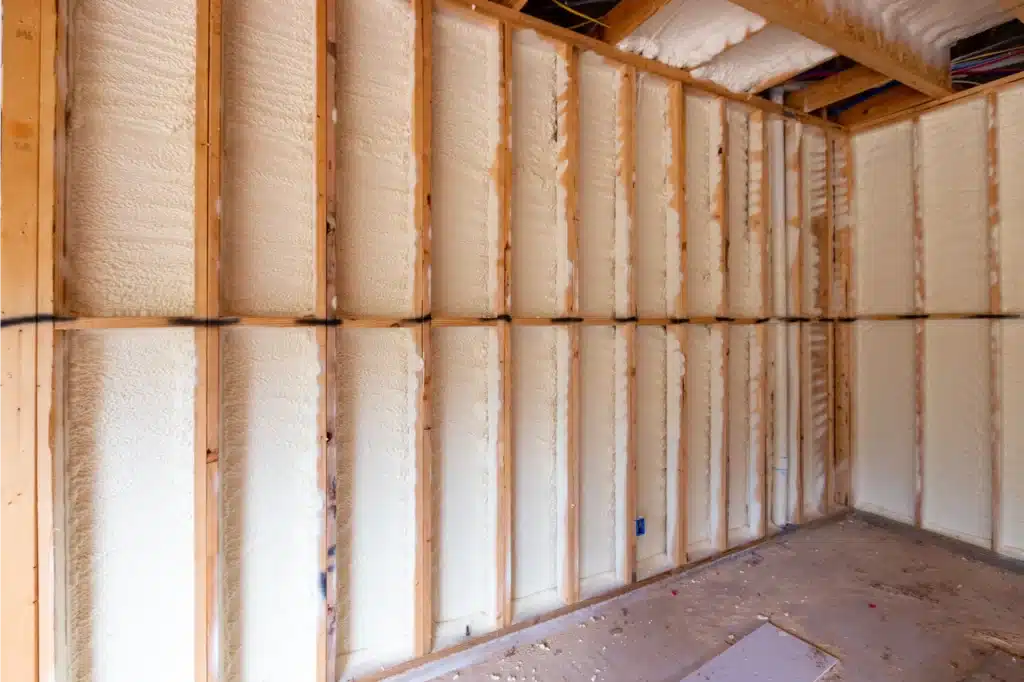
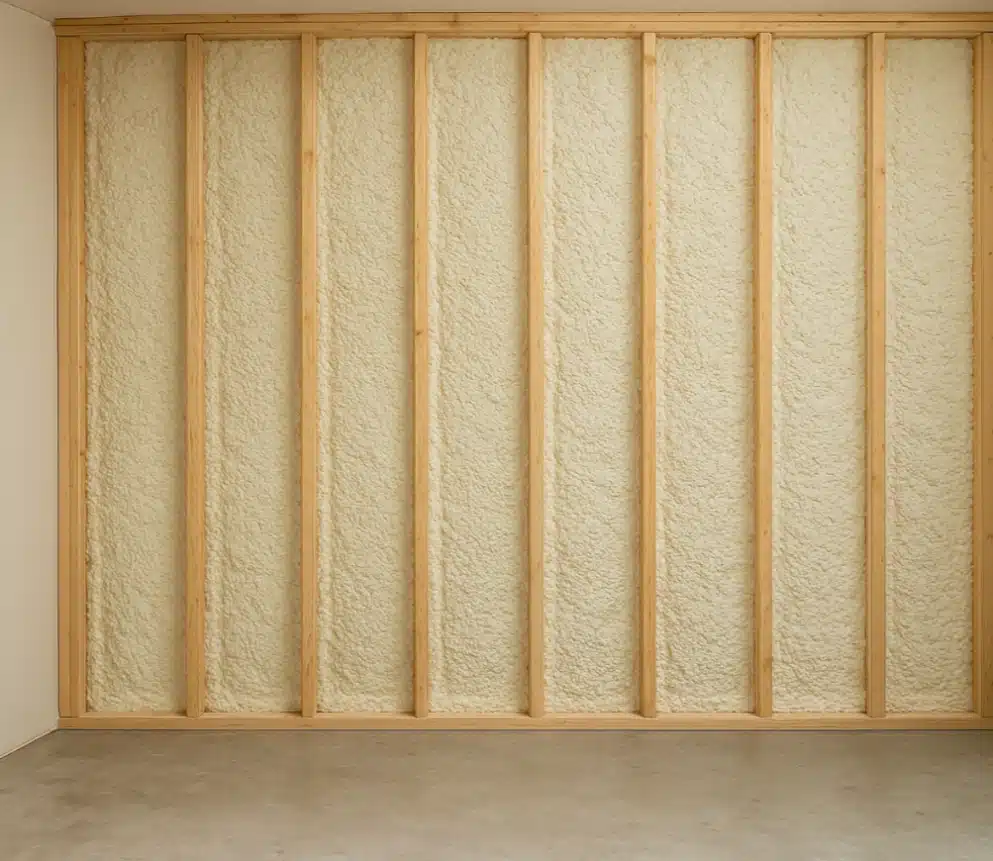
Closed-cell foam is dense and rigid. Because the cells are closed, it resists moisture movement and air leakage effectively. When applied at a thickness of two inches or greater, it meets the standard for a Class II vapor retarder.
Open-cell foam acts more like a sponge. While it is an excellent air barrier, it allows moisture to pass through it. If you install open-cell foam in an area prone to high humidity without a separate vapor-retarding layer, you may experience significant condensation issues. Building Science Corporation notes that understanding the water vapor transmission characteristics of these materials is essential for preventing structural damage.
Is Spray Foam the Right Moisture Barrier for Your Climate?
Selecting the right moisture barrier insulation is not just about the product; it is about how that product interacts with your local climate. A vapor barrier that keeps a home in a cold, northern climate dry can actually trap moisture in a humid, southern climate.
In hot and humid climates, moisture travels from the outside in. If you install a vapor barrier on the wrong side of your wall assembly, you may trap humidity inside your wall cavity. This creates a perfect environment for mold growth and wood rot.
Before committing to a specific foam, consider the temperature and humidity trends of your local area. A “one-size-fits-all” approach to insulation often leads to building failures. If you are unsure which type of foam suits your specific property, U.S. Department of Energy guidelines recommend evaluating your home’s moisture management strategy as a complete system rather than focusing on the insulation material alone.
The Risks of Trapping Moisture
The most significant risk in any insulation project is creating a “double barrier.” This occurs when you install two impermeable layers with an air space between them.
If you already have a vapor barrier in your wall assembly and then apply closed-cell spray foam, you may inadvertently trap moisture inside the wall. Once moisture is trapped, it cannot escape, which leads to hidden decay. Many homeowners mistakenly believe that adding more insulation always improves energy efficiency, but when it interferes with the building’s ability to dry out, it creates a maintenance liability.
Professional Assessment and Installation
Spray foam is not a DIY product. It requires precise chemical mixing and application techniques to achieve the thickness needed to function correctly as a vapor retarder.
A professional assessment considers the existing structure, the current vapor-retardation strategy, and the specific moisture risks of your location. We provide detailed site inspections to ensure that any insulation we install enhances your building’s health rather than compromising it. If you are located in Northwest Florida or surrounding areas, we can evaluate your property to determine if closed-cell or open-cell foam is the right path forward.
For expert guidance on your insulation project, contact Prestige Insulation Solutions at (850) 429-4969 or email [email protected] to schedule a consultation.
Frequently Asked Questions
Can I use open-cell foam in a crawlspace?
Open-cell foam is generally not recommended for vented crawlspaces in humid climates because it can absorb and hold moisture, which risks mold growth.
Does spray foam prevent water leaks?
No. Spray foam is an insulation and air-sealing product. It is not a waterproofing membrane designed to stop bulk water leaks from roofs or siding.
Can I install spray foam over an existing vapor barrier?
This is often risky. Installing foam over an existing barrier can trap moisture. A professional audit is necessary to determine if removal is required.
How thick does closed-cell foam need to be to stop vapor?
In most applications, closed-cell spray foam must be at least two inches thick to meet the performance criteria for a vapor retarder.
Will spray foam stop all condensation in my walls?
Not necessarily. Condensation is a result of temperature and humidity differences. Proper installation prevents issues, but it must be paired with adequate ventilation and sealing.
Sources
- International Residential Code – Definitions and requirements for vapor retarders in building energy efficiency.
- Building Science Corporation – Comprehensive research on the moisture dynamics and performance of spray polyurethane foam.
- U.S. Department of Energy – Official guidance on insulation types, moisture management, and home performance.

- What Types of Insulation Can Be Professionally Removed From Your Home Safely and Efficiently in Pensacola, FL? - October 16, 2026
- What Should You Know Before Hiring Professional Insulation Removal Services in Pensacola, FL? - October 13, 2026
- Everything You Need to Know About Professional Insulation Removal - October 7, 2026