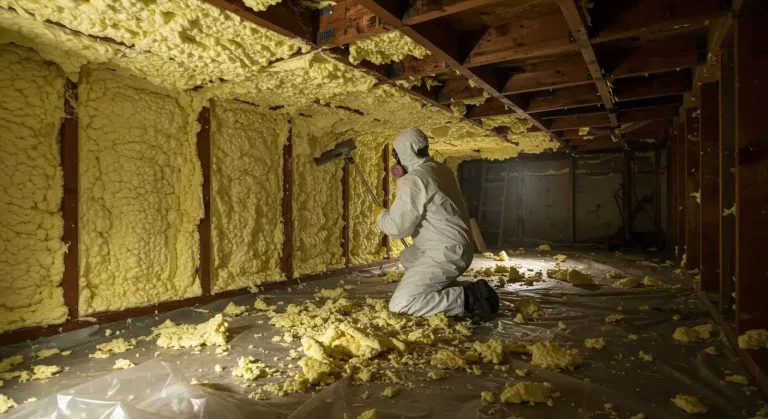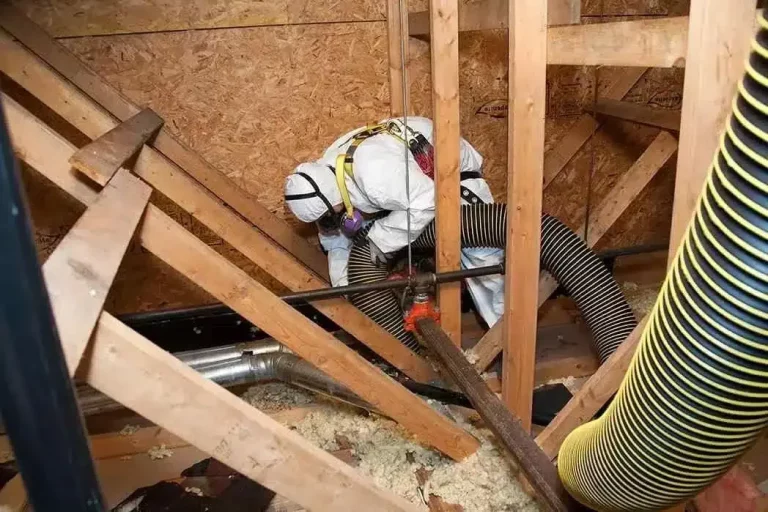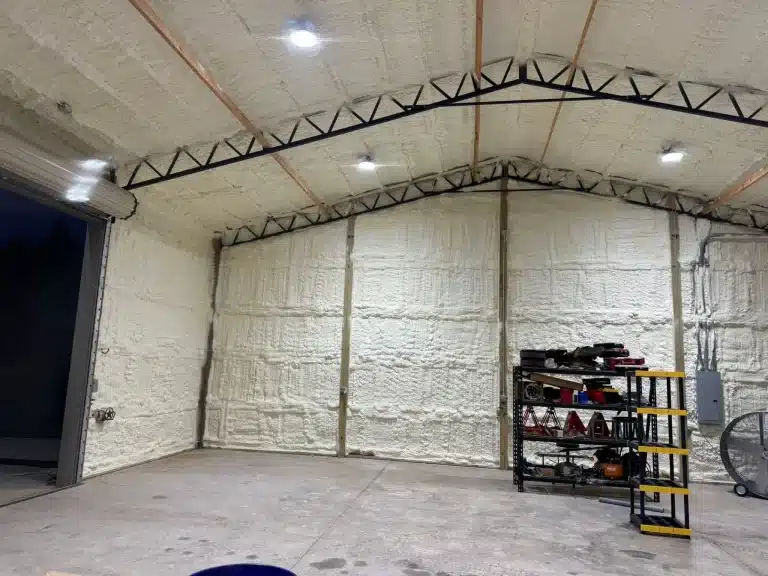
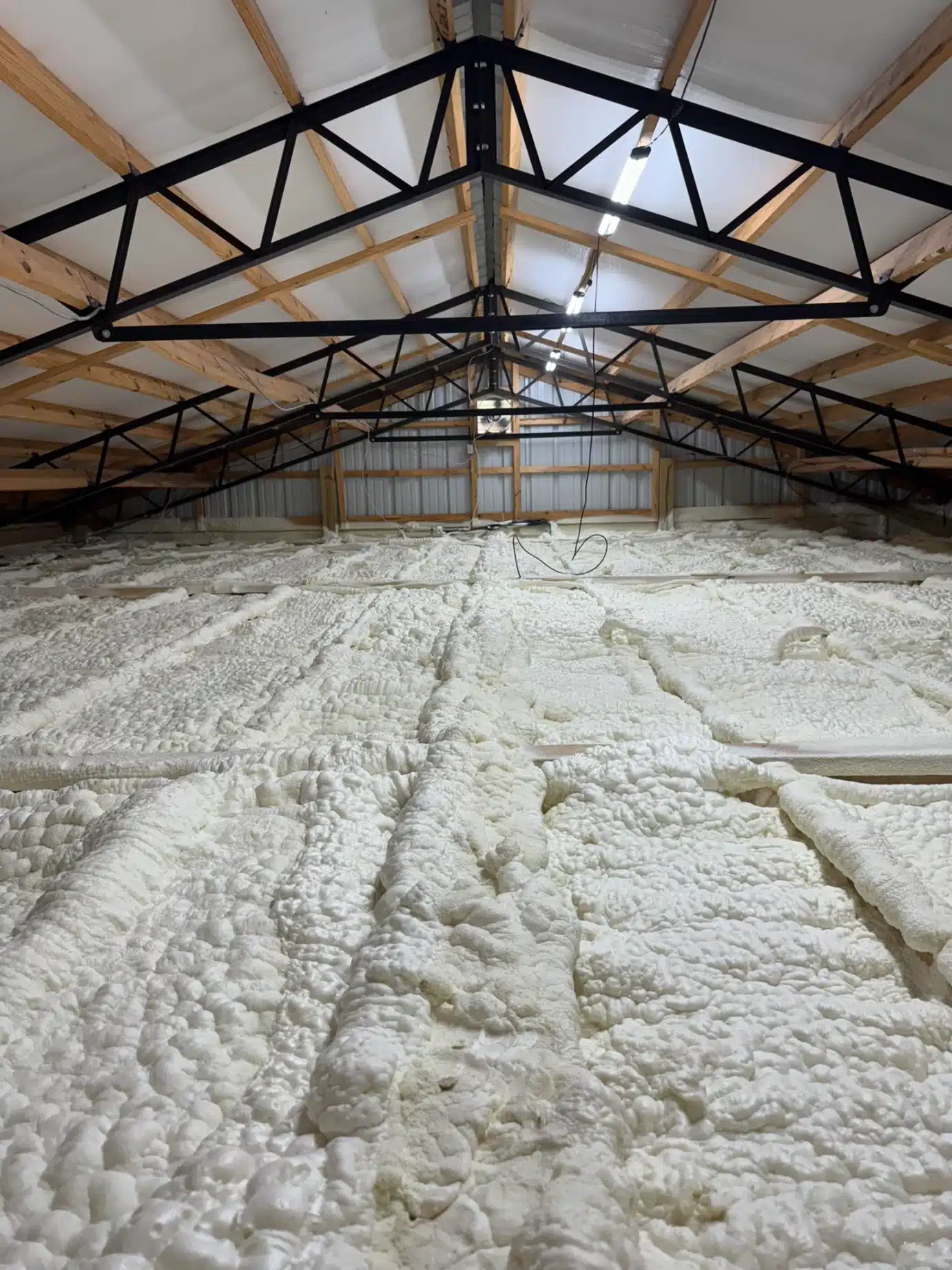
For homeowners in Seminole, Alabama, spray foam insulation delivers the highest performance when applied to areas with the greatest air infiltration and heat transfer: the attic or roofline, crawl spaces, rim joists, exterior wall cavities, and basement or foundation walls. Seminole sits in Baldwin County, which falls within IECC Climate Zone 2A (Hot-Humid), meaning your home contends with intense summer heat, high humidity, and mild but unpredictable winters. The right application strategy depends on whether your priority is cooling efficiency, moisture control, air sealing, or all three. In this climate zone, cooling loads dominate energy costs, so targeting areas where hot, humid air enters the home will yield the most noticeable improvement in comfort and utility bills.
TL;DR
- Seminole, AL, is in Baldwin County (IECC Climate Zone 2A), a hot-humid zone where cooling efficiency and moisture control drive insulation decisions.
- The attic or roofline is the single highest-impact area for spray foam in Zone 2A homes, especially when HVAC equipment or ductwork is located in the attic.
- Crawl spaces are the second priority in Baldwin County due to high ground-level humidity and the prevalence of pier-and-beam foundations in the region.
- Rim joists at the floor-framing perimeter account for a disproportionate share of air leaks and are ideal candidates for closed-cell spray foam.
- Closed-cell foam (R-6 to R-7 per inch) works best in moisture-prone areas like crawl spaces and rim joists, while open-cell foam (R-3.5 to R-3.8 per inch) suits large cavities like attics and wall cavities.
- ENERGY STAR recommends R-49 for uninsulated attics and R-13 for floors in Climate Zone 2 during retrofits.
- Combining spray foam with proper air sealing at penetration points (plumbing, electrical, HVAC) maximizes the return on your insulation investment.
- A whole-home approach, starting with the top priority areas and working down, delivers better long-term results than spot-treating random locations.
Why Climate Zone 2A Changes Everything
Baldwin County is one of only two Alabama counties classified as IECC Climate Zone 2A rather than Zone 3A. This distinction matters because it places Seminole in the same temperature and humidity band as coastal Florida and southern Texas. Summers are long, hot, and saturated with moisture from the Gulf of Mexico. The primary energy challenge is not keeping heat in during winter but keeping it out during summer while managing relentless humidity.
In a cooling-dominated climate, the stack effect works in reverse. Instead of warm air rising and escaping through the attic, hot air is pulled in through lower-level leaks (crawl spaces, rim joists, foundations) and pushes conditioned air out through upper-level gaps (attic penetrations, recessed lights, roof vents). Spray foam insulation works particularly well here because it simultaneously insulates and air-seals, addressing both heat transfer and air infiltration in a single application, making spray foam insulation solutions a highly effective approach for controlling airflow and improving energy efficiency.
Priority Application Areas Ranked by Impact
Not every area of your home benefits equally from spray foam. Based on the Department of Energy’s guidance on where to insulate in a home and the specific demands of Climate Zone 2A, here is our recommended priority order for Seminole homeowners.
| Priority | Application Area | Foam Type Recommended | R-Value Target | Why It Matters in Zone 2A |
|---|---|---|---|---|
| 1 | Attic / Roofline | Open-cell or closed-cell | R-38 to R-49 | Largest source of heat gain; protects ductwork and HVAC equipment |
| 2 | Crawl Space (walls and floor) | Closed-cell | R-10 to R-13 | Blocks humid air infiltration; protects framing from moisture damage |
| 3 | Rim Joists | Closed-cell | R-10 to R-15 | Seals major air leak pathway; eliminates condensation risk |
| 4 | Exterior Wall Cavities | Open-cell or closed-cell | R-13 to R-15 | Reduces heat transfer through framing; improves indoor comfort |
| 5 | Basement Walls | Closed-cell | R-10 to R-15 | Controls moisture; conditions below-grade space |
1. Attic and Roofline
The attic represents the largest opportunity for energy savings in any Seminole home. During a Baldwin County summer, attic temperatures routinely exceed 140 degrees, and that heat radiates directly into your living space through the ceiling. The DOE specifically recommends that if air distribution is in the attic space, homeowners should consider insulating the rafters to bring ductwork into the conditioned space.
There are two approaches to attic spray foam:
Open-cell spray foam along the roofline (rafters and roof deck) is the more common choice for Climate Zone 2A. It fills the rafter bays completely, creating an airtight seal that prevents hot attic air from reaching your living space. Open-cell foam at roughly 5.5 inches achieves R-20, and at full cavity depth in standard 2×8 or 2×10 framing, it approaches the R-30 to R-38 range recommended by ENERGY STAR. It also provides excellent sound-dampening, which matters in neighborhoods near busy roads or in multi-story homes, making spray foam insulation for attics a practical choice for improving energy efficiency and comfort.
Closed-cell spray foam along the roofline offers a higher R-value per inch (R-6 to R-7) and adds structural rigidity, but it costs more. It is the better choice when cavity depth is limited or when you need a vapor retarder in addition to insulation.
2. Crawl Spaces
Crawl spaces are a major problem area in southern Alabama. Ground-level moisture, warm temperatures, and poor ventilation create an environment where humidity thrives. That humid air enters your home through floor gaps, around plumbing penetrations, and through framing, driving up cooling costs and creating conditions for mold growth.
The DOE notes that in hot and humid climates, an unventilated crawl space sealed and insulated at the foundation walls is the preferred approach. This means sealing the crawl space vents, applying a continuous vapor barrier over the ground, and spraying closed-cell foam directly onto the foundation walls. Closed-cell foam is the right call here because it acts as both insulation and a vapor retarder, keeping ground moisture from reaching the wood framing above.
3. Rim Joists (Band Joists)
The rim joist area, where the floor framing meets the foundation wall, is one of the most leaky areas in any home. The cavities between floor joists at this junction are notoriously difficult to seal with fiberglass batts because the framing is irregular and air movement is constant. Closed-cell spray foam fills these cavities and adheres to wood, concrete, and metal, creating a durable air seal. For Seminole homes, rim joist spray foam addresses both the inward pull of humid crawl space air and outward loss of conditioned air, making spray foam insulation in Seminole, FL a highly effective solution for air sealing and moisture control.
4. Exterior Wall Cavities
If your Seminole home was built before modern energy codes, the exterior wall cavities may contain little or no insulation, or the existing insulation may have settled over decades. Spray foam applied to wall cavities during a renovation (when drywall is removed) or through injection methods (for existing walls) provides both thermal resistance and air sealing in one step. The Building Science Corporation’s residential spray foam guide confirms that spray foam can be applied directly to interior wall surfaces and foundation walls, making it adaptable to both new construction and retrofit scenarios.
For wall cavities in Climate Zone 2A, open-cell foam is typically sufficient and more cost-effective since the primary concern is reducing heat gain rather than preventing freezing. However, closed-cell foam is appropriate for walls exposed to high moisture, such as bathroom exterior walls or laundry room walls.
5. Basement Walls
While full basements are less common in Baldwin County than crawl spaces or slab-on-grade foundations, some Seminole homes do have them. Basement walls in Zone 2A benefit from closed-cell spray foam applied to the interior face of the foundation wall. This approach controls moisture infiltration, reduces the potential for condensation, and brings the basement into the conditioned envelope of the home. The DOE identifies sprayed foam insulation as a good choice for finished basements specifically because of its air-sealing and moisture-control properties.
Open-Cell vs. Closed-Cell: Which to Use Where
The foam type you choose should match the demands of each specific area, not follow a one-size-fits-all approach.
| Property | Open-Cell Foam | Closed-Cell Foam |
|---|---|---|
| R-Value per inch | R-3.5 to R-3.8 | R-6.0 to R-7.0 |
| Air sealing | Excellent | Excellent |
| Vapor retarder | No (vapor-permeable) | Yes (Class II vapor retarder) |
| Density | Low (0.5 lb/ft3) | High (2.0 lb/ft3) |
| Cost | Lower | Higher |
| Best application | Attic rafters, wall cavities, sound control | Crawl spaces, rim joists, basements, flood-prone areas |
For Seminole homeowners, the practical approach is to use closed-cell foam wherever moisture is a concern (crawl spaces, rim joists, basements, below-grade applications) and open-cell foam wherever cavity volume is large, and moisture risk is low (attic rafters, above-grade wall cavities). This targeted strategy keeps costs reasonable while ensuring every area gets the protection it needs.
Common Mistakes to Avoid
Skipping air sealing before insulating is the most frequent error we see. Spray foam handles both tasks simultaneously when applied correctly, but if you only foam some areas and leave penetration points unsealed (around recessed lights, plumbing stacks, electrical runs), conditioned air will find the path of least resistance.
Venting a crawl space that has been insulated with spray foam on the walls is another mistake. Once the crawl space is sealed and insulated, it becomes part of the conditioned space. Leaving the vents open defeats the purpose by allowing humid outside air back in.
Using open-cell foam in a below-grade or moisture-prone application can also cause problems. Open-cell foam absorbs and holds water, which can lead to mold growth and reduced R-value over time. Always match the foam type to the environmental conditions of the application area.
Signs Your Insulation Strategy Is Working
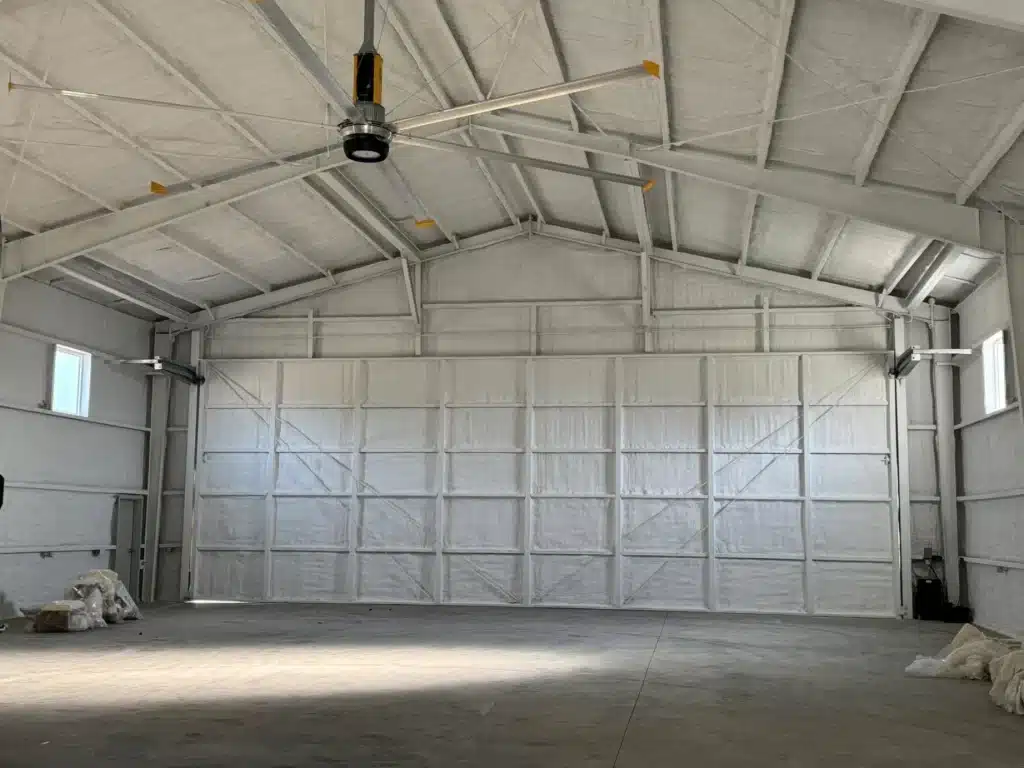
After spray foam is properly installed, you should notice a few things within the first few weeks. Your HVAC system runs shorter cycles and turns on less frequently, even on the hottest days. Rooms that were previously uncomfortable in the afternoon (especially second-floor rooms) stay closer to the thermostat setting. You may also notice reduced dust accumulation, because air-sealed homes pull in fewer particulates from attics and crawl spaces. On your energy bills, summer cooling costs should drop noticeably, particularly during peak-rate hours when outdoor temperatures are highest.
Recommendations by Home Type
New Construction Homes: Have spray foam applied to the attic roofline, all exterior wall cavities, and rim joists during the framing stage. This is the most cost-effective time because cavities are fully accessible. A complete envelope approach during build can reduce HVAC sizing requirements by 25 to 35 percent.
Existing Homes with Attic Access: Start with the attic. If ductwork runs through the attic, spray foaming the rafters brings the entire duct system into the conditioned space, which is one of the highest-ROI upgrades available in Zone 2A.
Homes on Crawl Spaces: Prioritize crawl space encapsulation with closed-cell foam on the walls and a sealed vapor barrier on the floor. This alone can cut humidity-related comfort issues significantly.
Older Homes (Pre-1990 Construction): Focus on rim joists and wall cavities first, as these homes often have no insulation in the walls and significant air leakage at the floor framing perimeter.
Get a Professional Insulation Assessment
Prestige Insulation Solutions LLC serves Seminole, AL, and the surrounding Baldwin County area with professional spray foam insulation installations tailored to Climate Zone 2A conditions. Our team evaluates your home’s specific needs, identifies the highest-impact application areas, and recommends the right foam type for each zone of your home. Whether you are building new, retrofitting an older home, or targeting a specific problem area like a humid crawl space, we provide detailed assessments and straightforward recommendations.
Call us at (850) 429-4969 or email [email protected] to get started.
Sources
- U.S. Department of Energy – Where to Insulate in a Home – Comprehensive federal guide covering all recommended insulation locations in residential buildings, from attics to foundations.
- ENERGY STAR – Recommended Home Insulation R-Values – Climate zone-specific R-value recommendations for attic, wall, floor, and basement insulation in existing homes.
- Building Science Corporation – Residential Spray Foam Guide – Technical guidance on spray foam application methods, performance characteristics, and best practices for residential construction.
- Southface Institute – 2015 IECC + 2016 Alabama Residential Field Guide – Alabama-specific climate zone map and building code compliance guidance confirming Baldwin County as IECC Climate Zone 2A.
- Insulation Institute – Alabama Building Code Reference – Code requirements and ERI targets for insulation in Alabama, including state-specific minimum R-values and air leakage standards.
Frequently Asked Questions
How much does spray foam insulation cost in Baldwin County, AL?
Spray foam costs vary based on the area being insulated and the foam type. Closed-cell foam typically costs more per board foot than open-cell, but achieves a higher R-value in less space. Contact our team for a specific quote based on your home’s square footage and project scope.
Is spray foam insulation safe for homes in hot, humid climates?
Yes, spray foam is one of the most effective insulation options for hot-humid climates like Climate Zone 2A. When properly installed, it controls both heat transfer and moisture infiltration, which are the two primary comfort challenges in Baldwin County.
How long does spray foam insulation last?
Spray foam insulation is a permanent installation. It does not sag, settle, or degrade over time like fiberglass batts, and it maintains its R-value and air-sealing properties for the life of the building when installed correctly.
Can spray foam be installed in an existing home without removing drywall?
Yes, for certain applications. Attic rafters, crawl space walls, and rim joists are all accessible without disturbing interior finishes. For wall cavities, injection foam can sometimes be used through small holes, but spray foam generally requires open cavity access for best results.
Does spray foam insulation require a vapor barrier?
Closed-cell spray foam acts as its own Class II vapor retarder, so no additional barrier is needed. Open-cell spray foam is vapor-permeable, so a separate vapor barrier may be recommended depending on the application and climate zone requirements.

- What Should You Know Before Hiring Professional Insulation Removal Services in Pensacola, FL? - October 13, 2026
- Everything You Need to Know About Professional Insulation Removal - October 7, 2026
- Which Insulation Upgrades Deliver the Best Long-Term Value in Bagdad, FL? - September 14, 2026