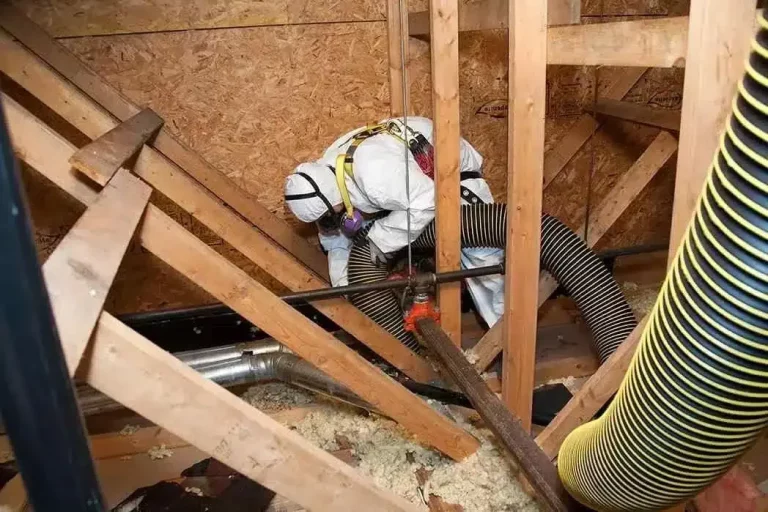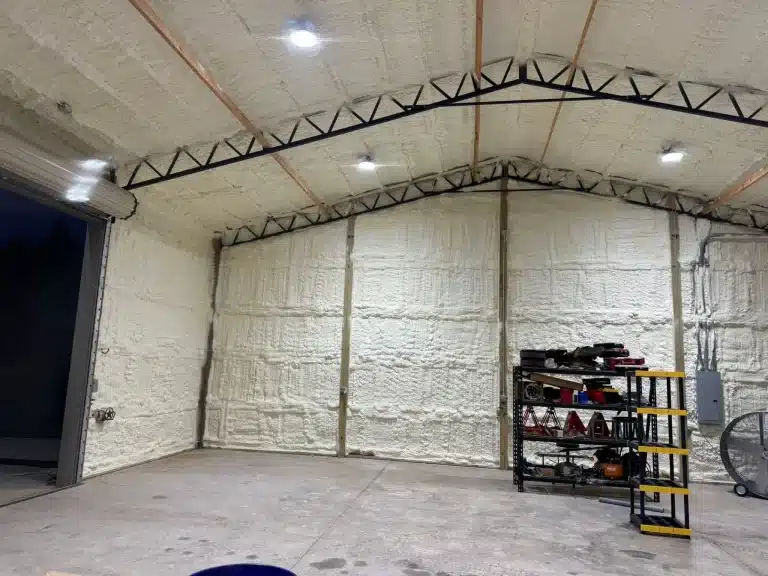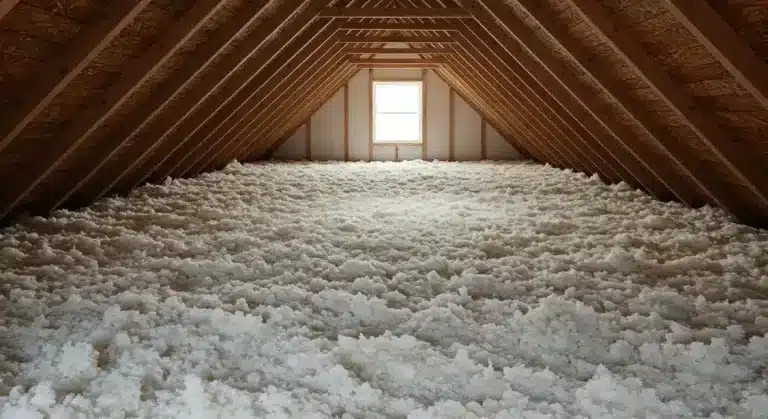
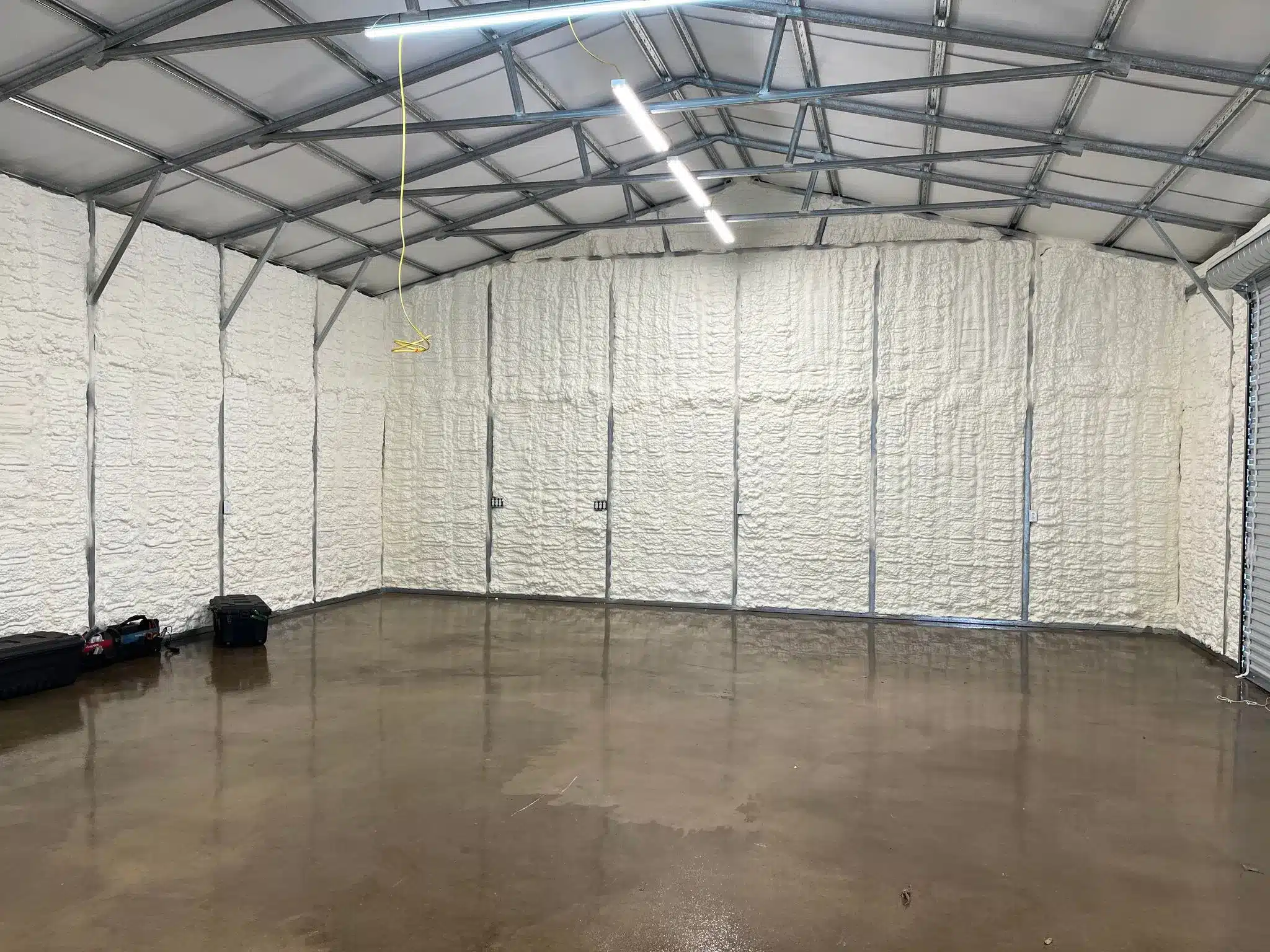
Benefits of spray foam insulation include a more airtight building envelope, significantly lower monthly utility bills, and improved structural strength. This material functions as both an insulator and an air barrier, filling small gaps that traditional materials like fiberglass or cellulose cannot reach. By expanding into every crevice, it prevents heat from escaping during the winter and keeps cool air inside during the summer.
Prestige Insulation Solutions helps property owners identify the best application areas to maximize these results. Our experience shows that a well-insulated home provides a much higher level of comfort and noise reduction. For a detailed look at how this material is applied, you can read our spray foam insulation guide.
Reducing energy consumption with thermal resistance
The most common reason homeowners choose this product is to lower their energy expenses. According to a resource from Energy Star, proper sealing and insulation can save an average of 15% on heating and cooling costs. This material has a very high R-value, which measures the ability of the foam to resist heat flow.
When heat stays where it belongs, your heating and cooling systems do not have to cycle as often. This reduces the mechanical strain on your furnace and air conditioner, potentially saving you from expensive repairs. Over the course of a year, these small daily savings add up to a significant amount of money back in your pocket.
How does it stop drafts and outdoor air?
Many people ask why their home feels drafty even when the windows are closed. Most drafts come from air leaks in the attic, basement, or around electrical outlets. Spray foam insulation benefits the home by expanding into a solid mass that blocks these invisible paths. Unlike fiberglass batts, which can allow air to pass through the fibers, this foam creates a physical wall against air movement.
Because the product starts as a liquid, it can flow into the smallest holes where pipes or wires penetrate the walls. Once it expands and hardens, it creates a custom fit seal for every unique space in your house. We recommend working with professional spray foam insulation contractors to ensure the application is even and covers all critical junctions.
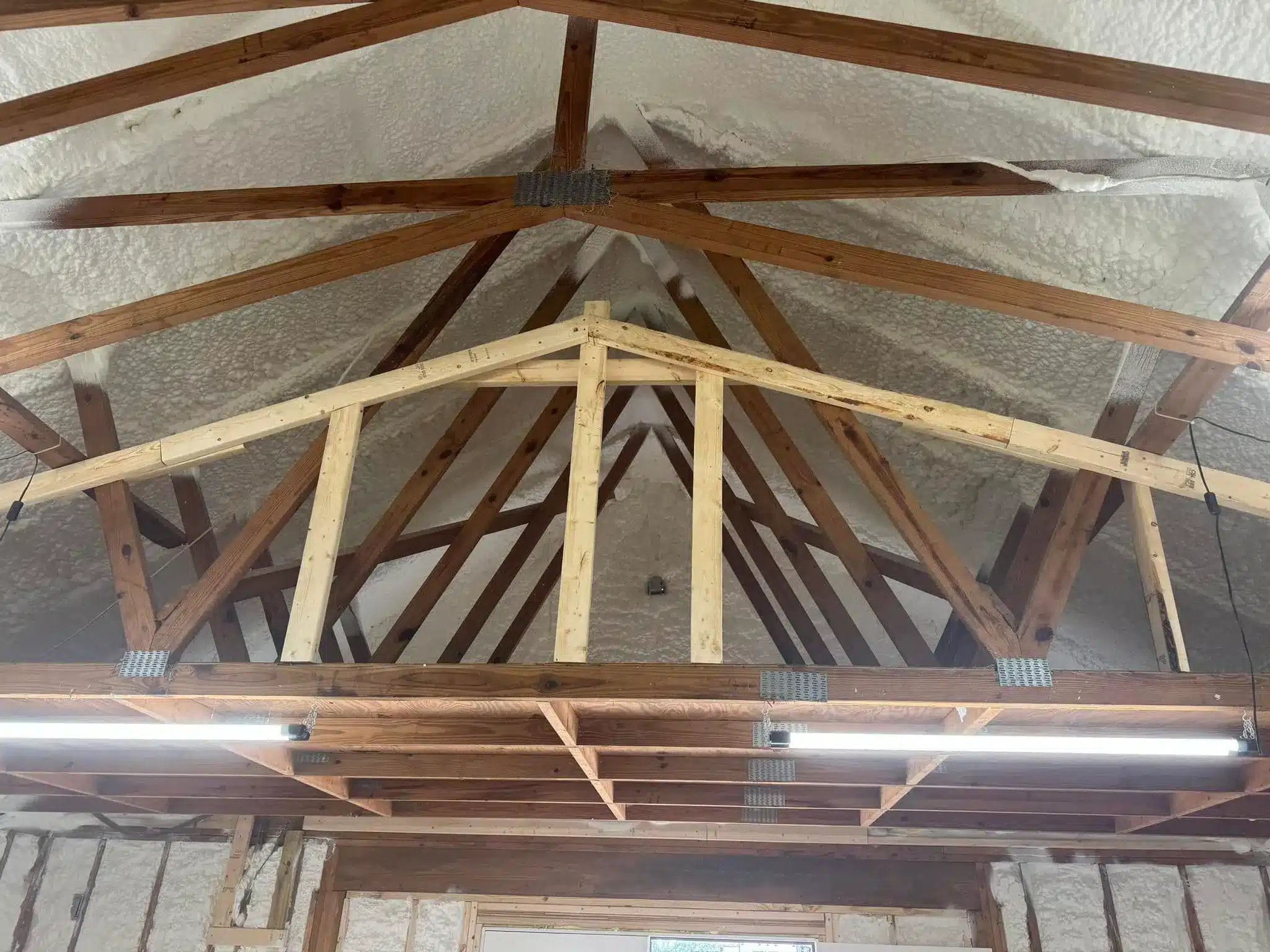
Protecting your property from moisture and mold
Moisture is a major threat to the longevity of any residential building. Foam insulation benefits the structure by preventing humid air from reaching cold surfaces where it would otherwise turn into condensation. This is especially important in crawlspaces and attics where temperature differences are the most extreme.
Closed-cell foam is virtually impermeable to water, meaning it acts as a vapor barrier. By keeping the interior of your walls dry, you eliminate the conditions needed for mold and mildew to grow. This protection helps you avoid the high costs of wood rot and structural repairs. We have found that spray foam saves money by acting as a long-term insurance policy against water damage.
Understanding the technical differences between foam types
Not all foam is the same, and choosing the right one depends on your specific needs. Open-cell foam is lighter and more flexible, making it ideal for interior walls and soundproofing. Closed-cell foam is much denser and provides a higher R-value per inch, which is better for exterior walls or areas where space is limited.
The following table compares the typical specifications of these two common types to help you understand their unique roles in your home.
| Specification | Open-Cell Spray Foam | Closed-Cell Spray Foam |
|---|---|---|
| Typical R-Value | R-3.5 to R-3.8 per inch | R-6.0 to R-7.0 per inch |
| Air Sealing | Excellent | Excellent |
| Structural Support | Minimal | High |
| Moisture Resistance | Low (Permeable) | High (Impermeable) |
| Cost | Lower | Higher |
Improving indoor air quality and comfort
Benefits of spray foam insulation for homes go beyond just temperature control. Because the foam creates a tight seal, it prevents outdoor pollutants from entering your living space. This includes dust, pollen, and smoke that often seep through small cracks in older homes. Families with allergy sufferers often notice an immediate improvement in their indoor environment.
The sound-dampening qualities of the foam also contribute to a more peaceful home. It helps block the sound of traffic, airplanes, and even loud neighbors. This makes your house feel more private and quiet, allowing for better sleep and relaxation.
Long term durability and environmental value
Traditional insulation materials like fiberglass can sag or settle over time, leaving gaps at the top of your walls. Spray foam benefits include incredible durability because the material adheres to the surface and stays in place for the life of the building. It does not require “topping off” or regular maintenance to keep its insulating properties.
Modern foam products are also becoming more environmentally friendly. Many manufacturers now use blowing agents that have a lower impact on the ozone layer. By reducing the amount of fuel or electricity needed to heat and cool your house, you are also lowering your overall carbon footprint.
Items to evaluate before you hire an installer
Before you begin your insulation project, you should inspect your roof and foundation for any existing water leaks. Spray foam should never be applied over wet wood or active plumbing leaks. If you trap moisture behind the foam, it can cause problems that are difficult to see until they become serious.
You should also check your home’s current ventilation. Because spray foam makes a house so airtight, you may need a mechanical ventilation system to ensure fresh air circulation. A professional can help you determine if your existing HVAC system is compatible with a more airtight building envelope.
Professional tips for a successful project
- Clear the area thoroughly. Installers need easy access to the attic or crawlspace to ensure they can reach every corner. Removing storage boxes and debris beforehand helps the team work more efficiently and safely.
- Plan for time away. Depending on the size of the job, you may need to stay out of the house for 24 hours while the foam cures and any odors dissipate. Always follow the specific safety guidelines provided by your installation team.
- Insulate the rim joist. Many homeowners forget the rim joist in the basement or crawlspace. This is a major source of air leakage, and sealing it with foam can have a big impact on your comfort.
Important facts about home heat loss
When you combine a high R-value with an air seal, you address both ways that heat travels. This dual-purpose nature is what makes foam superior to other methods. It provides a level of performance that helps a house meet modern energy codes with ease.
Final thoughts on home efficiency
When you look at the long term goals for your property, investing in high quality materials is a smart decision. Benefits of spray foam insulation offer a reliable way to improve your standard of living while protecting your financial investment. You will enjoy a quieter house, cleaner air, and much lower monthly costs. Evaluating your home’s current performance is the first step toward a more sustainable and comfortable future. We suggest looking at your attic and basement first, as these areas usually offer the biggest opportunities for improvement.
Frequently asked questions
How long does it take for spray foam to cure?
Most products reach a full cure within 24 hours. During this time, the chemicals react and harden into a stable solid. You should follow the installer’s advice regarding when to return.
Can spray foam be installed in an existing home?
Yes, it is often used in attics, crawlspaces, and basements of existing homes. For finished walls, installers can sometimes inject foam through small holes, though this requires specialized equipment and techniques.
Does spray foam insulation lose its effectiveness over time?
No, the material is designed to stay stable for the life of the house. It does not compress, settle, or lose its thermal resistance, provided it is not exposed to direct sunlight.
Is spray foam insulation a fire hazard?
Modern spray foam contains flame retardants and is rated for fire safety according to building codes. It is designed to resist ignition and will not act as a fuel source for fire.
How does spray foam affect the resale value of a home?
Energy efficiency is a top priority for many buyers. Having a home that is fully sealed and insulated with high performance materials can be a major selling point in a competitive market.
Sources
- Energy Star – A comprehensive guide on why sealing and insulating is the most effective way to save energy at home.

- Everything You Need to Know About Professional Insulation Removal - October 7, 2026
- Which Insulation Upgrades Deliver the Best Long-Term Value in Bagdad, FL? - September 14, 2026
- How Does Blown-In Insulation in Gonzalez, FL Fill Gaps Better Than Traditional Materials? - September 14, 2026