Establishing the correct Residential insulation R value is the most effective way to ensure a home remains energy efficient and comfortable year-round. This value measures the capacity of a material to resist heat flow, where higher numbers represent better thermal performance. Most modern homes require a combination of different ratings for the attic, walls, and floors to prevent unwanted temperature shifts.
We at Prestige Insulation Solutions understand that choosing the right thermal barrier involves more than just picking a thick material. It requires a strategic approach based on local weather and the specific architecture of the building. You can find more foundational details in our residential insulation guide to see how these standards protect your property.
Understanding the mechanics of thermal resistance
Heat naturally moves from warmer spaces to cooler ones. In the winter, heat escapes to the outside. In the summer, heat pushes into the air-conditioned interior. Thermal resistance slows this movement by creating a barrier of trapped air or specialized materials. The thickness, density, and type of material all contribute to the final rating.
A higher rating does not always mean a better product for every situation. For example, a thin layer of closed-cell spray foam might provide the same protection as a much thicker layer of fiberglass. We evaluate the specific needs of each room to determine which material fits the available space. This ensures the building envelope remains tight and efficient.
Data from the Department of Energy suggests that proper sealing and thermal barriers can reduce heating and cooling costs by a significant margin. This measures resistance a vital metric for any property owner. Understanding how these numbers work allows you to make informed decisions about your utility expenses.
Standard requirements for common household areas
The attic usually requires the highest Home insulation R value because heat rises and collects against the roof. In most regions, an attic should have a rating between R-30 and R-60. If you can see the wooden floor joists in your attic, you likely have insufficient protection and are losing money through the roof.
Exterior walls have limited space for material, so they typically carry ratings between R-13 and R-21. This depends on whether the wall uses 2×4 or 2×6 framing. Floors over unconditioned spaces like garages or crawl spaces also need protection. These areas generally require a rating of R-19 to R-30 to keep the living space above at a consistent temperature.
Our team provides specialized residential insulation services to address these varying needs. We focus on creating a continuous barrier that eliminates gaps. Gaps in your protection act like a hole in a bucket, allowing energy to leak out regardless of how high the rest of the R-value is.
3 Essential factors for regional insulation standards
Geography plays a massive role in determining how much protection a building needs. The United States is divided into different sectors based on average temperature and humidity. The Insulation R value by climate zone serves as a roadmap for builders and homeowners to meet efficiency codes.
- Southern zones usually focus on reflecting radiant heat from the sun and require lower R-values in the attic compared to northern states.
- Central zones experience both hot summers and freezing winters, requiring a balanced approach to thermal resistance.
- Northern zones demand the highest possible ratings to combat extreme cold and prevent ice dams on the roof.
Living in a region with high humidity also means you must consider vapor barriers. If moisture gets trapped inside your thermal material, the resistance drops. This can lead to a residential insulation temperature imbalance where some rooms feel much colder than others. Proper ventilation must accompany your thermal upgrades to keep the air dry.
| Area of Home | Zone 1 (Hot) | Zone 4 (Mixed) | Zone 7 (Very Cold) |
|---|---|---|---|
| Attic | R-30 to R-49 | R-38 to R-60 | R-49 to R-60 |
| Wall Cavity | R-13 to R-15 | R-13 to R-15 | R-13 to R-21 |
| Floor | R-13 | R-25 to R-30 | R-30 |
| Basement Wall | N/A | R-10 | R-15 |
How material choice impacts thickness and performance
Different materials offer different levels of resistance per inch of thickness. This is why a specific Recommended R value for insulation might be achieved using ten inches of one material or only five inches of another. Fiberglass batts are a common choice because they are affordable and easy to install in standard wall cavities.
Cellulose is a denser option made from recycled paper. It often provides a higher rating per inch than fiberglass and does a better job of blocking air movement. Mineral wool is another excellent alternative that offers fire resistance and sound dampening alongside thermal protection. It is much heavier and denser than fiberglass.
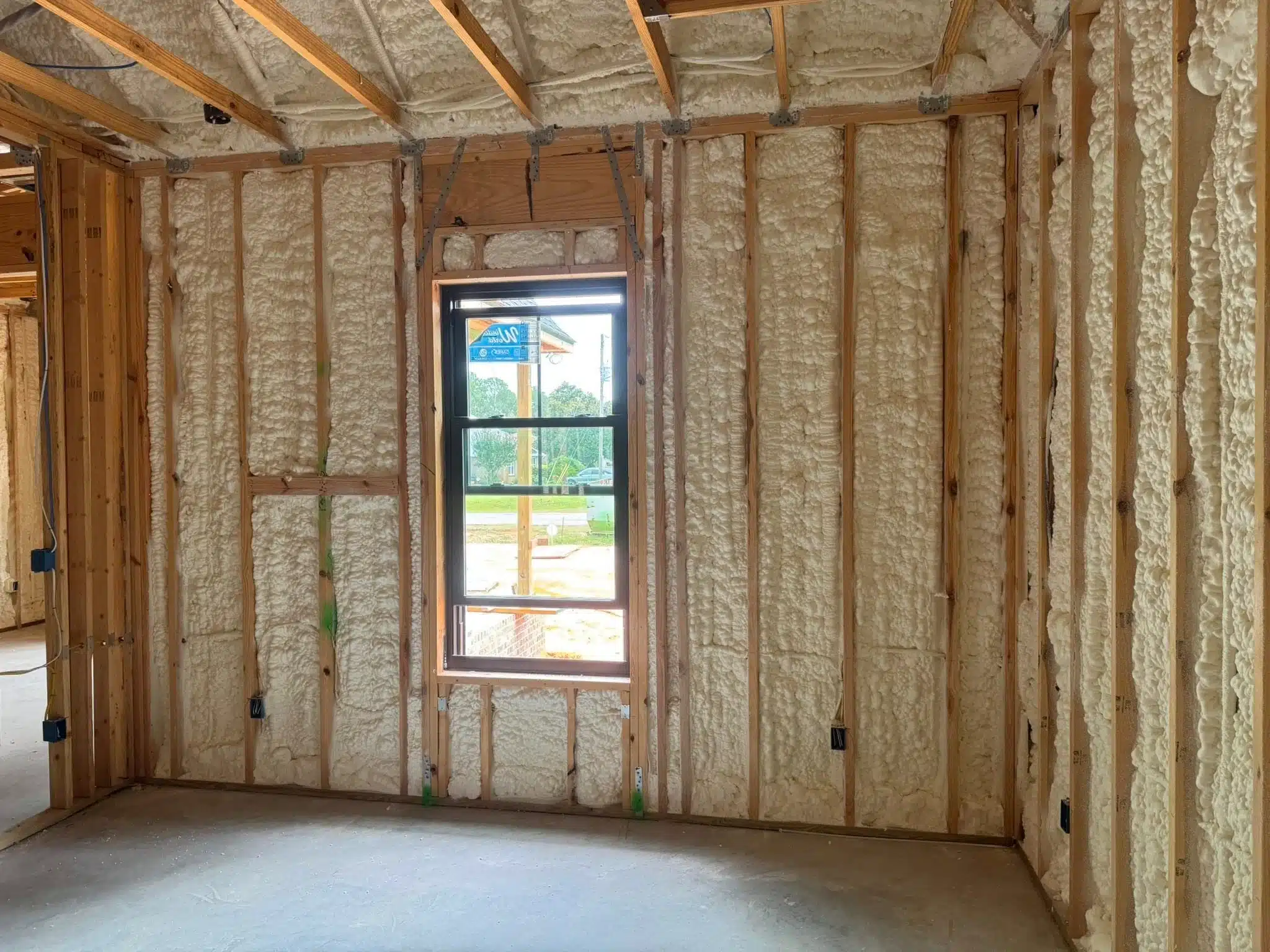
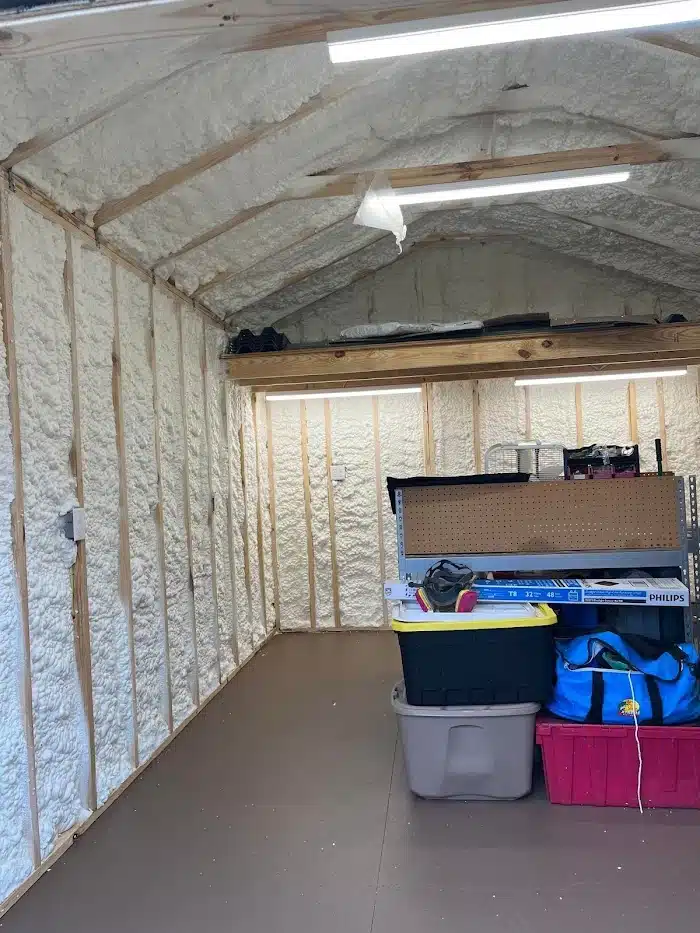
Spray foam is the most robust option available. Closed cell foam can offer a rating as high as R-6.5 per inch. It also acts as an air seal, which means it stops drafts and heat transfer at the same time. This dual purpose often makes it the most efficient choice for difficult areas like rim joists or cathedral ceilings.
Things to evaluate before you upgrade your thermal barrier
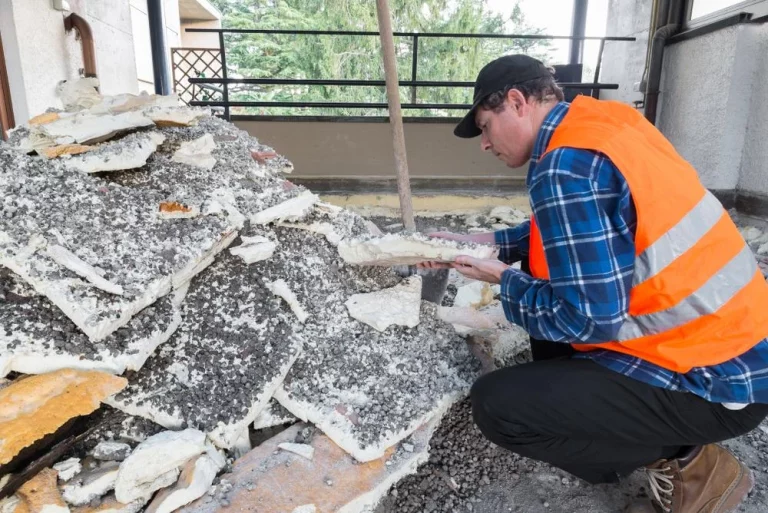
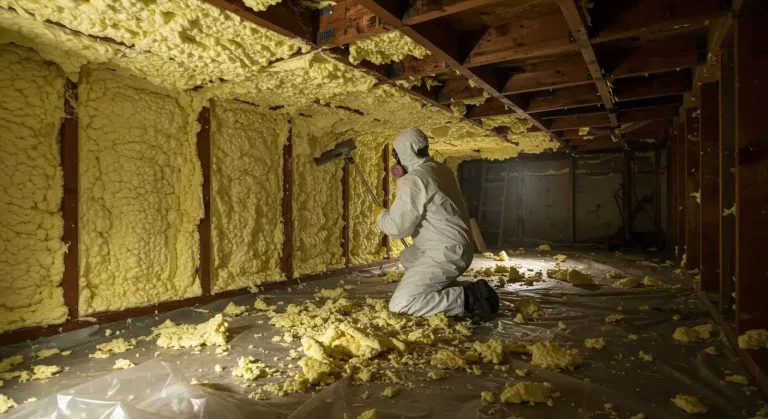
You must check the condition of your current material before adding more. If the old material is compressed, it has lost its effectiveness. Adding new layers on top of flattened material will not provide the full rated benefit. It is often better to remove old, dusty, or damp material before starting fresh.
Moisture is the enemy of thermal resistance. If you have a roof leak or a plumbing issue, you must fix it before installing new material. Wet fiberglass or cellulose can grow mold and will not hold heat. We always inspect for water damage or signs of pests before we recommend a specific course of action.
Air leakage is another critical factor. Insulation is not the same as an air seal. Air can blow right through fiberglass. You should use caulk or expanding foam to seal gaps around pipes, wires, and chimneys before you put the main thermal layers down. This prevents the chimney effect from pulling conditioned air out of your home.
Professional insights for long term energy savings
One common mistake is over-insulating without considering ventilation. If you pack an attic too tight, you might block the soffit vents. This prevents air from circulating under the roof deck. Without airflow, moisture builds up and the wood can rot. We use baffles to keep these vents clear while still providing maximum thermal coverage.
Bonus Tip 1 Always check the labeling on the packaging. The R-value is only guaranteed if the material is installed at the correct thickness without compression. If you squeeze an R-30 batt into a 2×4 wall, it will only perform at about R-13.
Bonus Tip 2 Consider the rim joist in your basement or crawl space. This is the area where the house frame meets the foundation. It is a major source of cold air infiltration. Sealing and insulating this small area can make the floors on the first story feel much warmer.
Conclusion on thermal protection
Selecting the right Residential insulation R value is a long term investment in the health and efficiency of your property. By following the standards set for your climate zone and ensuring professional installation, you can maintain a stable indoor environment. This reduces the load on your heating and cooling systems, which extends their lifespan and lowers your energy costs. We encourage property owners to audit their current levels every few years to account for material settling or damage.
Contact us for a professional assessment
We are dedicated to helping you achieve the highest standards of energy efficiency. Our team at Prestige Insulation Solutions offers expert guidance to ensure your property meets all local requirements for comfort and savings. You can contact us at (850) 429-4969 or via email at [email protected] for more information. We provide a free quote to help you determine the best path forward for your home. Reach out to us today to start your journey toward a more efficient living space.
Frequently asked questions about thermal ratings
Can I have too much insulation?
Yes, you can. If you over-insulate without proper ventilation, you may trap moisture in your attic. This can lead to mold growth and damage the structural integrity of your roof.
Does R-value change as the material ages?
Some materials like cellulose or loose-fill fiberglass can settle over time. As the material loses thickness, the total R-value of the layer decreases. It is important to check levels periodically.
Is spray foam better than fiberglass?
Spray foam typically offers a higher rating per inch and provides an air seal. However, fiberglass is more cost effective for many homeowners and works well when installed correctly with air sealing.
Why are attic requirements so much higher than walls?
Heat naturally rises, making the attic the primary area for heat loss in winter. In summer, the sun beats down on the roof, making the attic the hottest part of the house.
How do I find my climate zone?
The Energy Star website provides a map and a search tool by zip code. This allows you to identify exactly which requirements apply to your specific geographic location.
Sources
- Energy Star – The official government resource for energy efficiency standards and climate zone recommendations in the United States.
- Department of Energy – Provides comprehensive data on heat transfer, insulation materials, and the science behind thermal resistance.

- What Types of Insulation Can Be Professionally Removed From Your Home Safely and Efficiently in Pensacola, FL? - October 16, 2026
- What Should You Know Before Hiring Professional Insulation Removal Services in Pensacola, FL? - October 13, 2026
- Everything You Need to Know About Professional Insulation Removal - October 7, 2026