Best insulation for humid climates involves selecting materials that do not absorb water and resist mold growth. Closed-cell spray foam and mineral wool represent the top choices for these conditions because they maintain their structural integrity and thermal resistance when exposed to moisture. Prestige Insulation Solutions prioritizes these materials to ensure long-term durability in damp environments.
This guide provides a detailed look at how different materials perform in wet conditions. You will learn about vapor barriers, R-values, and the specific properties that make certain products superior for coastal or humid subtropical regions. We utilize this insulation complete guide to help homeowners understand how material science affects home comfort.
What makes certain materials better for wet climates?
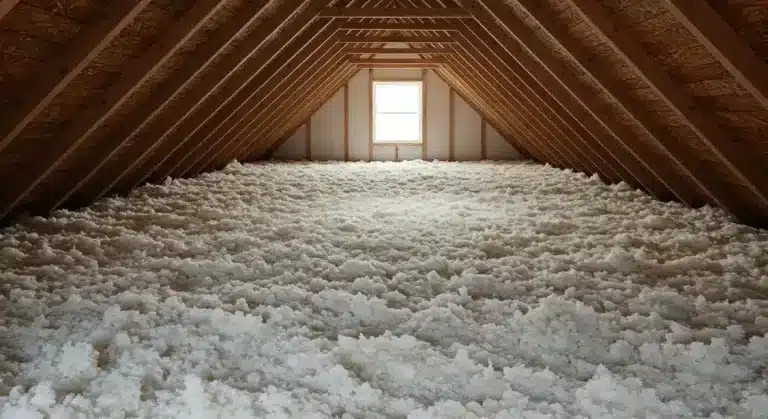
Humidity levels impact how heat moves through your walls and ceilings. In damp areas, traditional materials like fiberglass or cellulose can act like a sponge. When these materials trap water, they lose their R-value and become breeding grounds for biological growth. The most effective options for these climates are hydrophobic, meaning they naturally shed water rather than soaking it up.
High performance in these regions depends on a material’s ability to handle vapor diffusion. According to a report by the Environmental Protection Agency, managing moisture is a fundamental step in maintaining indoor air quality and building longevity. Materials that provide a built-in vapor retarder or allow for rapid drying are preferred in environments where the air is consistently saturated.
Top materials for humid environments
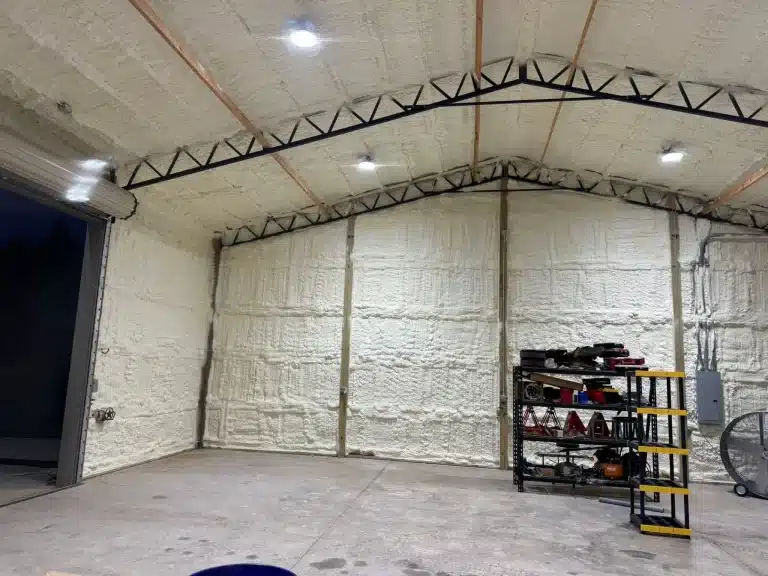
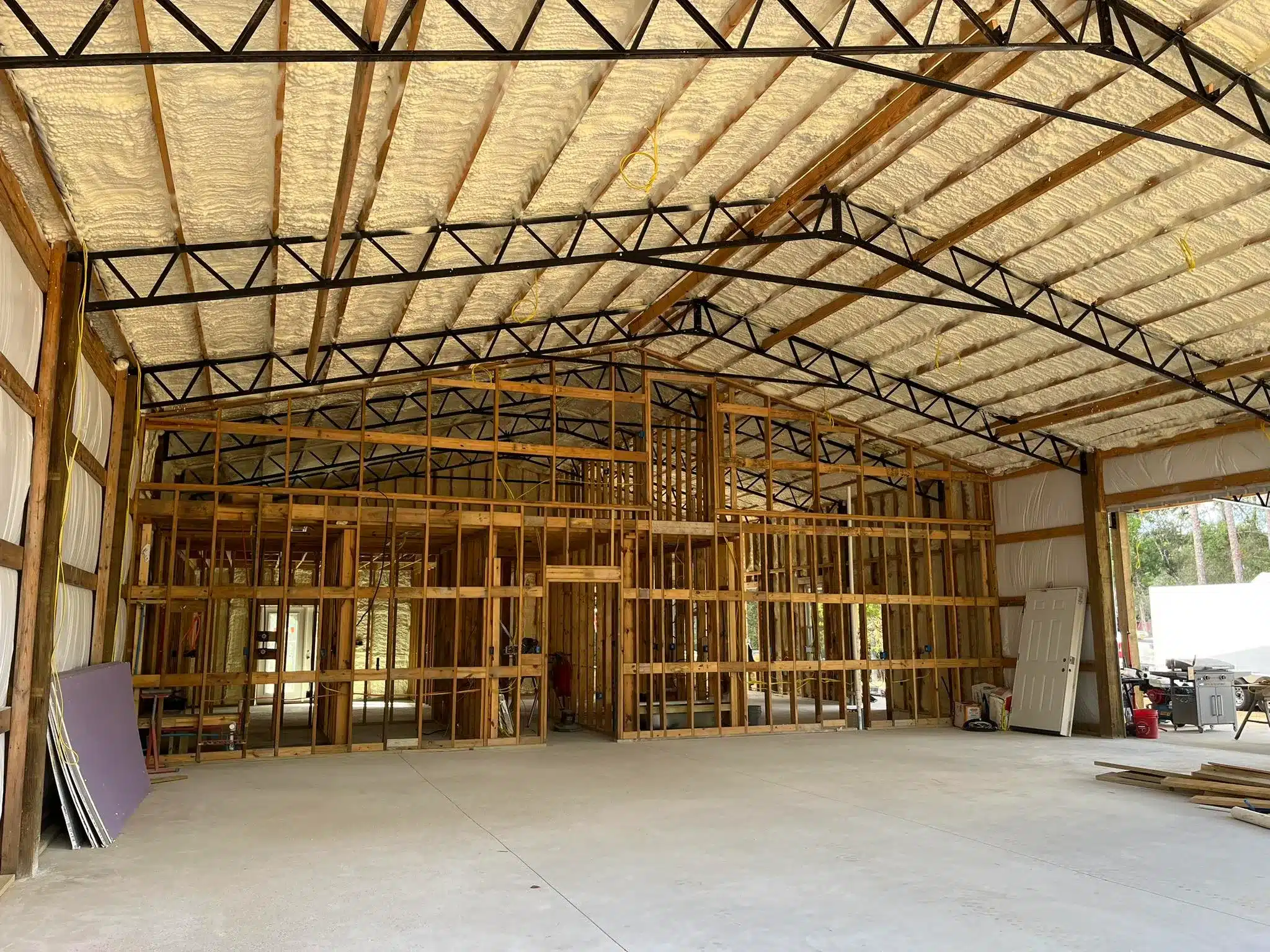
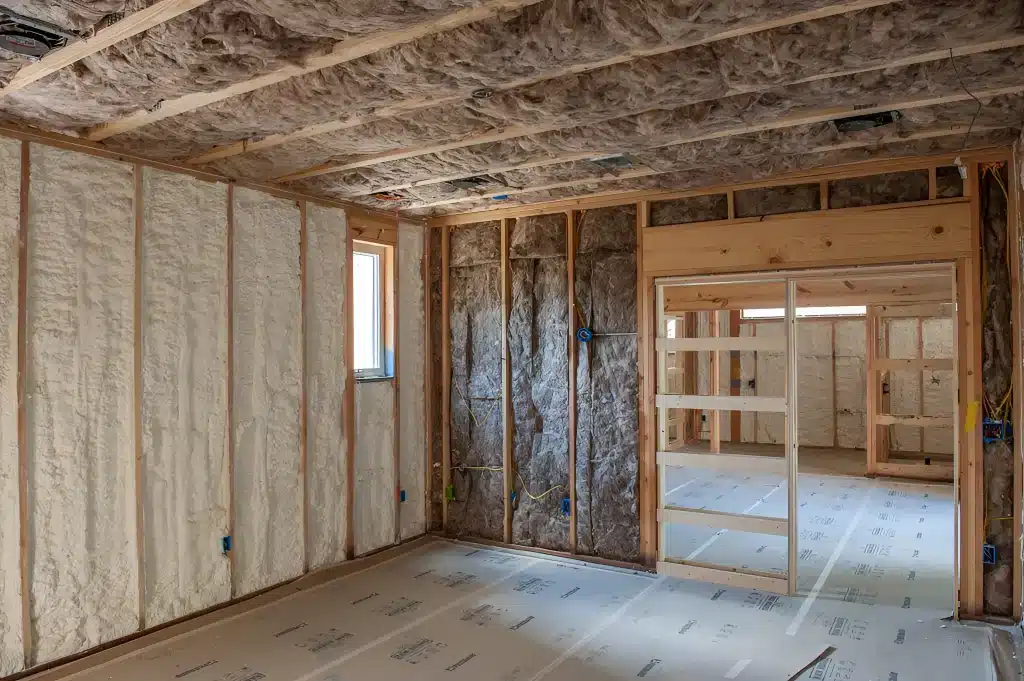
Selecting the best insulation for high moisture areas requires looking at inorganic options. Closed-cell spray foam stands out because it expands into a dense, plastic-like solid. This structure creates an air seal and a vapor barrier simultaneously. Because it does not have air pockets where water can collect, it remains effective even if the surrounding area is damp.
Mineral wool is another excellent choice for these conditions. It is made from volcanic rock and steel slag, making it naturally resistant to water, fire, and rot. Unlike fiberglass, mineral wool does not sag or lose its shape when it gets wet. It allows moisture to pass through and evaporate rather than trapping it against the wood framing of your house.
Performance comparison for moisture resistance
The following table highlights the technical differences between common materials used in damp climates. Note how R-value and vapor permeability change based on the material composition.
| Insulation Material | R-Value Per Inch | Moisture Absorption | Vapor Barrier Required |
|---|---|---|---|
| Closed-Cell Spray Foam | 6.5 to 7.0 | Very Low | No |
| Mineral Wool | 3.0 to 3.3 | Low | Recommended |
| Rigid Foam Board (XPS) | 5.0 | Low | No |
| Fiberglass Batts | 3.1 to 3.4 | High | Yes |
| Cellulose | 3.2 to 3.8 | High | Yes |
How the best insulation for moisture control works
Effective thermal barriers do more than just block heat. The best insulation for moisture control manages how air moves between the interior and exterior of the building. In humid climates, warm air carries a significant amount of water vapor. When this air leaks into your walls and hits a cooler surface, it turns into liquid water.
By using air-impermeable materials, we stop this air movement. This prevents the “stack effect” where humid air is pulled from crawl spaces or basements up into the living areas. Prestige Insulation Solutions focuses on creating a tight building envelope to reduce the workload on your air conditioning system and lower energy costs.
Bonus Tip 1 When insulating a crawl space in a high-humidity area, always prioritize a ground vapor barrier. Even the best wall material cannot overcome constant evaporation from raw earth.
Strategies to stop condensation in walls
Condensation is the primary enemy of structural wood. Using the best insulation to prevent condensation involves placing a barrier on the side of the wall where the humidity is highest. In hot, humid climates, this is usually the exterior side. In colder climates, it is the interior side.
Rigid foam board is a common solution for this issue. When installed on the exterior of the studs, it keeps the wall cavity warm enough to stay above the dew point. This prevents water from forming on the wood. This method is particularly effective for new construction or major renovations where the siding is being replaced.
Evaluating if does insulation help with humidity
Many homeowners ask does insulation help with humidity during the summer months. The answer is yes, provided the installation includes an air seal. While insulation itself does not remove water from the air like a dehumidifier, it stops humid outdoor air from entering your home through gaps in the attic or walls.
A study from the Department of Energy confirms that air sealing combined with proper thermal barriers can reduce heating and cooling costs by up to 15%. This process ensures that the dry, conditioned air produced by your HVAC system stays inside while the muggy outdoor air stays outside. This insulation makes homes stable and secure by providing a consistent barrier against environmental changes.
Factors to consider before choosing a material
Before making a final decision, you must evaluate the specific needs of your building. Cost is often the first thing people look at, but durability in wet conditions provides better long-term value.
- Local Climate Zones: Coastal areas with salt spray require different considerations than inland humid forests.
- Building Age: Older homes may need breathable materials to avoid trapping moisture in old wood.
- Installation Access: Spray foam is easier for finished walls, while batts are simpler for open attics.
- Budget vs. Lifespan: Inorganic materials usually cost more upfront but do not need replacement after a minor leak or flood.
Bonus Tip 2 If you choose mineral wool, ensure you use stainless steel fasteners or specialized clips. Standard staples can rust over time in high-humidity areas, leading to sagging batts.
Managing crawl spaces and basements
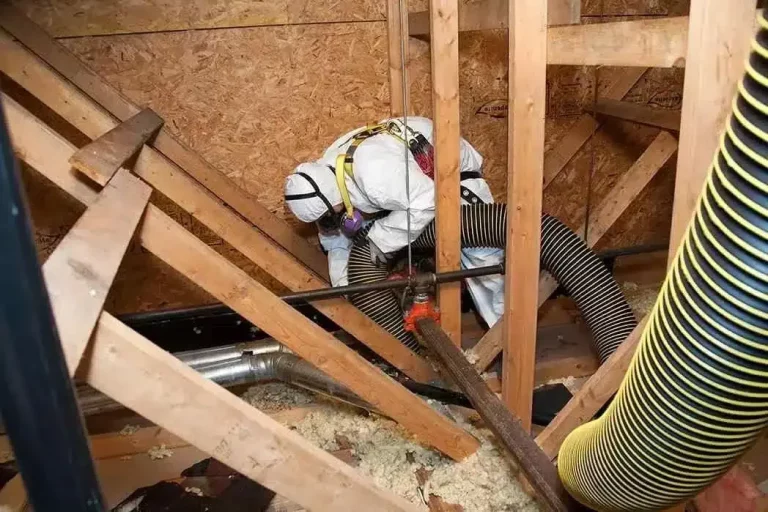
Crawl spaces are often the most humid parts of a home. We recommend using closed-cell foam or rigid foam board in these areas. These materials do not support the growth of mildew. If you use fiberglass in a crawl space, it often absorbs moisture from the ground, becomes heavy, and falls out of the floor joists.
Basement walls also require careful planning. Water can seep through concrete foundations. Using a moisture-insensitive material like extruded polystyrene (XPS) allows the wall to stay insulated without rotting. This protects your finished basement from the musty smells often associated with damp lower levels.
Commercial considerations for high performance
For businesses and larger residential properties, the best insulation for high humidity must also meet strict fire codes. Mineral wool is the preferred choice here because it combines moisture resistance with a high melting point. This ensures that the building remains safe and dry even under heavy use.
Our team understands that every square foot of a building contributes to its overall efficiency. Selecting the wrong material in a humid zone leads to high maintenance costs and potential health risks for occupants. We focus on science-based applications to avoid these common pitfalls.
Selecting the right solution for your home
Determining the best insulation for high humidity requires a balance of material properties and proper installation techniques. You should prioritize inorganic, hydrophobic materials like closed-cell spray foam or mineral wool to prevent mold and maintain R-value. Always ensure that air sealing is part of the process to stop humid air from infiltrating your living spaces. Evaluate your local climate and specific building needs to choose a solution that offers long-term protection against moisture damage.
Prestige Insulation Solutions
We provide expert guidance and professional installation for all your moisture management needs. Our team focuses on high-quality materials that protect your property from the effects of damp climates. If you need assistance choosing the right products for your project, contact us at (850) 429-4969 or email [email protected]. We offer a free quote to help you get started on making your home more comfortable and energy-efficient.
Frequently Asked Questions
Can insulation alone stop mold growth?
No, insulation does not kill mold. It prevents mold by removing the moisture and food sources mold needs to grow, especially when you use inorganic materials like mineral wool.
Is fiberglass safe for high humidity attics?
Fiberglass can be used if a proper vapor barrier is present. However, it often traps moisture and loses its effectiveness, making it less ideal than spray foam or mineral wool.
What is the difference between a vapor barrier and a retarder?
A vapor barrier almost completely stops moisture movement, while a retarder slows it down. The choice depends on your specific climate and whether the wall needs to breathe.
How do I know if my insulation is wet?
Look for dark spots, a musty odor, or sagging material. You can also use a moisture meter to check the levels inside wall cavities without removing the drywall.
Does spray foam prevent wood rot?
Closed-cell spray foam protects wood by keeping it dry and preventing humid air from reaching it. However, it must be installed correctly to avoid trapping existing moisture inside the wood.
Sources
- Department of Energy – Provides data on energy savings and air leakage statistics for residential buildings.
- Environmental Protection Agency – Offers a comprehensive guide on moisture control and its impact on indoor air quality.
- Building Science Corporation – A technical resource explaining vapor diffusion and the performance of different building materials.

- Everything You Need to Know About Professional Insulation Removal - October 7, 2026
- Which Insulation Upgrades Deliver the Best Long-Term Value in Bagdad, FL? - September 14, 2026
- How Does Blown-In Insulation in Gonzalez, FL Fill Gaps Better Than Traditional Materials? - September 14, 2026