The attic is almost always the single largest source of energy loss in a Milton, FL home. Hot air rises year-round, which means conditioned air escapes through uninsulated or under-insulated attic floors, and during Florida’s long summers, radiant heat from the sun pours through the roof and radiates directly into your living spaces. Understanding complete insulation solutions can help homeowners identify the right approach for reducing attic heat transfer and improving overall energy efficiency. After the attic, the biggest problem areas are exterior walls, windows and doors, floors over crawlspaces, and ductwork running through unconditioned spaces. Each of these areas contributes to higher utility bills and uneven indoor comfort differently, and addressing them in the right order makes a meaningful difference in how your home performs during both the intense heat of summer and the occasional winter cold snaps we experience here in the Florida Panhandle.
TL;DR
- The attic accounts for the largest share of energy loss in most homes, especially in hot climates like Milton’s, where radiant heat from the roof drives cooling costs up significantly
- Heating and cooling account for 50 to 70% of the energy used in the average American home, and inadequate insulation is one of the leading causes of that waste.
- Air leakage through the building envelope is responsible for roughly 4 quads of energy use per year across the U.S., making it the single largest contributor to heating energy loss in both residential and commercial buildings, per DOE/ORNL research
- ENERGY STAR estimates that proper air sealing combined with attic, floor, and crawlspace insulation can save homeowners an average of 15% on heating and cooling costs
- Nine out of ten homes in the U.S. are under-insulated, meaning most Milton homeowners are likely losing money every month without realizing it
- Milton, FL falls within ASHRAE Climate Zone 2, where the ENERGY STAR recommended R-value for an uninsulated attic retrofit is R-30, or R-38 if you already have 3 to 4 inches of existing insulation
- Radiant barriers are particularly effective in hot climates because they reduce downward radiant heat flow into attic spaces, which is the primary heat transfer mechanism during Florida summers.
- Addressing air sealing before adding insulation is essential, since insulation alone will not stop air movement through gaps and cracks in the building envelope
How Heat and Air Escape: The Science Behind the Loss
Heat moves through your home by three mechanisms: conduction (heat passing through solid materials like drywall and wood), convection (warm air rising and cool air sinking), and radiation (heat traveling as infrared energy, which is the dominant force in a hot climate like ours). Inadequate insulation fails to slow all three. Building insulation works by creating resistance to these heat flows, primarily through materials that trap still air or reflect radiant energy. When insulation is missing, compressed, poorly installed, or simply too thin for the climate zone, your HVAC system works overtime to compensate for the continuous exchange of heat between your conditioned living space and the outdoors.
Milton sits in the humid subtropical belt, which means our homes face a unique dual challenge: intense solar radiation for most of the year and periodic cold fronts in winter. The building envelope, which includes everything that separates conditioned space from unconditioned space, is where this heat exchange happens. If any part of that envelope is weak, a professional spray foam insulation contractor can help identify insulation and air-sealing deficiencies that contribute to unnecessary energy loss. Your energy bills reflect the performance of that envelope.
The Six Problem Areas Ranked by Impact
1. Attic and Roof System
The attic is the top priority for nearly every home in Milton. In summer, roof surface temperatures can exceed 150 degrees Fahrenheit under direct sun. That heat radiates through the roof decking and into the attic space, making Milton insulation services an important consideration for reducing heat transfer and improving attic performance. If your attic floor has little or no insulation, or if existing insulation has settled, compressed, or been disturbed over the years, this heat transfer happens with almost no resistance.
In winter, the process reverses. Warm indoor air naturally rises through ceiling penetrations, recessed lights, and attic hatches, carrying your paid-for heating straight out through the roof. The DOE/ORNL building envelope research has identified that air leakage is the largest single contributor to heating energy loss, and the attic is the primary pathway for that stack-effect-driven loss.
For Climate Zone 2 homes, ENERGY STAR recommends adding attic insulation to a level of R-30 for previously uninsulated attics, or R-38 if you already have some coverage. Radiant barriers are also worth considering in our climate because they specifically address downward radiant heat flow, which is the dominant mechanism during our long cooling season.
2. Exterior Walls
Exterior walls represent the largest surface area of your building envelope, so even moderate insulation deficiencies add up to significant total energy loss. Many older homes in the Milton area were built with little or no wall insulation, and even newer construction sometimes includes only R-13 fiberglass batts in standard 2×4 cavities, which is the minimum for our zone but far from optimal.
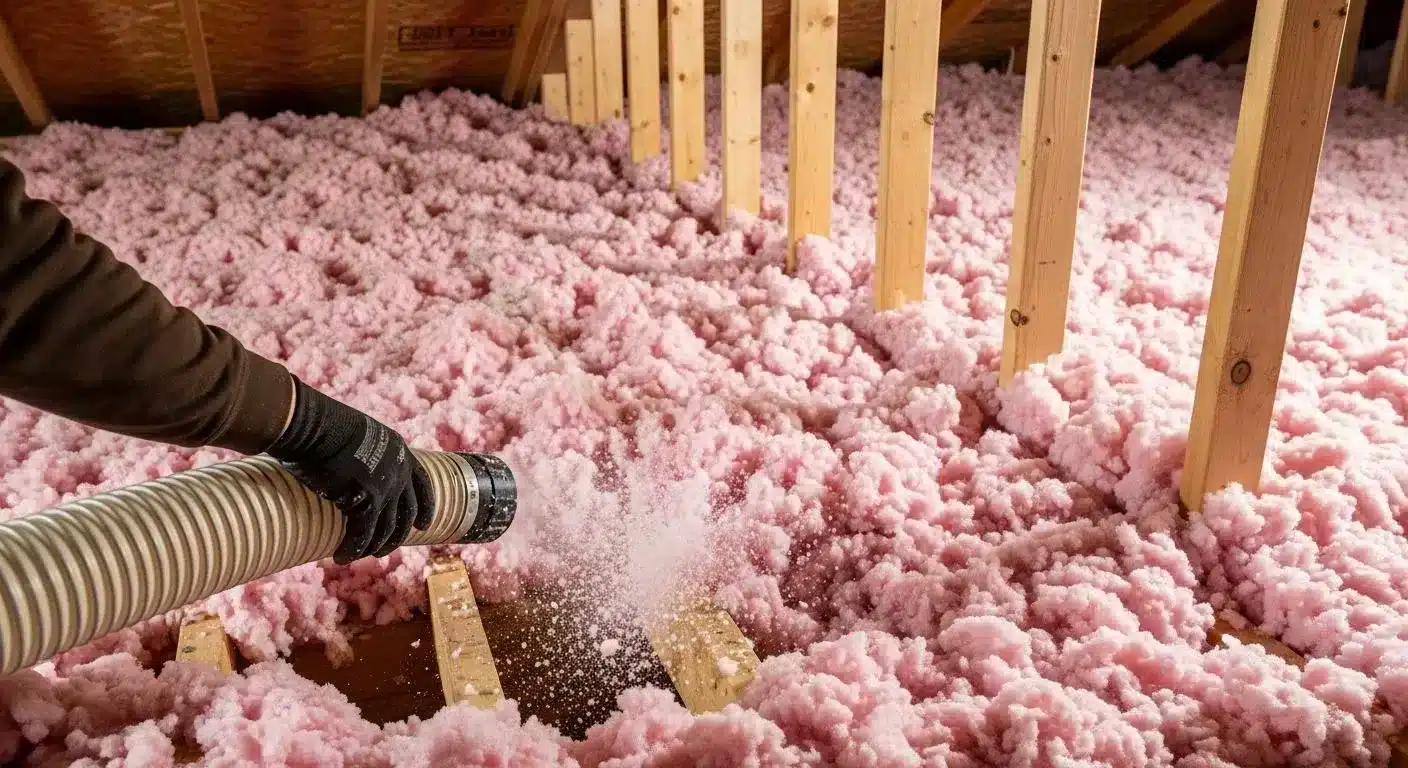
Wall insulation problems are harder to spot because you cannot easily see inside the wall cavity. Common signs include rooms that feel noticeably different in temperature from the rest of the house, exterior walls that are hot or cold to the touch, and higher-than-expected energy bills. Retrofitting wall insulation typically requires blowing cellulose or fiberglass through small holes drilled in the exterior or interior, which makes it a project best left to professionals.
3. Windows and Doors
Windows and doors are the weakest points in any wall assembly. Standard single-pane glass has an R-value of roughly 0.17 in metric terms, which is almost no thermal resistance at all. Even double-pane windows with low-e coatings only reach about R-3 to R-4, far below what your walls provide. The frames, weatherstripping, and caulking around these openings also degrade over time, creating gaps that allow unconditioned air to flow freely.
For Milton homeowners, the Solar Heat Gain Coefficient (SHGC) of your windows matters as much as their insulating value. SHGC measures how much solar radiation passes through the glass. In our climate, lower SHGC ratings are better because they block more of the sun’s heat from entering your home in the first place.
4. Floors Over Crawlspaces and Unconditioned Spaces
Many homes in the Milton area are built on pier-and-beam foundations with open or partially enclosed crawlspaces. If the floor above the crawlspace is uninsulated or under-insulated, conditioned air escapes downward through gaps between floorboards, around plumbing penetrations, and through electrical outlets mounted in the floor. In summer, hot, humid air from the crawlspace rises into your living space, forcing your air conditioner to both cool and dehumidify that additional moisture load.
ENERGY STAR recommends R-13 floor insulation for Climate Zone 2 retrofits. Proper crawlspace insulation also requires a ground-moisture barrier, sealed rim joists, and attention to any ductwork running through the space.
5. Ductwork in Unconditioned Spaces
Ductwork is often overlooked as an insulation problem, but leaky or uninsulated ducts in attics and crawlspaces can waste 15 to 25% of the energy your HVAC system produces. In Milton’s climate, duct temperatures in a hot attic can easily reach 130 degrees or more in summer. If your supply ducts are not insulated, the air inside loses its cooling effect before it ever reaches your rooms. Return ducts pull hot attic air into the system through even small leaks, further reducing efficiency.
Sealing duct joints with mastic and wrapping them with R-6 insulation is a straightforward upgrade that pays for itself relatively quickly.
6. Basements and Rim Joists
While less common in our area than crawlspaces, some Milton homes do have basements or partial basements. The rim joist area, where the floor framing meets the foundation wall, is a frequent trouble spot. These areas are often left uninsulated during construction and contain numerous penetrations for plumbing, wiring, and ventilation that create air leakage paths. Rim joist insulation also helps prevent condensation issues that can lead to mold growth in humid climates.
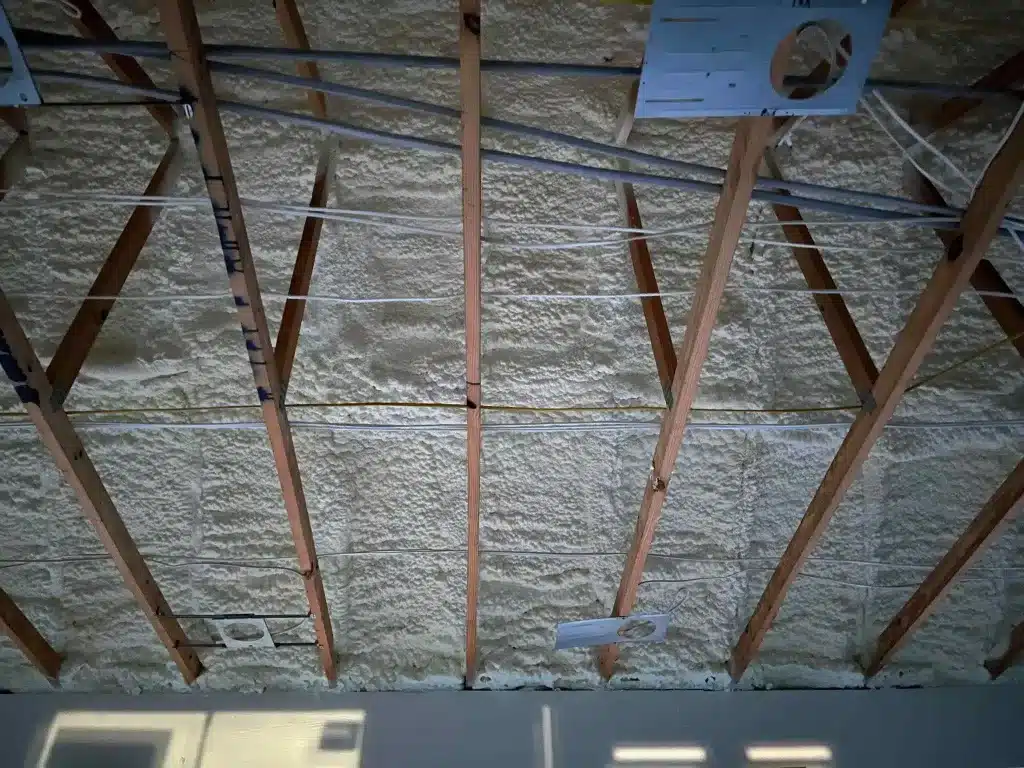
Where to Start: Priority Matrix for Milton Homeowners
Not every homeowner can tackle all six areas at once. The table below ranks each problem area by its typical impact on energy bills in our climate zone, along with the effort level and relative improvement you can expect.
| Problem Area | Typical Impact in Hot-Humid Climate | Upgrade Effort | Relative Improvement |
|---|---|---|---|
| Attic insulation and air sealing | Highest | Low to moderate | Immediate and significant |
| Duct sealing and insulation | High | Low | Moderate to significant |
| Floors over crawlspaces | Moderate to high | Moderate | Noticeable improvement |
| Exterior wall insulation | Moderate | High (retrofit) | Gradual but worthwhile |
| Window and door upgrades | Moderate | Moderate to high | Depends on existing conditions |
| Rim joist/basement insulation | Low to moderate | Low to moderate | Measurable improvement |
Air Sealing Comes First, Insulation Second
One of the most common mistakes homeowners make is piling new insulation into an attic without first sealing the air leaks beneath it. The DOE Insulation Fact Sheet explicitly warns that insulation alone will not stop air leaks between the living space and the attic. Warm air will simply flow through gaps around recessed lights, electrical boxes, plumbing stacks, and attic hatches, then find its way through or around the insulation. Once insulation covers those penetrations, they become much harder and more expensive to access and seal later.
Common attic air leakage points include:
- Gaps around recessed light fixtures and ceiling fans
- Attic access hatches and pull-down stairs
- Plumbing vent stacks and electrical wiring penetrations
- Wall-to-ceiling intersections, especially at interior partition walls
- Duct chases and utility penetrations from below
Air sealing these pathways before adding insulation ensures you get the full performance from every inch of insulation you install.
Signs Your Home Is Losing Energy Through Inadequate Insulation
You do not always need a professional energy audit to identify insulation problems, though having one performed is a good idea. Several everyday indicators suggest your home is under-insulated:
- Certain rooms are consistently hotter in summer or colder in winter than others
- Your HVAC system runs noticeably longer cycles than it used to
- You feel drafts near exterior walls, windows, or ceiling areas
- Your energy bills have risen steadily without changes in usage or rate structure
- Ice dams form on the roof during winter cold snaps (a clear sign of attic heat loss)
- You can see the attic joists through your existing insulation, meaning the coverage is too thin
A professional insulation contractor can confirm these observations with tools like thermal imaging cameras and blower door tests, which measure the actual air leakage rate of your home.
What Makes an Insulation Upgrade Worthwhile in Milton
Living in Climate Zone 2 means our insulation priorities differ from homes in colder northern regions. In Milton, the cooling load dominates for most of the year, so attic insulation and radiant heat management matter more than deep wall insulation for the average homeowner. That said, the few cold weeks we get each winter still demand adequate insulation to keep heating costs reasonable and indoor comfort consistent.
An effective insulation strategy for our area should address radiant heat gain through the roof, conductive heat loss through walls and floors, and convective air leakage through the building envelope. All three mechanisms are active simultaneously, and ignoring any one of them limits the effectiveness of upgrades to the others.
Get a Professional Insulation Assessment for Your Milton Home
Prestige Insulation Solutions LLC helps Milton, FL homeowners identify exactly where their homes are losing energy and recommends targeted insulation solutions designed for our hot-humid climate. Our team evaluates your attic, walls, crawlspaces, and ductwork to build a clear picture of where conditioned air is escaping and where outside heat is entering, so you can make informed decisions about where to invest first.
Request a Quote | Schedule an Insulation Assessment
Call us at (850) 429-4969 or email [email protected] to get started. We take the guesswork out of home insulation so you can stop paying to condition air that is escaping through your attic, walls, and crawlspaces.
Frequently Asked Questions
How do I know if my attic has enough insulation?
Look across your attic floor. If you can see the ceiling joists (the wooden framing members) poking through the insulation, the level is too low. For Climate Zone 2, you should have enough insulation to reach an R-value of at least R-30.
Can I add new insulation on top of old insulation?
Yes, in most cases you can layer new insulation over existing material. Use unfaced batts or blown-in insulation when adding to existing coverage, and avoid placing a vapor barrier between the old and new layers.
Is a radiant barrier worth it in Milton, FL?
Radiant barriers are particularly effective in hot climates because they reduce downward radiant heat transfer, which is the primary way heat enters through the roof during our long cooling season. They are most effective when installed at the roof rafters rather than on the attic floor.
How long does an insulation upgrade take?
Most attic insulation projects can be completed in a single day. Wall insulation retrofits, crawlspace encapsulation, or whole-home energy upgrades may take two to three days depending on the scope of work.
Will adding insulation help with humidity in my home?
Insulation itself does not remove humidity, but when combined with proper air sealing it reduces the amount of warm, moist outdoor air that enters your home. This lowers the dehumidification load on your air conditioning system and helps maintain more consistent indoor humidity levels.
Sources
- DOE/ORNL Insulation Fact Sheet – Comprehensive Department of Energy fact sheet covering how insulation works, recommended R-values by climate zone, and air sealing guidance for existing and new homes.
- DOE/ORNL Core Research Support for BTO Envelope Program – DOE report quantifying that air leakage in buildings accounts for approximately 4 quads of energy use per year, making it the largest contributor to heating energy loss.
- ENERGY STAR – Why Seal and Insulate – EPA/DOE program data showing that homeowners can save an average of 15% on heating and cooling costs by sealing air leaks and adding insulation, and that 9 out of 10 U.S. homes are under-insulated.
- ENERGY STAR – Recommended Home Insulation R-Values – Climate zone-specific R-value recommendations for retrofitting existing wood-framed buildings, including Zone 2 guidance relevant to Milton, FL.
- Wikipedia – Building Insulation – Reference article covering thermal insulation principles, heat transfer mechanisms, radiant barrier effectiveness in hot climates, and international building insulation standards.

- What Types of Insulation Can Be Professionally Removed From Your Home Safely and Efficiently in Pensacola, FL? - October 16, 2026
- What Should You Know Before Hiring Professional Insulation Removal Services in Pensacola, FL? - October 13, 2026
- Everything You Need to Know About Professional Insulation Removal - October 7, 2026