Wall insulation stands as a fundamental component of any comprehensive residential insulation strategy in Pensacola, Florida. Without proper wall insulation, homeowners in this Gulf Coast region face significant energy losses, moisture problems, and uncomfortable indoor temperatures despite having attic insulation. Pensacola’s hot, humid climate creates unique challenges where properly insulated walls work in tandem with other building envelope components to maintain comfort, reduce energy costs, and protect the home’s structural integrity. This guide explains why walls deserve equal attention in your insulation planning, especially in Florida’s demanding weather conditions.
Understanding Pensacola’s Climate Challenges
Pensacola’s subtropical climate presents specific insulation requirements that differ from those of many other regions. The area experiences hot, humid summers with temperatures frequently exceeding 90 degrees Fahrenheit, coupled with mild winters. According to climate data from the National Oceanic and Atmospheric Administration, Pensacola averages over 225 days per year with temperatures above 70 degrees, making cooling the primary energy concern for most homeowners. This extended cooling season means heat gain through walls becomes a continuous energy drain without proper insulation.
The Gulf Coast’s high humidity levels add another layer of complexity. Outdoor humidity often exceeds 80% during summer months, creating significant vapor pressure that drives moisture into homes. Walls without adequate insulation and vapor barriers become pathways for this moisture, leading to potential mold growth, wood rot, and decreased indoor air quality. Proper wall insulation helps regulate temperature differences between indoor and outdoor surfaces, reducing condensation risks.
Wall Insulation Impact on Energy Efficiency
The numbers tell a clear story about wall insulation’s importance. A report from the Department of Energy indicates that walls account for approximately 30% of a home’s heat gain in cooling-dominated climates like Pensacola’s. Without adequate insulation, this heat transfer forces HVAC systems to work harder, increasing energy consumption significantly.
Bonus Tip: In Pensacola’s climate, prioritize insulation with higher R-values on the exterior side of wall assemblies to combat the intense solar heat gain common during summer months.
The financial impact becomes apparent when examining energy bills. Homes with poorly insulated walls typically consume 15-25% more energy for cooling than those with properly insulated wall systems. This translates to hundreds of dollars in additional annual costs for average-sized homes in the Pensacola area.
| Wall Type | Minimum R-Value Recommended | Optimal R-Value for Best Performance |
|---|---|---|
| Wood Frame Walls (2×4) | R-13 | R-15 with cavity fill |
| Wood Frame Walls (2×6) | R-19 | R-21 with cavity fill |
| Concrete/Masonry Walls | R-11 (interior) | R-13 (interior) + R-5 (exterior) |
| Garage Walls (conditioned space) | R-11 | R-13 |
Types of Wall Insulation Suitable for Pensacola Homes
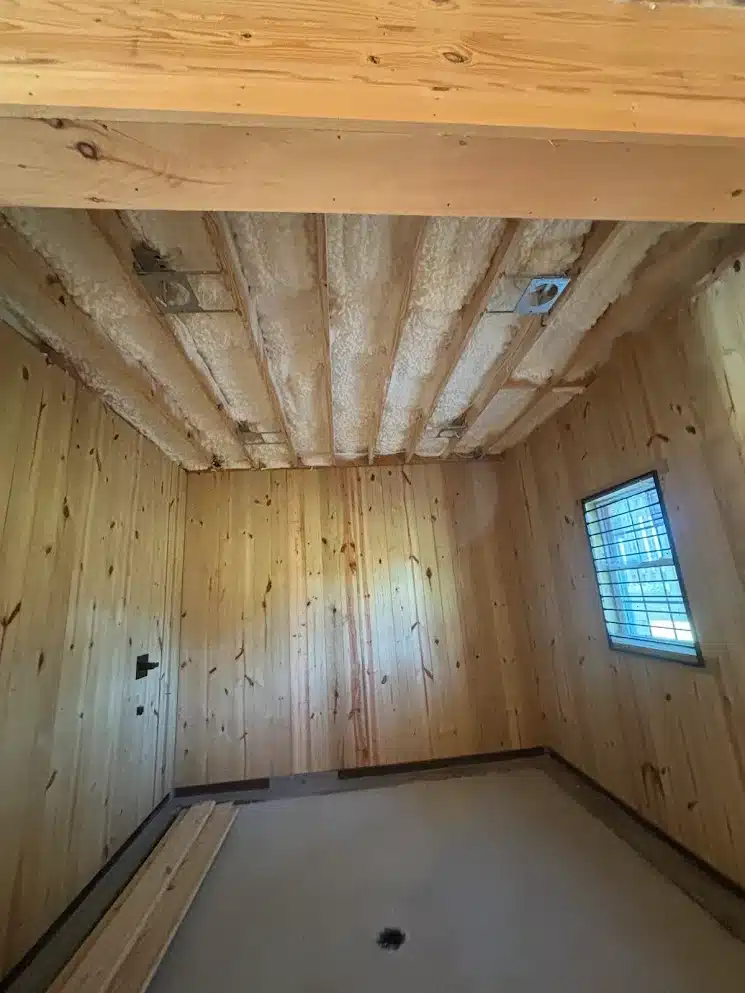
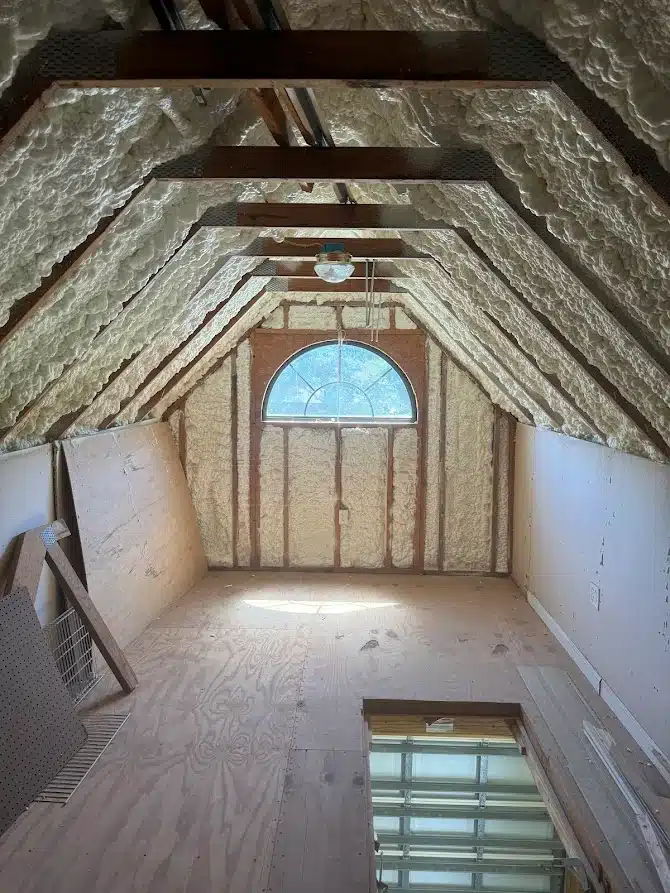
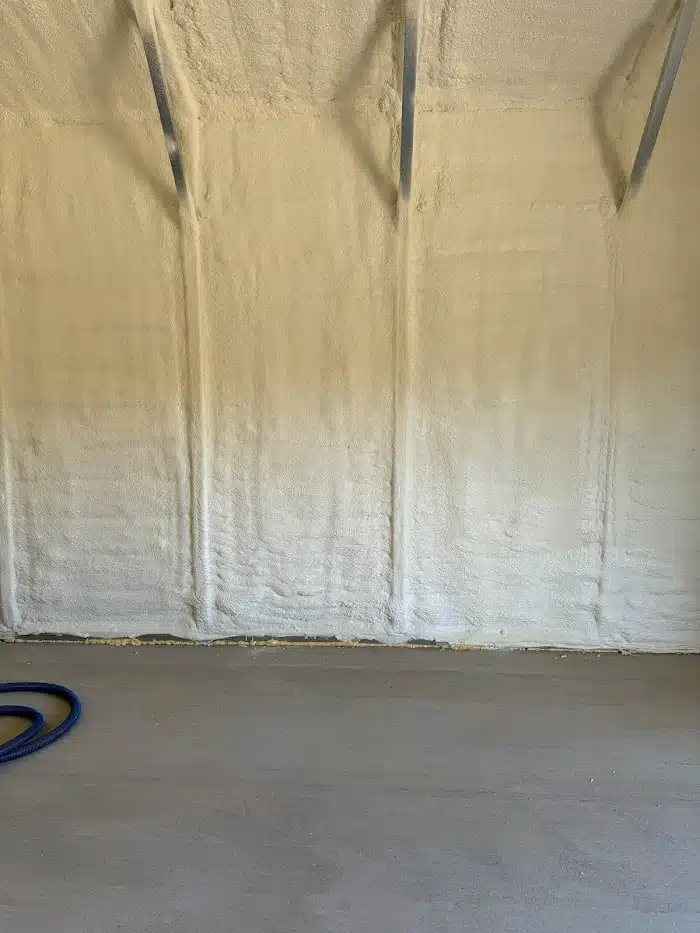
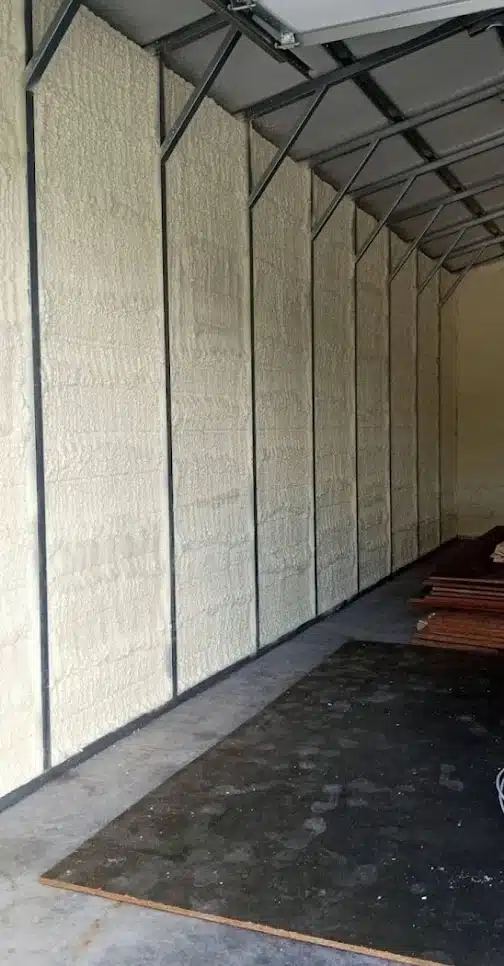
Different insulation materials offer varying benefits for Pensacola’s climate challenges. Spray foam insulation provides both thermal resistance and air sealing, making it particularly effective in coastal areas where air infiltration drives energy costs. Closed-cell spray foam adds moisture resistance, valuable in humid conditions.
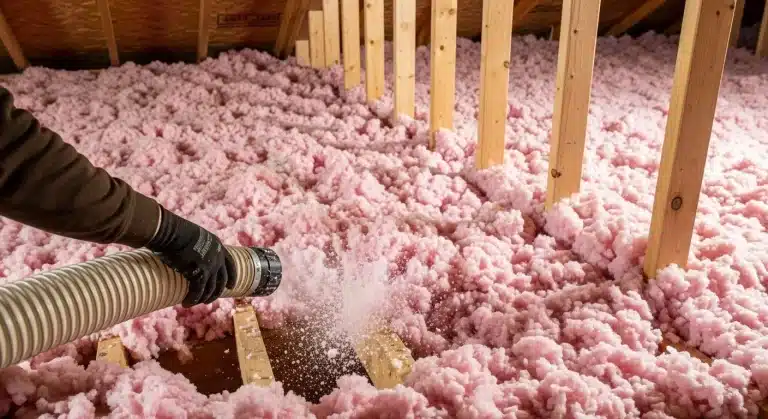
Fiberglass batts remain a popular and cost-effective option, especially when installed with proper air sealing measures. When combined with a continuous rigid foam insulation layer on the exterior, fiberglass batts can achieve excellent performance levels. Cellulose insulation offers good R-values and provides some moisture buffering capacity, though it requires careful installation to prevent settling over time.
Rigid foam board insulation works well as continuous insulation outside wall cavities, eliminating thermal bridging through wood studs. This approach becomes particularly valuable in existing homes where adding cavity insulation proves difficult.
Bonus Tip: When retrofitting older Pensacola homes, consider blown-in insulation with dense-pack techniques for walls, as this fills gaps and voids better than batts in existing construction.
Things to Consider Before Making a Decision
Several factors should influence your wall insulation choices. The existing wall construction plays a significant role whether your home has wood frame, concrete block, or brick veneer walls affects which insulation methods work best. The age and condition of your home also matter, as older houses may have different needs than new construction.
Budget considerations naturally factor into decisions, but long-term energy savings should be weighed against upfront costs. The intended timeline for remaining in the home affects ROI calculations. Longer occupancy periods justify higher initial investments in better insulation.
Local building codes must be followed, and in Pensacola, these often require specific moisture control measures due to the coastal environment. Working with contractors familiar with Florida’s building requirements ensures compliance and optimal performance.
Bonus Tip: Always factor in the cost of any required electrical work or plumbing modifications when budgeting for wall insulation projects, especially in retrofit situations.
Installation Quality Matters More Than Material Choice
Even the best insulation materials underperform when installed incorrectly. Gaps, compression, and inadequate coverage dramatically reduce effectiveness. Professional installation typically yields better results, particularly for spray foam applications and blown-in insulation.
Air sealing must accompany insulation installation for optimal performance. Even small gaps around windows, doors, and electrical outlets create significant air leakage pathways that undermine insulation benefits. Using caulk, foam sealant, and weatherstripping as part of the insulation project addresses these common problem areas Energy Star.
Final Considerations
Wall insulation represents a critical investment in Pensacola homes, directly addressing the region’s cooling-dominated climate and humidity challenges. Proper insulation reduces energy costs, improves comfort, protects against moisture problems, and increases property value. The combination of material selection, installation quality, and integration with other building envelope components determines overall performance. Homeowners should evaluate their specific situation, considering existing construction, budget constraints, and long-term occupancy plans when making insulation decisions.
Need a Professional Assessment?
For personalized guidance on wall insulation options in Pensacola, contact Prestige Insulation Solutions at [email protected] or call (850) 429-4969. Our team can assess your home’s specific needs and recommend appropriate solutions based on local climate conditions and building requirements.
Frequently Asked Questions
What’s the best R-value for Pensacola walls?
The Department of Energy recommends R-13 to R-21 for wall cavities in Pensacola’s climate zone, depending on wall construction. Higher values provide better performance but may not be cost-effective in all situations. Continuous insulation outside wall cavities adds further protection.
How much does wall insulation cost in Pensacola?
Costs vary significantly based on material and installation method. Fiberglass batts typically run $0.65 to $1.00 per square foot installed, while spray foam ranges from $1.50 to $3.50 per square foot. Complete wall insulation projects for average homes range from $1,500 to $5,000, depending on size and complexity.
Will wall insulation make my home too airtight?
Modern homes benefit from controlled air tightness combined with proper mechanical ventilation. Wall insulation should be part of a comprehensive approach that includes balanced ventilation systems. Professional installers understand how to achieve the right balance between insulation and fresh air exchange.
How long does installation take?
For new construction, installation typically occurs during building phases. Retrofitting existing homes usually takes 2-4 days, depending on the size of the house and chosen insulation method. Spray foam installations cure within 24 hours, allowing other work to proceed quickly.
Are there any rebates available for wall insulation in Florida?
Gulf Power and other Florida utilities frequently offer rebates for insulation improvements. The federal government also provides tax credits for qualifying energy efficiency upgrades. Checking current programs before starting projects maximizes potential financial incentives.
Sources
- U.S. Department of Energy – Provides official recommendations for insulation R-values by climate zone and information on energy efficiency benefits
- National Oceanic and Atmospheric Administration – Supplies climate data and weather patterns specific to Pensacola and the Gulf Coast region
- Energy Star – Offers detailed information on insulation materials, installation practices, and energy savings calculations