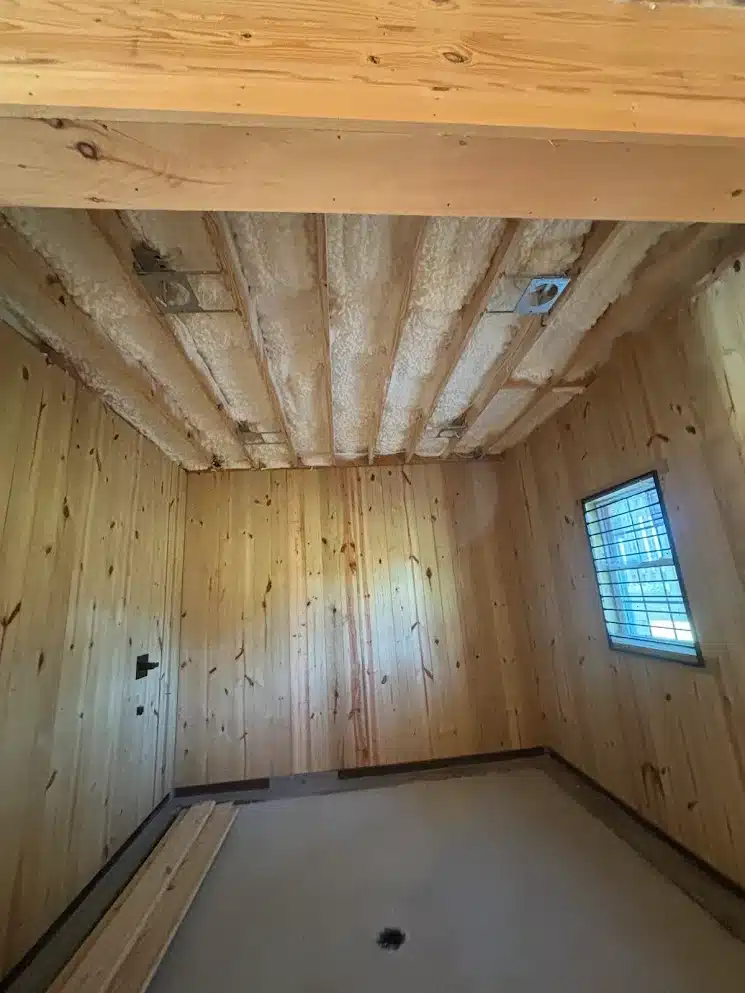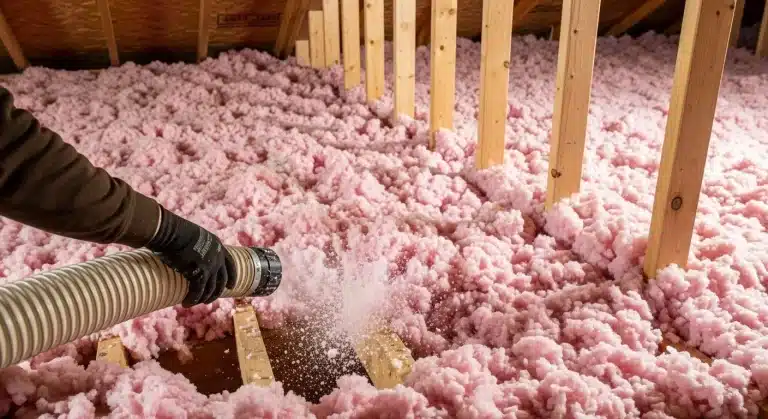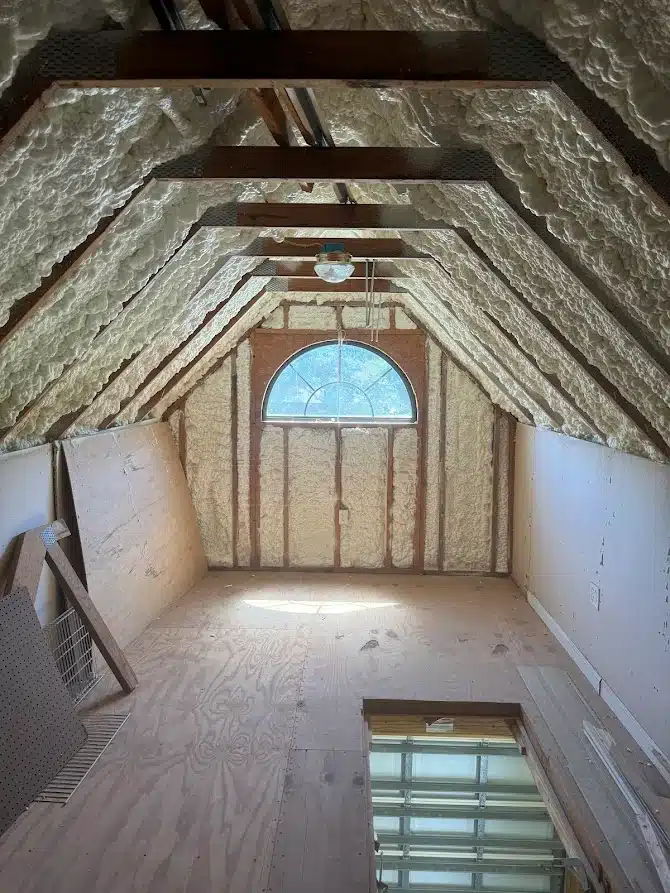
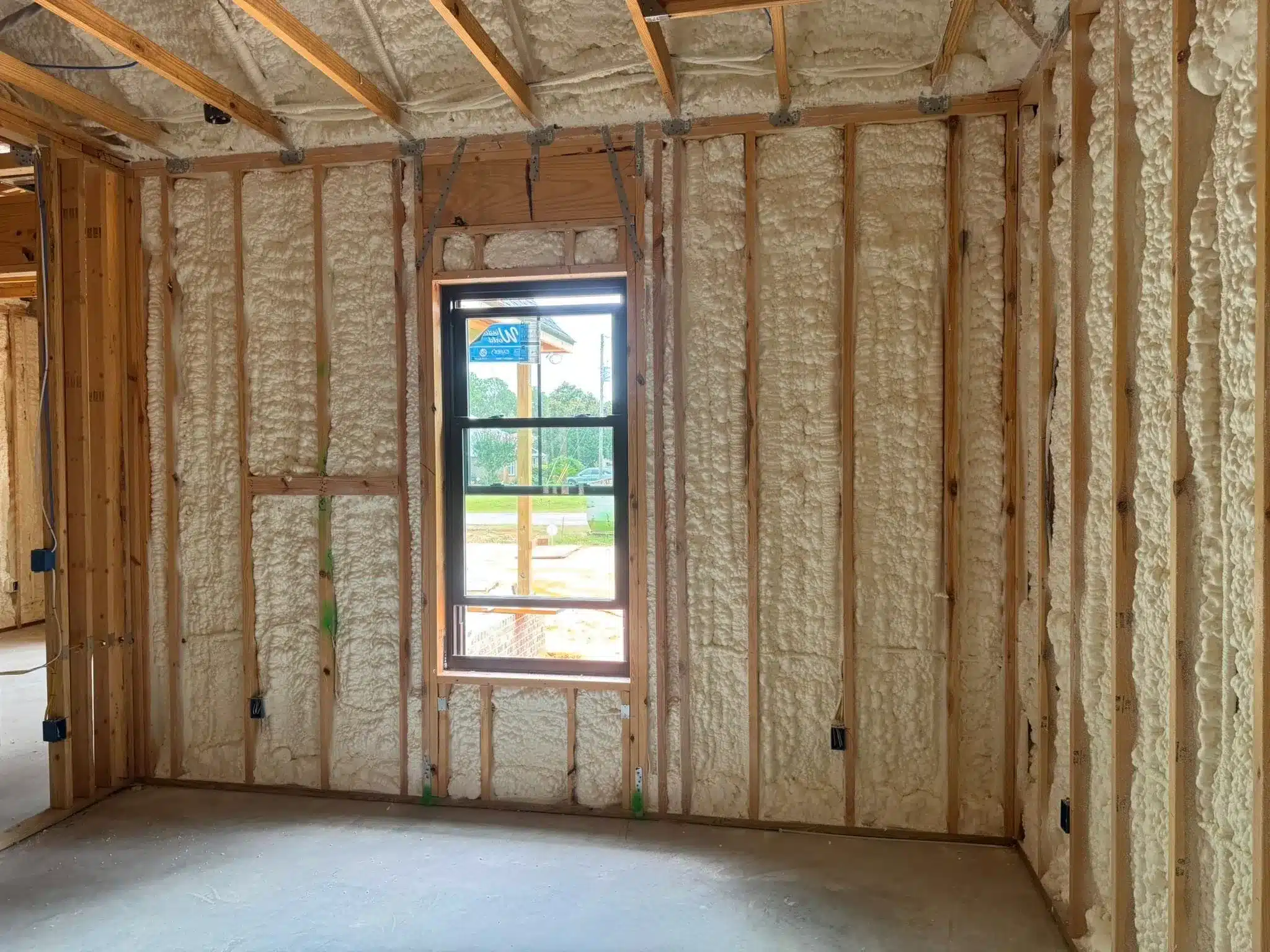
Spray foam insulation provides a superior thermal barrier by creating an airtight seal that eliminates drafts and stabilizes indoor temperatures year-round. Unlike traditional fiberglass or cellulose, this material expands to fill every crack and crevice, preventing the common air leakage that causes winter cold spots and summer humidity. By addressing the specific structural needs of multi-unit buildings, spray foam transforms townhouses into energy-efficient environments with significantly reduced utility costs and improved indoor air quality.
This guide provides technical clarity on how spray foam works within the unique architecture of townhouses. Drawing from extensive field experience in residential weatherization, the following sections explain why an airtight envelope is the most effective way to manage comfort and moisture. Readers will find data-backed evidence and practical considerations for choosing the right insulation strategy.
Addressing Air Leakage in Multi-Level Living
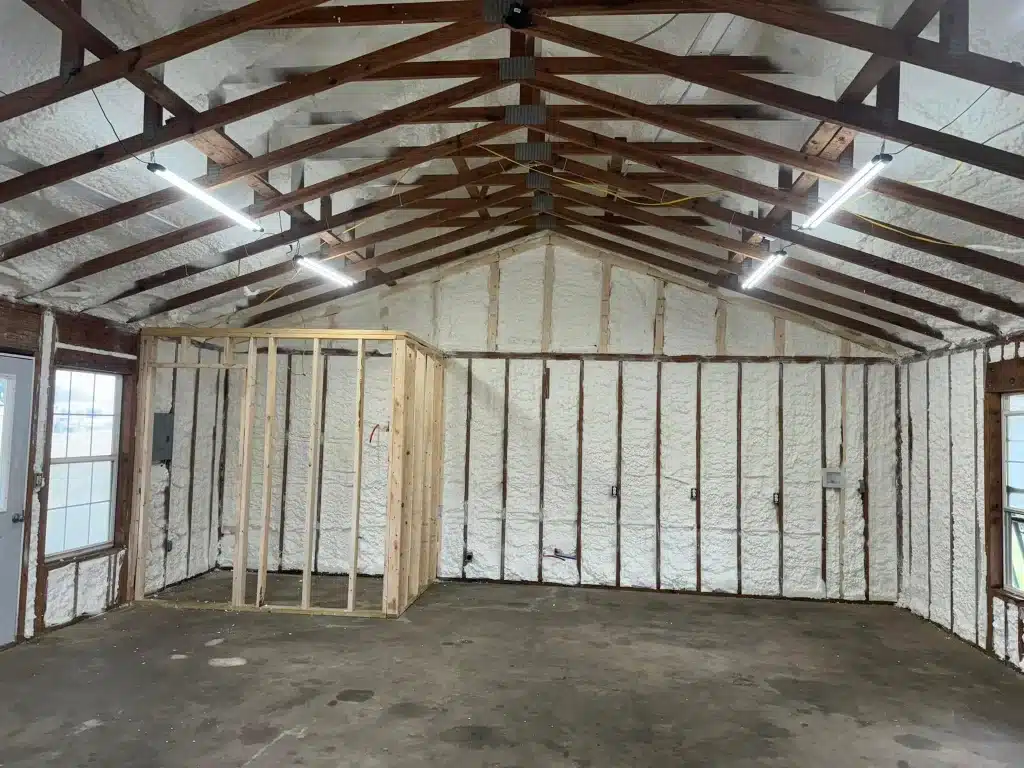
Townhouses face unique thermal challenges due to their vertical design and shared walls. The stack effect often causes warm air to rise and escape through the attic, while pulling in cold air from the lower levels. Standard insulation materials frequently fail to stop this movement because they are air-permeable. Spray foam solves this by acting as both insulation and an air barrier.
Data from the U.S. Department of Energy indicates that air leakage can account for 25% to 40% of the energy used for heating and cooling in a typical home. In a townhouse, this leakage often occurs at the rim joists, top plates, and where utilities penetrate shared walls. Spray foam expands upon application, sealing these specific areas more effectively than batts or blown-in materials ever could.
Bonus Tip: Prioritize the Building Envelope
Focus on the attic floor and the rim joists first. Sealing these two areas creates the most significant immediate impact on comfort by neutralizing the stack effect that makes bottom floors feel breezy.
Enhancing Privacy Through Sound Dampening
One of the most frequent complaints in townhouse living involves noise from neighbors. Shared walls, often called party walls, can transmit voices, footsteps, and television audio if not properly insulated. Open-cell spray foam is particularly effective at absorbing mid- to high-frequency sounds. Its soft, sponge-like consistency traps sound waves, preventing them from vibrating through the drywall and into the next unit.
While closed-cell foam is denser and better for structural strength, open-cell foam excels at sound attenuation. When applied to shared walls, it fills the entire wall cavity, leaving no voids for sound to travel through. This creates a quieter, more private living experience that feels like a detached single-family home.
Technical Comparison of Spray Foam Types
Choosing between open-cell and closed-cell foam depends on the townhouse’s specific goals and the local climate. The following table breaks down the primary differences between these two common applications.
| Feature | Open-Cell Spray Foam | Closed-Cell Spray Foam |
|---|---|---|
| R-Value per Inch | 3.5 to 3.8 | 6.0 to 7.0 |
| Density | Low (approx. 0.5 lb/cu. ft.) | High (approx. 2.0 lb/cu. ft.) |
| Air Barrier | Yes | Yes |
| Moisture Barrier | No (Vapor permeable) | Yes (Vapor retarder) |
| Common Use Case | Interior walls and attic floors | Basements, crawlspaces, and exteriors |
| Flexibility | Remains flexible over time | Becomes rigid and adds strength |
Managing Moisture and Mold Prevention
Moisture control is vital for the longevity of a townhouse structure. Traditional insulation can trap moisture against wooden studs, leading to rot or mold growth. Closed-cell spray foam acts as a vapor barrier, preventing humid air from reaching cold surfaces where it would otherwise condense.
According to a technical report by the Air Barrier Association of America, air barriers are essential for preventing the transport of moisture-laden air into building cavities. By stopping air movement, spray foam reduces the risk of condensation behind the walls. This is especially helpful in bathrooms and kitchens where humidity levels are naturally higher.
Bonus Tip: Check Your Ventilation
Because spray foam makes a home so airtight, it is wise to ensure the HVAC system is sized correctly. A “tight” home may require a heat recovery ventilator (HRV) or energy recovery ventilator (ERV) to maintain fresh air circulation without losing energy.
Things to Consider Before Making a Decision
Before proceeding with an insulation upgrade, several factors require careful thought to ensure the best results for a townhouse.
- Access Points: Townhouses often have limited attic space or finished basements. Professional installers must determine if they can reach the necessary areas without significant demolition.
- Existing Insulation: If a townhouse currently has old fiberglass batts, they usually need to be removed to allow the foam to adhere directly to the substrate.
- Local Building Codes: Fire safety regulations for shared walls are strict. Ensure the chosen foam product meets all local fire rating requirements for multi-family dwellings.
- Curing Time: Residents typically need to vacate the home for 24 hours while the foam cures and any odors dissipate. Planning for this temporary relocation is necessary.
Final Thoughts on Townhouse Comfort
Upgrading to spray foam insulation is a comprehensive way to solve the temperature imbalances and noise issues common in townhouses. Creating a continuous air seal addresses the root cause of energy loss rather than just slowing it down. This results in a home that stays warm in the winter and cool in the summer, with the added benefit of quieter living spaces. Property owners should evaluate their specific needs regarding sound dampening and moisture control when choosing between open-cell and closed-cell options. Investing in a high-performance building envelope ensures lasting comfort and structural integrity for years to come.
Expert Assistance for Your Property
Prestige Insulation Solutions helps property owners achieve better energy efficiency through professional application techniques. Selecting the right materials requires an understanding of building science and local climate needs. For questions about specific townhouse configurations or to learn more about application methods, contact Prestige Insulation Solutions at (850) 429-4969 or via email at [email protected]. Making informed choices today leads to a more comfortable, cost-effective living environment in the future.
Addressing Homeowner Concerns
Does spray foam cause roof rot?
Roof rot occurs when moisture is trapped against the wood. When installed correctly with proper attic ventilation or in a conditioned unvented attic design, spray foam prevents condensation, which actually protects the roof deck from moisture damage.
Is the material safe for indoor air quality?
Once the foam has fully cured, it is inert. By sealing out dust, pollen, and outdoor pollutants, spray foam often improves indoor air quality for residents with allergies or respiratory issues.
Can it be used in finished walls?
Injection foam is a specific type of foam designed for existing walls. It is pumped in through small holes, allowing insulation of a townhouse without tearing down all the drywall.
How does it affect resale value?
Energy-efficient homes are increasingly desirable. According to the National Association of Realtors, many buyers prioritize energy efficiency and lower utility costs when searching for a new property, making spray foam a wise long-term investment.
Sources
- U.S. Department of Energy – Comprehensive information on the impact of air sealing on residential energy consumption.
- Air Barrier Association of America – Technical resources on how air barriers prevent moisture transport and protect building structures.
- National Association of Realtors – Research on buyer preferences for energy-efficient features in the modern real estate market.