Direct Answer
Planning home insulation in Pensacola, FL requires understanding the city’s hot, humid subtropical climate and selecting the right insulation type for each area of your home. The process involves assessing your current insulation, determining appropriate R-values for Pensacola’s zone, budgeting for the project, and hiring a qualified insulation contractor. Most Pensacola homeowners invest between $1,500 and $5,000 for comprehensive insulation upgrades, with spray foam and blown-in cellulose being the most popular choices for this region. A well-planned insulation project can reduce your energy bills by 15-25% while improving indoor comfort and air quality.
TLDR / Key Takeaways
- Pensacola falls in USDA Climate Zone 2, requiring specific R-values: attic insulation R-38 to R-49, wall insulation R-13 to R-21
- Average insulation costs in Pensacola: $1,500 to $5,000 for whole-home upgrades
- Top insulation types for Pensacola homes: spray foam (best for air sealing), blown-in cellulose (cost-effective), fiberglass batts (budget option)
- Proper ventilation is critical in humid climates to prevent moisture buildup and mold
- Attic insulation provides the highest return on investment, typically paying for itself within 5-7 years
- DIY installation is possible for fiberglass batts, but spray foam and dense-packed cellulose require professional equipment
- The best time to insulate is during home construction or renovation, but retrofitting existing homes delivers immediate benefits
Understanding Pensacola’s Climate and Insulation Needs
Pensacola experiences hot, humid summers with temperatures regularly exceeding 90°F and mild winters with occasional freezes. The city receives approximately 65 inches of rainfall annually, creating persistent moisture challenges for homeowners. This combination of heat and humidity means your insulation must work harder year-round to maintain comfortable indoor temperatures while preventing moisture infiltration.
According to the U.S. Department of Energy, homes in Climate Zone 2, which includes Pensacola, require specific thermal performance levels to achieve optimal energy efficiency. The key challenge isn’t just keeping heat out during summer but managing the constant moisture that seeks entry through your walls, attic, and foundation. Proper insulation, combined with effective air sealing, creates a thermal barrier that reduces HVAC strain and prevents moisture-related problems like mold and wood rot.
Step 1: Assess Your Current Insulation
Before planning your insulation project, you need to understand what you already have. Many Pensacola homes built before 1990 may have little to no insulation in exterior walls, while homes from the 1990s and 2000s often have inadequate fiberglass batts that have settled over time.
How to assess your current insulation:
- Check your attic – Look at the insulation depth. If you can see the ceiling joists, you need more. Ideally, insulation should reach or exceed the top of the joists.
- Inspect exterior walls – Removing a small section of drywall (or checking during renovation) reveals wall cavity insulation type and depth.
- Look for gaps and air leaks – Common problem areas include around light fixtures, plumbing penetrations, electrical outlets, and where walls meet ceilings.
- Check energy bills – Abnormally high cooling costs in summer often indicate insufficient insulation or air sealing problems.
Step 2: Determine the Right Insulation Type for Each Area
Different areas of your home require different insulation approaches. The Environmental Protection Agency emphasizes that air sealing combined with insulation provides the best results for energy efficiency and indoor air quality.
Attic Insulation
The attic is typically the highest-priority area because heat rises, and Pensacola summers can push attic temperatures above 150°F. Recommended options include:
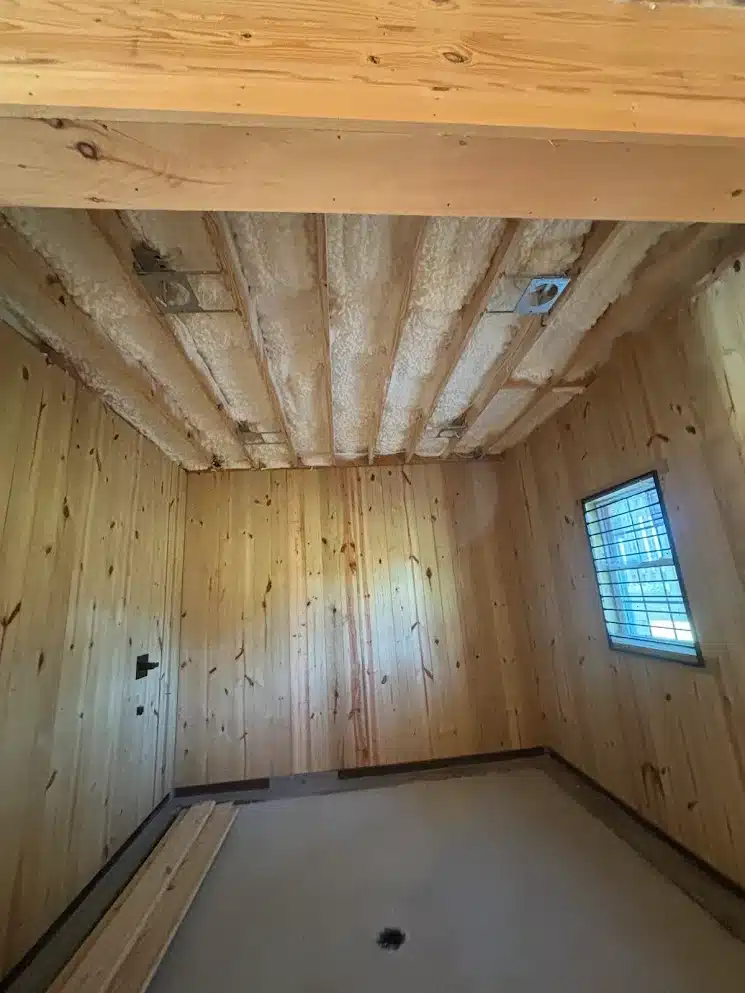
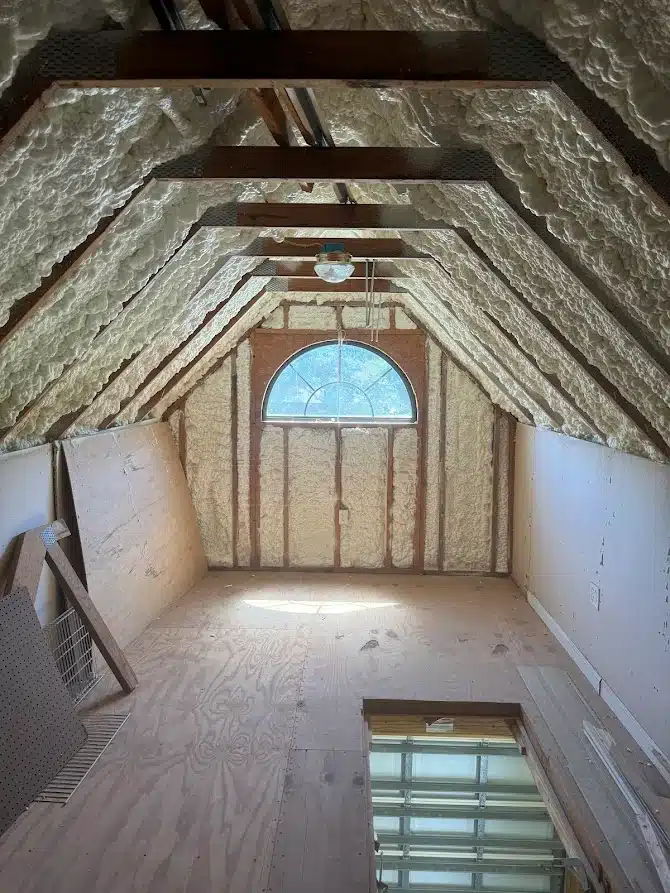
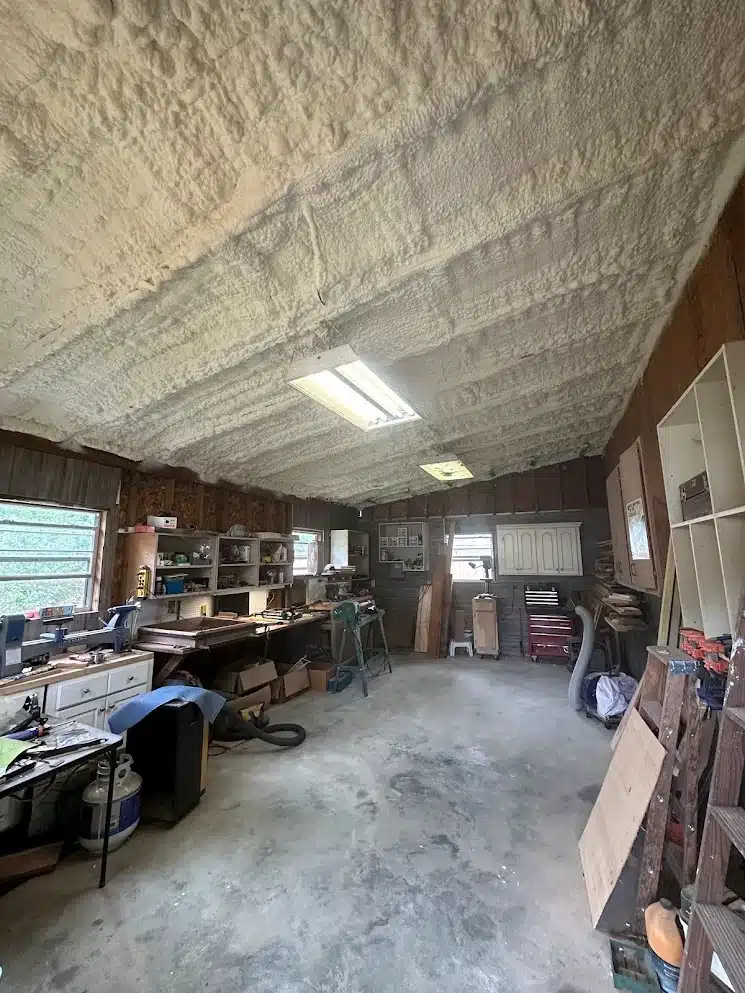
- Spray foam (open-cell): Best air sealer, R-3.7 per inch, ideal for vaulted ceilings
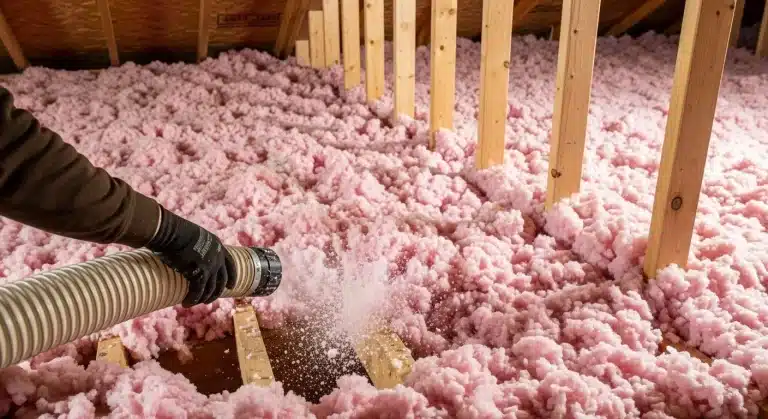
- Blown-in cellulose: Excellent coverage, R-3.5 per inch, settles over time
- Fiberglass batts: R-3.1 per inch, more affordable but requires precise installation
Wall Insulation
For existing homes, options depend on construction type:
- Dense-packed cellulose: Best for wood-frame walls with intact exterior sheathing
- Spray foam: Ideal for new construction or renovation with exposed studs
- Blown-in fiberglass: Alternative to cellulose, similar performance
Floor and Foundation
Pensacola homes with raised foundations need floor insulation:
- Spray foam: Most effective but highest cost
- Fiberglass batts: Common and budget-friendly, must include a vapor barrier
Step 3: Set Your Budget and Prioritize
Insulation projects can range from a single-room fix to a whole-home transformation. Here’s how to prioritize:
| Area | Priority | Typical Cost (Pensacola) | ROI Timeline |
|---|---|---|---|
| Attic | Highest | $800 – $2,500 | 5-7 years |
| Air sealing | Highest | $300 – $800 | 2-3 years |
| Walls | Medium | $1,000 – $3,000 | 7-10 years |
| Floor/Foundation | Lower | $500 – $1,500 | 8-12 years |
According to Energy Star, adding insulation and air sealing typically ranks among the most cost-effective home improvements for reducing energy consumption. Attic insulation provides the quickest return because heat gain/loss through the roof represents the largest thermal burden in Pensacola’s climate.
Step 4: Choose the Right Insulation Contractor
Selecting a qualified insulation contractor in Pensacola is crucial for achieving proper installation. The International Association of Certified Home Inspectors notes that improper installation can reduce insulation effectiveness by 25% or more.
What to look for in a contractor:
- Experience with Pensacola climate – They understand local building codes and humidity challenges
- Proper licensing and insurance – Verify general liability coverage and workers’ compensation
- Manufacturer certifications – Many spray foam manufacturers require certified installers for warranty validity
- Detailed written estimates – Should include R-values, coverage area, preparation work, and air sealing
- References and reviews – Check Google reviews, Angi, and the Better Business Bureau
Questions to ask before hiring:
- What insulation type do you recommend for my home and why?
- Will you include air sealing as part of the project?
- What R-value will you achieve, and how do you verify it?
- Do you offer a warranty, and what does it cover?
- Can you provide references from similar projects in Pensacola?
Step 5: Plan Your Project Timeline
Timing matters for insulation projects in Pensacola. The ideal window is during mild weather in spring or fall, avoiding peak summer heat when attic temperatures make work dangerous and winter rains that can delay exterior work.
Typical project timelines:
- Attic insulation upgrade: 1-2 days
- Whole-home wall and attic: 3-5 days
- New construction: Coordinated with building timeline
Common Mistakes to Avoid
Mistake 1: Focusing only on R-value without air sealing Many homeowners invest in thick insulation while ignoring air leaks. According to the U.S. Department of Energy, air leakage can account for 25-40% of energy loss in typical homes. Always address air sealing alongside insulation.
Mistake 2: Using the wrong insulation type for the application. Spray foam in enclosed walls requires careful installation, and some insulation types can trap moisture if not properly vented. Always follow manufacturer guidelines and building codes.
Mistake 3: Ignoring ventilation requirements. In humid climates like Pensacola, proper attic ventilation prevents moisture buildup that can rot roof decking and reduce insulation effectiveness. Balance insulation with airflow.
Mistake 4: Installing insulation over existing problems. If you have roof leaks, water damage, or mold, address these issues before adding insulation. Sealing in moisture creates serious health and structural problems.
Recommendations by Home Type
Existing Single-Family Homes (Pre-2000) Prioritize attic insulation and air sealing first. Consider wall insulation if walls are exposed during renovation. Spray foam provides the best air seal but costs more upfront.
New Construction Work with your builder to include spray foam in exterior walls and ceiling for maximum efficiency. Plan for balanced ventilation systems.
Historic Homes Often have lath-and-plaster walls that are difficult to insulate. Blown-in cellulose can work in some situations, but consult with a historic home specialist to avoid moisture damage.
Townhomes and Condos Focus on unit-specific insulation and air sealing. Shared walls may have fire code considerations limiting spray foam use.
Signs You’ve Found the Right Approach
- ✓ The contractor conducts a thorough energy audit before recommending insulation
- ✓ The proposal specifies R-values and explains why each area needs specific levels
- ✓ Air sealing is included as a separate line item or bundled service
- ✓ The contractor explains ventilation requirements for your specific home
- ✓ Warranty terms are clearly defined and include both materials and installation
- ✓ The estimate matches your research for Pensacola market rates
- ✓ The contractor is willing to explain the science behind their recommendations
Ready to Plan Your Pensacola Home Insulation Project?
Our team at Prestige Insulation Solutions LLC understands the unique challenges of insulating homes in Pensacola’s humid climate. We provide comprehensive assessments, honest recommendations, and professional installation that delivers lasting comfort and energy savings.
Contact us today for your free consultation:
- Phone: (850) 429-4969
- Email: [email protected]
FAQs
Q: What is the best insulation type for Pensacola attics?
A: Spray foam provides the best air sealing and R-value per inch, but blown-in cellulose offers excellent performance at a lower cost. Both work well in Pensacola’s climate when properly installed.
Q: How much does home insulation cost in Pensacola?
A: Most homeowners spend $1,500 to $5,000 for comprehensive insulation upgrades. Attic-only projects typically run $800 to $2,500, while whole-home solutions with walls, attic, and air sealing can reach $5,000 or more.
Q: Does insulation really reduce energy bills in Pensacola?
A: Yes, properly insulated homes typically see 15-25% reductions in heating and cooling costs. The savings depend on your current insulation levels, home size, and HVAC efficiency.
Q: Can I install insulation myself in Pensacola?
A: Fiberglass batts are DIY-friendly, but spray foam and dense-packed cellulose require professional equipment and certification. Attic work in Pensacola’s heat can also be dangerous without proper safety equipment.
Q: How long does home insulation last?
A: Most insulation types last 20-30 years or more, though fiberglass can settle over time. Spray foam and cellulose typically maintain their R-value better throughout their lifespan.
Sources
[1] U.S. Department of Energy – Insulation
[2] Energy Star – Home Insulation
[3] Environmental Protection Agency – Air Sealing
[4] International Association of Certified Home Inspectors – Insulation