Direct Answer
The best insulation upgrades for homeowners in 2026 depend on your climate zone, budget, and specific home performance goals. Spray foam insulation offers the highest R-value and air sealing performance, while fiberglass and cellulose remain cost-effective options for budget-conscious homeowners. The right choice balances upfront investment against long-term energy savings, with most homeowners seeing a return on investment within 7-12 years through reduced utility bills. Consider factors like your home’s construction type, existing insulation condition, and whether you need remediation for moisture or air leakage issues when making your decision.
TLDR / Key Takeaways
- Spray foam insulation delivers the highest energy efficiency with R-values of R-6 to R-7 per inch, reducing heating and cooling costs by 30-50% in optimal installations
- Average insulation upgrade costs range from $1,500 to $4,500 for most residential homes, with spray foam commanding premium pricing of $1.50-$3.00 per board foot
- The U.S. Department of Energy estimates that proper insulation can reduce annual energy bills by 15-25% for average households
- Blown-in cellulose offers excellent performance for existing walls, costing 40-60% less than spray foam while achieving R-13 to R-23
- 2026 building codes increasingly require higher insulation standards, making upgrades essential for code compliance and resale value
- DIY insulation installation is risky; improper installation reduces effectiveness by up to 40% and may void warranties
- The best return on investment comes from addressing air leaks first, then adding insulation in areas with existing gaps or degradation
- Professional thermal imaging audits identify problem areas that visual inspections miss, ensuring targeted upgrades
Why Upgrade Your Insulation in 2026
The insulation industry has evolved significantly, with 2026 bringing new materials, improved installation techniques, and heightened energy efficiency standards. Homeowners face increasing pressure to reduce energy consumption, not only to lower utility bills but also to meet modern building codes and environmental regulations.
Energy costs continue to rise, with the U.S. Energy Information Administration projecting that residential electricity prices will increase by approximately 2-3% annually through 2026. This makes energy efficiency upgrades more financially attractive than ever. A properly insulated home retains heat in winter and keeps cool air inside during summer, reducing the workload on HVAC systems and extending their lifespan.
Additionally, many homes built before 2000 have insulation that fails to meet current standards. The U.S. Department of Energy reports that approximately 90% of existing homes are underinsulated. This represents a massive opportunity for homeowners to improve comfort while reducing their environmental footprint.
Top Insulation Options for 2026
Understanding the different insulation types and their applications is crucial for making an informed decision. Each material offers distinct advantages depending on your specific situation.
Spray Foam Insulation
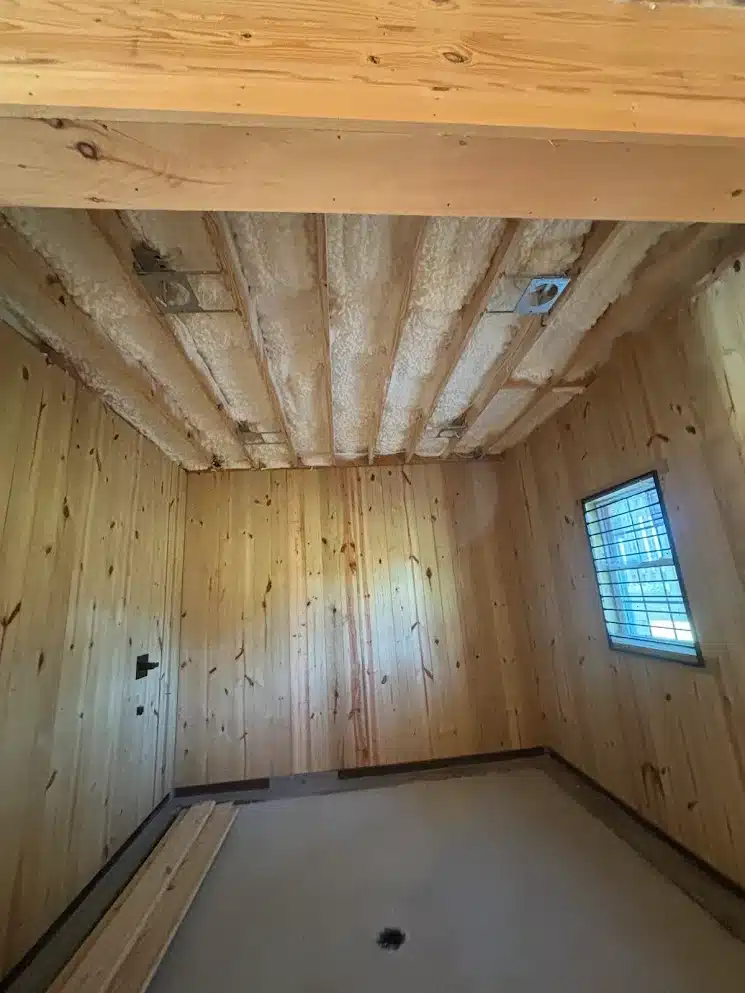
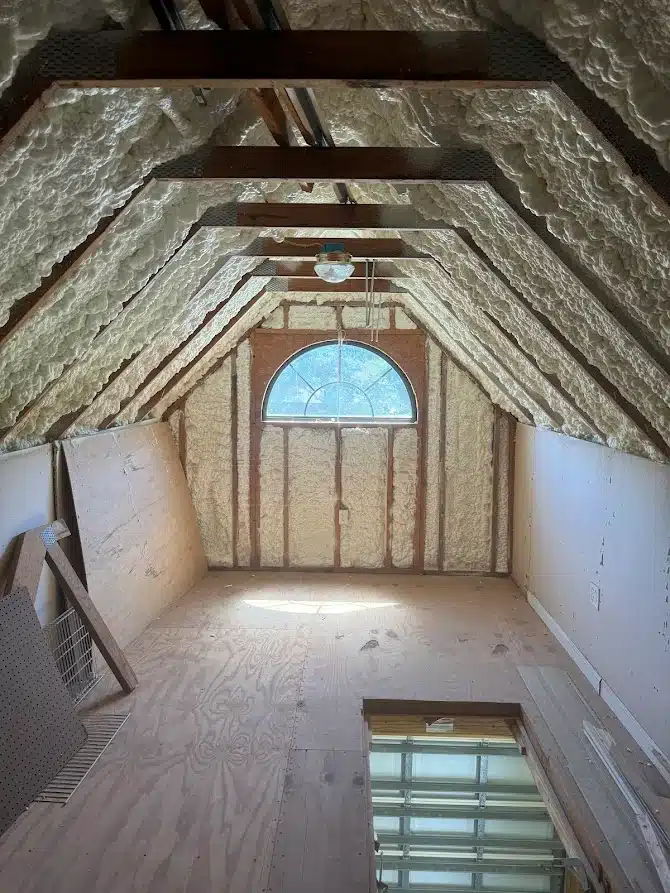
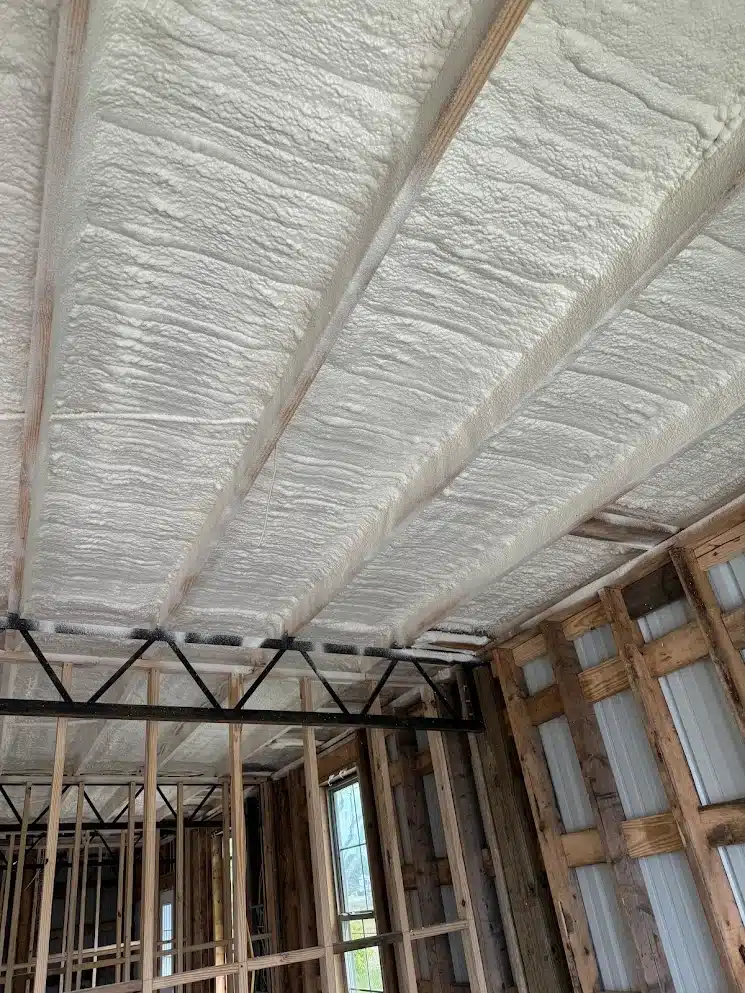
Spray foam insulation has become the premium choice for homeowners seeking maximum efficiency. It expands to fill gaps, cracks, and voids, creating an airtight seal that dramatically reduces air leakage. Closed-cell spray foam offers R-values of R-6 to R-7 per inch, the highest of any residential insulation material.
This option works exceptionally well for new construction, attic conversions, and crawl spaces where air sealing is critical. However, spray foam requires professional installation and carries a higher upfront cost than traditional alternatives.
Blown-In Fiberglass and Cellulose
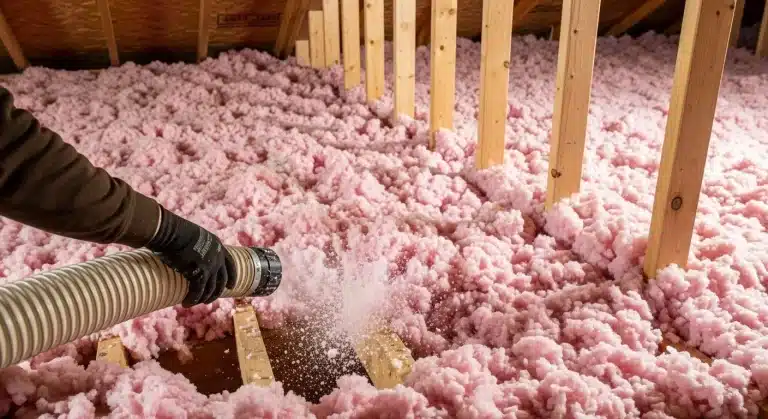
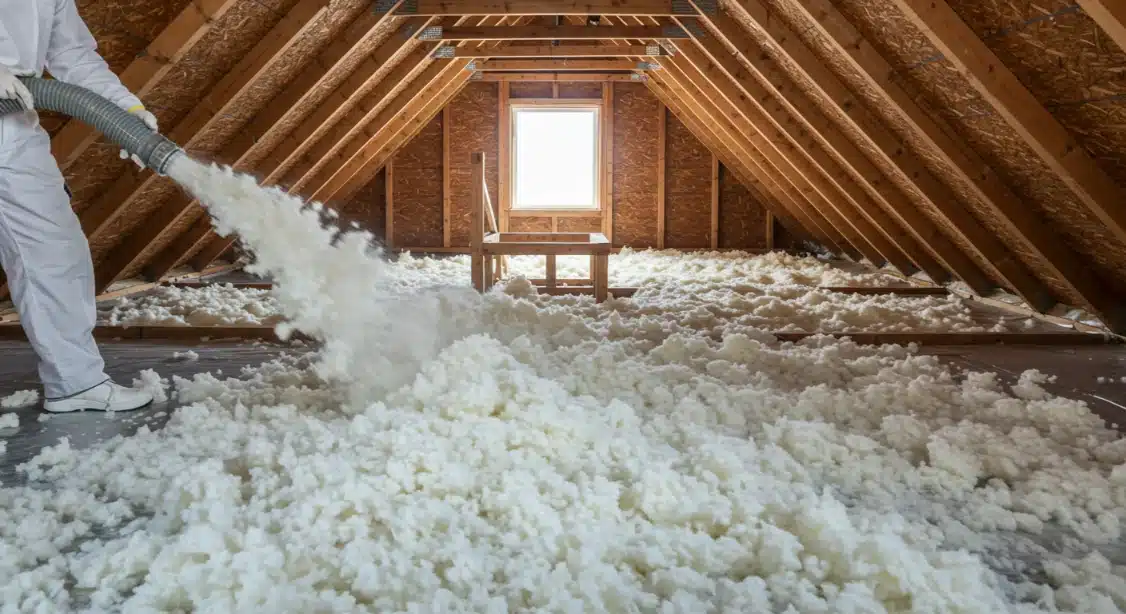
Blown-in insulation remains popular for upgrading existing walls and attic spaces. Cellulose, made from recycled paper products treated with fire retardants, offers excellent thermal performance at a moderate price point. Fiberglass blown-in insulation provides similar benefits with added resistance to moisture and mold.
The primary advantage of blown-in insulation is its ability to fill irregular spaces and conform to existing structural elements without major renovation. Installation is faster than traditional batts, and the material settles nicely into wall cavities.
Fiberglass Batts and Rolls
Traditional fiberglass batts remain the most budget-friendly option for homeowners tackling DIY projects or working with tight budgets. Modern fiberglass products feature improved R-values and water resistance compared to older versions.
However, batts require precise cutting and fitting to avoid gaps that reduce effectiveness. Improper installation can leave thermal bridges that compromise performance significantly.
Mineral Wool Insulation
Mineral wool, made from recycled rock or slag, offers excellent fire resistance and sound-dampening properties alongside thermal performance. This option has gained popularity in multifamily housing and areas where fire codes are stringent, as noted by the National Fire Protection Association.
Comparison: Insulation Options Overview
| Insulation Type | R-Value per Inch | Average Cost | Best Application | Lifespan |
|---|---|---|---|---|
| Spray Foam (Closed-Cell) | R-6 to R-7 | $1.50-$3.00/board ft | Attics, crawl spaces, and new construction | 30+ years |
| Spray Foam (Open-Cell) | R-3.5 to R-4 | $1.00-$2.00/board ft | Interior walls, sound control | 20+ years |
| Blown-In Cellulose | R-3 to R-3.5 | $1.00-$2.00/sq ft | Existing walls, attic floors | 20-30 years |
| Blown-In Fiberglass | R-2 to R-3 | $0.75-$1.50/sq ft | Attics, wall cavities | 25+ years |
| Fiberglass Batts | R-2.9 to R-4.3 | $0.50-$1.25/sq ft | New construction, DIY projects | 20-25 years |
| Mineral Wool | R-3 to R-4 | $1.50-$3.00/sq ft | Fire-rated assemblies, sound barriers | 30+ years |
Recommendations by Home Type and Goal
Different homes and homeowner goals require tailored insulation strategies. Here’s what to consider based on your specific situation.
New Construction Homes
For new construction, spray foam insulation provides the best long-term value despite higher upfront costs. The ability to spray directly onto surfaces before drywall installation creates seamless coverage that outperforms other methods. Plan for closed-cell foam in exterior walls and ceilings, with open-cell options for interior partitions where sound control matters.
Older Homes (Pre-1980)
Older homes often have minimal or degraded insulation, making comprehensive upgrades valuable. Blown-in cellulose works exceptionally well for existing walls, as installers can blow material through small access holes without major demolition. Start with an attic insulation upgrade, then address walls if the budget allows.
According to the Harvard Joint Center for Housing Studies, older homes benefit most from energy audits that identify specific upgrade opportunities, as cookie-cutter approaches often miss unique structural considerations.
Homes with High Energy Bills
If your energy bills seem unusually high, air leakage likely contributes more than insulation failure. Professional energy audits using thermal imaging identify where conditioned air escapes and where insulation gaps exist. Focus first on air sealing, then add insulation in areas showing heat loss on thermal scans.
Moisture-Prone Areas
Crawl spaces, basements, and homes in humid climates benefit from spray foam’s moisture resistance. Unlike fiberglass or cellulose, closed-cell foam doesn’t absorb water or provide food for mold growth. This makes spray foam ideal for below-grade installations where moisture is a persistent concern.
Signs You’ve Found the Right Insulation Contractor
Choosing the right contractor significantly impacts your upgrade’s success. Watch for these indicators of a quality provider.
Comprehensive Assessment: Trust contractors who conduct thorough evaluations before proposing solutions. They should examine your existing insulation, check for air leaks, assess ventilation, and identify moisture issues. Avoid those who provide quotes without inspecting your home.
Transparent Pricing: Quality contractors provide detailed estimates breaking down material costs, labor, and any additional services. Be wary of quotes that seem unusually low, as they may indicate subpar materials or incomplete work.
Proper Certifications: Look for contractors with industry certifications from manufacturers and professional organizations, such as those recognized by the Building Performance Institute. These credentials demonstrate ongoing training and commitment to quality standards.
Warranty Coverage: Reputable contractors offer warranties on both materials and workmanship. Understand what’s covered and for how long before signing any agreement.
Clear Communication: Your contractor should explain options in understandable terms, answer questions patiently, and provide written documentation of all agreements. Avoid contractors who use excessive technical jargon or pressure tactics.
Real-World Example: Insulation Upgrade in Action
A homeowner in the Southeast region recently contacted Prestige Insulation Solutions LLC after experiencing skyrocketing cooling costs during the summer months. Their 15-year-old home had original fiberglass insulation in the attic that had settled significantly, leaving gaps near eaves and around recessed lights.
Our professional assessment revealed attic insulation had degraded to only R-11 in some areas, far below the recommended R-38 for the climate zone. We recommended blown-in cellulose insulation to achieve proper depth and coverage. The complete attic upgrade cost $2,200 and was completed in a single day.
Six months later, the homeowner reported a 35% reduction in cooling costs during the peak summer season. The improved insulation eliminated hot spots on the second floor and reduced HVAC cycling significantly. The upgrade paid for itself in energy savings within three years, demonstrating the value of professional assessment and quality installation.
Upgrade Your Home with Confidence
Our team at Prestige Insulation Solutions LLC specializes in helping homeowners select and install the right insulation for their specific needs. We provide free assessments, transparent pricing, and professional installation backed by industry-leading warranties. Our experienced technicians understand local climate requirements and building codes, ensuring your upgrade meets all applicable standards.
Call now: (850) 429-4969
Email: [email protected]
Frequently Asked Questions
Q: How do I know if my home needs new insulation?
A: Signs you need insulation upgrades include uneven room temperatures, high energy bills, drafts near windows and doors, ice dams in winter, and visible gaps or deterioration in existing insulation. A professional energy audit provides the most accurate assessment.
Q: What’s the most cost-effective insulation for a tight budget?
A: Fiberglass batts offer the lowest upfront cost, typically ranging from $0.50 to $1.25 per square foot. However, consider long-term energy savings when evaluating options, as more expensive materials often pay for themselves within 5-10 years.
Q: Can I install insulation myself to save money?
A: While DIY installation is possible for batts and some blown-in applications, professional installation typically delivers 20-40% better performance. Improper installation creates gaps, compression, and thermal bridges that significantly reduce effectiveness. For spray foam, professional installation is required.
Q: How long does insulation last before needing replacement?
A: Most insulation materials last 20-30 years with proper installation. However, settling, moisture damage, and pest infiltration can degrade performance faster. Periodic inspections help identify when upgrades are needed.
Q: Does insulation help with soundproofing?
A: Certain insulation types, particularly mineral wool and dense-packed cellulose, offer excellent sound-dampening properties. Spray foam provides minimal acoustic benefits, while fiberglass offers moderate sound reduction. Specify acoustic goals when discussing options with your contractor.
Sources
- U.S. Energy Information Administration – Residential Energy Price Projections
- U.S. Department of Energy – Home Insulation Guidelines and Energy Efficiency Standards
- National Fire Protection Association – Fire Safety Standards and Building Codes
- Harvard Joint Center for Housing Studies – Home Improvement Research and Industry Trends
- Building Performance Institute – Contractor Certification and Standards
- Environmental Protection Agency – ENERGY STAR Program and Building Standards