Residential insulation improves fire safety in Gulf Breeze homes through three primary mechanisms: creating fire-resistant barriers, slowing flame spread between rooms, and maintaining structural integrity during a fire. Modern insulation materials are specifically designed and tested to resist ignition and provide critical time for occupants to evacuate safely. In Florida’s humid climate, where lightning strikes and electrical fires are common, properly installed fire-rated insulation can be the difference between minor damage and catastrophic loss.
The Gulf Breeze area experiences unique weather patterns that increase fire risks, including frequent thunderstorms and electrical storms duringthe summer months. Prestige Insulation Solutions understands these regional challenges and has extensive experience with local building codes and fire safety requirements. This knowledge ensures homeowners receive protection that addresses both general fire safety and Florida-specific risks.
Fire-Resistant Barriers Protect Critical Areas
Certain insulation materials act as passive fire barriers, preventing flames from penetrating through walls, ceilings, and floors. Fiberglass insulation, commonly used in Florida homes, doesn’t burn but can melt at extremely high temperatures (around 1,000°F). More advanced options like mineral wool insulation can withstand temperatures up to 2,000°F without losing structural integrity.
Bonus Tip: Install fire-rated insulation around potential fire sources like electrical panels, water heaters, and HVAC equipment. These areas are statistically more likely to experience ignition points due to electrical faults or mechanical failures.
Fire-resistant insulation works by containing flames within a specific area for extended periods. According to research from the Insurance Institute for Business & Home Safety, homes with proper fire-rated insulation can contain fires in their origin room for up to 60 minutes longer than uninsulated spaces. This containment provides crucial evacuation time and reduces overall property damage.
Slowing Fire Spread Between Rooms
Insulation significantly slows the rate at which fire spreads through a structure by eliminating air gaps and limiting oxygen to the flames. In Gulf Breeze’s open-concept homes, this feature becomes particularly important as fire can race through connected spaces without proper barriers.
Cellulose insulation, treated with fire-retardant chemicals, forms a dense barrier that significantly reduces flame spread. When exposed to fire, the chemical treatment releases water vapor and carbon dioxide, displacing oxygen and smothering the fire. This self-extinguishing property makes it especially valuable for Gulf Breeze’s older homes, where electrical systems might be outdated.
The thermal mass of insulation materials also absorbs heat energy, keeping adjacent surfaces cooler and delaying ignition. A study by the National Fire Protection Association found that homes with adequate insulation experienced 40% less fire spread compared to under-insulated properties. This reduction in spread rate directly correlates with improved survival outcomes during residential fires.
Maintaining Structural Integrity During Fires
When fire attacks a building, structural components can fail quickly, causing collapse and trapping occupants. Insulation helps maintain the load-bearing capacity of walls and floors by reducing temperature transfer to framing materials. In Gulf Breeze’s coastal environment, where many homes feature wood frame construction, this protection is essential.
The Florida Building Code requires specific fire-resistance ratings for insulation in multifamily dwellings and certain single-family applications. These ratings indicate how long the assembly can withstand fire exposure while maintaining structural integrity. For example, a 1-hour fire rating means the wall system will hold up for at least 60 minutes under standard fire conditions.
Mineral wool and certain gypsum board combinations provide excellent structural protection during fires. These materials don’t contribute toxic smoke when exposed to flames, addressing another critical safety concern. According to the U.S. Fire Administration, toxic smoke inhalation causes more fire-related deaths than burns themselves, making non-toxic insulation materials particularly valuable.
Comparing Insulation Types for Fire Safety
| Insulation Type | Fire Resistance Rating | Melting Point | Common Applications in Gulf Breeze |
|---|---|---|---|
| Fiberglass | Non-combustible | ~1,000°F | Walls, attics, crawl spaces |
| Mineral Wool | Class A fire rating | ~2,000°F | High-risk areas, fire barriers |
| Cellulose | Treated for fire resistance | ~400°F | Retrofits, wall cavities |
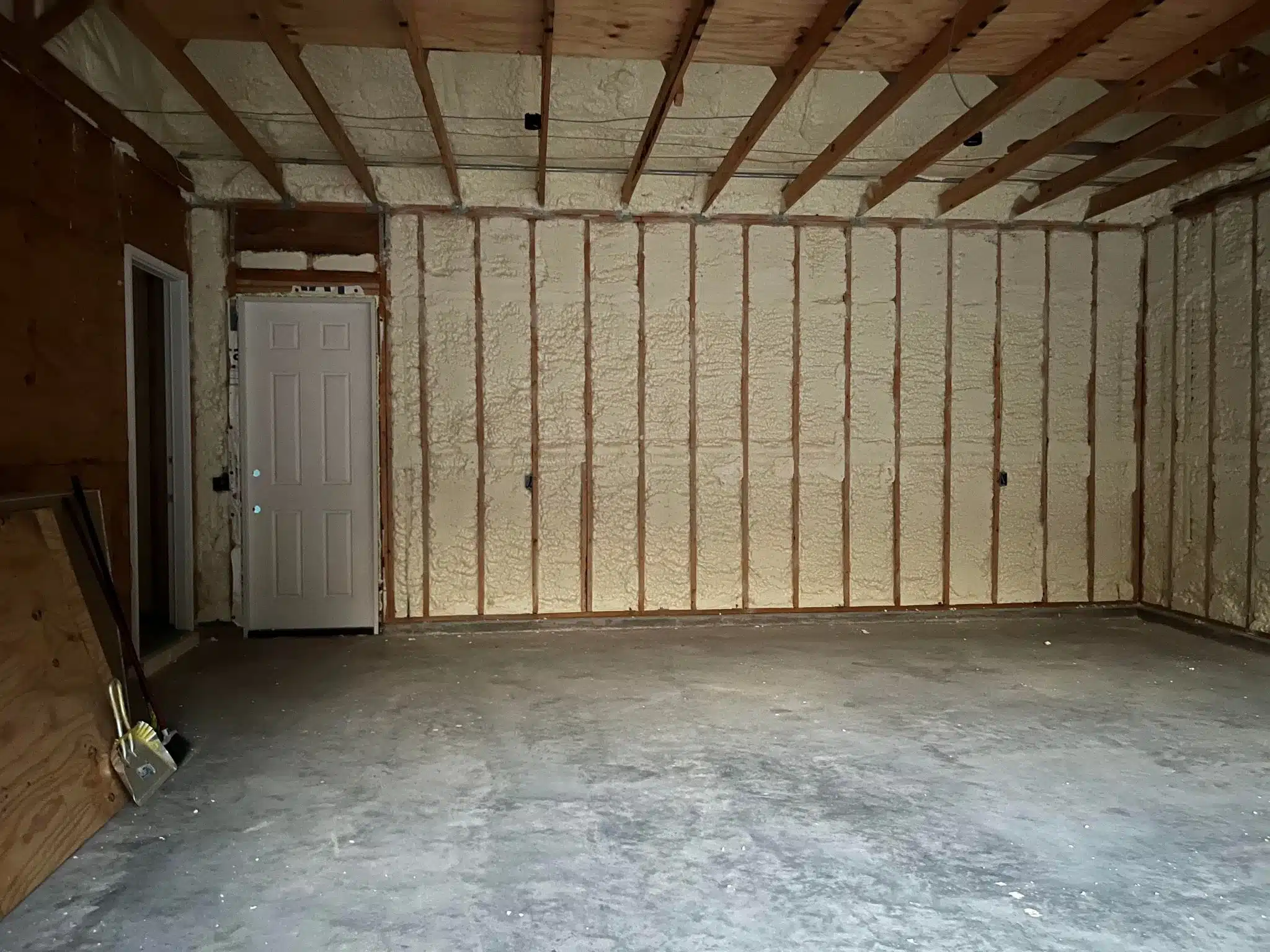
| Spray Foam | Varies by type | 200-500°F | Air sealing, specialty applications |
| Rigid Foam Board | Class C rating | ~250°F | Exterior walls, foundations |
Bonus Tip: When retrofitting insulation in older Gulf Breeze homes, prioritize mineral wool in shared walls and between living spaces and garages. These areas represent the highest risk for fire transfer between zones.
Things to Consider Before Making a Decision
Local building codes in Santa Rosa County require specific fire resistance ratings for insulation in certain applications. Before selecting insulation materials, verify requirements with the local building department. Gulf Breeze’s proximity to salt water also influences material selection – some insulation types perform poorly in coastal air with high salt content.
Consider the age and condition of your electrical system. Older homes with outdated wiring benefit most from fire-resistant insulation due to increased electrical fire risks. The cost difference between standard and fire-rated insulation is typically minimal when installed during initial construction or major renovations.
Evaluate access for emergency responders. Gulf Breeze’s narrow beach access roads mean longer response times during peak tourist season. Fire-resistant insulation becomes even more valuable when emergency services may take longer to arrive.
Bonus Tip: Install smoke detectors in every room with insulation, not just bedrooms and hallways. Modern insulation can contain smoke, potentially delaying detector activation if placement isn’t comprehensive.
Regional Considerations for Gulf Breeze Homes
Gulf Breeze’s position on the peninsula creates unique fire safety considerations. The combination of frequent lightning strikes during summer storms and wooden construction methods increases fire risk. Proper insulation selection must account for both thermal performance and fire protection.
Coastal humidity affects insulation performance over time. Materials that resist moisture absorption maintain their fire-resistant properties better in Gulf Breeze’s climate. Mineral wool and closed-cell spray foam offer superior moisture resistance compared to traditional fiberglass.
Hurricane preparation should include fire safety considerations. During power outages following storms, temporary lighting and cooking methods increase fire risk. Homes with fire-resistant insulation provide better protection during these vulnerable periods.
What Homeowners Should Do Next
Start by evaluating your current insulation’s fire safety properties. Most modern insulation meets basic fire resistance standards, but upgrading to superior materials in high-risk areas provides additional protection. Focus first on insulation between living spaces and attached garages, around mechanical equipment, and in shared walls of multifamily structures.
Schedule a professional inspection to identify areas where fire-resistant insulation could improve safety. Look specifically for gaps around penetrations like pipes, vents, and electrical boxes where fire could spread. Proper sealing of these areas with fire-resistant materials complements the insulation’s protective effects.
Consider insulation upgrades during other home improvement projects. The incremental cost is minimal when combined with larger renovations, and the safety benefits last the lifetime of the home.
Understanding Fire Safety Standards
The ASTM E84 test measures flame spread and smoke development of building materials. Most insulation materials undergo this testing to receive their fire ratings. For Gulf Breeze homeowners, understanding these ratings helps make informed decisions about insulation selection.
Class A materials (like mineral wool) have flame spread ratings of 0-25, making them ideal for high-risk applications. Class B (26-75) and Class C (76-200) materials still provide some protection but may not meet local code requirements in certain applications.
Beyond material ratings, proper installation significantly affects fire performance. Gaps, compression, and moisture infiltration can reduce insulation’s fire-resistant properties. Professional installation ensures materials perform as tested and rated.
Key Safety Factors for Gulf Breeze Properties
Lightning protection systems work hand-in-hand with fire-resistant insulation. Gulf Breeze experiences some of Florida’s highest lightning strike densities, making this combination particularly valuable. The insurance industry recognizes this relationship, with some providers offering discounts for homes with both systems installed.
During hurricane preparedness, include fire safety in your evacuation plans. Fire-resistant insulation may contain flames temporarily, but Hurricane-force winds can accelerate fire spread through damaged structures. The combination of proper insulation and comprehensive planning provides the best protection.
Consider the age of your home when evaluating insulation needs. Gulf Breeze contains many homes built before modern fire codes. These properties often benefit most from insulation upgrades that include current fire protection standards.
Final Considerations for Home Safety
Fire safety extends beyond insulation selection. Integrate your insulation upgrades with other safety measures like smoke detectors, fire extinguishers, and emergency escape plans. The most effective protection combines multiple layers of safety working together.
Document your insulation type and installation locations for emergency responders. During a fire incident, this information helps firefighters understand your home’s construction and anticipate how it might behave under fire conditions.
Remember that insulation is just one component of comprehensive fire safety. Electrical system updates, proper appliance maintenance, and safe cooking habits all contribute to reducing fire risk in Gulf Breeze homes.
Getting a Professional Assessment
Understanding your specific insulation needs requires professional evaluation of your home’s construction, location, and risk factors. Local expertise matters – what works in inland Florida doesn’t always address Gulf Breeze’s unique coastal challenges.
A thorough assessment should include inspecting existing insulation, identifying high-risk areas, and recommending upgrades in line with current fire safety standards and local building codes. This evaluation becomes particularly valuable before undertaking renovations or new construction projects.
Professional installers understand how different insulation materials interact with Gulf Breeze’s humidity, salt exposure, and temperature fluctuations. This knowledge ensures your fire protection remains effective throughout the material’s service life.
For Gulf Breeze homeowners seeking professional insulation assessment, Prestige Insulation Solutions offers comprehensive fire safety evaluations at [email protected] or by calling (850) 429-4969. Our local expertise helps ensure your insulation provides both thermal comfort and optimal fire protection for Florida’s unique challenges.
FAQS
Does all insulation provide the same fire protection?
No, different materials offer varying levels of fire resistance. Mineral wool provides the highest protection, followed by cellulose and fiberglass. Check specific product ratings rather than assuming all insulation equals protection.
How often should insulation be inspected for fire safety?
Inspect insulation every 5 years or after any renovations, pest infestations, or water damage. Look for gaps, compression, moisture issues, or damage that could compromise fire resistance.
Can I add fire-resistant insulation over existing insulation?
Yes, but only if the existing insulation is in good condition. Adding mineral wool or rock wool board over the existing fiberglass creates additional fire barriers without removing functional insulation.
Do I need special insulation for my garage?
Absolutely. Garages contain flammable materials and ignition sources. Install fire-rated insulation in walls and ceilings separating garages from living spaces, typically with a minimum 1-hour fire rating.
How does insulation affect smoke detector performance?
Properly installed insulation shouldn’t interfere with smoke detectors. However, ensure detectors are placed away from insulation-covered areas where smoke might be temporarily contained during early fire stages.
Sources
- Insurance Institute for Business & Home Safety – Research organization studying residential construction and disaster safety, including fire protection methods and materials performance
- National Fire Protection Association – Leading authority on fire, electrical, and building safety codes and standards with extensive research on residential fire protection
- U.S. Fire Administration – Federal agency providing data, research, and safety information about fire risks and prevention in residential structures