Direct Answer
If your Pensacola Beach home feels uncomfortable despite running your HVAC system constantly, poor insulation is likely the culprit. In this coastal climate, inadequate or degraded insulation allows heat to escape during winter months while trapping unwanted heat during summer, forcing your cooling system to work overtime. The high humidity levels unique to our Gulf Coast region compound these issues, creating moisture problems that further reduce thermal performance. Prestige Insulation Solutions LLC specializes in diagnosing and fixing these exact insulation challenges, helping homeowners achieve comfortable, energy-efficient living spaces year-round.
Key Takeaways
- Up to 40% of energy loss in Florida homes occurs through insufficient attic insulation, directly impacting your utility bills and comfort
- Coastal humidity accelerates insulation degradation, requiring more frequent inspections than inland properties
- Proper insulation installation can reduce heating and cooling costs by 15-25% annually, according to energy studies
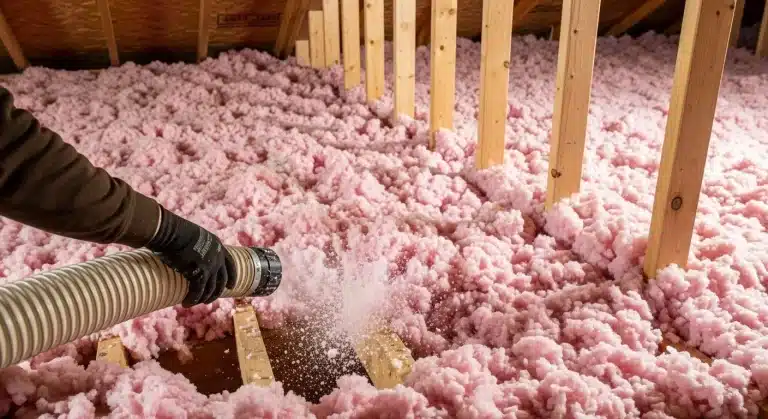
- Spray foam and blown-in insulation offer superior performance in Pensacola Beach’s humid climate
- Air sealing is equally important as insulation material selection for optimal thermal performance
- Professional energy audits identify hidden problem areas that DIY inspections typically miss
- Florida’s building codes specify minimum R-value requirements that many older homes fail to meet
Understanding Pensacola Beach’s Unique Climate Challenges
Pensacola Beach presents specific insulation challenges that differ significantly from those in other regions. Living on Florida’s Gulf Coast means dealing with extreme humidity levels, intense summer heat, and occasional cold snaps during the winter months. This combination creates a perfect storm for home insulation problems that many homeowners struggle to understand.
The humidity here regularly exceeds 80% during the summer months, and this moisture constantly works its way into your home’s envelope. When warm, humid air meets cool interior surfaces, condensation forms, soaking into insulation materials and dramatically reducing their effectiveness. Unlike the dry climates found in other parts of the country, Pensacola Beach insulation must contend with moisture management as a primary concern.
Temperature fluctuations throughout the year also play a significant role. Summer temperatures routinely climb into the 90s, while winter can bring brief cold spells with temperatures dropping into the 30s and 40s. This thermal cycling causes building materials to expand and contract, creating gaps and voids in insulation that compromise performance over time.
Research from the National Renewable Energy Laboratory demonstrates that coastal environments accelerate insulation degradation rates significantly compared to inland areas, making proactive maintenance essential for homeowners in our region.
Common Insulation Problems in Coastal Florida Homes
Inadequate Insulation Levels
Many homes built before Florida’s updated building codes simply lack sufficient insulation. The U.S. Department of Energy recommends different R-values depending on climate zones, and Pensacola Beach falls into Zone 2, which requires specific minimum standards that older construction often fails to meet.
Degraded Insulation Materials
Even homes with initially adequate insulation experience degradation over time. Fiberglass batts can settle and compress, reducing their thermal resistance. Cellulose insulation absorbs moisture and loses effectiveness. In our coastal environment, these processes accelerate significantly compared to drier climates.
The EPA reports that insulation degradation in humid climates can reduce thermal performance by 30% or more within a decade if proper moisture management isn’t addressed during installation.
Air Leaks and Poor Installation
Gaps around windows, doors, electrical outlets, and attic hatchways create thermal bridges that bypass your insulation entirely. These air leaks account for substantial energy loss, and they’re often invisible to homeowners. Poor installation practices, including compression of insulation materials and failure to properly seal edges, compound these problems significantly.
How Residential Insulation Solves These Problems
Selecting the Right Insulation Type
Different insulation materials offer varying levels of performance in our coastal environment. Here’s a comparison of common options:
| Insulation Type | R-Value per Inch | Moisture Resistance | Best Application | Average Lifespan |
|---|---|---|---|---|
| Spray Foam (Open-Cell) | 3.5-3.6 | Excellent | Walls, attic floors | 25+ years |
| Spray Foam (Closed-Cell) | 6.0-7.0 | Excellent | Foundations, exterior walls | 25+ years |
| Blown-in Cellulose | 3.2-3.8 | Poor (requires vapor barrier) | Attics, existing walls | 20-30 years |
| Fiberglass Batts | 3.1-4.3 | Moderate | New construction, accessible walls | 20-25 years |
| Mineral Wool | 3.3-4.2 | Good | Fire-prone areas | 25+ years |
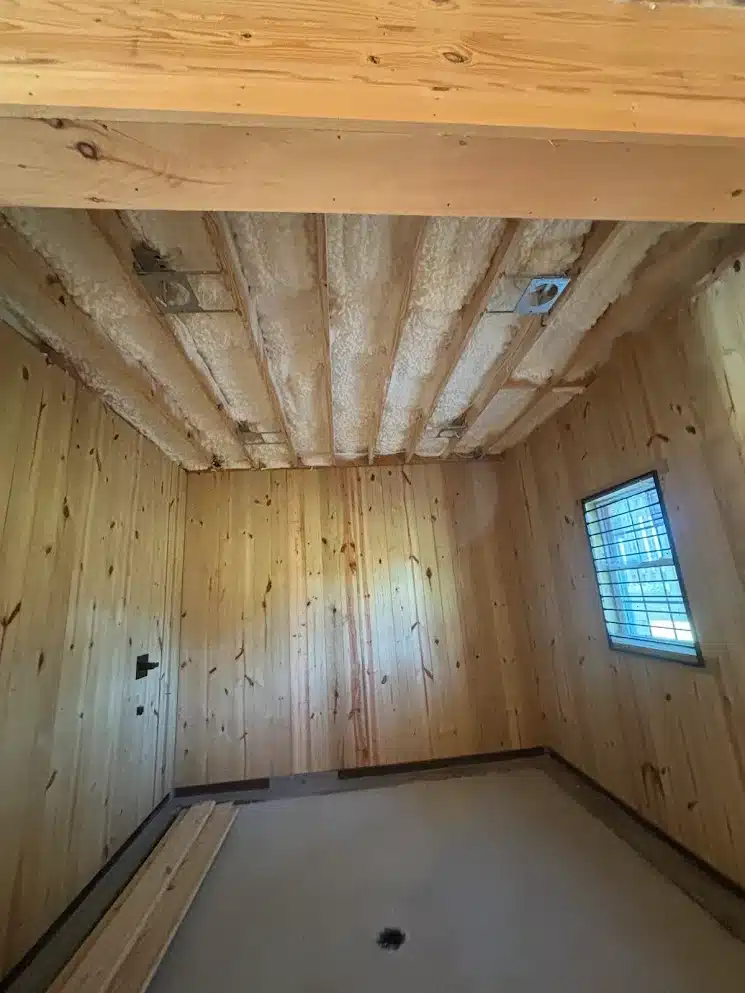
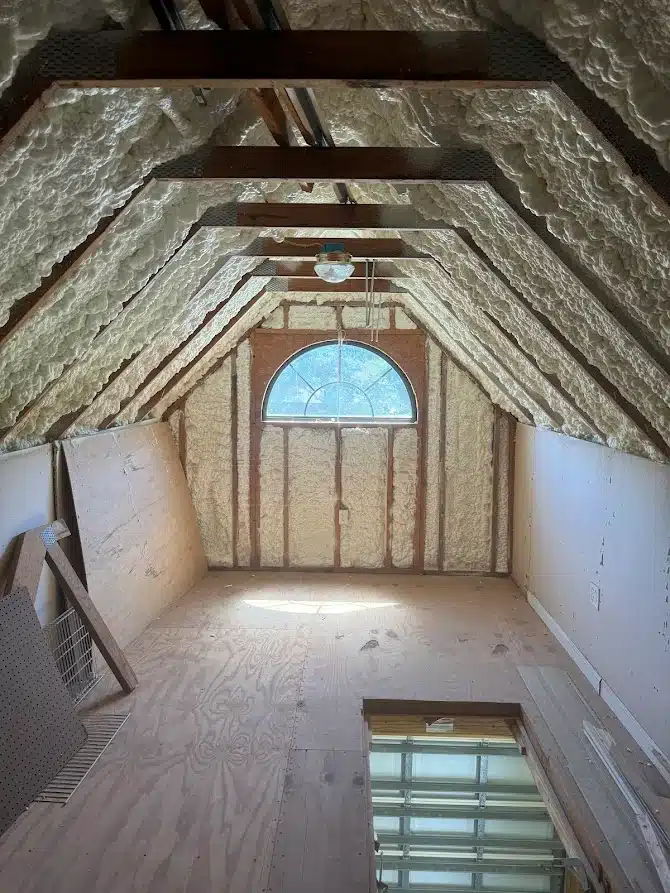
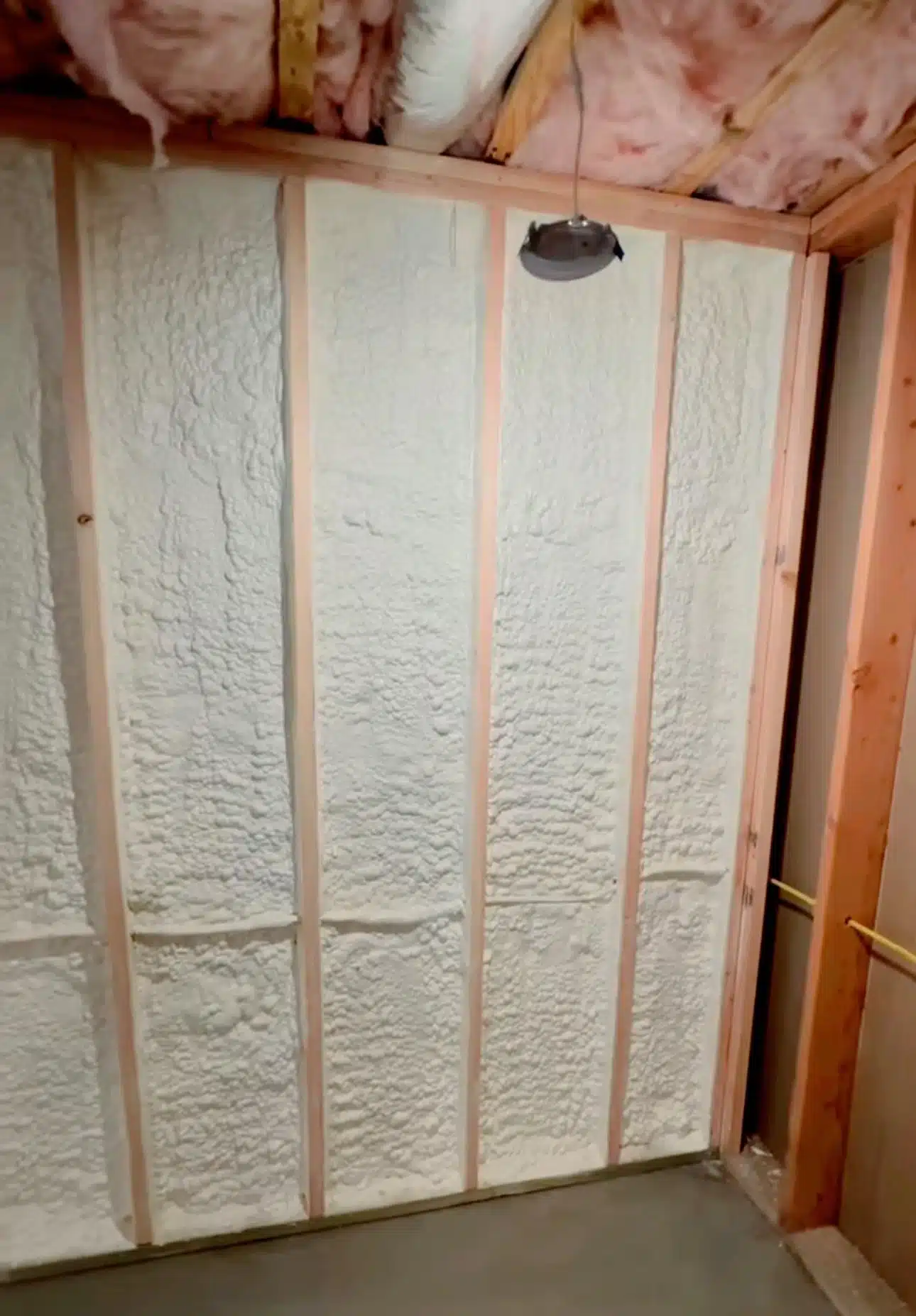
For Pensacola Beach homes, spray foam insulation typically provides the best overall performance due to its superior air-sealing capabilities and moisture resistance. While the upfront investment is higher, the long-term energy savings and durability make it the most cost-effective choice over time.
The Florida Building Commission specifies minimum R-values for new construction that reflect our zone requirements, and Energy Star recommends exceeding these minimums by at least 20% for optimal performance in our climate.
The Critical Role of Air Sealing
Insulation alone cannot solve thermal performance problems. Air sealing addresses the movement of air through your home’s envelope, which accounts for significant energy loss regardless of insulation quality. Our approach at Prestige Insulation Solutions LLC always includes comprehensive air sealing before installing new insulation, ensuring you get maximum performance from your investment.
The U.S. Department of Energy estimates that air leakage accounts for 25-40% of energy loss in typical homes, making air sealing equally important as insulation upgrades.
Professional contractors use specialized equipment, including blower door tests and infrared cameras, to identify air leaks that homeowners cannot see. These diagnostic tools reveal exactly where warm or cool air escapes, allowing targeted remediation that delivers measurable results.
Proper Ventilation Integration
Balancing insulation with appropriate ventilation prevents moisture accumulation while maintaining thermal performance. In our humid climate, attic ventilation reduces heat buildup during summer and prevents moisture damage during winter. Our installation process always considers ventilation requirements, ensuring your insulation system works with, not against, your home’s overall air exchange needs.
Building science research from Harvard University demonstrates that proper ventilation integration extends insulation lifespan by 40% or more in humid coastal environments.
Actionable Strategies for Homeowners
Conduct a Visual Inspection
Start by checking your attic insulation yourself. Look for compressed batts, gaps between insulation layers, signs of water damage, and areas where insulation has settled significantly. Bring a flashlight and wear appropriate protective gear. If you can see the ceiling joists, your insulation is inadequate.
Monitor Your Energy Bills
Track your monthly energy consumption over several seasons. Unexpected spikes often indicate insulation problems, especially when weather patterns are consistent. Compare your usage to similar homes in your neighborhood to identify potential efficiency issues.
Schedule Professional Audits
An energy audit provides a comprehensive analysis of your home’s thermal performance. Auditors use specialized equipment to measure heat flow, identify air leaks, and calculate actual energy loss. This information guides insulation decisions and ensures you’re investing in solutions that address your specific problems.
According to Energy Star, professional energy audits can identify issues that reduce energy efficiency by 20-30% in typical homes.
Real-World Results
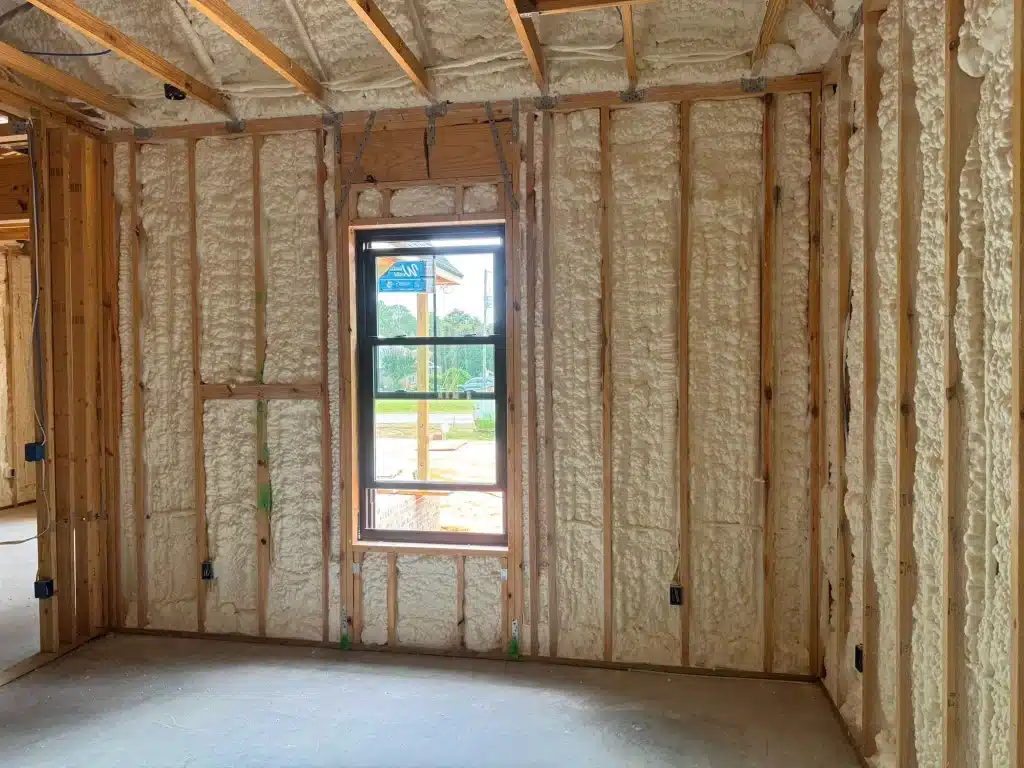
Consider a typical Pensacola Beach home built in the 1990s with original fiberglass insulation in the attic. After our team completed a comprehensive insulation upgrade, including air sealing and new spray foam installation, the homeowner reported several immediate improvements:
- 22% reduction in monthly energy bills during summer months
- More consistent temperatures throughout the home
- Elimination of cold spots near exterior walls
- Reduced outdoor noise penetration
- Improved indoor air quality
These results are typical when proper insulation techniques are applied to homes with significant thermal performance issues.
Why Professional Installation Matters
Attempting DIY insulation projects often creates more problems than they solve. Improperly installed insulation can create moisture problems, reduce indoor air quality, and void manufacturer warranties. More importantly, without proper air sealing and ventilation integration, the results fail to deliver expected energy savings.
Professional contractors understand building science principles that govern thermal performance. We account for factors including vapor diffusion, thermal bridging, and air pressure differentials that significantly impact insulation effectiveness. This holistic approach distinguishes professional installation from simple material replacement.
Ready to Transform Your Home’s Comfort
Your Pensacola Beach home deserves insulation that handles our unique coastal challenges. At Prestige Insulation Solutions LLC, our experienced team evaluates your specific situation, explains all available options, and recommends solutions that deliver genuine results. We stand behind our work with satisfaction guarantees and long-term warranties that protect your investment.
Call now: (850) 429-4969
Email: [email protected]
Frequently Asked Questions
Q: How often should I inspect my home’s insulation in Pensacola Beach?
A: You should visually inspect your insulation annually, preferably in late fall before heating season begins. Professional inspections every 3-5 years help identify problems that aren’t visible from the attic access point.
Q: Will adding more insulation fix my cold rooms?
A: Not necessarily. Cold rooms often result from air leaks rather than insufficient insulation. A professional energy audit identifies whether your problems stem from insulation levels, air sealing, or HVAC distribution issues.
Q: What’s the most cost-effective insulation for Gulf Coast homes?
A: While spray foam has the highest upfront cost, its superior air-sealing performance and longevity typically make it the most cost-effective option over 10-15 years. The exact choice depends on your home’s construction and specific issues.
Q: Can old insulation cause health problems?
A: Older insulation materials, particularly vermiculite or asbestos-containing products, can pose health risks. If your home was built before 1990, have insulation professionally tested before disturbing it.
Q: Does insulation really affect my energy bills that much?
A: Yes. Studies consistently show that proper insulation reduces heating and cooling costs by 15-25% annually. For the average Pensacola Beach home, this represents hundreds of dollars in yearly savings.