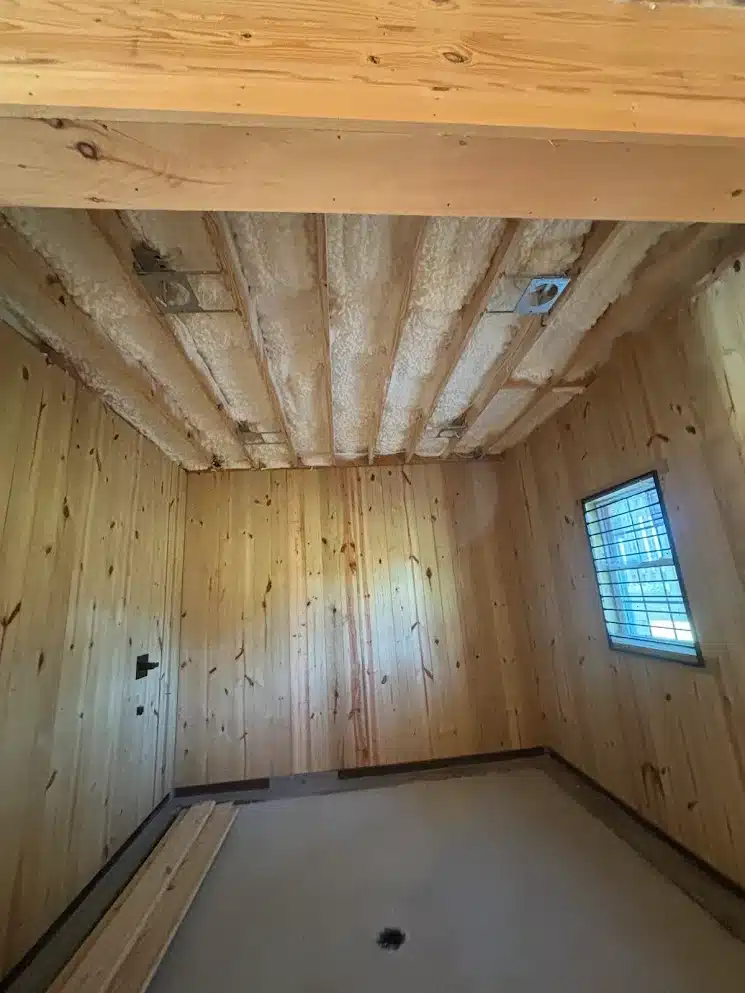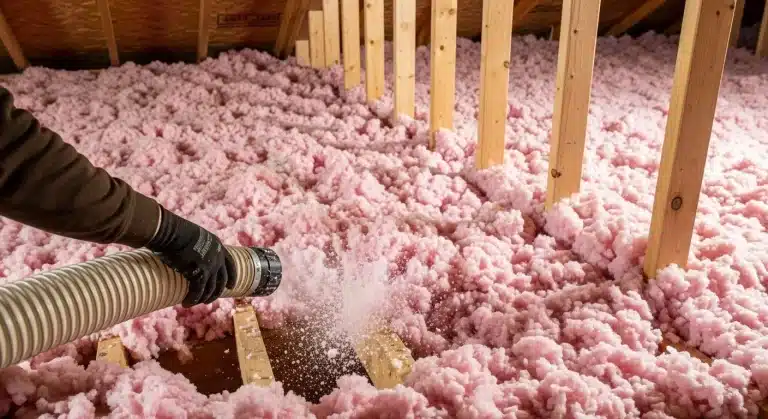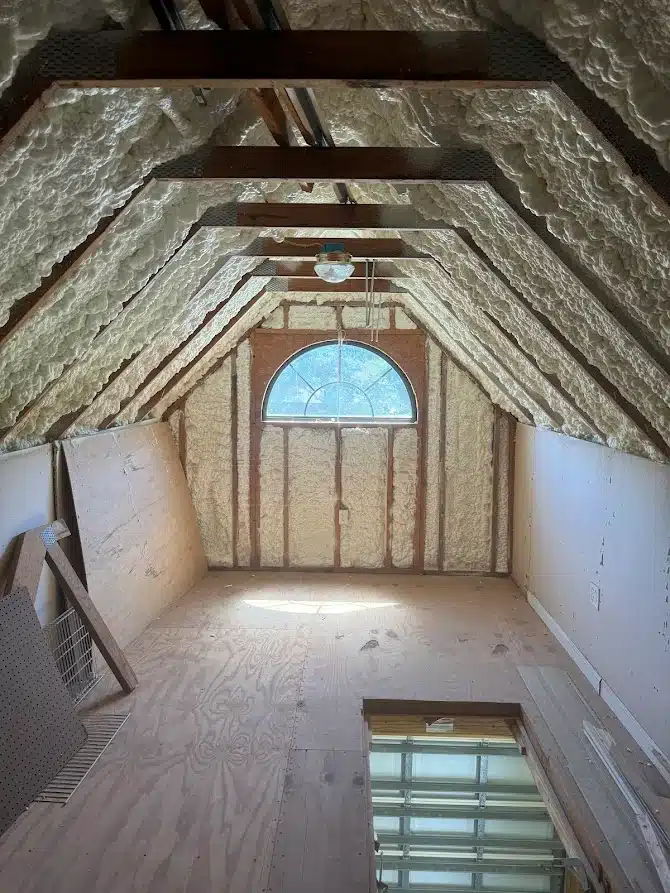
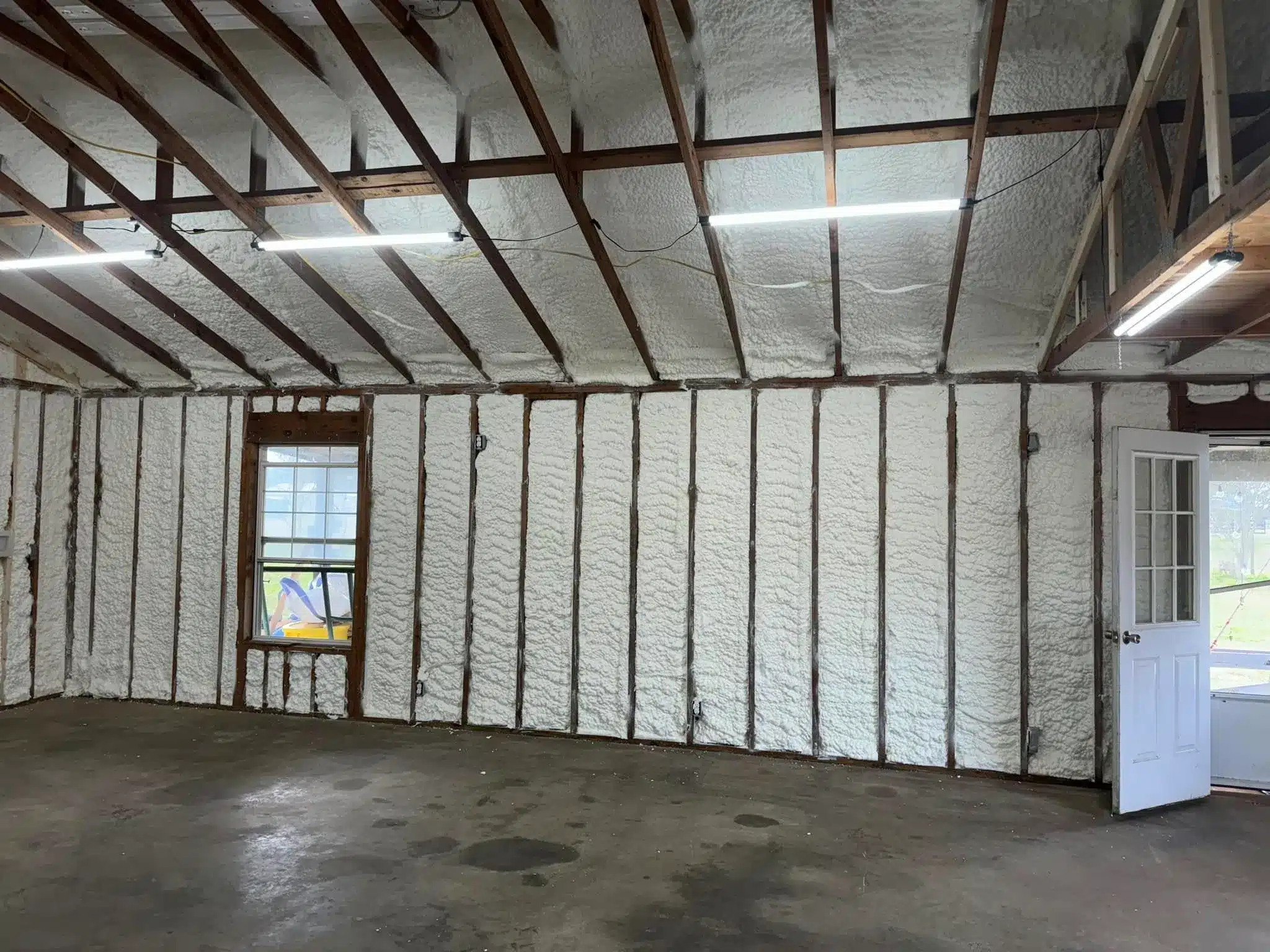
Spray foam insulation offers families substantial long-term financial advantages that extend far beyond monthly utility bill reductions. The primary ways homeowners save money over time include dramatically lowering energy consumption, extending the service life of expensive HVAC equipment, preventing costly structural moisture damage, reducing recurring pest control expenses, and providing eligibility for government efficiency rebates and incentives. Properly applied insulation creates an air seal and thermal barrier that stabilizes the entire building envelope, leading to predictable and significant savings for decades.
Insulating a home is a major investment. The following details explore exactly how this type of insulation protects both the structure and the family budget against rising costs and unexpected repairs, focusing on the science behind energy performance and building integrity.
1. Drastic Reduction in Energy Bills
Energy efficiency remains the most immediate and significant source of savings. Traditional insulation, like fiberglass, only slows heat transfer, but it does not stop air movement. Spray foam, whether closed-cell or open-cell, forms a complete airtight barrier when applied correctly. This means conditioned air stays inside, and unconditioned air stays outside, regardless of the temperature difference. Air leakage accounts for a major portion of wasted energy in most homes.
Data published by the Environmental Protection Agency (EPA) highlights that sealing air leaks and adding insulation can reduce energy consumption for heating and cooling by 15% on average. For homeowners in extreme climates, that figure is often much higher. This consistent reduction allows families to stabilize utility costs, eliminating the dramatic spikes associated with seasonal temperature changes.
Bonus Tip: The Envelope is Key Focus: initial insulation efforts on the attic and crawl space. These areas typically account for the highest percentage of air exchange and thermal loss, providing the fastest return on the initial investment.
2. Extended HVAC System Life and Reduced Maintenance
Heating, Ventilation, and Air Conditioning (HVAC) systems are one of the most expensive mechanical purchases a homeowner makes. When a home is poorly insulated, the HVAC system must run constantly, cycling on and off rapidly to keep up with temperature demands. This process causes wear and tear on components like compressors, fans, and motors, shortening their lifespan and requiring more frequent repairs.
Because spray foam creates a thermally stable environment, the HVAC system operates far less frequently and runs more efficiently when it does cycle on. This decreased workload translates directly into years of added service life for the units, delaying the need for a $10,000 to $15,000 replacement. Reduced operation also cuts down on routine maintenance calls related to overworking the equipment.
3. Structural Protection and Moisture Damage Prevention
Water damage and subsequent mold growth can lead to extremely high repair bills, sometimes requiring complete drywall removal, structural wood replacement, and professional remediation. Moisture enters a structure primarily through vapor drive and condensation, often occurring when warm, humid air meets cold surfaces within the walls or roof cavity.
Closed-cell spray foam acts as a vapor barrier, preventing this crucial moisture transfer. Stopping the movement of humid air into the wall assembly eliminates the conditions necessary for condensation and mold growth, protecting expensive wood framing, sheathing, and finishes. This protection against water intrusion is particularly beneficial where moisture management is critical to preserving home value and preventing expensive repairs years down the road. According to the Federal Emergency Management Agency (FEMA), effective moisture control is fundamental to reducing structural failure and long-term maintenance costs.
Comparison of Common Insulation Types
| Insulation Type | R-Value per Inch (Approx.) | Air Sealing Capability | Typical Lifespan | Primary Benefit for Savings |
|---|---|---|---|---|
| Fiberglass Batts | 3.2 – 3.8 | Poor (Requires separate air sealing) | 20-30 Years | Low Initial Cost |
| Cellulose (Blown-In) | 3.5 – 3.8 | Moderate (Denser fill) | 50+ Years | Recycled Content, Moderate Cost |
| Open-Cell Spray Foam | 3.5 – 3.7 | Excellent | 80+ Years | Air Sealing, Sound Dampening |
| Closed-Cell Spray Foam | 6.0 – 7.0 | Superior (Also a vapor barrier) | 80+ Years | High R-Value, Structural Rigidity |
4. Decreased Pest Control and Exclusion Costs
Insects and rodents commonly infiltrate homes through tiny gaps, cracks, and voids, often finding comfortable nesting material in loose-fill or batt insulation. Dealing with recurring infestations requires expensive exterminator visits and repairs to damaged electrical wiring or wood.
Spray foam, especially closed-cell, hardens into a dense, solid material that seals off all these entry points. Pests cannot eat or nest inside the material, and the physical density makes it extremely difficult for rodents to chew through. This physical barrier provides long-term pest exclusion, preventing property damage caused by burrowing or nesting animals.
5. Capturing Rebates and Increasing Home Resale Value
Home energy efficiency upgrades often qualify for various federal, state, and local incentives. Families can immediately recoup a portion of the installation cost through these programs. For instance, the Internal Revenue Service (IRS) details tax credits available for certain energy-efficient improvements made to existing homes, allowing homeowners to claim a credit based on efficiency standards.
Furthermore, when it is time to sell, a well-insulated, energy-efficient home commands a higher resale price. Buyers are increasingly aware of utility costs. A structure that has demonstrably low bills, superior thermal comfort, and no history of moisture issues is a major selling point, often leading to faster sales and higher appraisal values.
Things to Consider Before Making a Decision
Making the decision to upgrade insulation requires evaluating specific building needs and climate characteristics. Assess the age of the existing insulation, the severity of local temperature swings, and the potential for moisture issues.
- Existing Insulation Removal: If existing insulation is wet, moldy, or heavily contaminated by pests, it must be removed before spray foam installation, adding to the initial cost.
- Ventilation Requirements: When the attic is sealed (creating a conditioned attic space), it changes the home’s ventilation needs. Proper assessment by professionals ensures mechanical ventilation systems are adequate for the now-sealed environment.
- Wall Cavity Access: For insulating existing exterior walls without demolition, small holes are drilled, and liquid foam is injected. Choosing the right density (open-cell vs. closed-cell) depends on the size of the cavity and the required R-value.
FAQS
Is spray foam better than fiberglass for noise reduction?
Yes, spray foam is highly effective at absorbing sound, particularly open-cell foam. Because it completely seals all gaps and voids, it reduces airborne noise transmission much better than traditional batt insulation, which is prone to gaps.
How long does spray foam typically last?
When installed correctly, spray foam is considered a permanent insulation solution. It does not settle, compress, or degrade over time like cellulose or fiberglass, meaning its high R-value remains consistent for the lifespan of the structure, often exceeding 80 years.
Can existing walls be insulated without removing drywall?
Yes. Small holes can be drilled between the studs, and liquid foam can be injected into the wall cavity. This allows the foam to expand and fill the space entirely, sealing the wall without the high labor costs associated with interior demolition.
Does the return on investment justify the higher initial cost?
For most homes, especially those reliant on electricity for heating/cooling, the combined annual savings from reduced energy consumption and reduced maintenance often lead to a full return on the investment within seven to ten years. After that period, the savings continue for the life of the home.
Evaluating Your Needs and Long-Term Goals
Choosing the right insulation product represents a crucial long-term financial decision. Beyond the measurable energy savings, consider the intangible value provided by continuous indoor comfort and stability. This investment eliminates worry about hidden mold growth, unexpected pest infestations, and volatile utility bills. Making this choice protects the physical structure of the home while providing long-term peace of mind and stabilizing future household budgets.
Ready to Learn About Savings
Understanding which type of spray foam is best suited for a specific region, structure, and budget requires personalized expertise. If you are ready to explore the variables that impact long-term financial benefits and receive tailored advice on maximizing energy efficiency in your home, contact Prestige Insulation Solutions LLC today. The team is available to answer detailed questions via email at [email protected] or by phone at (850) 429-4969. Take the next step toward a more comfortable and financially secure home.
Sources
- Environmental Protection Agency (EPA) – Data on the effectiveness of air sealing and insulation in reducing energy consumption for heating and cooling.
- Federal Emergency Management Agency (FEMA) – Guidance on moisture control and building envelope integrity for structural preservation.
- Internal Revenue Service (IRS) – Information detailing current federal tax credits available for homeowners who invest in energy-efficient improvements.