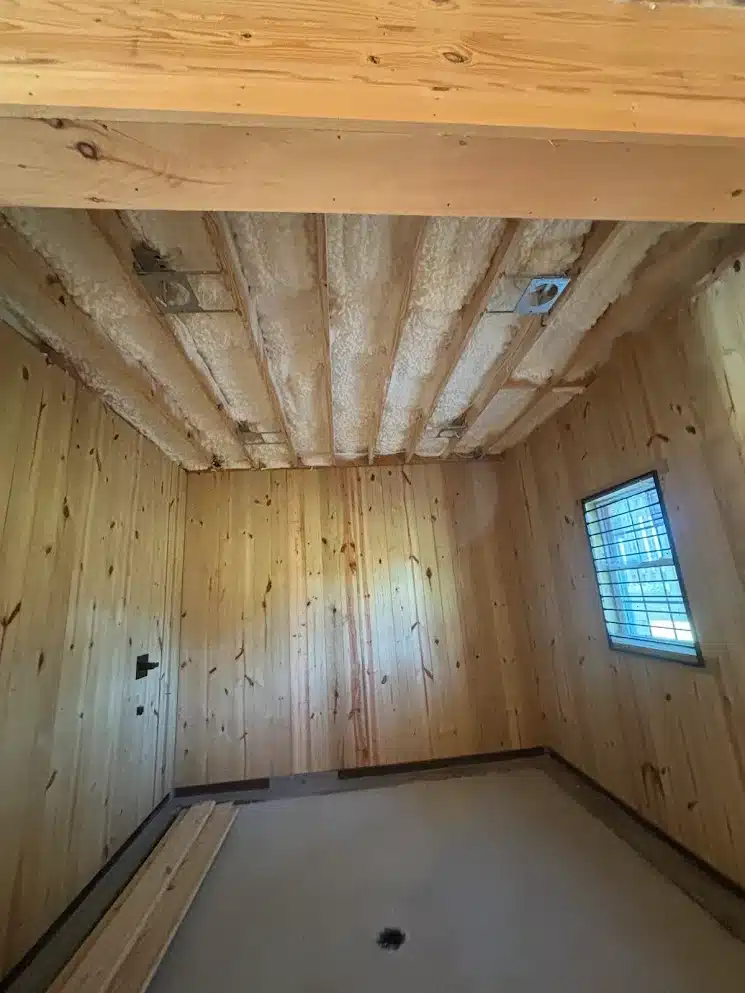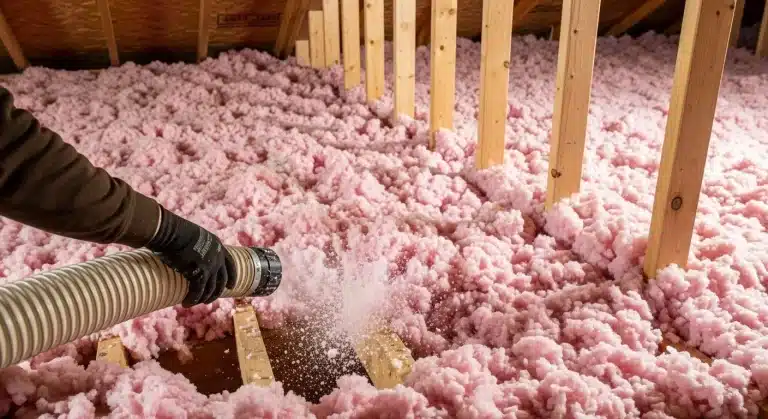

Proper spray foam insulation provides an airtight seal that physically blocks outdoor allergens like pollen, dust, and ragweed from entering a home through gaps and cracks. In the humid climate of Loxley, Alabama, this material also serves as a powerful moisture barrier, helping prevent the damp conditions that lead to mold growth and dust mite infestations. Unlike traditional insulation types that allow air to pass through, spray foam creates a continuous envelope, ensuring indoor air remains separated from the harsh, allergen-heavy environment of the Gulf Coast.
Maintaining a clean indoor environment requires more than just high-quality air filters. Air infiltration through the attic, crawl space, and wall cavities often bypasses filtration systems entirely. Prestige Insulation Solutions identifies that sealing these entry points with spray foam is the most effective way to maintain long-term respiratory health within a residence. This guide provides an in-depth look at how advanced insulation materials affect how local homes manage indoor air quality and seasonal allergy triggers.
Indoor Air Quality Hazards in Southern Alabama
Loxley residents face unique environmental challenges due to the high humidity and long growing seasons characteristic of Baldwin County. The Asthma and Allergy Foundation of America frequently ranks many southern regions as high-risk areas for allergy sufferers due to high pollen counts and mold prevalence. When a home is not correctly sealed, the “stack effect” pulls outdoor air into the living space through the bottom of the house and pushes it out through the top. This movement carries millions of microscopic particles directly into the rooms where families sleep and breathe.
In Alabama, humidity often stays above 60 percent, the threshold at which mold begins to thrive. Standard insulation materials like fiberglass can trap moisture against wooden studs, providing a food source for fungal growth. Once mold spores become airborne, they circulate through the HVAC system, causing persistent sneezing, coughing, and itchy eyes.
Air Sealing Mechanics and Pollen Prevention
Spray foam differs from other materials because it expands up to 100 times its liquid volume upon application. This expansion allows it to reach into tiny crevices around pipes, vents, and electrical outlets that are impossible to reach with batts or rolls. Data from the U.S. Department of Energy suggests that air leakage can account for up to 40 percent of a home’s heating and cooling costs. Still, more importantly for allergy sufferers, those leaks are also the primary highway for pollen.
When the air envelope is tight, the home relies on controlled ventilation rather than accidental leaks. This allows the HVAC system to filter a specific, manageable amount of air. Without the constant influx of unfiltered outdoor air, HEPA filters and air purifiers can operate much more efficiently.
Bonus Tip: Focus on the attic floor and the rim joists in the crawl space first. These are the two most common areas where “unfiltered” air enters a home through the vacuum created by the stack effect.
The Relationship Between Humidity Control and Mold Growth
Controlling moisture is just as crucial as blocking pollen. High indoor humidity promotes the survival of dust mites, which are among the most common triggers of year-round allergies. According to the American Lung Association, dust mites do not drink water but instead absorb moisture from the air. Keeping indoor humidity below 50 percent effectively dehydrates and kills these pests.
Closed-cell spray foam provides an added layer of protection because it is impermeable to water. It prevents the humid Loxley air from condensing on the backside of drywall or inside the attic. By keeping building materials dry, the house becomes inhospitable to mold and mildew.
Comparing Insulation Materials for Allergy Management
The following table outlines how different insulation types perform with respect to the specific factors that influence indoor allergen levels.
| Feature | Spray Foam (Closed-Cell) | Fiberglass Batts | Cellulose (Blown-in) |
|---|---|---|---|
| Air Sealing Ability | Excellent (Expands to seal) | Poor (Allows air passage) | Moderate (Dense pack only) |
| Moisture Resistance | High (Vapor barrier) | Low (Holds moisture) | Low (Can rot/mildew) |
| Pollen Filtration | Physical Barrier | Acts as a filter/trap | Permits airflow |
| Pest Resistance | High (No nesting value) | Low (Nesting material) | Moderate (Treated) |
| Life Expectancy | 50+ Years | 15 to 25 Years | 20 to 30 Years |
Prestige Insulation Solutions emphasizes that while the initial cost of spray foam may be higher, the reduction in health-related costs and the improvement in daily comfort often outweigh the price difference.
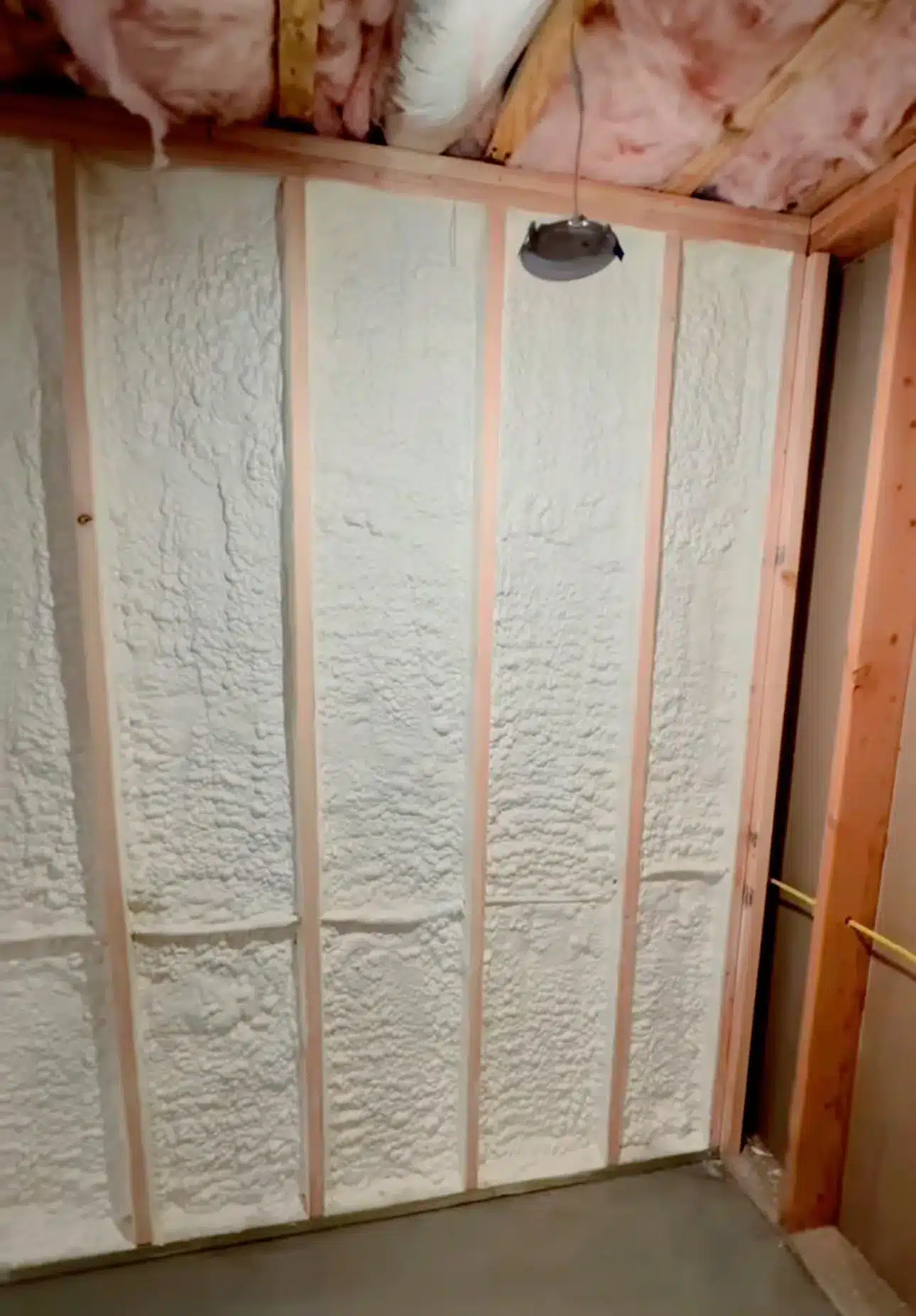
Pest Prevention as a Method for Allergen Reduction
Many people do not realize that pests like cockroaches and mice are major contributors to indoor allergies. Their droppings and shed skin contain proteins that trigger asthma attacks and allergic reactions. Traditional insulation, such as fiberglass, is often used by rodents as nesting material because it is soft and easy to move.
Spray foam hardens into a dense structure that is difficult for pests to penetrate. Since it also seals the gaps they use to enter the home, the overall pest population decreases. Information published by the U.S. Environmental Protection Agency notes that eliminating pest entry points is a fundamental step in integrated pest management and in improving indoor air quality.
Bonus Tip: If a home has had past rodent issues, removing old, contaminated insulation before applying new spray foam is necessary to eliminate existing pheromones and allergens left behind by the pests.
Things to Consider Before Choosing an Insulation Type
Selecting the right insulation requires evaluating factors beyond the R-value alone.
- Existing Air Quality: Homes with current mold issues must have those addressed before any new insulation is installed. Spray foam should never be used to cover up active mold growth.
- Ventilation Needs: An airtight home requires a mechanical ventilation strategy, such as an ERV (Energy Recovery Ventilator), to ensure fresh air is introduced in a controlled manner.
- Structure Type: Older homes in Loxley may have specific requirements for vapor movement. Consulting with a professional ensures the foam does not trap moisture against sensitive historic materials.
- Chemical Sensitivities: While spray foam is inert once cured, homeowners with extreme chemical sensitivities should discuss the curing time and ventilation protocols with the installer.
Summary of Health Benefits
Properly installed spray foam is a long-term solution for managing indoor allergens in Loxley. By creating a total air seal, it blocks pollen, reduces humidity-driven mold, and discourages pest infestations. This material transforms a home into a controlled environment where air filtration systems can actually do their job. Homeowners should evaluate their current indoor air quality and consider how an airtight envelope might reduce their reliance on allergy medications and air purifiers.
Professional Insulation Services in Baldwin County
Achieving a healthier home environment starts with a professional assessment of the existing attic and wall conditions. Prestige Insulation Solutions offers expert guidance on the best insulation strategies for Loxley’s specific climate and the surrounding Alabama Gulf Coast. For a detailed consultation on air sealing and allergen reduction, contact the office at (850) 429-4969 or email [email protected] to discuss your specific needs.
Direct Questions and Expert Answers
Can spray foam help with outdoor smoke or smog
Yes. Because spray foam creates a physical air barrier, it prevents outdoor smoke from wildfires or neighborhood debris burning from seeping through the walls. This forces all air to go through the home’s filtration system, which can effectively remove smoke particles.
How long does it take to notice a difference in air quality
Most homeowners report a noticeable change in dust levels and air freshness within 48 hours of the installation being completed and the initial ventilation period ending.
Will this reduce the amount of dusting required in the home
A significant portion of household dust is actually outdoor soil and pollen brought in through air leaks. By sealing those leaks, the total volume of dust entering the home decreases significantly.
Does spray foam prevent all types of mold
Spray foam prevents mold caused by air infiltration and condensation. However, it cannot stop mold caused by interior plumbing leaks or roof leaks. It is still essential to maintain the home’s plumbing and roofing systems.
Sources
- Asthma and Allergy Foundation of America – Provides data on allergy triggers and regional risk factors for asthma sufferers.
- U.S. Department of Energy – Offers technical information on air sealing and the energy efficiency of various insulation materials.
- U.S. Environmental Protection Agency – Explains the importance of air sealing for both energy savings and the reduction of indoor pollutants.