

Prestige Insulation Solutions, LLC provides spray foam insulation for Tiger Point, FL property owners to use for new construction, renovations, and insulation upgrades. Established in 2023, we offer residential and commercial insulation options to improve thermal performance and reduce unwanted air movement.
Our services include spray foam, fiberglass, blown-in insulation, and insulation removal for different building requirements. We help property owners choose the right insulation materials based on construction type, installation areas, and existing conditions. Our Spray Foam Insulation Services in Tiger Point, FL, address needs in walls, ceilings, and suitable roof assemblies.
Call (850) 429-4969 to discuss your insulation project in Tiger Point, FL.
Tiger Point’s location near Santa Rosa Sound means insulation decisions should account for summer heat, humidity, and heavy seasonal rainfall. According to the Florida Climate Center’s 1991–2020 climate normals, nearby Pensacola records an average July high of 91.6°F and approximately 68.31 inches of annual precipitation. These conditions make thermal resistance and air sealing important for limiting unwanted heat gain and humid outdoor air entering conditioned spaces.
The Santa Rosa County Emergency Management guidance warns that heavy rain can flood low-lying roads and areas during tropical weather. For Tiger Point properties, roof leaks, damp building materials, and drainage problems should be addressed before insulation installation. Spray foam may improve air sealing, but it cannot replace waterproofing, drainage, or necessary structural repairs.
Prestige Insulation Solutions, LLC offers insulation services for residential and commercial buildings. Our options address thermal performance, existing insulation conditions, and different construction requirements.
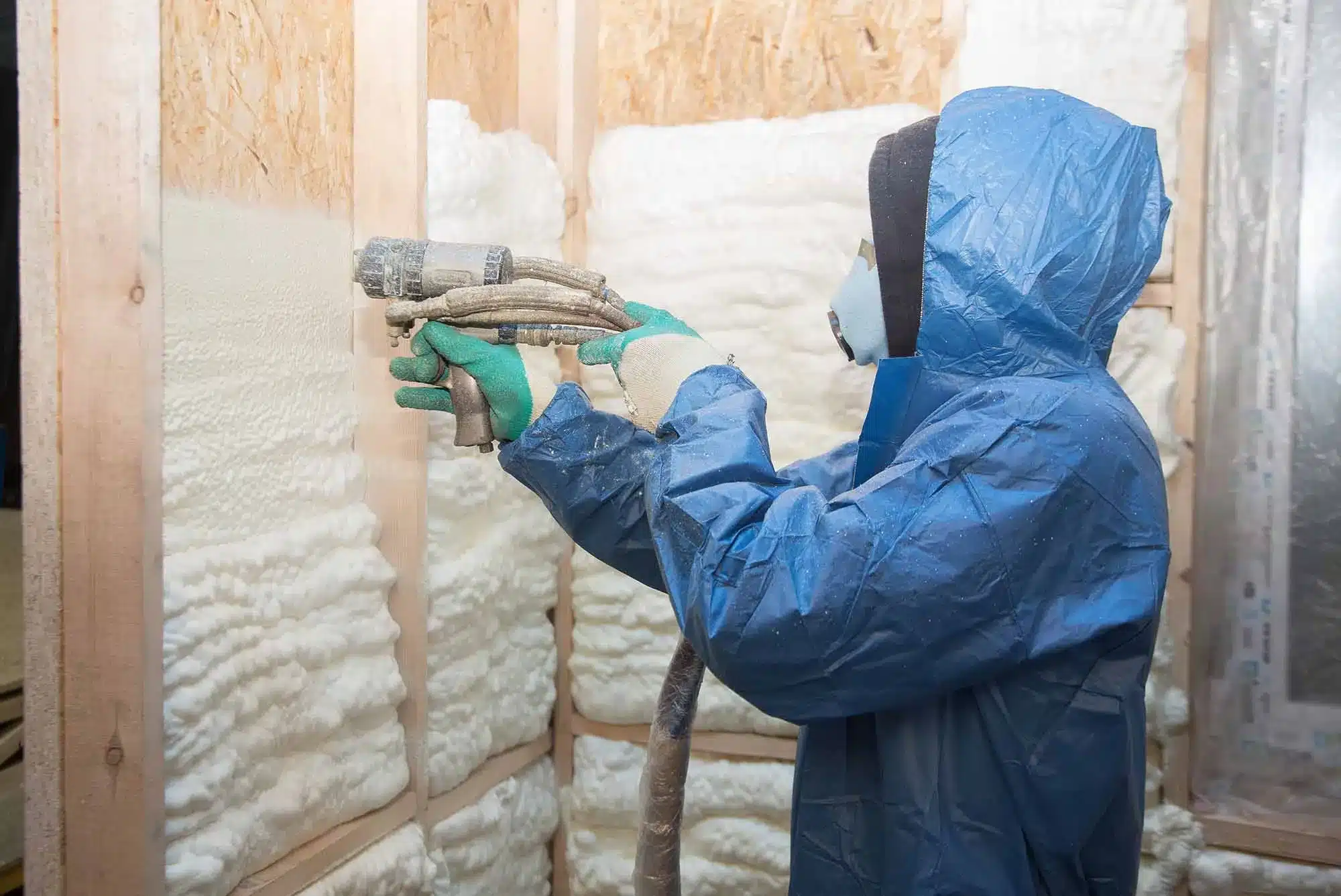
Spray foam expands to fill accessible cavities and seal air gaps. It helps reduce heat transfer through suitable walls, ceilings, and roof assemblies in buildings.
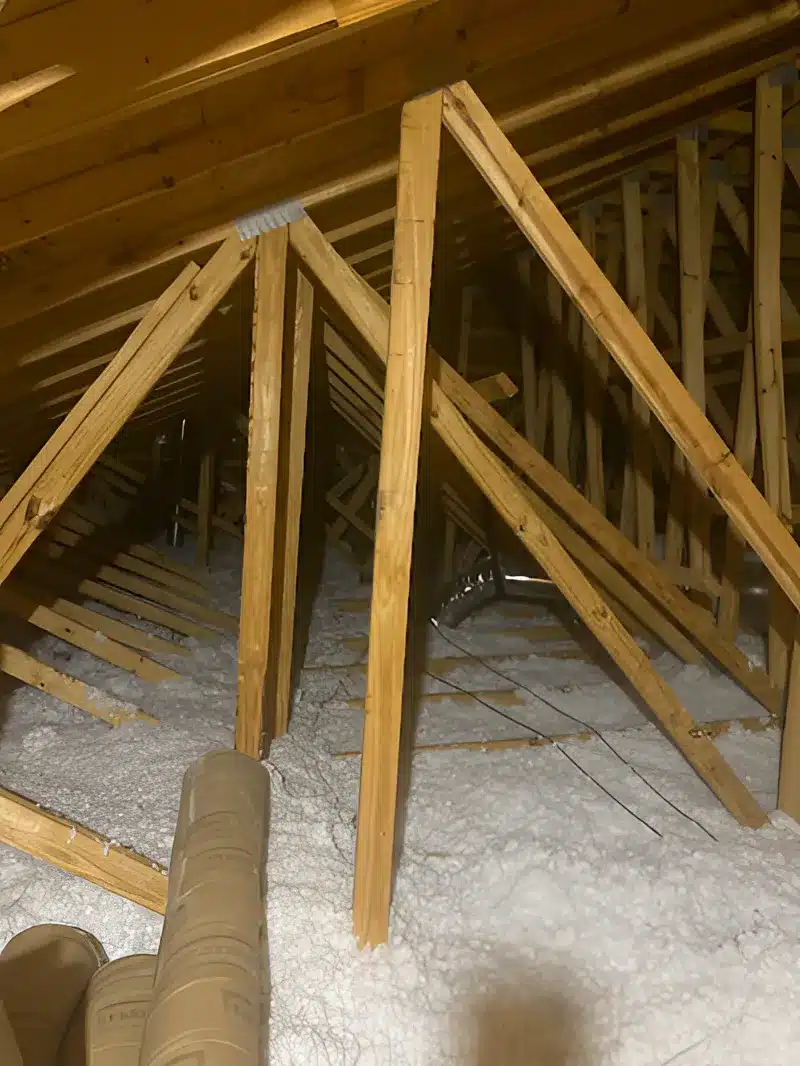
Blown-in insulation fills accessible ceiling areas and enclosed cavities. It helps improve thermal coverage in existing Tiger Point properties where additional insulation is needed for comfort.
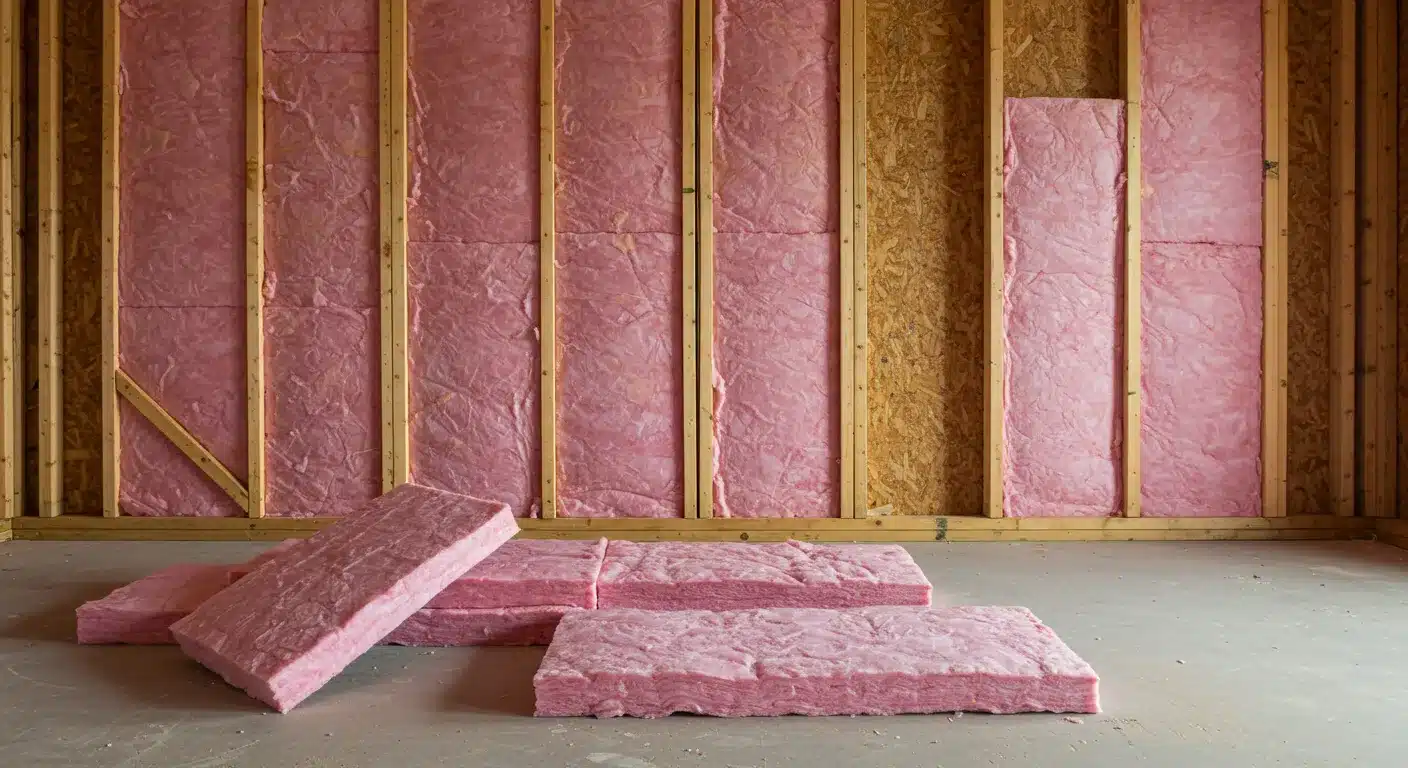
Fiberglass insulation provides thermal resistance in framed walls, ceilings, and floors. It suits residential and commercial construction projects requiring traditional insulation materials and consistent cavity coverage.
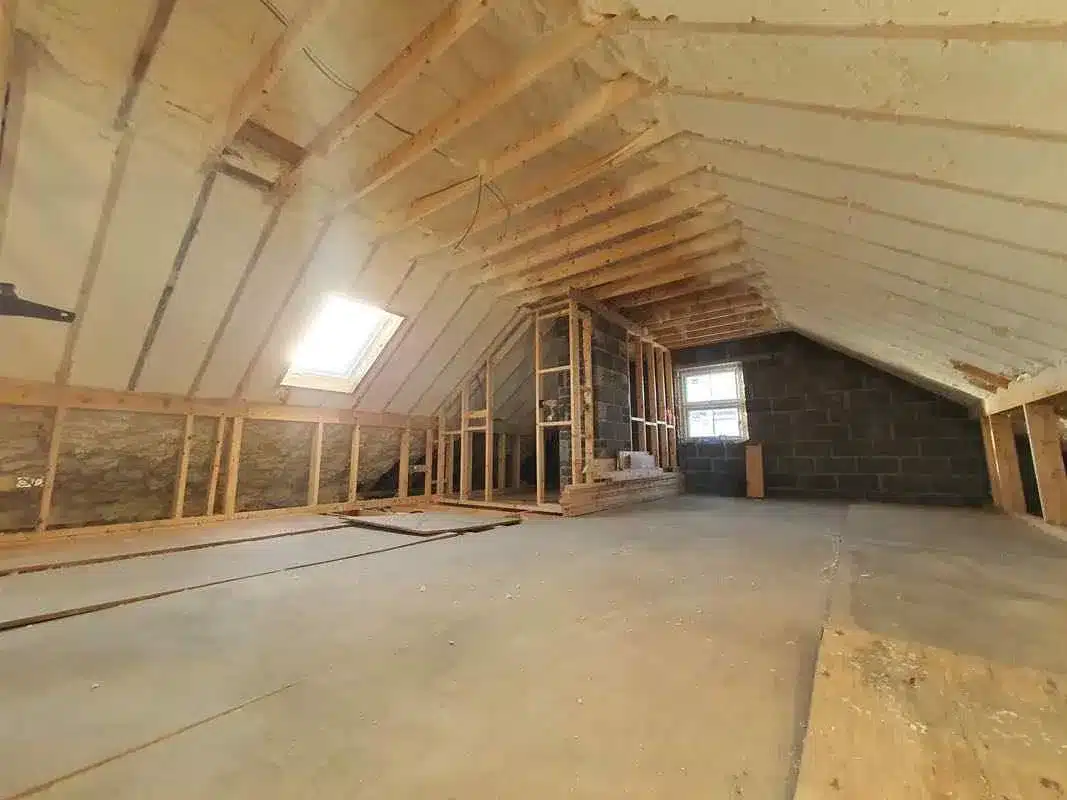
Roof insulation helps control heat transfer through building roof assemblies. Appropriate insulation materials depend on roof design, ventilation, existing conditions, and applicable building performance requirements.
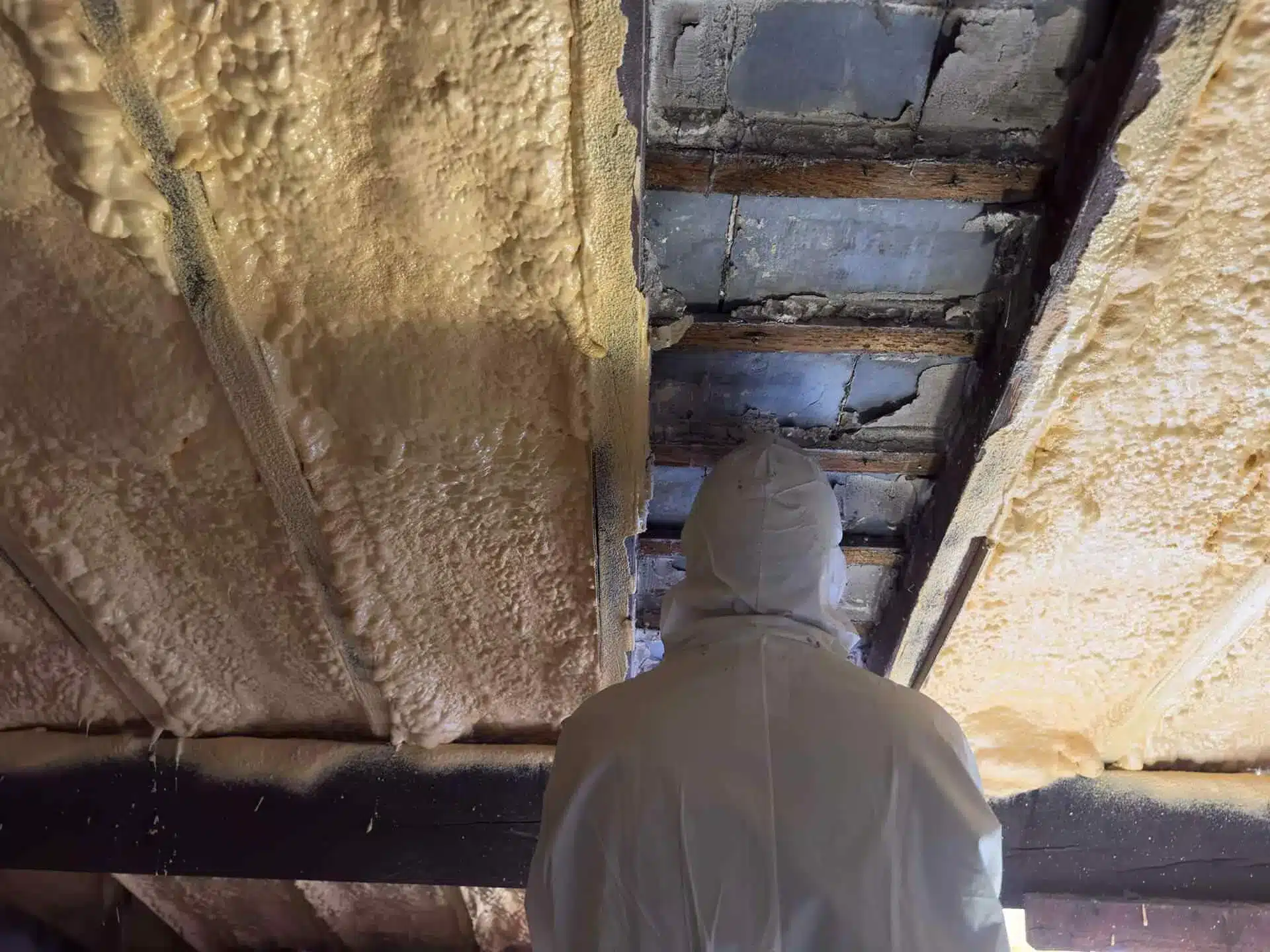
Insulation removal clears damaged, deteriorated, or contaminated materials before replacement. It helps prepare building spaces for new insulation after underlying moisture or contamination problems are addressed.
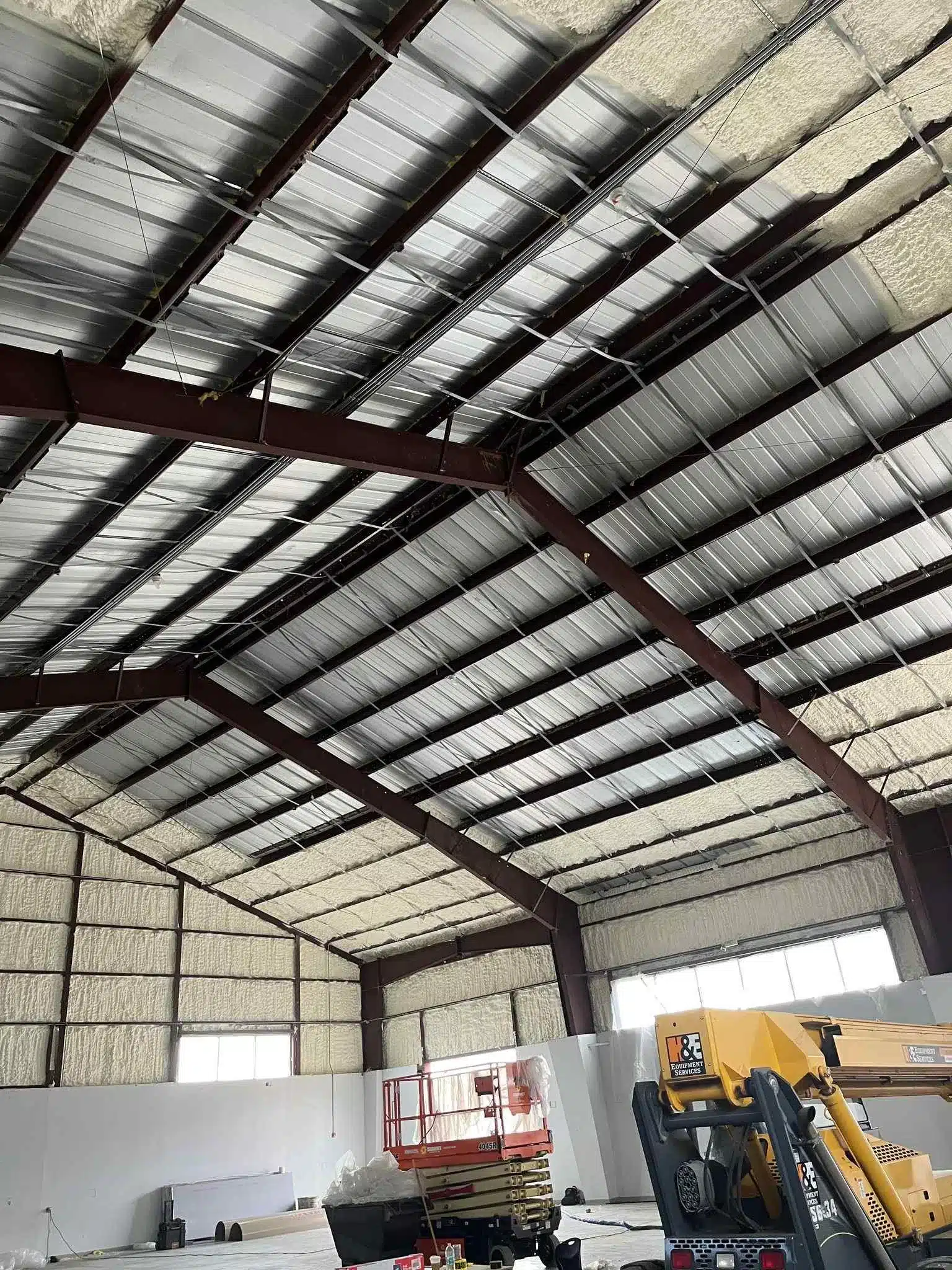
Commercial insulation supports temperature regulation in offices, retail buildings, and other business properties. Material selection depends on building size, operating requirements, and existing construction conditions.
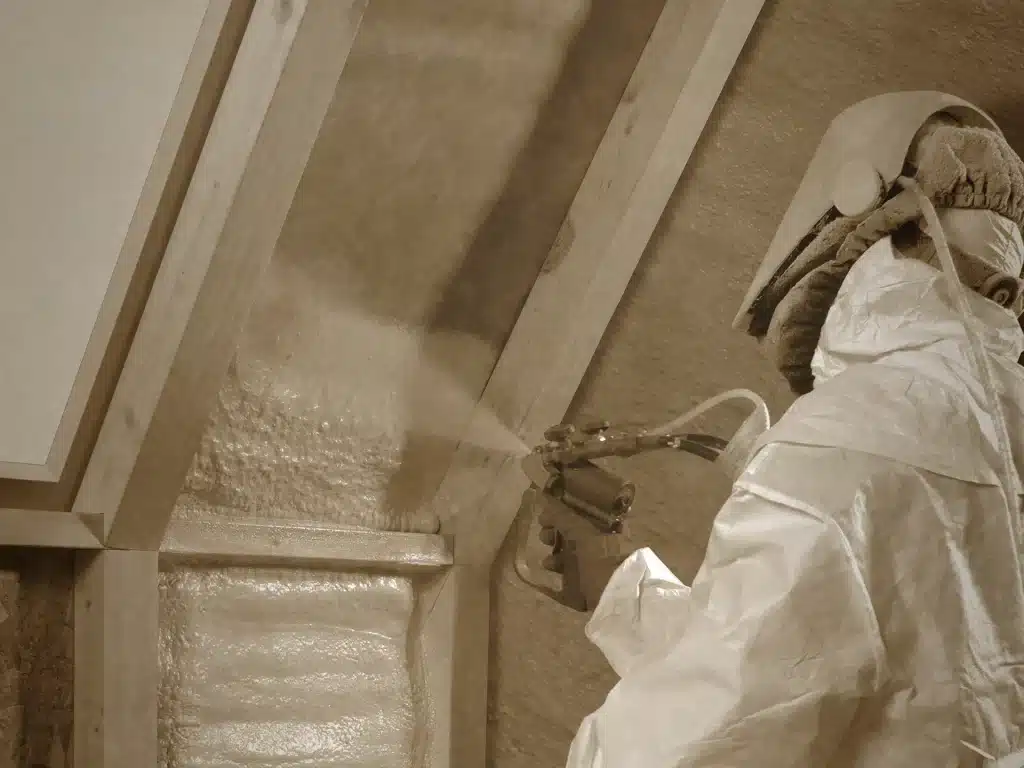
Residential insulation helps homeowners reduce unwanted heat transfer through walls, floors, and ceilings. Suitable installation methods depend on existing insulation, construction type, and available space.
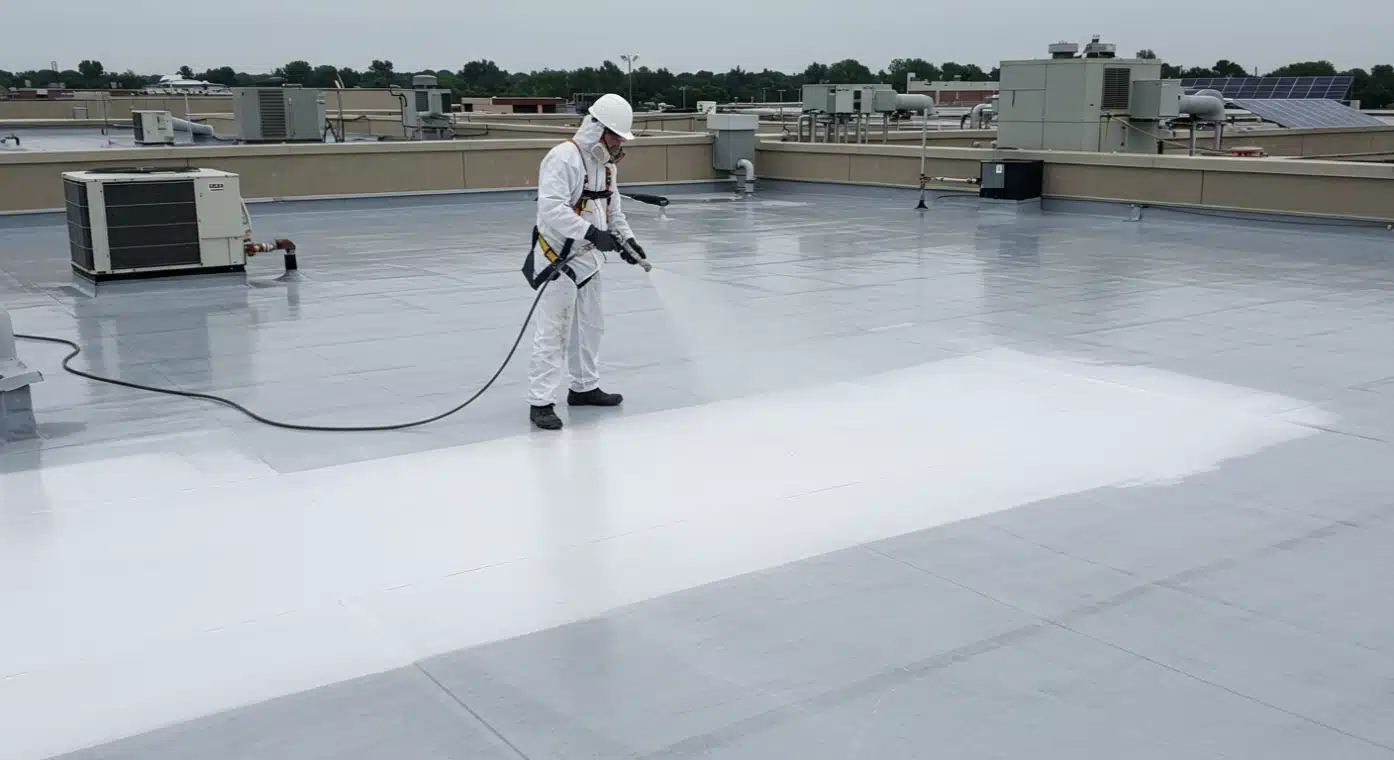
Spray foam roofing insulation provides thermal resistance and air sealing within suitable roof assemblies. Installation requirements depend on roof materials, ventilation design, and moisture-control considerations.
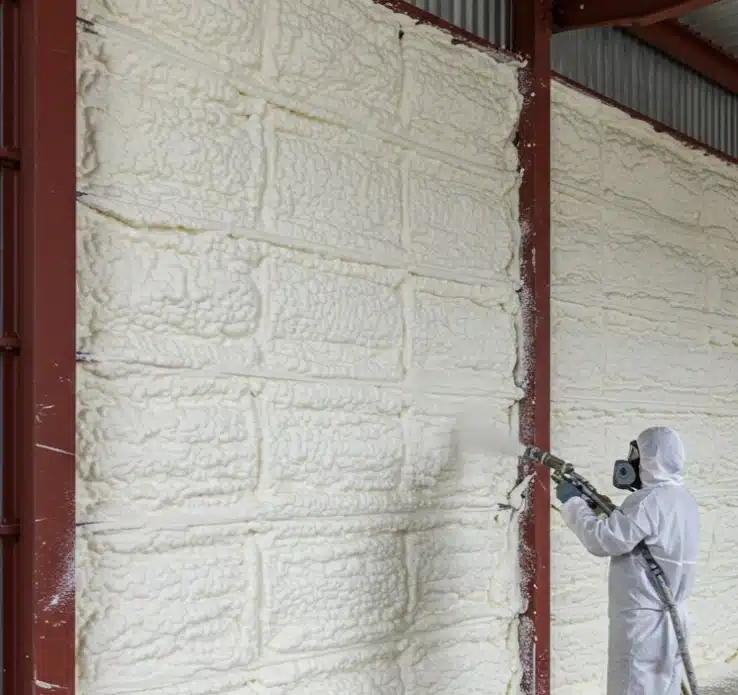
Commercial spray foam insulation addresses air leakage and heat transfer in suitable business buildings. It can be applied to appropriate roof assemblies and wall cavities.
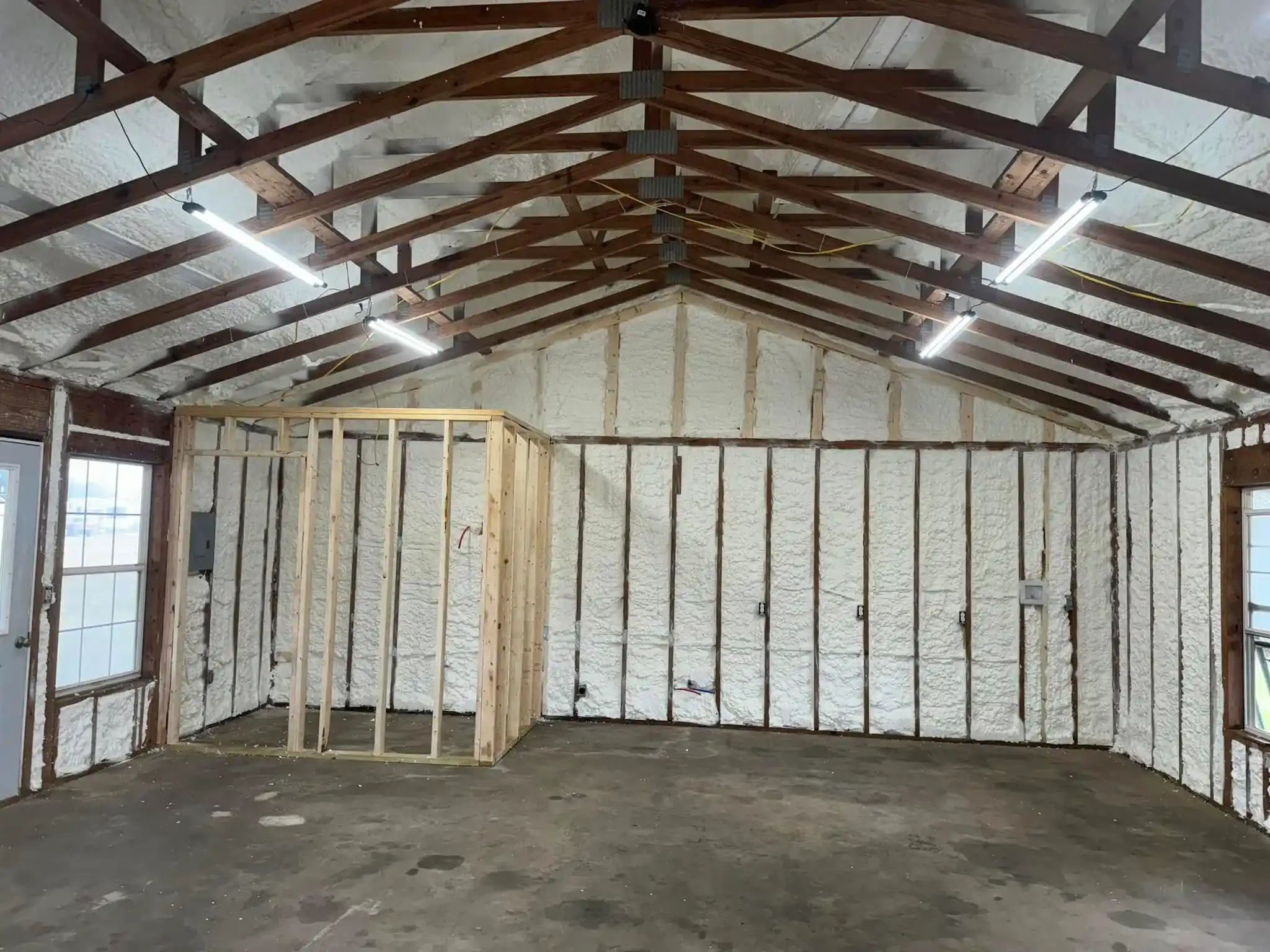
Residential spray foam insulation expands into accessible cavities to create continuous insulation and air sealing. It supports appropriate home renovation and new construction insulation projects.
If your residential or commercial property needs insulation installation, replacement, or removal, Prestige Insulation Solutions, LLC offers materials for different building requirements. Contact us to discuss available services and request project pricing.
Discuss your property, the insulation concerns you want to address, and whether the work involves construction, renovation, or replacement.
Learn about available materials and which types may be suitable for the walls, ceilings, roof assemblies, or other planned installation areas.
Explain existing insulation conditions, accessibility, visible damage, and any known moisture problems that could affect the project.
Discuss the approximate installation area, desired insulation performance, and whether removal or preparation work may be necessary.
Request pricing information based on insulation type, project size, installation conditions, and the work required for your property.
Ask about availability, estimated installation duration, and preparations that may be needed before insulation work begins.
Proper spray foam installation requires suitable materials, prepared surfaces, and attention to the building’s insulation and moisture-control requirements. The following outlines the standard installation stages.
Walls, ceilings, or roof assemblies are assessed for accessible surfaces, cavity dimensions, existing insulation, and moisture concerns. This helps determine whether spray foam is suitable for the intended application.
The appropriate foam type and required thickness are determined based on thermal resistance, available space, and the building assembly. Open-cell and closed-cell products have different moisture permeability and insulation characteristics.
Application surfaces must meet manufacturer requirements for temperature, cleanliness, and moisture conditions. Nearby materials are protected, and appropriate ventilation and safety measures are established.
The selected foam is applied to the specified areas using appropriate equipment. Application thickness, expansion, and curing conditions must follow the selected product's installation instructions.
Installed foam is checked for appropriate thickness, continuity, and coverage. Required trimming and protective coverings are completed according to the installation requirements and applicable building regulations.
Prestige Insulation Solutions, LLC was established in 2023 and offers insulation services for residential and commercial properties. When comparing a Spray Foam Insulation Contractor in Tiger Point, FL, property owners can consider our range of available materials and services for different building needs.
Our company was established in 2023 and provides insulation services for homeowners and commercial property owners planning new installations or improvements.
We offer insulation materials for different property types, including residential buildings, offices, commercial spaces, and suitable construction projects.
Our available services include spray foam, fiberglass, blown-in insulation, and insulation removal. Different materials can be considered according to the building's requirements.
Tiger Point's warm coastal environment makes heat transfer, air sealing, and moisture management important considerations. Appropriate insulation choices depend on the property's construction and existing conditions.
WHAT ARE YOU WAITING FOR?
If you need insulation for a residential renovation, new construction project, or commercial building, contact Prestige Insulation Solutions, LLC. As a Spray Foam Insulation Company in Tiger Point, FL, property owners can contact us for insulation services; we can discuss material options and project requirements before the next steps.
For Spray Foam Installation in Tiger Point, FL, call (850) 429-4969 or email [email protected] to discuss your insulation needs.
Posted on Google
 David Sloan
Trustindex verifies that the original source of the review is Google.
Service was great but the method of payment for services was not discussed prior to the job. I have to get a money while the merchant waited in mePosted on Google Rick CooperGreat communication, competitive pricing, even gives a military discount, did a really good job, cleaned up after they finished, would highly Recommend.Posted on Google
 Derek OldsThe best I have came across !.Posted on Google
 Joshua RussawI’d like to take the time and thanks these wonderful team of guys hard working and most respectful didn’t stop until the job was done. They dedicated to perfection. They got the job done with the most reasonable prices in the region.Posted on Google
 David RamirezMuy bueno, su trabajoPosted on Google
 Dallas Listvan10/10 recommend! Great price and awesome people to work with!Posted on Google
 Yorger NievesNo broken promises, they may be delayed, but they come through! Sometimes we just need to understand that equipment and weather is a big factor in any kind of construction business. I recommend them!!!! They took care my pops 80 x60 metal building.
Pricing depends on the foam type, installation area, required thickness, and access conditions. A project-specific estimate helps establish costs based on actual property requirements and preparation.
Existing fiberglass generally requires removal when it prevents proper foam adhesion or coverage. An assessment determines whether materials can remain without compromising the intended insulation system.
Most occupied building applications require approved thermal protection over spray foam. Specific requirements depend on installation location, product approvals, and applicable Florida Building Code provisions.
Re-entry times vary by product, application conditions, and ventilation. Occupants should follow manufacturer instructions and the installer’s safety guidance before entering spaces where foam was applied.
Spray foam may reduce some airborne sound transmission by sealing gaps. Results depend on foam type, wall construction, and other materials within the complete building assembly.