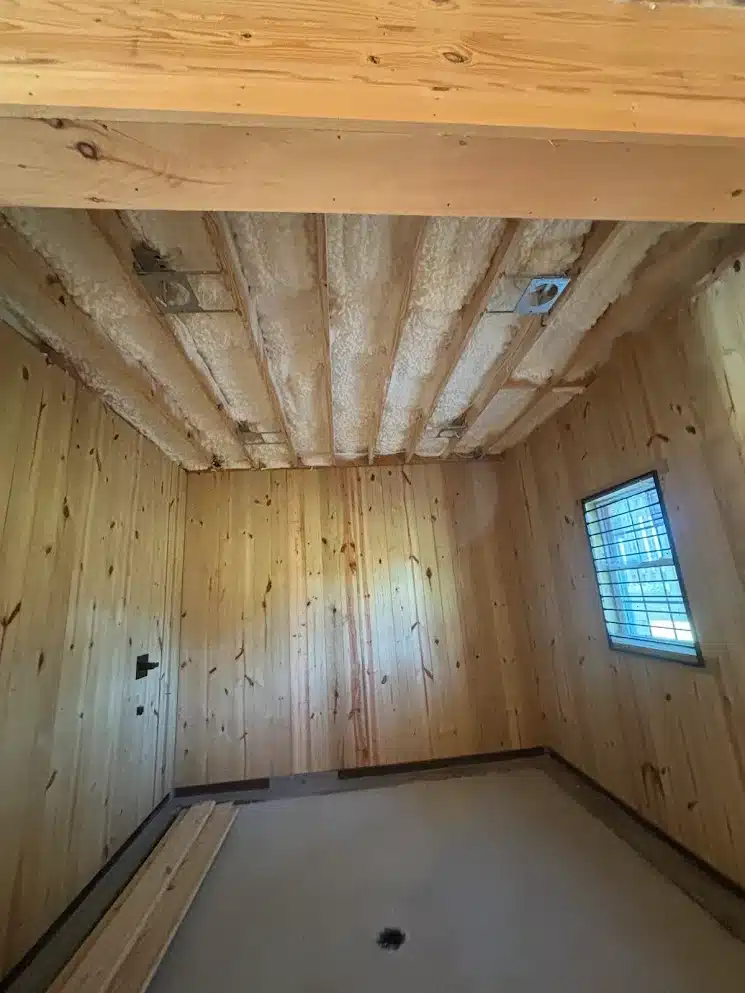
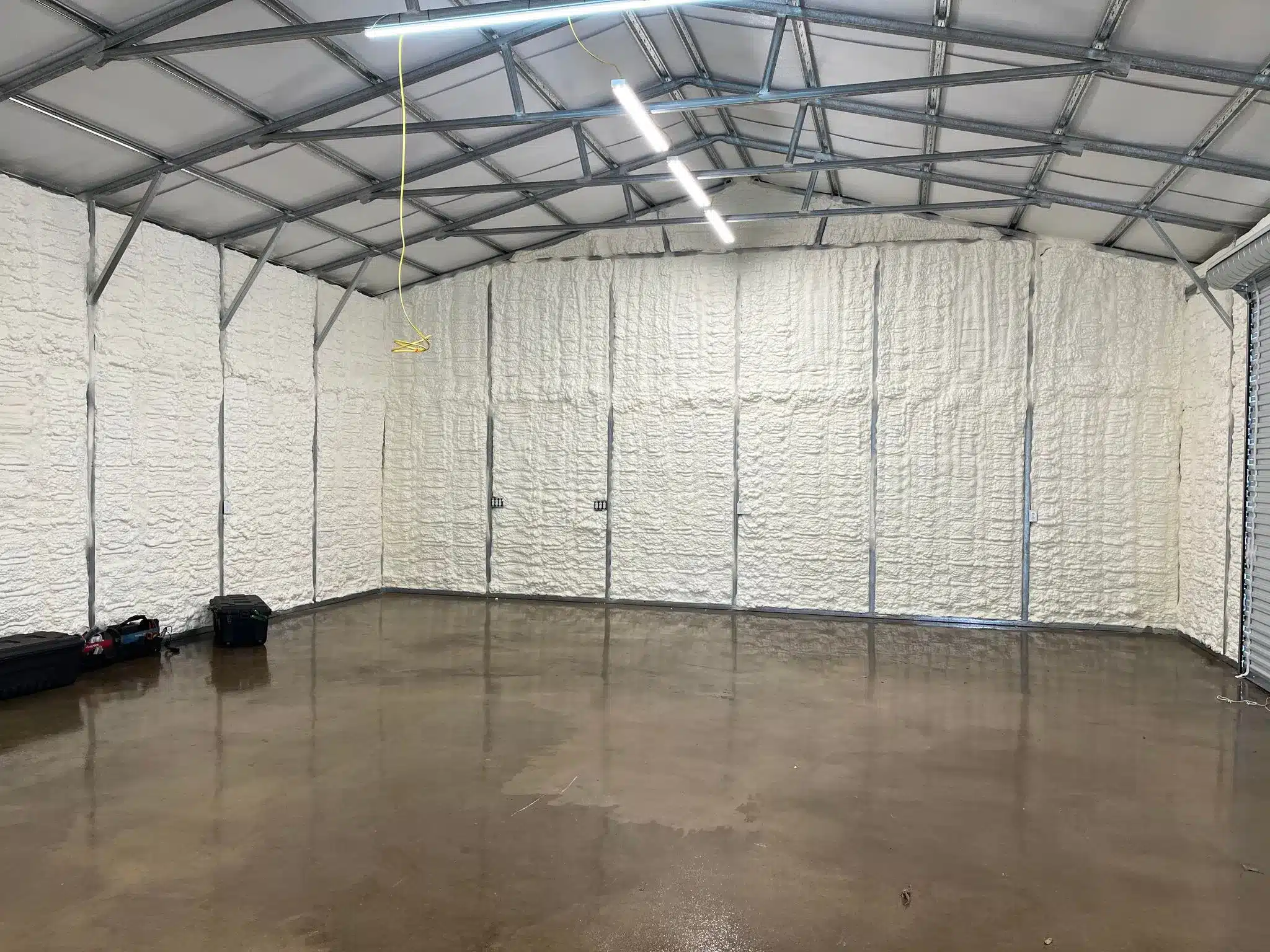
Spray foam insulation creates a superior thermal envelope by combining high R-value material with a seamless air seal. Unlike traditional fiberglass or cellulose, this material expands to fill every crack and gap, stopping the air leakage that accounts for significant energy loss in most houses. This dual action prevents outdoor temperatures from migrating indoors, stabilizing the indoor climate and reducing the workload on heating and cooling systems.
The following details outline how this advanced insulation technology changes the daily living experience. Prestige Insulation Solutions provides these technical details based on extensive field experience to help homeowners understand the functional benefits of modern attic and wall treatments.
1. Eliminate Indoor Temperature Fluctuations
Most people recognize the feeling of walking from a cool living room into a sweltering hallway or a chilly bedroom. These temperature variations usually happen because air escapes through small gaps in the building envelope. Standard insulation often sags or leaves spaces around electrical outlets and plumbing stacks, allowing treated air to bypass the barrier.
Spray foam creates a custom-fit seal that adheres directly to the substrate. By blocking airflow, the material keeps the temperature you set on your thermostat consistent from the floor to the ceiling in every room. Data from Energy Star indicates that sealing air leaks and adding proper insulation can save homeowners an average of 15% on heating and cooling costs. These savings reflect a more stable indoor environment where the HVAC system does not have to cycle on and off constantly to fight drafts.
2. Block Outside Noise Pollution
Daily comfort involves more than just temperature; it also includes a quiet atmosphere. Spray foam serves as an effective sound-dampening agent. Open-cell spray foam, in particular, has a soft, sponge-like structure that excels at absorbing sound waves.
When applied to exterior walls or between floors, the foam reduces the transmission of high-frequency noise from sources like traffic, sirens, or lawnmowers. It also muffles internal sounds, such as rushing water in pipes or loud televisions in adjacent rooms. This acoustic benefit creates a more peaceful environment for sleeping, working from home, or relaxing without external distractions.
3. Improve Indoor Air Quality
Dust, pollen, and outdoor pollutants often enter a home through the same cracks that allow air to leak. Traditional insulation can sometimes act as a filter, trapping these particles but eventually allowing them to circulate through the house. Because spray foam expands to create an airtight barrier, it physically blocks these contaminants from entering the living space.
This barrier is especially helpful for people with allergies or respiratory sensitivities. By limiting the infiltration of outdoor allergens, the home remains cleaner, and the air stays fresher. This airtight seal also prevents pests and insects from finding easy entry points into the attic or crawlspace, further protecting the household’s health and hygiene.
Bonus Tip: Focus on sealing the “top plate” in the attic. This is the area where the wall framing meets the attic floor. Sealing these spots prevents the “stack effect,” which pulls dusty attic air down into your living areas.
4. Control Moisture and Prevent Mold
Moisture management is a significant factor in home comfort and long-term health. High humidity levels can make a home feel sticky in the summer and clammy in the winter. Even worse, moisture trapped in walls can lead to mold and mildew growth.
Closed-cell spray foam acts as a vapor retarder. It does not allow water to move through its dense structure, preventing condensation from forming in wall cavities. By keeping the building assembly dry, the insulation protects the house’s structural integrity and ensures the air you breathe is free of mold spores.
5. Reduce HVAC Wear and Tear
A comfortable home depends on a reliable HVAC system. When a house is poorly insulated, the furnace and air conditioner must work overtime to compensate for heat loss or gain. This constant operation leads to mechanical fatigue and frequent repairs.
By providing a more efficient thermal barrier, spray foam enables the HVAC system to reach the target temperature faster and maintain it longer. This reduced run time extends the lifespan of expensive equipment. According to the U.S. Department of Energy, air infiltration can account for 30% or more of a home’s heating and cooling costs. Reducing this load means the equipment operates under less stress, which contributes to long-term peace of mind.
6. Enhance Structural Strength
Closed-cell spray foam is remarkably dense and rigid. When it is sprayed into wall cavities, it adheres to the studs and the exterior sheathing, essentially gluing the components together. This adds structural integrity to the building.
In areas prone to high winds or heavy snow loads, this added racking strength can make the home feel more solid and secure. While insulation is primarily for comfort, the physical reinforcement provided by closed-cell products offers a secondary benefit that traditional batts simply cannot match Environmental Protection Agency.
7. Maximize Usable Space
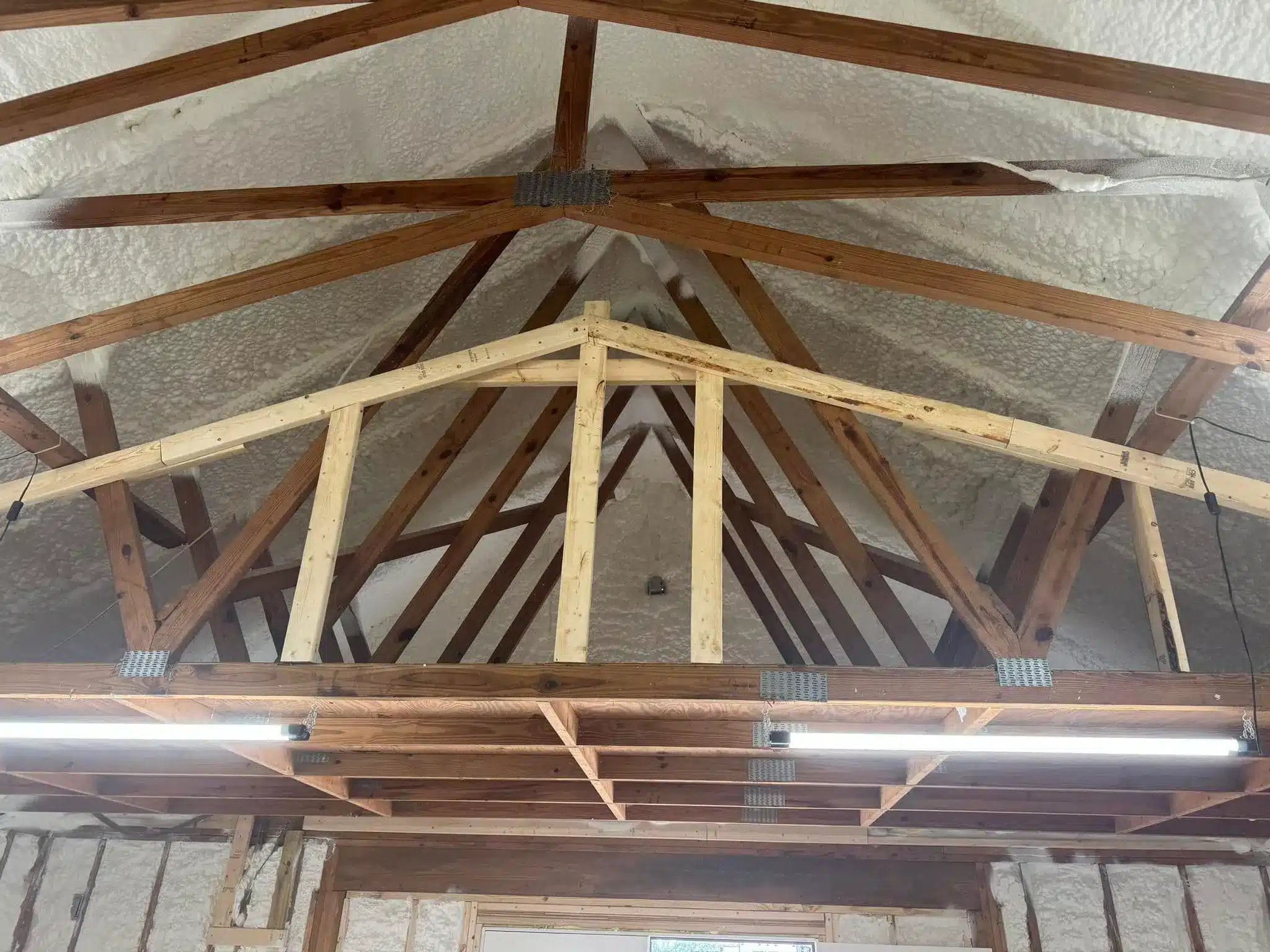
Traditional insulation often requires vented attics to manage heat and moisture. This usually means the attic stays extremely hot in the summer and freezing in the winter, making it useless for storage or living space.
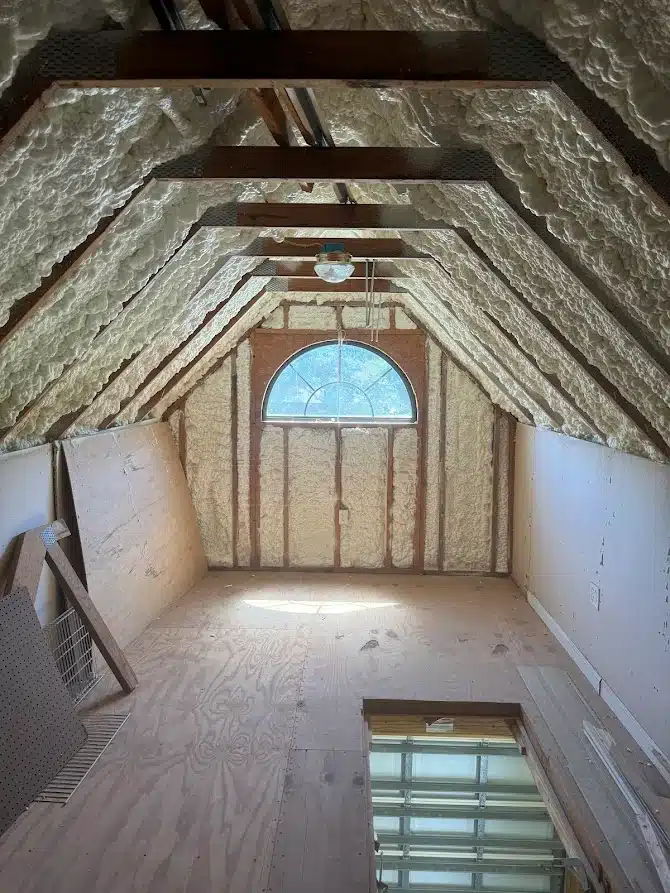
By applying spray foam directly to the underside of the roof deck (creating a conditioned attic), the attic space stays within a few degrees of the rest of the house. This transformation allows homeowners to use the attic for climate-controlled storage or even as a future finished room without the discomfort of extreme temperatures.
Comparing Spray Foam Types
Understanding the differences between the two primary types of spray foam helps in selecting the right solution for specific areas of the home.
| Feature | Open-Cell Spray Foam | Closed-Cell Spray Foam |
|---|---|---|
| Density | Low (approx. 0.5 lbs/cu. ft.) | High (approx. 2.0 lbs/cu. ft.) |
| R-Value per Inch | 3.5 to 3.8 | 6.5 to 7.0 |
| Air Sealing | Excellent | Excellent |
| Moisture Barrier | Breathable (vapor permeable) | Vapor Retarder |
| Rigidity | Flexible | Very Rigid |
| Best Use | Interior walls, attics, soundproofing | Crawlspaces, exterior walls, flood zones |
Things to Consider Before Making a Decision
Choosing an insulation strategy requires looking beyond the material. One must consider the property’s climate zone, as colder regions might require higher R-values, which closed-cell foam provides more efficiently in narrow spaces.
Professional installation is another major factor. Spray foam requires precise mixing of two chemical components at specific temperatures. If the mix is off, the foam may not cure correctly or could linger with an odor. Homeowners should also verify the “off-gassing” period, which is the time required to stay out of the house while the foam sets. Most modern products allow for re-entry within 24 hours.
Bonus Tip: Always check for local utility rebates. Many power companies offer financial incentives for homeowners who upgrade to high-efficiency insulation, such as spray foam, because it reduces overall strain on the electrical grid.
Final Thoughts on Home Comfort
Improving home insulation is one of the most effective ways to improve daily living. By focusing on the thermal envelope and eliminating air leaks, homeowners can enjoy consistent temperatures, lower noise levels, and cleaner air. Evaluate the property’s specific needs, such as noise concerns or high energy bills, to determine which type of foam best suits the property. Taking the time to address these foundational comfort issues leads to a more sustainable and enjoyable home environment for years to come.
Prestige Insulation Solutions Services
Prestige Insulation Solutions helps homeowners achieve these comfort goals through expert assessment and application. If you have questions about which insulation type is best for your attic or crawlspace, reach out to the team for professional guidance. You can contact the office via email at [email protected] or by calling (850) 429-4969. Whether you are dealing with hot rooms or high power bills, getting the correct technical information is the first step toward a more comfortable home.
Frequently Asked Questions
Does spray foam insulation lose its effectiveness over time?
No. Unlike fiberglass, which can sag or settle, or cellulose, which can compress, spray foam remains stable. Once it expands and cures, it maintains its shape and R-value for the life of the building. It does not shrink or pull away from the studs if applied correctly.
Can spray foam be installed over existing insulation?
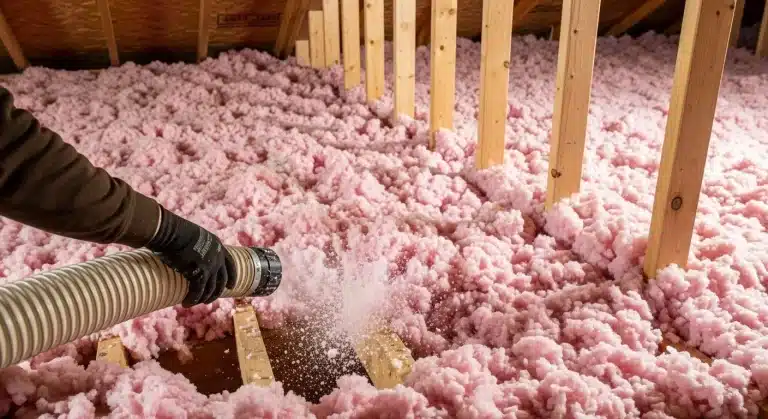
It is usually best to remove old, dirty insulation before applying spray foam. Removing the old material allows the installer to see and seal all the hidden cracks in the attic floor or the wall headers. This ensures the best possible air seal and prevents trapping old dust or allergens under the new foam.
Is the smell of spray foam permanent?
The odor associated with installation is temporary. It occurs during the chemical reaction as the foam expands. With proper ventilation during and after the process, the smell typically dissipates completely within 24 to 48 hours. Once cured, the material is inert and does not release odors.
Will spray foam make my house too tight?
A house can be sealed very tightly with spray foam, which is great for efficiency. However, houses need fresh air. In very tight homes, a simple mechanical ventilation system, such as an ERV (Energy Recovery Ventilator), can be used to bring in fresh air while maintaining high energy efficiency. This ensures the air stays fresh without compromising the insulation’s comfort.
How does spray foam affect the resale value of a home?
A well-insulated home is a strong selling point. Potential buyers value lower utility bills and a comfortable living environment. Providing documentation of professional spray foam installation can serve as a mark of quality and energy efficiency during a home inspection or appraisal.
Sources
- Energy Star – Provides data on energy savings from sealing and insulating homes.
- U.S. Department of Energy – Offers technical information on heat transfer and the impact of air leakage on HVAC systems.
- Environmental Protection Agency – Features resources on indoor air quality and the role of building envelopes in protecting health.