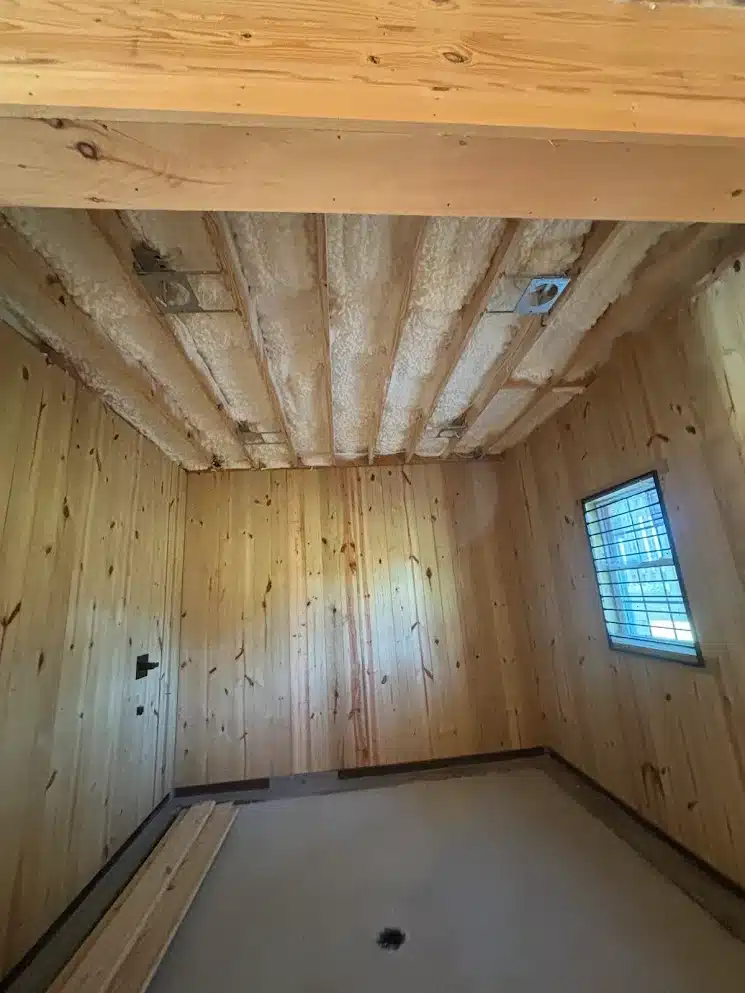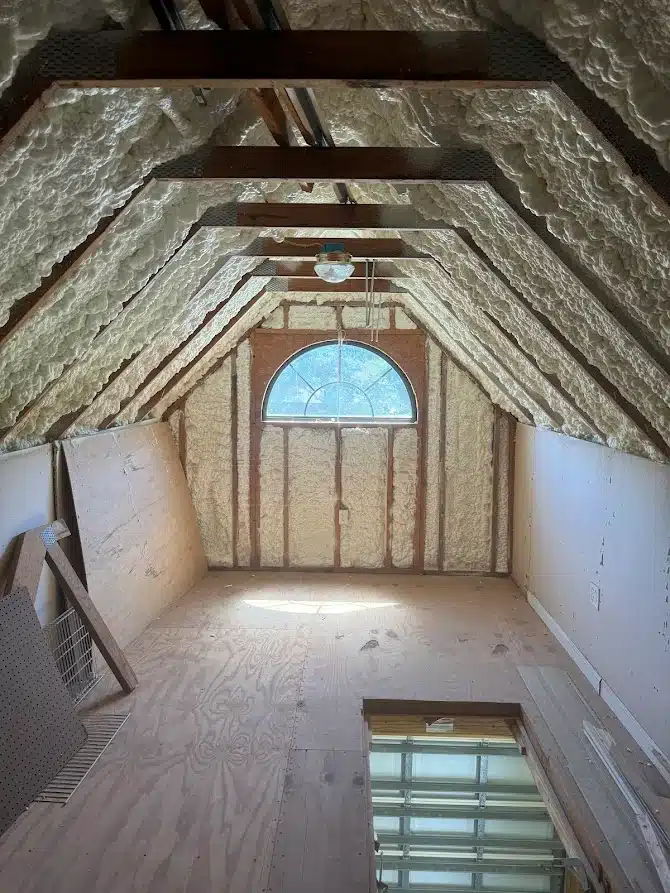
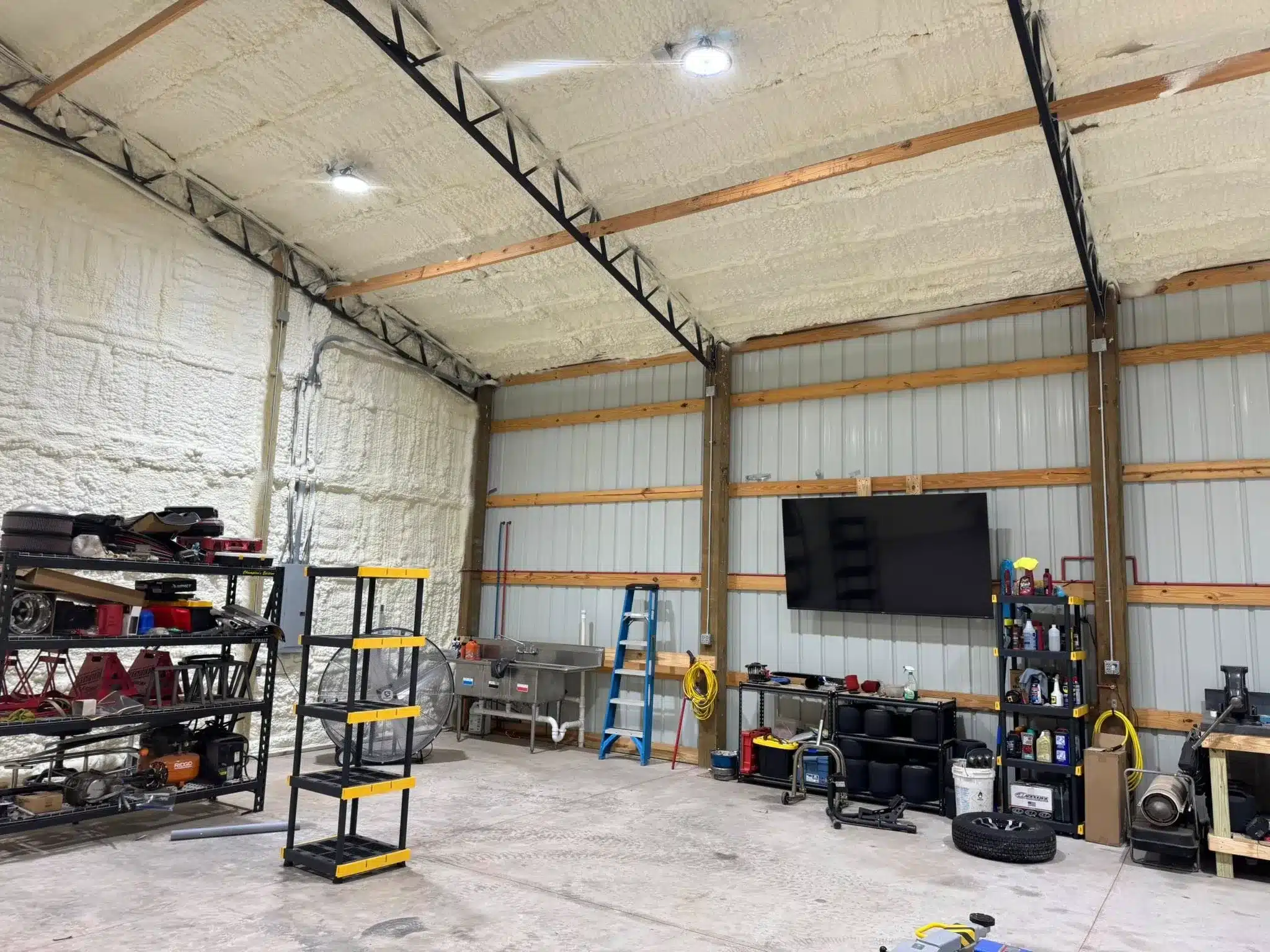
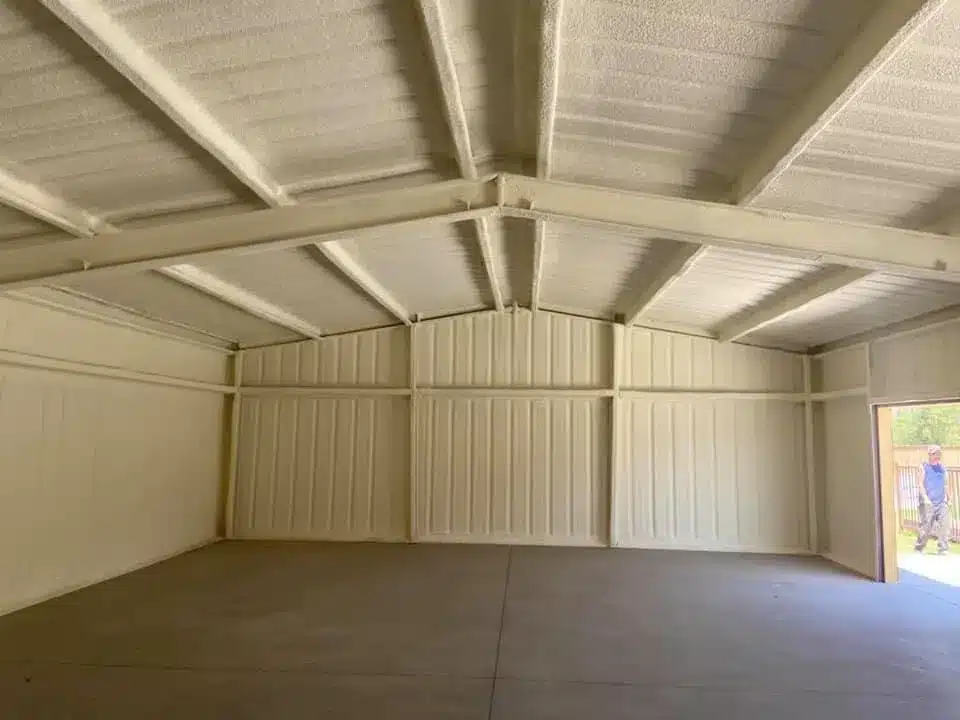
Spray foam insulation installation delivers significant upgrades to residential living, especially in the challenging climate of the Florida Panhandle. Home comfort in Broadview Farms relies heavily on managing intense heat and pervasive humidity, and spray foam addresses these twin issues directly. The seven primary enhancements include superior moisture control, dramatically lower cooling costs, stabilization of indoor temperatures, enhanced interior air quality, natural deterrence of pests, effective sound dampening, and strengthening of the home’s structure.
Understanding how this material performs differently from traditional options provides homeowners with the tools needed to maximize efficiency and comfort. This type of insulation creates a complete envelope around the structure, which is vital for maintaining a comfortable, dry, and efficient environment against the demands of the Gulf Coast weather.
Managing the Gulf Coast Climate
Broadview Farms experiences high cooling loads and humidity for most of the year. Standard insulation solutions in Broadview Farms, Pensacola often struggle to manage moisture effectively because air and water vapor move freely through gaps and structural voids. Spray foam, however, seals these weaknesses, providing both a thermal barrier and an air barrier simultaneously. This integrated performance drives the seven core comfort improvements listed below.
1. Superior Moisture Control
Humidity is a constant factor in Pensacola, increasing the likelihood of mold and mildew growth if not managed properly. Closed-cell spray foam, in particular, acts as a vapor retarder, drastically limiting the amount of moisture that migrates through walls and attic assemblies. By keeping warm, damp outside air from meeting cool interior surfaces, condensation is minimized, protecting the home’s structure and improving the breathing environment inside. This is arguably the single most important factor for comfort and longevity in humid coastal areas like Broadview Farms.
Bonus Tip: Focus on applying closed-cell foam to crawl spaces and exterior walls below grade. This is where ground moisture intrusion is often highest.
2. Dramatically Lower Cooling Costs
High utility bills during the summer months are common in Northwest Florida. Spray foam’s impressive R-value and air-sealing properties mean conditioned air stays inside longer, and unwanted heat gain is minimized. The U.S. Department of Energy (DOE) emphasizes that air leakage can account for 25% to 40% of the energy used for heating and cooling in a typical home. By stopping air movement, spray foam directly cuts into this loss. Data collected by the Energy Information Administration (EIA) consistently shows Florida residential electricity usage spiking dramatically during cooling seasons, making efficiency gains here critical.
3. Stabilization of Indoor Temperatures
Drafts and hot spots are eliminated when the building envelope is sealed effectively. Whether applied in the attic, walls, or subfloors, the resulting airtight seal prevents thermal bridging, ensuring that every room maintains the temperature set by the thermostat. This means less reliance on continuous HVAC cycling and a more even, comfortable internal environment, regardless of the scorching temperatures outside.
4. Enhanced Interior Air Quality
An unsealed home allows outside air, pollen, dust, and pollutants to infiltrate. By creating a sealed barrier, spray foam significantly reduces the entry points for airborne irritants. This is especially beneficial for allergy sufferers in the area. A report from the Environmental Protection Agency (EPA) outlines that sealing air leaks improves the quality of indoor air by minimizing the entry of outdoor allergens and reducing moisture-related biological growth.
5. Natural Deterrence of Pests
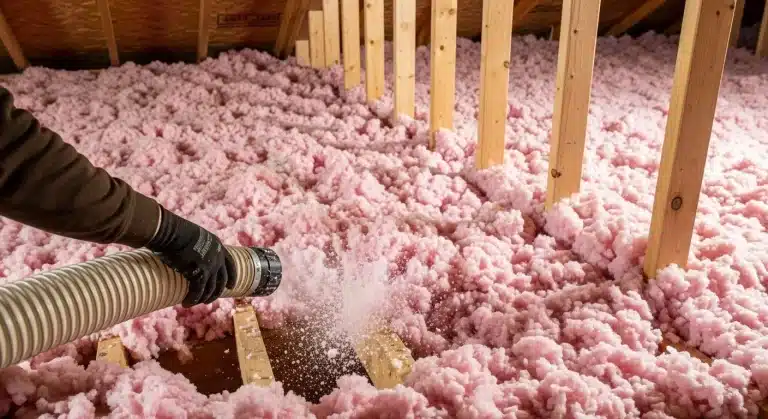
Pests like rodents and insects enter homes through small cracks and crevices. Because spray foam expands to fill every void and hardens into a dense material, it physically blocks these common entry routes. Unlike loose-fill materials that can be moved or tunneled through, cured spray foam acts as a robust physical deterrent, adding another layer of passive protection to the home.
6. Effective Sound Dampening
Living near busy roads or popular areas benefits from sound control. Open-cell spray foam, in particular, has excellent acoustic properties. Its softer, spongy texture absorbs noise transfer through exterior walls and between interior floors and rooms. While closed-cell foam is denser and better for structural stability, open-cell foam offers better performance specifically for sound mitigation.
Bonus Tip: When aiming for sound dampening, choose open-cell foam for interior walls or joist bays, but rely on closed-cell foam in attics or exterior applications where moisture control is the priority.
7. Strengthening Structural Integrity
While not its main purpose, closed-cell spray foam adds sheer strength to wall and roof assemblies. It adheres powerfully to substrates and rigidifies the structure it covers. This minor stiffening can be an advantageous property, particularly for homes in Florida that must withstand high winds, as confirmed by building science research published by the National Institute of Standards and Technology (NIST).
Optimizing these structural and efficiency benefits requires homeowners to select the appropriate type of foam for each specific application.
Understanding Foam Types and Placement
Choosing the right product depends on the application area and desired outcome. Closed-cell and open-cell foams have different properties crucial for climate resilience and comfort.
| Feature | Closed-Cell Spray Foam | Open-Cell Spray Foam |
|---|---|---|
| Density (per cubic foot) | 1.75 – 2.0 lbs | 0.4 – 0.5 lbs |
| R-Value (per inch) | R-6.5 to R-7.0 | R-3.5 to R-3.7 |
| Vapor Control | Excellent (Vapor Retarder) | Poor (Vapor Permeable) |
| Structural Strength | Provides minor structural rigidity | Minimal structural contribution |
| Primary Use in Broadview Farms | Attics, exposed exterior walls, crawl spaces (where moisture control is paramount) | Interior walls, sound-dampening (where R-value per inch is less critical) |
Things to Consider Before Making a Decision
Proper planning is necessary to ensure long-term comfort and cost-effectiveness. Consider the following factors before application:
Inspection of Existing Systems
Before sealing the home, ensure the roof is in good condition and all existing ventilation issues are addressed. Sealing the attic without a sound roof can trap moisture if leaks occur. Any existing HVAC equipment and ductwork located in the attic must also be evaluated, as sealing the space changes how these systems operate. Evaluating and encapsulating leaky ducts within the thermal envelope, for example, can dramatically increase overall system efficiency.
Required R-Value and Depth
Consult local building codes for the minimum required R-value for your specific zone and application area (walls vs. attic). While spray foam offers a high R-value per inch, achieving the required depth of material is essential. For instance, achieving a high R-value in a tight wall cavity might require a high-density closed-cell application, while a vast, easily accessible attic might utilize a thicker layer of open-cell foam.
Ventilation Changes
Converting a vented attic into a sealed, conditioned space fundamentally changes the home’s moisture and air exchange dynamics. Traditional attic ventilation (like soffit and ridge vents) becomes obsolete. Relying solely on the air-sealing properties requires ensuring the home has an adequate mechanical ventilation system to manage indoor air quality and prevent air stagnation.
Key Factors for Comfort in Florida Homes
In summary, creating a comfortable home environment in Broadview Farms requires managing two things: thermal energy transfer and moisture vapor. Spray foam excels because it addresses both simultaneously. Its superior air-sealing capability prevents outside air from infiltrating, significantly reducing the workload on the HVAC system and protecting the internal structure from the humid environment. Homeowners evaluating this choice should prioritize the long-term gains in energy efficiency and material durability.
FAQS
Does Spray Foam Cause Overheating of the Roof?
No. While sealed attics do become warmer than vented attics, the temperature increase is generally insignificant in relation to roof shingle longevity. Heat transfer from shingles occurs mostly through radiation, not convection, and studies show that the protective layer of foam prevents this heat from penetrating the living space, improving indoor comfort without causing premature roof failure.
What is the Most Cost-Effective Placement for Spray Foam?
For maximizing energy savings, insulating the attic ceiling (making it a sealed, unvented attic) usually offers the greatest return, especially in hot climates like Pensacola. This minimizes the volume of air that needs to be cooled and brings leaky ductwork inside the conditioned space.
Can Spray Foam Be Applied Over Existing Insulation?
It is possible to spray foam over certain existing materials, but often it is removed first. If existing fiberglass or cellulose is damp, moldy, or contains pests, it must be removed. Clean removal ensures the spray foam adheres correctly to the substrate, maximizing its air-sealing performance.
Is Open-Cell or Closed-Cell Better for Sound Reduction?
Open-cell foam is significantly better for sound dampening and acoustic absorption due to its lighter density and structure, which traps and disrupts sound waves more effectively than the rigid, dense structure of closed-cell foam.
Evaluating the Next Steps
When considering spray foam insulation in Broadview Farms, evaluate the condition of your current systems and the specific problem areas you wish to address (high humidity, high bills, uneven temperatures). Contact Prestige Insulation Solutions LLC directly at [email protected] or by calling (850) 429-4969 to discuss your property’s specific requirements and long-term goals. Making an informed decision about insulation ensures lasting comfort and efficiency.
Sources
- Energy Information Administration (EIA) – Provides data on Florida’s residential electricity usage patterns, showing high consumption during cooling months.
- Environmental Protection Agency (EPA) – Details the impact of air sealing on indoor air quality, specifically concerning allergens and moisture control.
- National Institute of Standards and Technology (NIST) – Offers research related to the structural properties of building materials, including spray foam’s ability to stiffen wall assemblies against wind loads.