The right R-value for your home insulation depends primarily on your climate zone, the specific area of your house you’re insulating, and your local building codes. Higher R-values mean better insulation performance, but exceeding recommended levels often yields diminishing returns on your investment. To determine what you need, first identify your climate zone using the U.S. Department of Energy’s climate zone map, then consult the recommended R-values for each part of your home based on that zone. These recommendations balance energy efficiency with cost-effectiveness for your specific location.
Understanding R-value Fundamentals
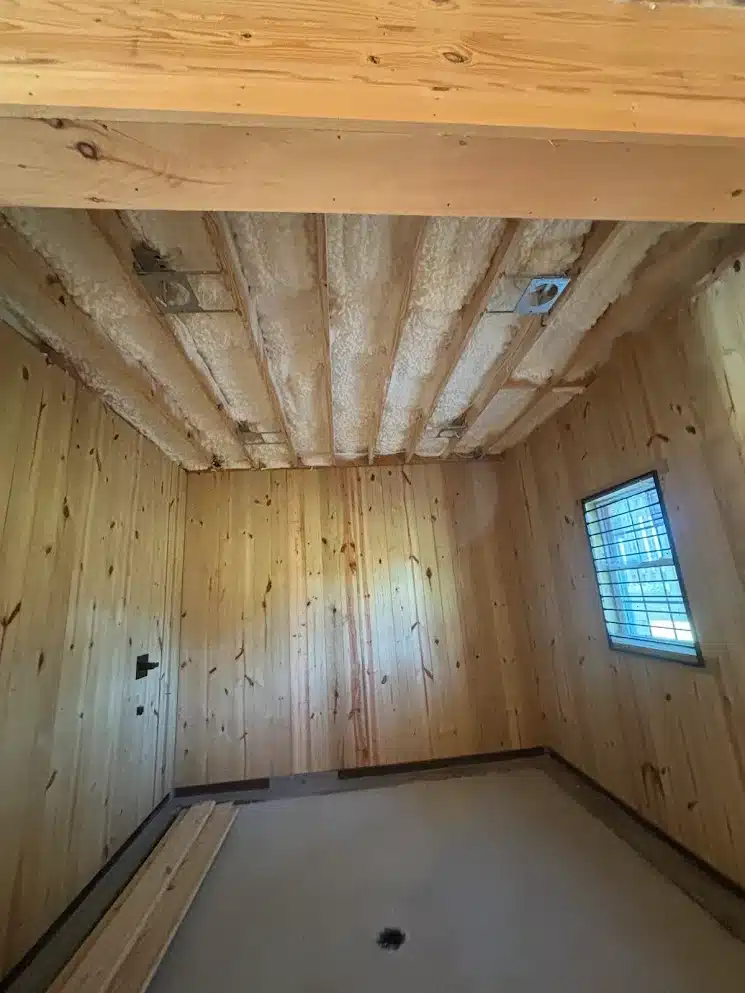
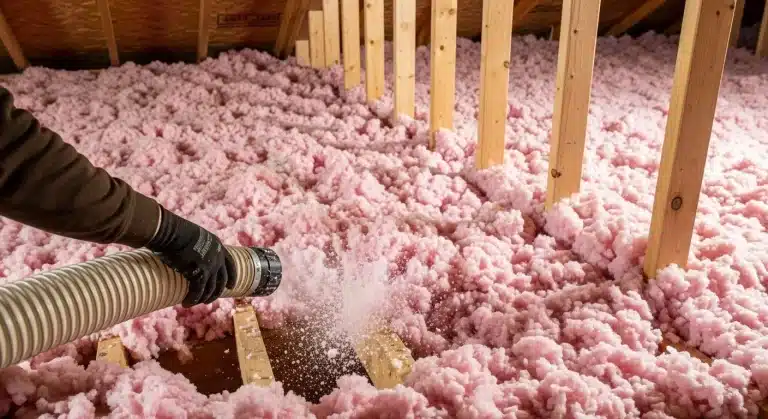
R-value measures how well insulation resists heat flow. The higher the number, the better the thermal performance. Think of it like a blanket – thicker blankets (higher R-values) keep you warmer because they trap more heat. In summer, that same insulation keeps hot air out. Different insulation materials achieve different R-values per inch of thickness. For example, fiberglass batts typically provide R-3.1 per inch, while spray foam can deliver R-6.5 per inch.
Your home’s insulation works as a complete system, not individual parts. Gaps, compression, or moisture can dramatically reduce the effective R-value. Professional installation typically achieves 85-95% of the rated performance, while DIY jobs might only reach 60-70% due to improper fitting around obstacles like electrical outlets or plumbing pipes.
Climate Zone Requirements
The U.S. Department of Energy divides the country into eight climate zones, each with specific insulation recommendations. According to the Department of Energy, these zones range from Zone 1 (southernmost Florida, Hawaii) to Zone 8 (northern Alaska). Your local building codes typically reflect these recommendations, but may have additional requirements.
Here’s a breakdown of recommended R-values by climate zone for key areas of your home:
| Climate Zone | Attic | Walls | Floors | Crawl Space |
|---|---|---|---|---|
| Zone 1-2 | R-30 to R-49 | R-13 to R-15 | R-13 | R-13 |
| Zone 3-4 | R-38 to R-60 | R-13 to R-20 | R-19 | R-19 to R-25 |
| Zone 5-6 | R-49 to R-60 | R-13 to R-21 | R-25 to R-30 | R-25 to R-30 |
| Zone 7-8 | R-49 to R-60 | R-13 to R-21 | R-25 to R-30 | R-25 to R-30 |
Bonus Tip: In mixed climates (zones 3-4), consider slightly exceeding the minimum recommendations. The extra cost upfront pays off within 3-5 years through reduced heating and cooling bills.
Area-Specific Insulation Needs
Different parts of your house face different thermal demands. Your attic loses the most heat due to rising warm air, making it the priority area. The International Energy Conservation Code provides specific requirements that often exceed DOE minimums, especially in newer constructions.
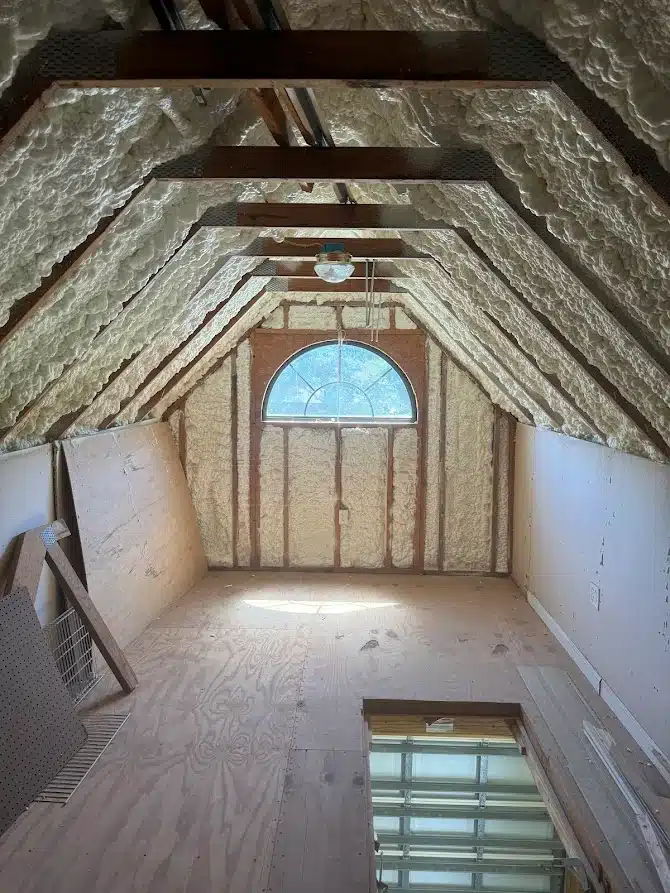
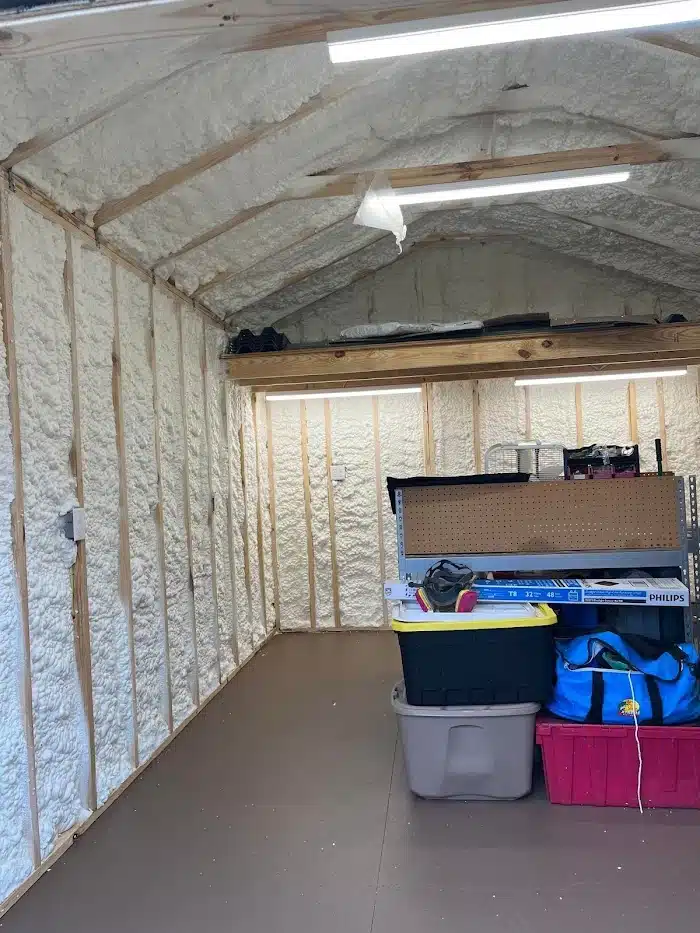
Attics and roofs require the highest R-values because they face direct sun exposure and significant heat loss through convection. Cathedral ceilings present special challenges since space is limited – high-R-value materials like spray foam work better here, where thickness is constrained.
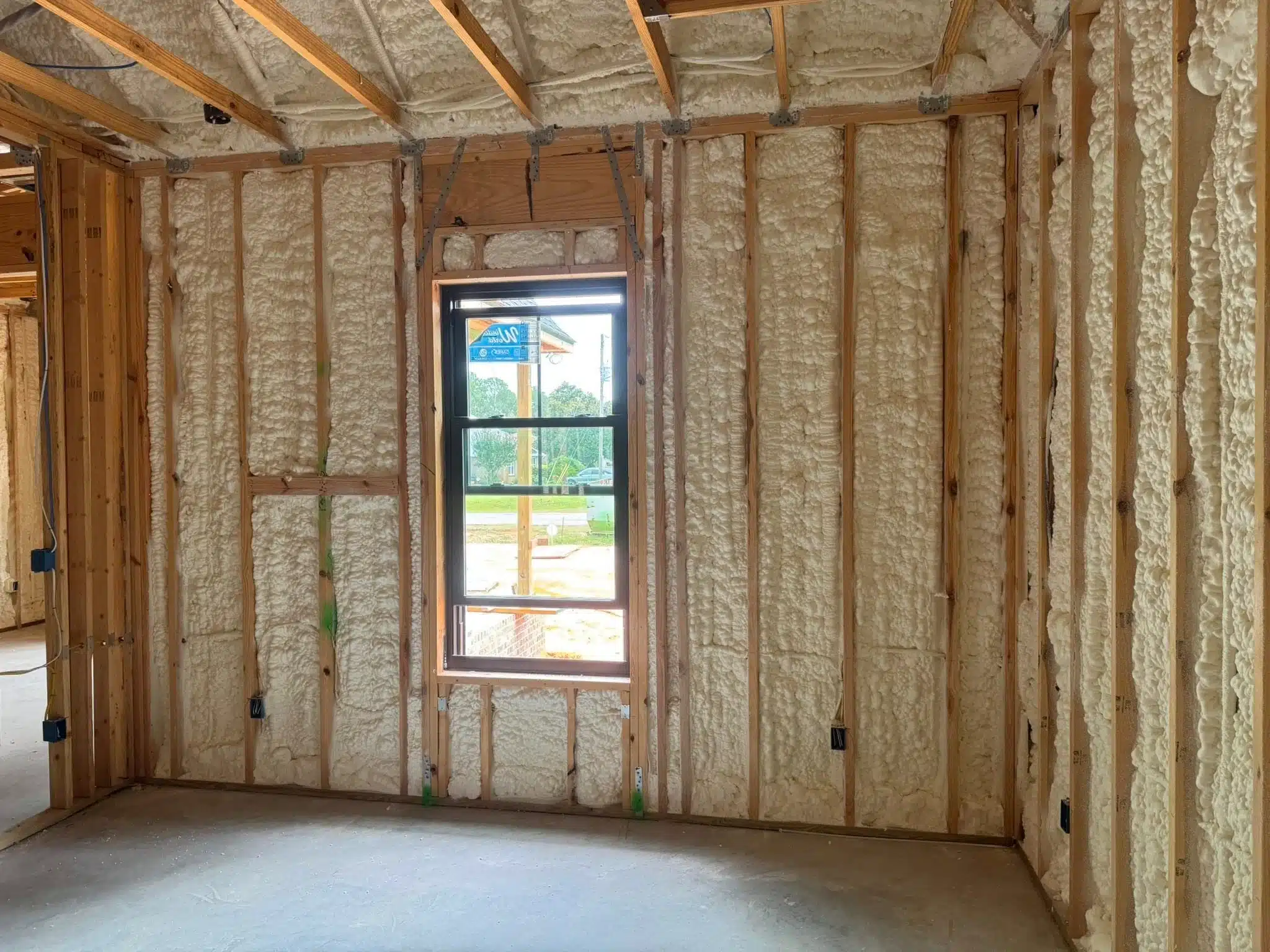
Walls come next in importance. Exterior walls need continuous insulation to prevent thermal bridging where studs conduct heat through the wall cavity. This is why some builders use rigid foam boards alongside cavity insulation.
Floors over unheated spaces like garages or crawl spaces need insulation too. Here, the key is preventing moisture from rising while maintaining thermal resistance. Closed-cell spray foam often works best in these applications.
Bonus Tip: Pay special attention to rim joists – the areas where your house foundation meets the first floor framing. These are notorious heat loss points that benefit greatly from spray foam insulation.
Things to Consider Before Making a Decision
Before choosing your insulation R-values, assess several practical factors. Your home’s age matters significantly – older houses often have structural limitations or existing insulation that affects new installation. Local utility rebates might offset the cost of higher R-values, making premium options more affordable.
Consider your energy bills, too. The U.S. Energy Information Administration reports that average American households spend handsom amount monthly on electricity, with heating and cooling accounting for nearly half of that expense. Higher insulation levels can reduce these costs substantially.
Your commitment to energy efficiency plays a role as well. If you plan to stay in your home long-term, investing in higher R-values makes economic sense. For shorter stays, meeting minimum code requirements might be more practical.
Next Steps for Your Insulation Project
Determining your home’s insulation needs requires balancing climate requirements, building codes, and budget considerations. Start by identifying your climate zone and current insulation levels, then prioritize improvements based on where you’ll get the most energy savings. Remember that proper installation matters as much as the R-value itself – even the best insulation underperforms if installed incorrectly.
Consider conducting an energy audit to identify specific weak points in your home’s thermal envelope. This targeted approach helps you focus investments where they’ll make the biggest difference in comfort and energy savings. Small improvements in high-impact areas often outperform comprehensive upgrades that spread resources too thin.
Get Professional Insulation Guidance
For personalized recommendations about your home’s specific insulation needs, contact Prestige Insulation Solutions at [email protected] or call (850) 429-4969. Our team can assess your current situation and help determine the optimal R-values for your climate zone and home construction. Professional evaluation ensures you invest wisely in insulation improvements that deliver maximum comfort and energy savings for years to come.
Frequently Asked Questions
What R-value do I need for my basement walls?
Basement walls typically need R-10 to R-15 in most climate zones, with higher values recommended in colder regions. Use moisture-resistant materials since below-grade walls face unique condensation challenges.
Is spray foam worth the extra cost?
Spray foam costs 2-3 times more than fiberglass but provides superior air sealing and higher R-values per inch. It’s particularly valuable in hard-to-reach areas, irregular spaces, or where moisture control is critical.
How often should I replace insulation?
Most insulation materials last the life of your home when properly installed. However, water damage, pest infestation, or compression from storage can reduce effectiveness and require replacement of affected areas.
What’s the difference between faced and unfaced insulation?
Faced insulation includes a vapor barrier (typically kraft paper or foil) and should be used in exterior walls and cathedral ceilings. Unfaced insulation works best for attics and interior applications where moisture control isn’t needed.
Can I install insulation myself?
DIY installation is possible for accessible areas like attics using batt insulation, but professional installation ensures proper coverage, no gaps, and correct safety procedures. Spray foam always requires professional application.
Sources
- Department of Energy – Official U.S. government recommendations for insulation R-values by climate zone
- International Energy Conservation Code – Building code requirements for residential energy efficiency, including insulation standards
- U.S. Energy Information Administration – Data on average household energy consumption and costs in the United States