Are you tired of watching your hard-earned money literally fly out the window? If you’ve ever cringed at your energy bills during peak summer or winter months, you’re not alone. For most households, energy bills represent a significant portion of annual expenses, with nearly half of that total driven by heating and cooling. The good news is that proper insulation can reduce these specific climate-control costs by 15% or more. According to the EPA’s Energy Star program, homeowners can save significantly on heating and cooling costs by simply air sealing their homes and adding insulation in attics and crawl spaces. This makes an insulation upgrade one of the most effective and impactful investments you can make to improve your home’s long-term efficiency.
Understanding Insulation Fundamentals
At its core, insulation is simple: it’s material that slows down heat transfer. Heat naturally moves from warmer areas to cooler areas, which means in winter, heat tries to escape your home, and in summer, heat tries to get in. Insulation acts like a thermal blanket, keeping conditioned air where you want it.
The effectiveness of insulation is measured by R-value, which indicates resistance to heat flow. Higher R-values mean better insulating power. However, R-value isn’t the whole story. The type of insulation, installation quality, and your local climate all play crucial roles in overall performance.
The Three Types of Heat Transfer
Understanding how heat moves helps you grasp why insulation works:
- Conduction: Heat transfer through direct contact (like touching a hot pan)
- Convection: Heat transfer through air movement (like hot air rising)
- Radiation: Heat transfer through electromagnetic waves (like the sun’s warmth)
Good insulation addresses all three types, which is why different materials work better in different situations. For example, reflective insulation excels at blocking radiant heat transfer, making it ideal for hot climates, while dense materials like foam provide excellent protection against conductive heat loss.
Key Takeaways
- Insulation reduces energy costs by slowing heat transfer between your home and the outdoors
- R-value measures resistance to heat flow, with higher numbers indicating better performance
- Effective insulation must address conduction, convection, and radiation
- Climate zone determines the appropriate R-value for your home
Complete Guide to Insulation Materials
Not all insulation is created equal. The right choice depends on your budget, climate, installation area, and whether you’re doing it yourself or hiring professionals.
Fiberglass Insulation
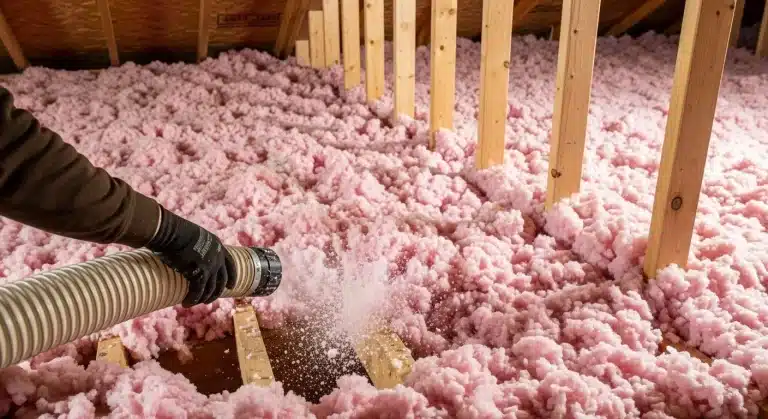
The most common and recognizable type, fiberglass insulation comes in two main forms:
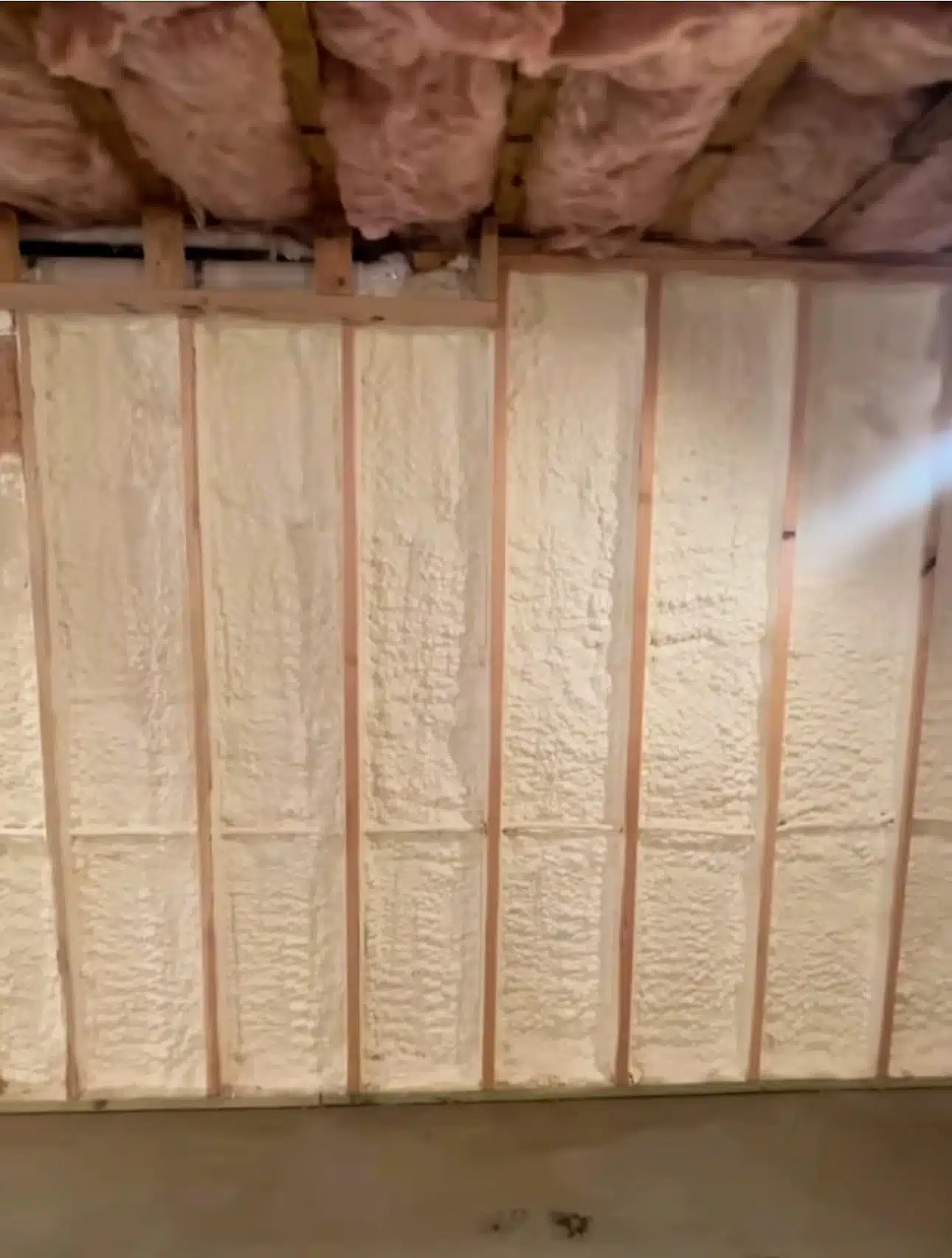
- Batts and Rolls: Pre-cut blankets designed to fit between standard studs. DIY-friendly but require careful installation.
- Loose-fill: Blown into attics and walls. Provides better coverage but requires professional equipment.
Cellulose Insulation
Made from recycled paper products, cellulose is an eco-friendly choice. It offers a higher R-value per inch than fiberglass and provides excellent air-sealing properties.
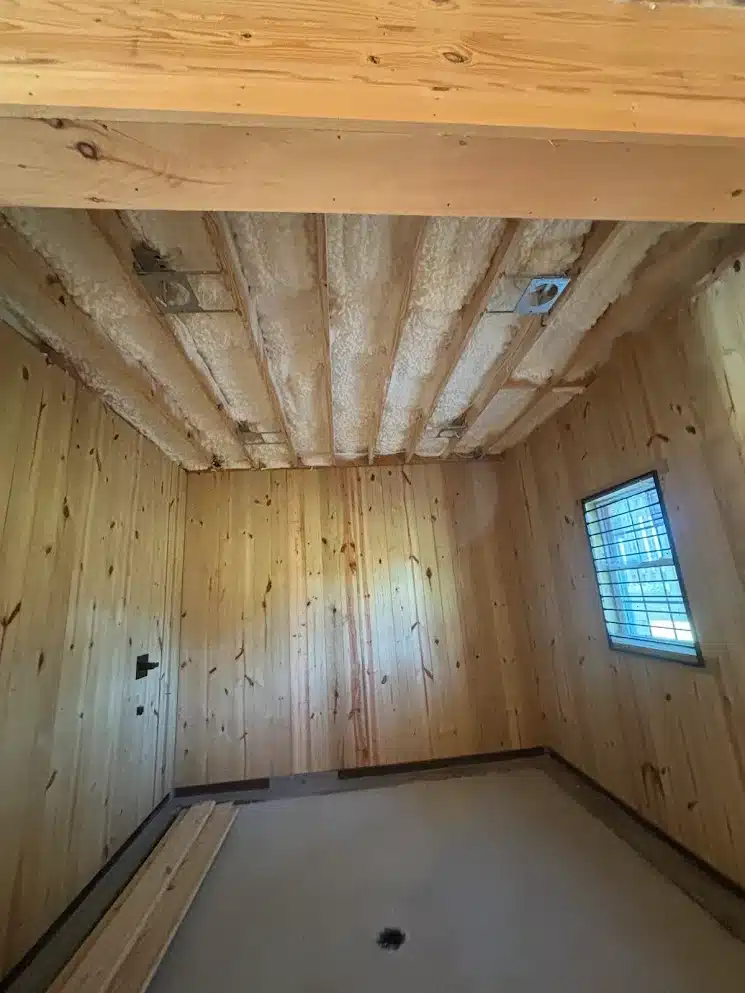
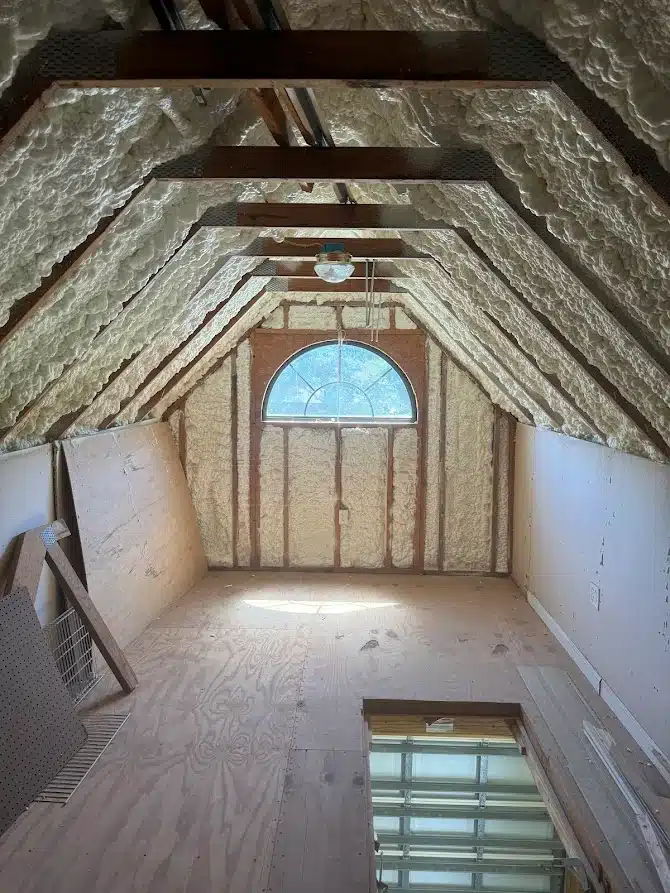
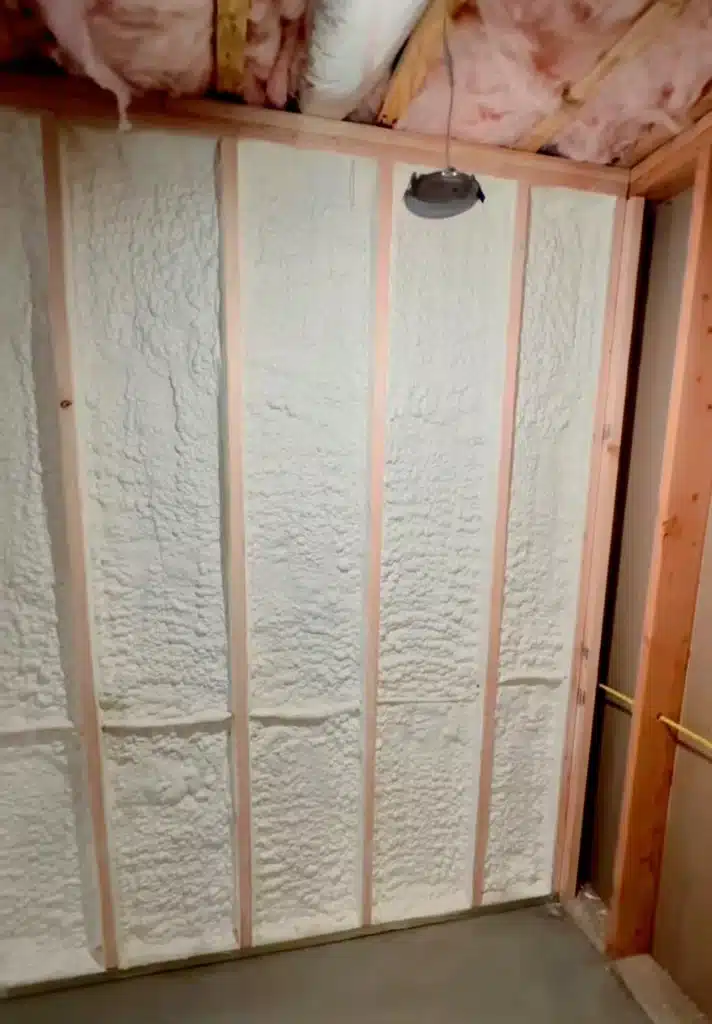
Spray Foam Insulation
The premium option, spray foam creates an air-tight seal.
- Open-cell: Flexible, lower R-value, great for air sealing.
- Closed-cell: Dense, highest R-value, adds structural strength and acts as a moisture barrier.
Mineral Wool Insulation
Made from rock or recycled slag, mineral wool offers superior fire resistance and sound dampening. It is moisture-resistant and won’t settle over time.
Rigid Foam Board
Solid panels typically used in exterior walls and foundations. They offer high R-values and excellent moisture protection.
Reflective Insulation
Aluminum foil-coated materials that reflect radiant heat. These are most effective in hot climates when installed with a necessary air space.
Table: Insulation Material Comparison
| Material | R-Value per Inch | DIY Friendly | Best For |
|---|---|---|---|
| Fiberglass Batts | 3.1-3.4 | Yes | Standard walls |
| Cellulose | 3.2-3.8 | No | Attics, eco-conscious |
| Open-Cell Foam | 3.5-3.8 | No | Air sealing |
| Closed-Cell Foam | 6.0-7.0 | No | Moisture-prone areas |
| Mineral Wool | 3.3-3.8 | Yes | Fire safety, sound |
| Rigid Foam | 4.0-6.5 | Yes | Foundations |
Strategic Installation Locations
A well-insulated home targets specific areas where heat loss and gain occur most frequently.
Attic Insulation
Your attic is typically the most critical area, responsible for up to 25% of your home’s heat loss. The U.S. Department of Energy’s Insulation Guide provides a detailed breakdown of recommended R-values based on your specific climate zone, ranging from R-30 in the south to R-60 in the north.
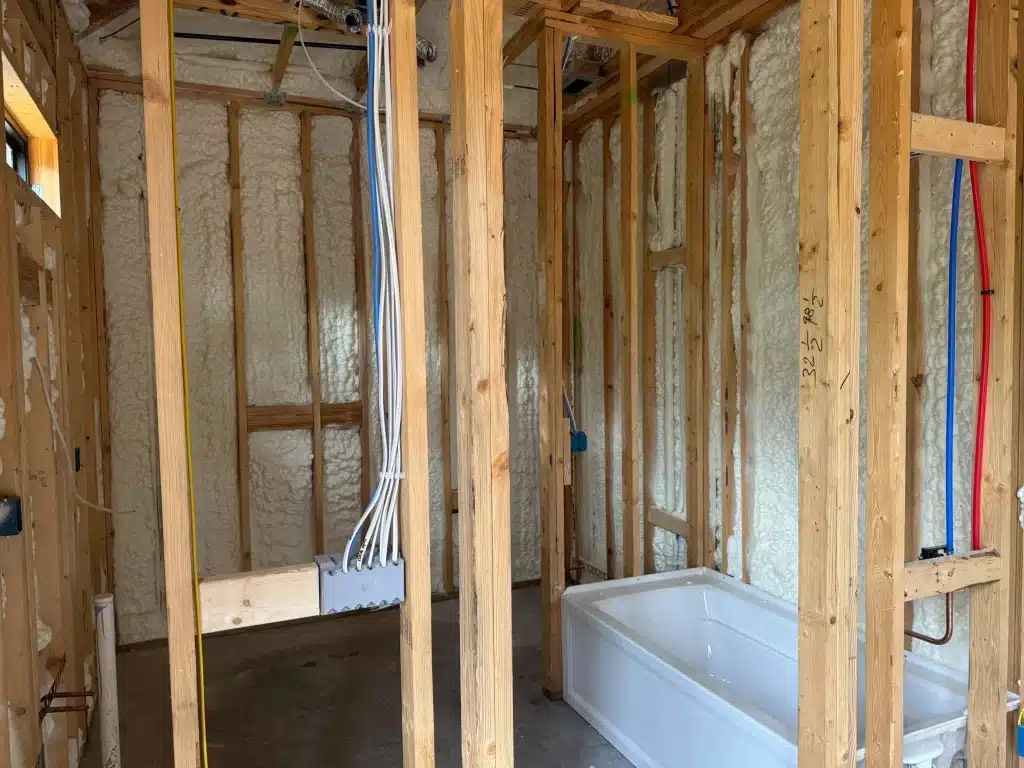
Wall, Floor, and Foundation
- Walls: Properly insulated walls can reduce energy costs by up to 20%.
- Floors/Crawl Spaces: Essential over unheated garages or damp crawl spaces.
- Basements: Provide moisture control and increase living comfort.
R-Values, Climate Zones, and Energy Codes
Understanding how to choose the right R-value for your location is essential for optimal performance.
Climate Zone System The U.S. is divided into eight climate zones. For example, Zone 1 (Florida) requires lower attic R-values (R-30 to R-49), while Zone 7 (Maine) requires significantly more (R-49 to R-60).
Meeting Energy Codes Modern building codes focus on insulation performance. Most jurisdictions require energy code compliance for new construction, which includes minimum R-values and air sealing requirements.
Costs, Savings, and Return on Investment
Insulation represents one of the best investments you can make in your home, offering both immediate and long-term financial benefits.
Incentives and Rebates
Many utility companies and government programs offer incentives for insulation upgrades. The Inflation Reduction Act of 2022 includes significant tax credits for home energy improvements. You can view current eligibility and details on the Energy Star Federal Tax Credits page, which explains how homeowners may cover up to 30% of their insulation costs
Payback Period Analysis
Most insulation upgrades pay for themselves within 3 to 5 years. Beyond energy savings, benefits include:
- Increased home resale value
- Improved indoor air quality
- Reduced wear and tear on HVAC systems
Putting Your Insulation Strategy into Action
Effective insulation is a system, not just a material. Start with an energy audit to identify your biggest heat loss areas, prioritize projects based on ROI, and always combine insulation with air sealing.
Need Expert Guidance? Ready to upgrade your home’s insulation? Prestige Insulation Solutions offers comprehensive assessments and installation services. Contact the experts at [email protected] or call (850) 429-4969 for a free consultation.
Frequently Asked Questions
How do I know if I need more insulation?
Indicators include unusually high energy bills, uneven temperatures between rooms, drafts, or ice dams on your roof in winter.
Can I install insulation myself?
Simple projects like adding fiberglass batts to an accessible attic are DIY-friendly. However, spray foam and blown-in insulation typically require professional equipment.
How long does insulation last?
Most materials last the lifetime of the home, but effectiveness can be reduced by moisture damage, pests, or compression.
Sources
- U.S. Environmental Protection Agency (Energy Star) – Methodology for estimated energy savings through air sealing and insulation.
- U.S. Department of Energy (Energy Saver) – Comprehensive guide to insulation materials, R-values, and climate zone requirements.
- Energy Star Federal Tax Credits – Official guide to the Inflation Reduction Act tax credits for residential insulation.