Direct Answer
Choosing the right residential insulation for your home in Ensley, FL, depends on your home’s specific needs, but spray foam insulation typically offers the best performance for Florida’s hot, humid climate because it provides superior air sealing and moisture resistance that traditional fiberglass cannot match. The right choice considers factors like R-value requirements, existing insulation condition, budget constraints, and areas needing attention. Our experienced team at Prestige Insulation Solutions LLC recommends a professional assessment to determine whether spray foam, blown-in, or traditional insulation best suits your home’s architecture and your budget.
TLDR / Key Takeaways
- Florida’s humid climate makes air sealing and moisture resistance more important than R-value alone
- Spray foam insulation provides the highest energy efficiency and lasts 20-30 years without degradation
- Blown-in insulation works well for existing homes with accessible attic spaces
- Fiberglass remains a budget-friendly option, but requires proper installation to perform effectively
- Attic insulation should typically reach R-30 to R-60 for Florida homes, depending on location
- Improper installation can reduce insulation effectiveness by up to 50%
- Professional installation ensures optimal performance and maximum return on investment
Understanding Ensley, FL’s Climate Challenges
Ensley, located in the Florida Panhandle near Pensacola, experiences a humid subtropical climate that presents unique insulation challenges. Unlike northern states, where keeping heat inside during winter drives insulation decisions, Florida homeowners must focus on keeping heat out while managing relentless humidity that threatens to penetrate every gap and seam in a home’s envelope.
Summer temperatures in Escambia County regularly exceed 90 degrees Fahrenheit, with humidity levels hovering between 70-85% during peak summer months. According to the U.S. Department of Energy, air conditioning accounts for nearly 50% of energy consumption in Florida homes, making efficient insulation critical for managing utility costs and maintaining indoor comfort.
The challenge goes beyond simple heat transfer. Moisture-laden air constantly seeks entry points into your home, and when it infiltrates through gaps in walls, ceilings, and foundations, it creates conditions ripe for mold growth, wood rot, and reduced indoor air quality. This is why insulation selection in Florida requires a different approach than recommendations for colder climates.
Research from the Florida Solar Energy Center indicates that proper insulation and air sealing can reduce cooling costs by 15-30% for Florida homeowners, representing hundreds of dollars in annual savings. The right insulation choice transforms your home’s thermal envelope from a passive barrier into an active system that resists heat transfer and blocks moisture infiltration simultaneously.
Types of Residential Insulation Explained
Understanding the primary insulation types helps you make an informed decision for your home. Each type offers distinct advantages and performs differently in Florida’s challenging climate.
Spray Foam Insulation
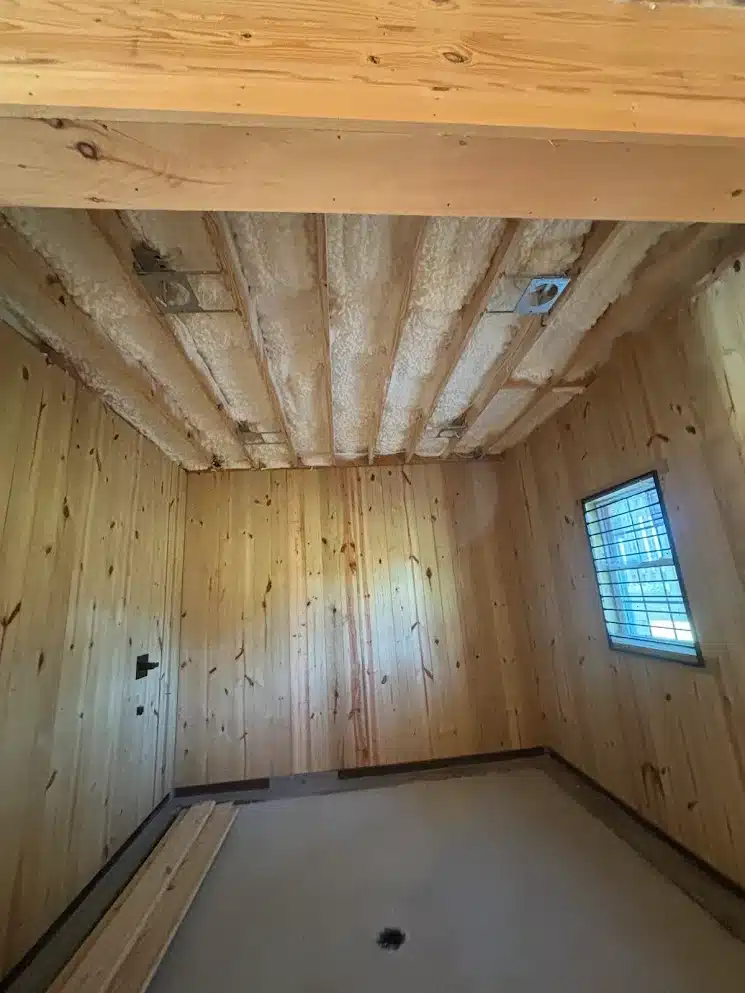
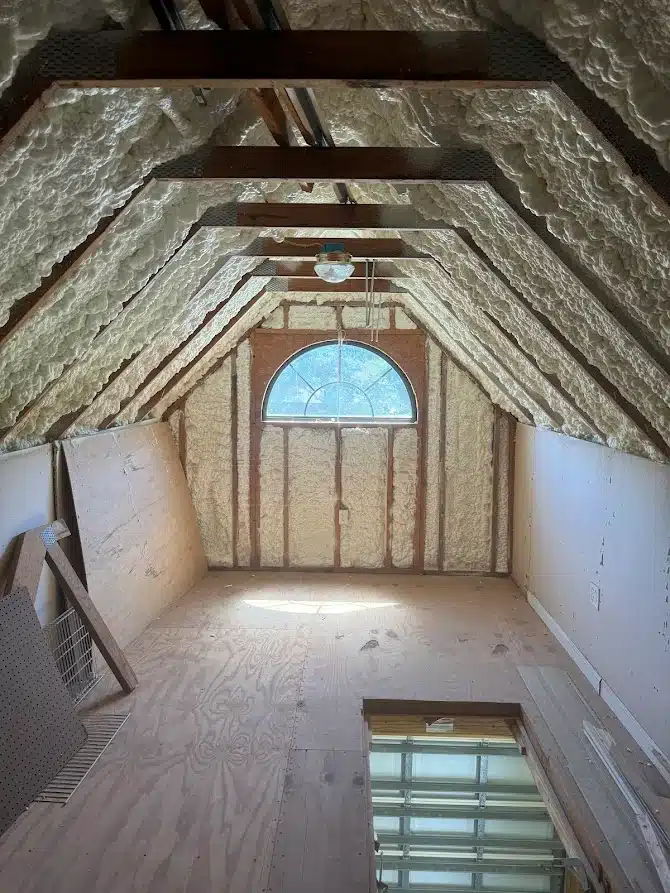
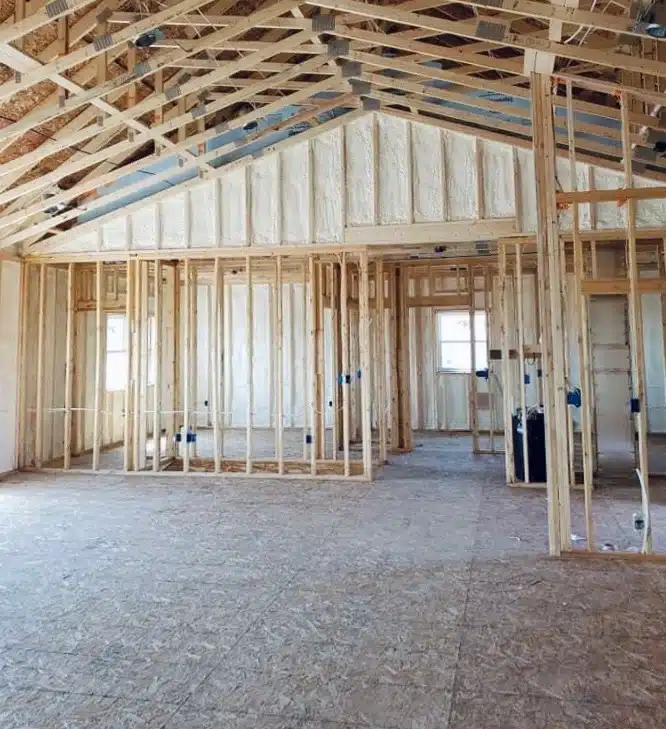
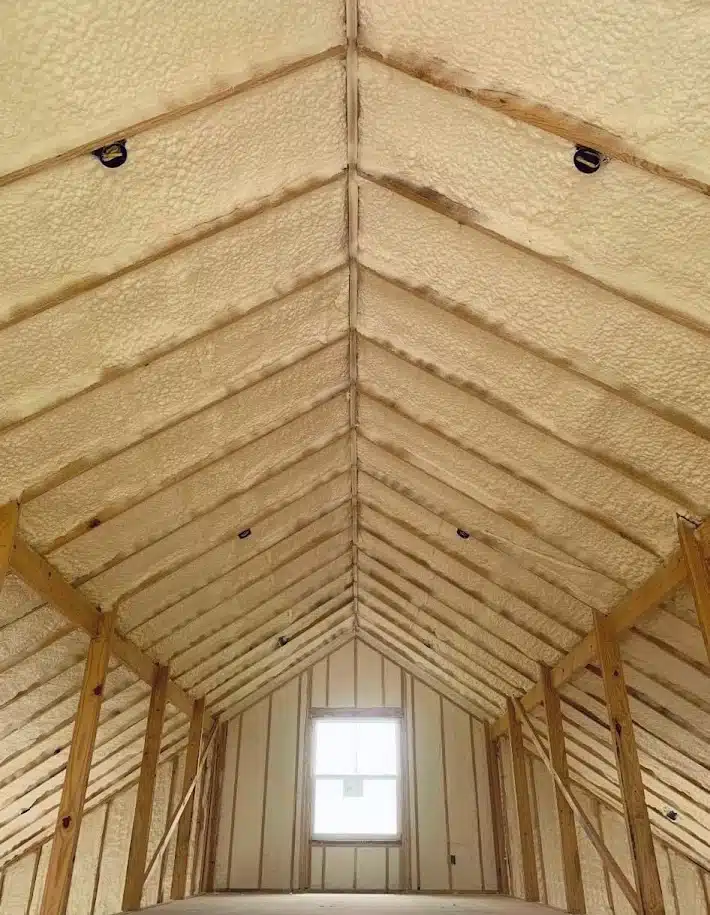
Spray foam insulation has become the gold standard for Florida homes due to its ability to create a complete air seal while providing excellent R-value per inch. Closed-cell spray foam expands to fill every gap, crack, and cavity, creating a seamless thermal barrier that traditional insulation types cannot match. It also provides moisture resistance that prevents the mold and rot problems common in humid climates. Our professionals commonly recommend spray foam for attics, walls, and crawl spaces where maximum performance is required.
Blown-In Insulation
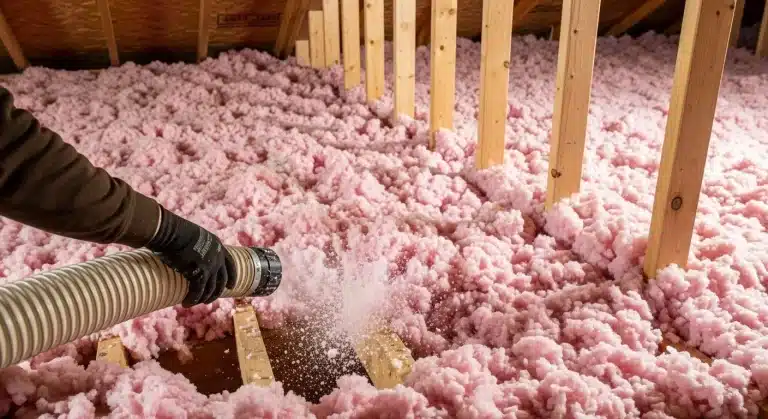
Blown-in insulation, typically made from fiberglass or cellulose, works well for adding insulation to existing homes with accessible attic spaces. It can be installed quickly over existing insulation to increase R-value without removing old materials. However, blown-in insulation does not provide the air sealing properties of spray foam, making it better suited for applications where air leakage is less of a concern.
Fiberglass Batts and Rolls
Fiberglass remains the most common insulation type in older homes due to its lower upfront cost. Available in pre-cut batts or rolls, fiberglass can be installed by homeowners with moderate DIY skills, though professional installation ensures proper fit and coverage. The challenge with fiberglass in Florida is that it does not seal air gaps effectively, meaning humid air can bypass the insulation and condense within wall cavities.
Rigid Foam Board
Rigid foam boards provide high R-values in thin profiles, making them useful for specific applications like foundation walls and exterior sheathing. They offer better moisture resistance than traditional insulation but require careful installation to prevent gaps at seams.
Insulation Comparison for Florida Homes
| Insulation Type | R-Value per Inch | Air Sealing | Moisture Resistance | Average Cost (per sq ft) | Lifespan |
|---|---|---|---|---|---|
| Spray Foam (Closed-Cell) | 6.0-7.0 | Excellent | Excellent | $1.50-$3.50 | 20-30 years |
| Spray Foam (Open-Cell) | 3.5-4.0 | Very Good | Good | $1.00-$2.00 | 20-30 years |
| Blown-In Fiberglass | 2.2-2.7 | Poor | Poor | $0.50-$1.50 | 20-40 years |
| Blown-In Cellulose | 3.0-3.5 | Poor | Moderate | $0.75-$1.50 | 20-30 years |
| Fiberglass Batts | 2.9-4.3 | Poor | Poor | $0.40-$1.00 | 20-30 years |
| Rigid Foam Board | 4.0-5.0 | Moderate | Excellent | $1.00-$2.50 | 20-50 years |
This comparison demonstrates why spray foam has emerged as the preferred choice for Florida homeowners seeking maximum performance. The superior air sealing capability addresses the humidity challenge that makes traditional insulation less effective in our climate.
How to Choose the Right Insulation Type
Selecting the appropriate insulation requires evaluating several factors specific to your home and situation. Consider these key decision points before making your choice.
Assess Your Current Insulation
Start by understanding what insulation currently exists in your home. Our technicians often find that homes built before 2000 have inadequate insulation by modern standards, typically with only R-11 to R-19 in attics when Florida recommendations call for R-30 to R-60. Building Science Corporation. Removing old, degraded insulation and replacing it with modern materials provides the most significant performance improvement.
Identify Problem Areas
Notice rooms that feel uncomfortable despite thermostat settings? These areas typically indicate insulation deficiencies or air leaks. Common problem spots include attic access doors, around recessed lighting fixtures, electrical outlets on exterior walls, and areas where walls meet ceilings. Identifying these zones helps target insulation upgrades where they provide the most benefit.
Consider Your Budget and Timeline
While spray foam costs more upfront, the long-term energy savings and performance benefits often justify the investment. However, if budget constraints require a phased approach, our team can help prioritize the most impactful improvements first, typically starting with attic insulation before addressing walls and foundations.
Evaluate Your Home’s Construction
Homes with accessible attics offer more insulation options than homes with cathedral ceilings or finished spaces where adding insulation requires more invasive methods. Our professionals assess your home’s specific construction to recommend the most effective approach.
Factors Unique to Florida Homes
Florida’s climate demands special consideration that homeowners in other states do not face. Understanding these factors prevents costly mistakes and ensures your insulation investment delivers expected performance.
Humidity Management
The relentless moisture in the Florida air makes air sealing as important as thermal resistance. Insulation that looks good on paper may perform poorly because it allows humid air to infiltrate wall cavities, where it condenses and creates mold problems. This is why our team emphasizes air sealing alongside insulation installation, using spray foam and other techniques to create a complete moisture barrier.
Hurricane Resistance
Living in hurricane-prone Florida means considering how insulation installation affects your home’s structural integrity. Some insulation methods can help strengthen walls and roofs, providing marginal benefits during severe weather. Our professionals understand local building codes and recommend insulation that complements your home’s hurricane protection features.
Pest Considerations
Florida’s warm climate supports year-round pest activity, including termites and ants that can damage insulation materials. Our team recommends insulation types and installation methods that minimize pest harboring while still providing maximum thermal performance.
When to Call a Professional
While some insulation projects work well for handy homeowners, certain situations clearly warrant professional installation. Our certified technicians bring experience, equipment, and expertise that ensure optimal results.
Professional installation is essential when dealing with spray foam, which requires specialized equipment and safety precautions. Improper spray foam application can create gaps, voids, or inadequate coverage that compromise performance. Similarly, adding insulation to existing homes often reveals hidden problems like damaged wiring, roof leaks, or pest infestations that require professional assessment.
Our team provides comprehensive evaluations that identify not just insulation needs but related issues affecting your home’s performance. We address these problems as part of a complete solution rather than simply adding insulation over existing problems.
According to HomeAdvisor, professional insulation installation ensures proper coverage and performance that DIY projects often lack. Their data shows that improper installation can reduce insulation effectiveness by up to 50%, making professional services a worthwhile investment.
Actionable Steps You Can Take Today
Whether you plan professional installation or want to maximize your current insulation’s performance, these steps deliver immediate benefits.
- Check your attic insulation depth using a ruler. If you can see the tops of floor joists, you likely have less than R-30 and would benefit from additional insulation, Department of Energy – Energy Saver.
- Inspect insulation around penetrations, including light fixtures, plumbing vents, and electrical wiring. Gaps in these areas represent significant energy loss.
- Seal air leaks using caulk or weatherstripping around windows, doors, and any penetrations in exterior walls.
- Add a radiant barrier in your attic if you have fiberglass or blown-in insulation, reflecting heat away before it enters your living space.
- Schedule a professional energy audit to identify specific weaknesses in your home’s thermal envelope.
- Check vents and exhaust fans to ensure they vent outside rather than into attics or crawl spaces, which introduces humidity.
- Trim trees and shrubs that shade your home, as strategic shading reduces cooling loads, but excessive vegetation can trap moisture against walls.
The U.S. Environmental Protection Agency’s Energy Star program recommends these types of inspections and sealing measures as foundational steps for reducing home energy consumption. Their data shows that air sealing combined with proper insulation delivers the greatest impact on utility costs.
Ready to transform your home’s comfort and efficiency?
Our team at Prestige Insulation Solutions LLC specializes in helping Florida homeowners choose and install the right insulation for their specific needs. Whether you need a complete attic overhaul, targeted problem area repairs, or guidance on the best options for your budget, our experienced professionals deliver results that reduce energy costs and improve home comfort.
Call now: (850) 429-4969
Email: [email protected]
Frequently Asked Questions
Q: How much insulation does a home in Ensley, FL need?
A: The Florida Building Code recommends minimum R-30 insulation for attic spaces in our climate zone, though many energy-efficient homes benefit from R-38 to R-60 for maximum performance and savings, according to the International Code Council.
Q: Can I add new insulation over my existing fiberglass?
A: Yes, in most cases you can add spray foam or blown-in insulation over existing fiberglass, provided the old insulation is not wet, moldy, or severely compressed. Our professionals will assess your specific situation.
Q: How long does residential insulation last?
A: Properly installed insulation typically lasts 20-30 years, though spray foam can last even longer without any degradation in performance. However, settling, compression, or moisture damage can reduce effectiveness over time.
Q: Is spray foam worth the higher cost compared to fiberglass?
A: For most Florida homes, spray foam provides superior value through better air sealing, moisture resistance, and energy savings. Most homeowners recover the additional cost within 5-7 years through reduced utility bills.
Q: How do I know if my insulation needs replacement?
A: Signs include high energy bills, uncomfortable rooms, visible mold or moisture problems, insulation that appears flattened or damaged, and pest activity in walls or attic spaces.
Sources
- U.S. Department of Energy – Building Technologies Office: Insulation
- Florida Solar Energy Center – Energy Research
- U.S. Environmental Protection Agency – Energy Star
- Building Science Corporation – Building Science Research
- International Code Council – Florida Building Code
- HomeAdvisor – Insulation Cost Guide
- Department of Energy – Energy Saver: Tips on Saving Energy