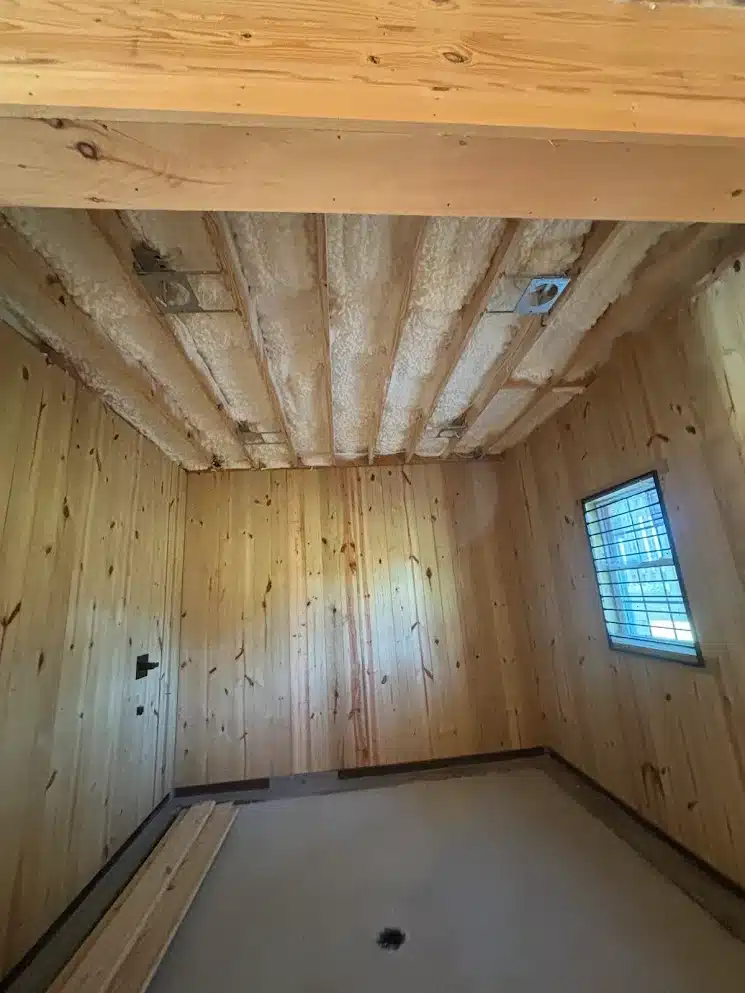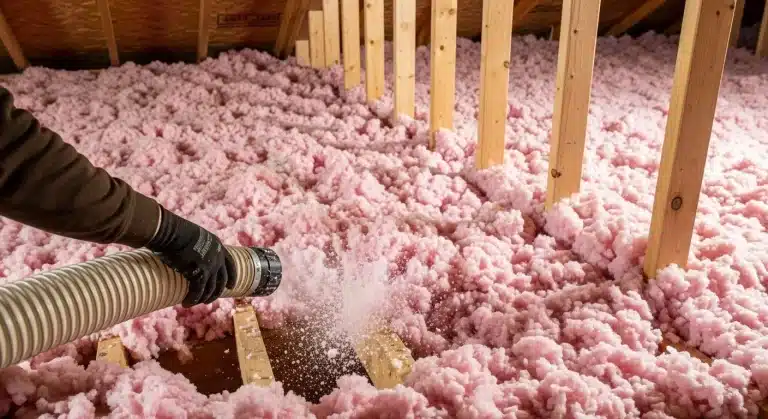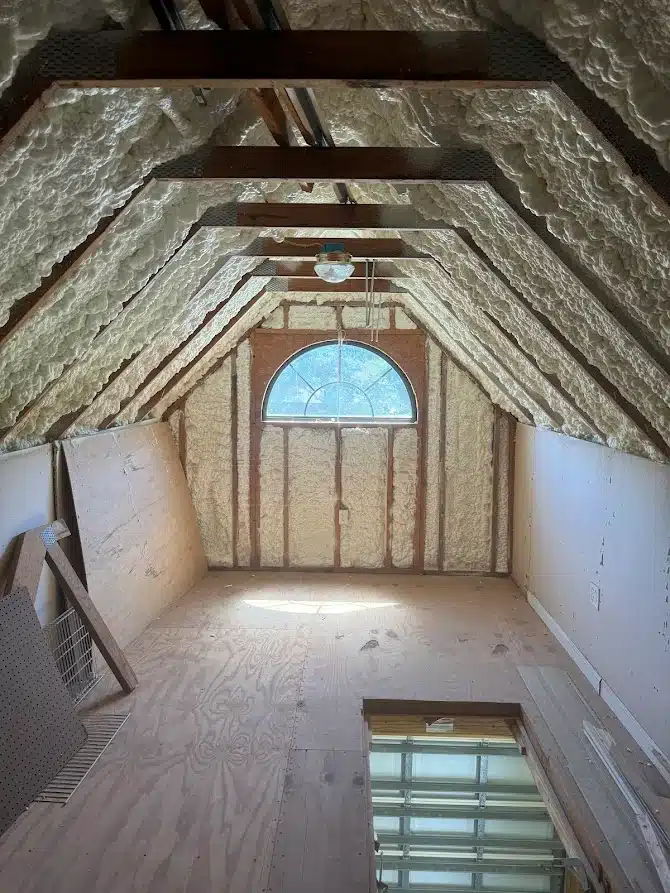
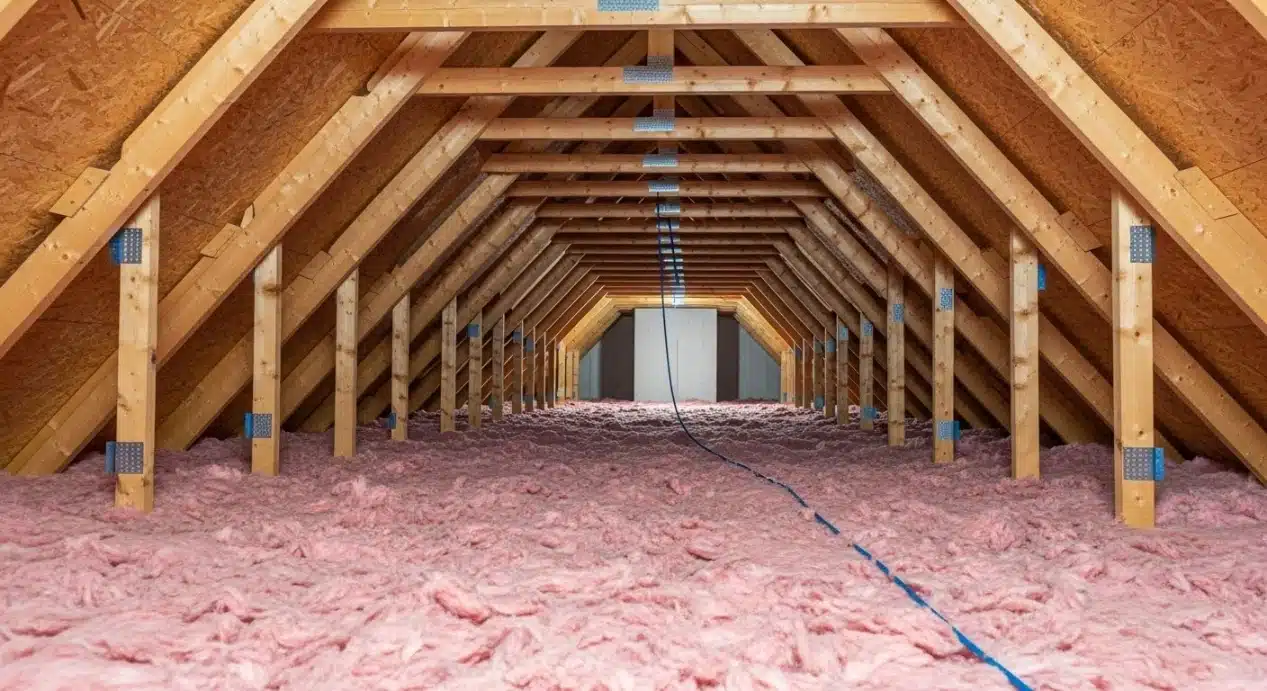
For West Pensacola homeowners struggling with high cooling costs and uneven temperatures, quality blown-in insulation installed in the attic provides the single most effective way to secure true home comfort. This material, often finely shredded fiberglass or recycled cellulose, forms a thick, seamless thermal blanket. Its primary purpose is to block the intense solar heat gain common throughout the extended Florida cooling season, to stabilize indoor temperatures, and drastically to reduce the workload on air conditioning equipment.
Effective insulation establishes a necessary buffer zone between the scorching heat in the attic space and the cool, conditioned air inside the house. By limiting heat transfer, homes remain cooler for longer, reducing utility expenses and preventing the AC unit from cycling every few minutes. Understanding the proper materials and installation techniques specific to the local humid climate is essential for long-term performance and efficiency.
Understanding the Science of Heat Flow in Florida Homes
Attic insulation must primarily fight conductive and radiant heat transfer. In the Florida Panhandle, temperatures can turn attics into extreme heat reservoirs, easily reaching 130 to 150 degrees Fahrenheit. Without an adequate thermal barrier, this heat constantly seeks to move into the cooler living spaces below. Blown-in materials work by trapping air within millions of tiny pockets, which slows the movement of heat energy. This physical resistance is measured by R-Value.
West Pensacola’s specific climate demands high R-Value insulation coupled with excellent moisture management. Because the interior of the home is cooled (and dehumidified) to a temperature often 20 or 30 degrees cooler than the attic, condensation can become a significant issue. High-density, properly installed blown-in material helps keep the ceiling plane dry and minimizes the chance of structural moisture problems.
R-Value Requirements for Maximum Performance
Choosing the correct amount of material is not guesswork; it relies on meeting or exceeding the minimum recommendations set for this climate zone. The U.S. Department of Energy (DOE) establishes guidelines based on regional climate differences, which vary based on existing attic conditions. For Zone 2, which includes West Pensacola, the recommendation is generally to achieve an R-value between R-30 and R-60 for currently uninsulated attics, or R-25 to R-38 if you are adding insulation over existing shallow layers, as reported by the DOE Energy Saver website.
However, due to the intense and sustained heat loads experienced locally, many experts suggest targeting the higher end of that range. Achieving a total R-38 is often the minimum effective standard for comfortable cooling in this area, sometimes requiring 12 to 14 inches of material, depending on the type used. This depth ensures the thermal resistance stays strong even during the hottest part of the day.
Air Sealing: The Essential First Step
Before any blown-in insulation installation in West Pensacola, FL, air sealing the attic floor is critical. Gaps, holes, and penetrations (for wiring, plumbing, and chimneys) allow conditioned air to escape and unconditioned air to infiltrate. If these leaks are not sealed, even the highest R-Value insulation will underperform. Proper air sealing can cut heating and cooling costs by up to 15% alone.
Comparing Insulation Materials
Blown-in insulation primarily refers to two distinct materials: fiberglass and cellulose. While both achieve thermal resistance, they differ in composition, installation density, and long-term characteristics. Choosing between them depends on the specific construction of the home and the homeowner’s priorities, such as noise reduction or fire resistance.
Fiberglass is made from tiny glass fibers, offering good thermal performance and high fire resistance. Cellulose, made from recycled paper products, is chemically treated to resist fire and pests. It often settles more densely than fiberglass, which can sometimes give it a slight edge in air-stopping capability and sound dampening.
Material Comparison: Blown-In Options
| Feature | Blown-In Fiberglass | Blown-In Cellulose |
|---|---|---|
| Primary Composition | Glass fibers | Recycled paper fibers |
| Fire Resistance | Inherently non-combustible | Chemically treated |
| R-Value Per Inch | R-2.2 to R-2.9 | R-3.2 to R-3.8 |
| Settling Over Time | Very low settling | Moderate settling (must account for initial depth) |
| Moisture Management | Highly resistant to moisture retention | Can absorb moisture if exposed to severe leaks |
| Pest Resistance | Poor natural resistance | Treated for moderate resistance |
Installation Best Practices in a Humid Climate
Because West Pensacola deals with frequent rain and high humidity, the installation process must account for moisture control, requiring a clean and dry substrate.
Depth and Density: Proper coverage means achieving a uniform depth across the entire attic floor, maintaining the appropriate density for the material chosen. Installers should use depth gauges (rulers often marked with R-values) to ensure consistency. The Department of Energy recommends verifying that the insulation is uniformly installed to the recommended R-value, as summarized by the Environmental Protection Agency (EPA) Energy Star program.
Bonus Tip 1: Clear the Eaves
Never block the soffit vents (eave vents) when blowing in insulation. These vents are essential for attic ventilation, allowing fresh air to enter and exhaust heat and moisture through the ridge vents. Blocking them traps heat and promotes moisture buildup, negating the benefit of spray foam insulation in West Pensacola, FL. Baffles or vent chutes must be installed at the eaves to hold the insulation back and ensure continuous airflow.
Things to Consider Before Making a Decision
Before proceeding with an insulation project, homeowners should evaluate several structural and environmental factors specific to their property. This ensures the investment addresses the home’s unique energy profile rather than simply applying a generic solution.
- Attic Ventilation: Is the existing ventilation system adequate for the Gulf Coast climate? A proper balance between intake (soffit) and exhaust (ridge/gable) vents is crucial. Insulation slows heat transfer, but ventilation removes the heat itself.
- Structural Integrity: Check for pre-existing roof leaks, water damage, or mold. Insulation installed over damp materials will fail prematurely.
- Access and Safety: Determine the ease of access for installers. Tight crawlspaces or areas near hot equipment (like recessed lights or HVAC components) require specialized attention and fire safety precautions.
- Existing Insulation Condition: If old insulation is present, assess its depth, settling, and contamination levels. Simply adding material on top of old, dirty, or damaged existing insulation is a mistake; old material, particularly if it contains moisture or rodent waste, should be removed to ensure a clean, dry substrate. In many cases, adding new material on top of an old, contaminated layer is not recommended.
Bonus Tip 2: Look for Air Handlers
If the air handler (furnace/AC unit) or ductwork runs through the attic, ensure that these components are properly insulated. Even the best attic floor insulation cannot compensate for leaks or excessive heat gain in ductwork located in a 130-degree attic. Leaking ducts can waste 20% to 30% of the air flowing through them, according to data from the Florida Department of Environmental Protection (FDEP).
FAQS
How long does blown-in insulation typically last
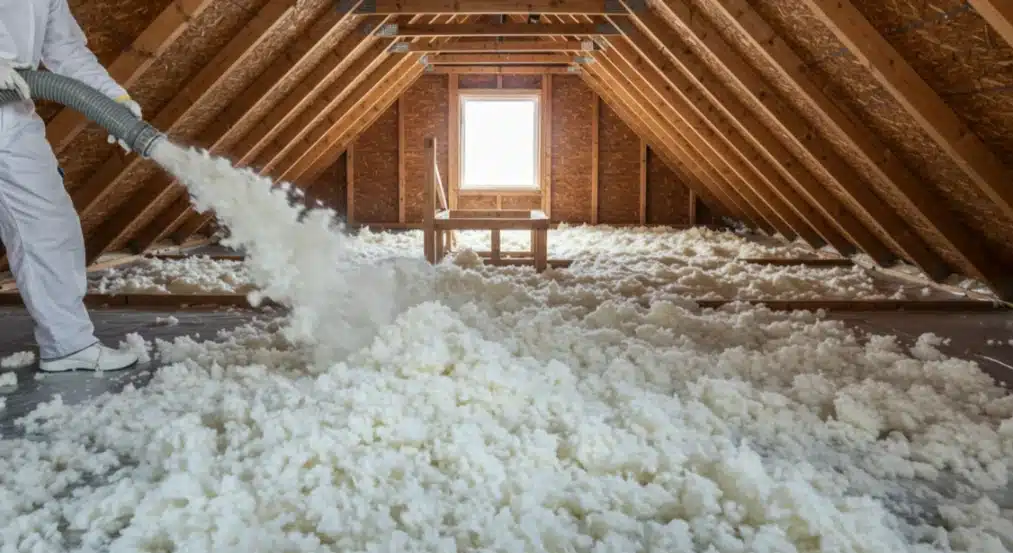
When installed correctly, quality blown-in fiberglass or cellulose insulation should last the lifespan of the house, often 50 to 80 years. The material itself does not degrade, but its effectiveness can be compromised if it gets wet or is heavily disturbed by renovation or pests.
Will new insulation fix mold issues
No, insulation does not fix mold or moisture problems; it only addresses heat transfer. If mold is present, the underlying cause (usually a roof leak or ventilation deficiency) must be professionally remediated before any new insulation is installed.
Does blown-in insulation prevent pests
Cellulose insulation is chemically treated with borate compounds, which act as a deterrent to some insects and rodents. Fiberglass does not offer natural pest resistance. Neither material is a standalone pest control solution, and any existing pest infestation must be cleared before installation.
What preparation is required before installation
Homeowners must clear all personal items from the attic space. Installers need to seal air leaks, install vent baffles at the eaves, and ensure the attic floor is safe to navigate. It is essential to install blocking around any heat-producing fixtures to maintain fire safety clearances.
Final Evaluation and Decision
Maximizing home comfort and energy efficiency in West Pensacola homes depends on implementing a comprehensive, integrated thermal strategy. By focusing on reaching the appropriate high R-Value, performing thorough air sealing, and ensuring adequate attic ventilation, homeowners can significantly stabilize indoor temperatures and reduce cooling demands. Success requires evaluating the existing conditions of the attic space, determining the most suitable material (fiberglass or cellulose) based on structural needs, and treating air sealing and ventilation as non-negotiable prerequisites. This diligence ensures the investment provides maximum comfort and energy savings.
Connect with Specialists
Evaluating the complex needs of a West Pensacola attic requires professional knowledge, especially concerning the unique challenges of humidity and high heat gain. To discuss specific R-value goals or material preferences for your home, contact Prestige Insulation Solutions LLC. For questions regarding installation protocols or specific material benefits, reach out via email at [email protected] or call (850) 429-4969 to speak directly with an expert. Obtaining the right solution begins with accurate information and site-specific planning.
Sources
- DOE Energy Saver website – Provides general R-Value recommendations for different climate zones across the United States.
- Environmental Protection Agency (EPA) Energy Star program – Offers guidance on insulation installation and verifying uniform coverage in attic spaces.
- Florida Department of Environmental Protection (FDEP) – Information on energy efficiency and conservation resources relevant to Florida’s specific climate challenges, including ductwork efficiency.