Quality blown-in insulation reduces long-term home ownership costs through superior air sealing and consistent thermal resistance, often lowering heating and cooling bills by up to 15% immediately. While the initial investment sometimes exceeds that of traditional rolled batts, the return on investment typically occurs within three to five years due to reduced energy consumption and extended HVAC system lifespan. Homeowners who prioritize loose-fill insulation effectively “future-proof” their attics against rising energy prices.
Prestige Insulation Solutions recognizes that upfront price tags often deter necessary upgrades, yet the data proves that proper insulation acts as an asset rather than an expense. Understanding the mechanical and financial advantages of blown-in materials reveals why this method consistently outperforms cheaper alternatives over a ten or twenty-year period.
The Economics of Air Sealing and Thermal Performance
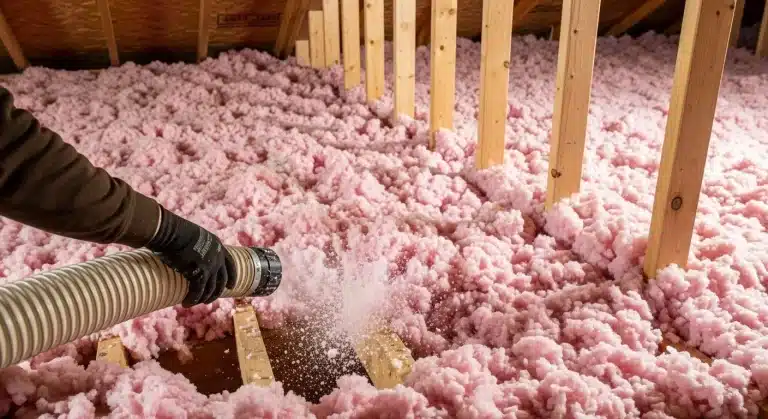
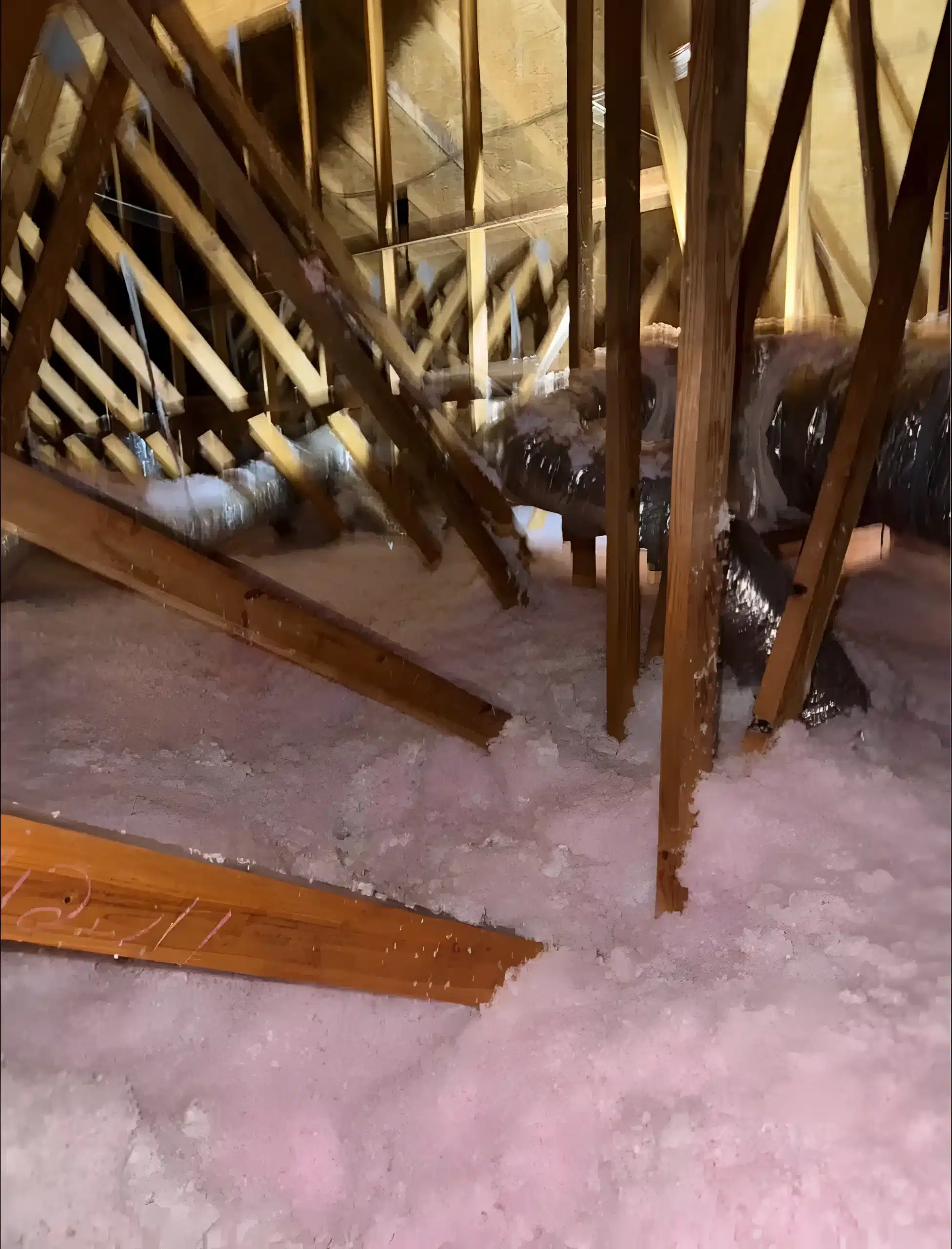
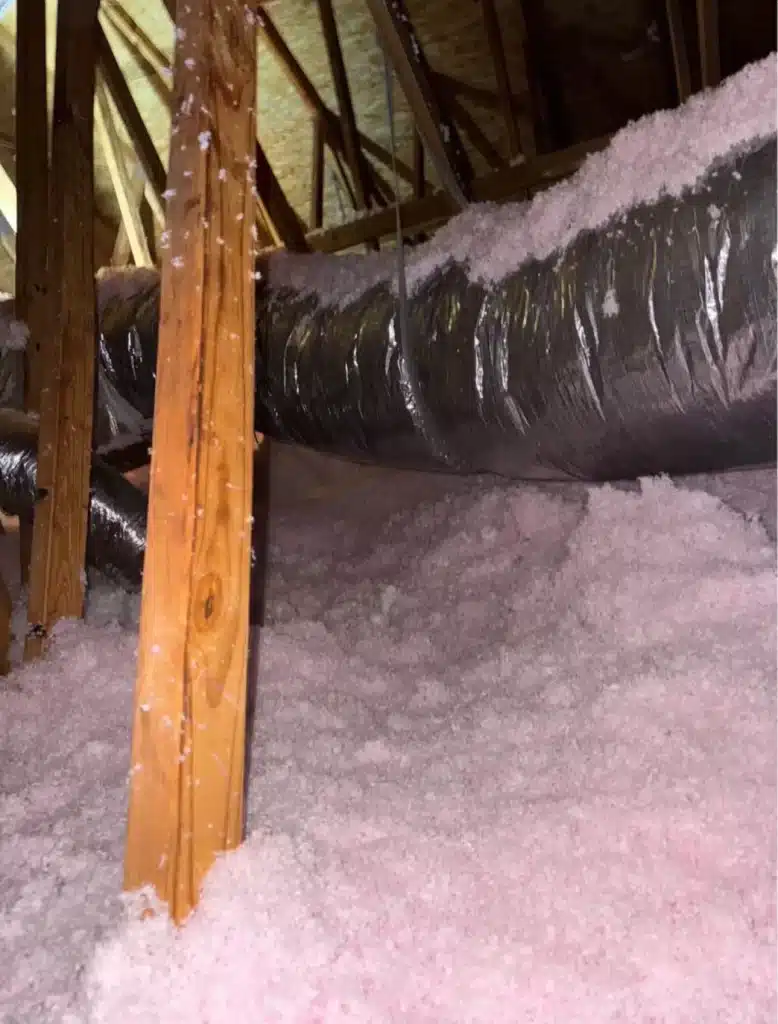
The primary financial advantage of blown-in insulation lies in its ability to fill irregular spaces. Traditional batt insulation often leaves gaps around electrical outlets, pipes, and framing joists. These small gaps allow conditioned air to escape, forcing heating and cooling systems to work harder. Blown-in material acts like a fluid during installation, settling around obstructions to create a seamless thermal blanket.
This comprehensive coverage creates a tighter building envelope. A report from the Department of Energy indicates that air leakage accounts for a significant portion of energy waste in typical homes. By eliminating these voids, blown-in insulation prevents the “stack effect,” where warm air rises and escapes through the attic, pulling cold air in from the bottom of the house. This mechanism directly translates to lower monthly utility payments.
R-Value Consistency Matters
R-value measures resistance to heat flow. Higher numbers indicate better insulating power. Blown-in fiberglass and cellulose maintain their density and R-value effectively when installed correctly. Unlike batts, which homeowners or contractors might compress to fit into tight spaces—thereby ruining their R-value—loose-fill insulation maintains its loft and effectiveness.
Bonus Tip: Always install insulation rulers (depth markers) throughout the attic. This allows for easy verification that the material depth remains consistent years after the installation.
Comparing Insulation Investments
Analyzing cost differences between insulation types requires examining performance metrics alongside price per square foot. The following table outlines how blown-in materials compare to traditional options regarding long-term value factors.
Insulation Performance and Value Comparison
| Feature | Blown-In Fiberglass | Blown-In Cellulose | Fiberglass Batts |
|---|---|---|---|
| R-Value per Inch | 2.2 – 2.7 | 3.2 – 3.8 | 2.9 – 3.8 |
| Air Sealing Ability | Excellent (Fills gaps) | Excellent (Dense pack) | Poor (Leaves gaps) |
| Settling Over Time | Minimal | Moderate | Minimal (if secured) |
| Fire Resistance | Naturally non-combustible | Treated with retardants | Non-combustible |
| Pest Resistance | High (No food source) | High (Treated) | Low (Nesting risk) |
| Estimated ROI Speed | 3-5 Years | 3-5 Years | 5-7 Years |
Data published by The Insulation Institute supports the premise that achieving the correct R-value for your specific climate zone is the single most effective way to reduce energy costs. While batts might have a lower material cost on the shelf, the installation labor and potential for performance failure often make them more expensive over a decade of use.
Hidden Financial Benefits Beyond Utility Bills
Utility savings represent the obvious return on investment, but high-quality blown-in insulation protects the wallet in other ways.
Extended HVAC Lifespan
When insulation works effectively, the heating and cooling equipment runs fewer cycles. It does not need to struggle to maintain the set temperature. This reduction in workload extends the life of the furnace and air conditioner by years. Replacing an HVAC unit costs thousands of dollars; extending that expense by five years creates substantial savings.
Improved Resale Value
Energy efficiency ranks high on the list of demands for modern homebuyers. Documentation of a recently upgraded, energy-efficient attic attracts higher offers. According to the Cost vs. Value report by Remodeling Magazine, attic insulation upgrades frequently recoup a high percentage of their cost upon resale, making it one of the safest home improvement investments available.
Pest Deterrence
Quality blown-in fiberglass does not provide a food source for pests. Alternatively, cellulose is often treated with borates, which repel insects and rodents. Preventing an infestation saves homeowners the significant expense of exterminators and the repair costs associated with chewed wiring or drywall.
Factors to Evaluate Before Installation
Before scheduling a project, reviewing the specific needs of the property ensures the money is spent wisely.
- Current Insulation Status: If the existing insulation is wet, moldy, or heavily contaminated by pests, it must be removed before new material is added. Adding fresh material over damaged goods wastes money.
- Air Sealing Needs: Insulation slows heat transfer, but it stops air movement less effectively than caulk or foam. Identify if major bypasses around light fixtures or plumbing stacks need sealing before the insulation goes in.
- Ventilation: Proper soffit and ridge vents allow the roof to breathe. Blocking these vents with insulation causes moisture buildup and roof rot. Baffles must be installed to keep airflow channels open.
Bonus Tip: Check with local utility providers before starting. Many companies offer rebates or credits for upgrading attic insulation, which can immediately offset a portion of the project cost.
Summary
Quality blown-in insulation offers a proven path to lower home-ownership costs. Sealing thermal leaks that batt insulation misses reduces monthly HVAC demand and lowers utility bills. The initial cost is quickly recovered through energy savings, increased equipment longevity, and potential resale value boosts. Homeowners should view attic insulation not as a sunk cost, but as a financial instrument that pays dividends every month the heating or cooling system runs. Evaluating the current state of the attic and choosing the right material ensures these savings become a reality.
Upgrade Your Home’s Efficiency Today
Stop letting your hard-earned money escape through your attic. Prestige Insulation Solutions provides expert installation services that maximize comfort and minimize energy waste. We analyze your specific needs to deliver a solution that pays for itself over time.
Contact us to schedule your evaluation:
Phone: (850) 429-4969
Email: [email protected]
Secure your home’s thermal envelope and start saving on utility bills now.
Frequently Asked Questions
Can blown-in insulation be added on top of existing rolls?
Yes. Unless the existing insulation is wet or damaged, blowing new material over old fiberglass batts increases the R-value effectively. This practice is a cost-effective way to boost energy efficiency without paying for removal.
How long does blown-in insulation last?
Under normal conditions, blown-in fiberglass insulation lasts for the life of the home, often exceeding 80 to 100 years. It does not decay or degrade unless exposed to moisture or physical disturbance.
Will this help with noise reduction?
Yes. The dense layer of blown-in material acts as a sound barrier. It significantly dampens outside noises such as rain, hail, or street traffic, and reduces sound transmission between rooms if used in interior walls.
Is fiberglass or cellulose better for the budget?
Cellulose often has a slightly lower material cost, but blown-in fiberglass creates less dust and resists moisture absorption better. The “better” budget option depends on the local climate and whether the priority is upfront cash or long-term moisture management.
Sources
- Department of Energy – Official guide on insulation types, R-values, and energy efficiency benefits.
- The Insulation Institute – Technical resource regarding R-value requirements by zone and material performance.
- Remodeling Magazine – Annual report analyzing the return on investment for various home improvement projects, including attic upgrades.