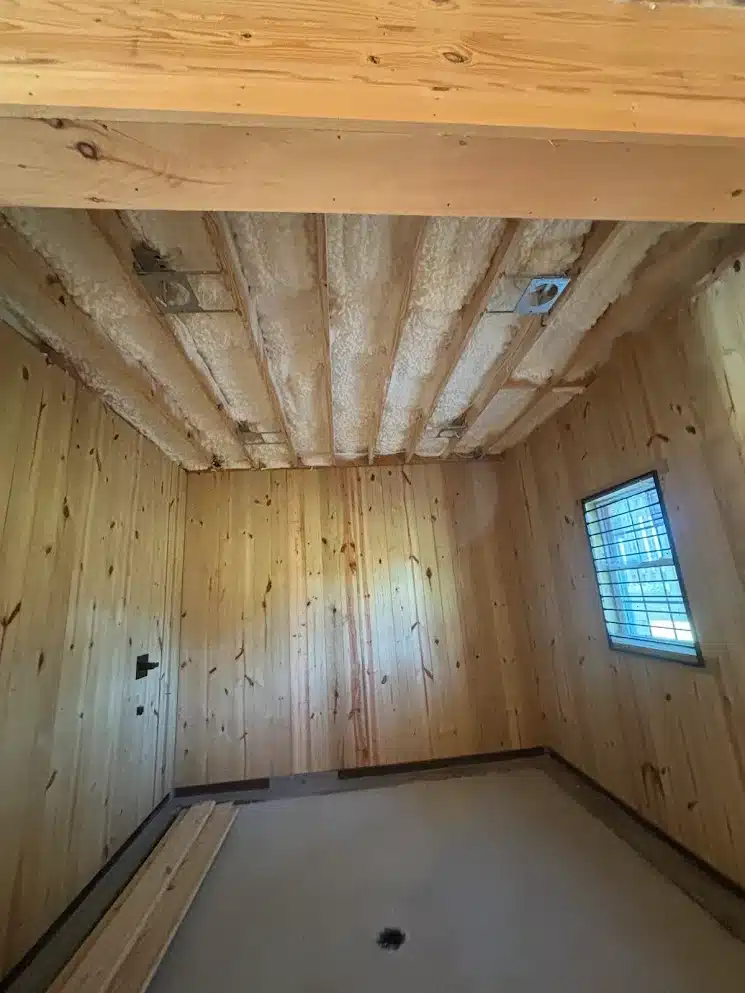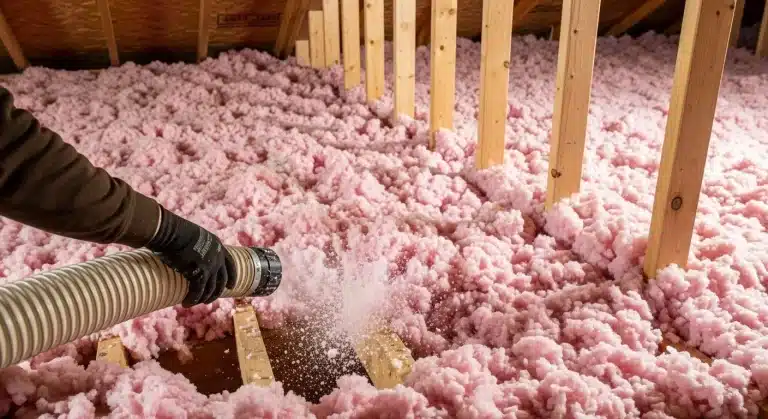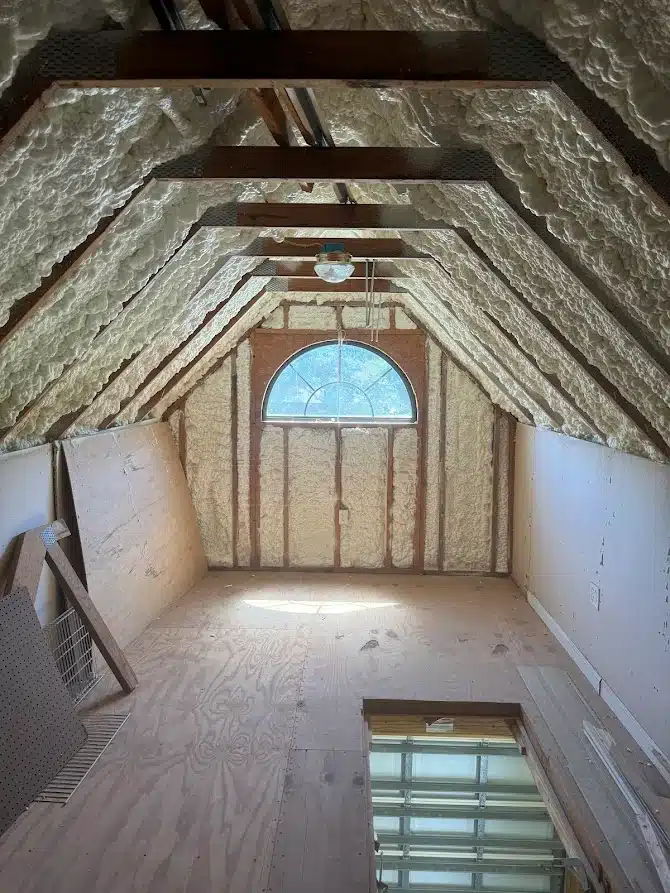
Blown-in insulation can help prevent ice dams on roofs in Pace, FL, though it’s not a complete solution on its own. Ice dams form when heat escapes from your living space, melts snow on your roof, and the water refreezes at the eaves. Proper insulation reduces heat transfer, keeping your roof surface cold and preventing the melt-freeze cycle. In Florida’s climate, where ice dams are relatively rare but can occur during unusual cold snaps, adequate attic insulation is your first line of defense.
This article will explain how blown-in insulation works against ice dams, what homeowners in Pace need to know about installation, and why this approach fits the regional climate patterns. The information comes from years of experience with attic insulation projects across the Florida Panhandle.
How Ice Dams Form in Southern Climates
Ice dams typically require a specific combination of conditions: snow accumulation on the roof, outdoor temperatures below freezing, and heat loss from the interior of the home. When these elements combine, snow melts on the warmer upper portions of the roof, flows down, and refreezes at the colder eaves. This creates a dam that traps water behind it, which can then seep under shingles and cause leaks.
In Pace, FL, these conditions don’t occur often. The area averages only 0.1 inches of snow per year, according to the National Oceanic and Atmospheric Administration. However, when unusual winter storms do bring snow and freezing temperatures, homes with poor insulation become vulnerable to ice dam formation. The lack of regular cold weather means many Florida homes aren’t built with the same winterization standards as northern homes.
The key factor in ice dam formation is the temperature difference across your roof surface. If your roof deck stays uniformly cold (near outdoor temperature), snow won’t melt unevenly. This is where insulation plays a critical role.
The Science Behind Blown-In Insulation
Blown-in insulation, typically made of cellulose or fiberglass, creates a continuous thermal barrier when properly installed. Unlike batt insulation, which can leave gaps around studs and joists, blown-in material fills irregular spaces and hard-to-reach areas. This comprehensive coverage is essential for preventing the warm spots that lead to localized snow melting.
Cellulose insulation, made from recycled paper treated with fire retardants, has an R-value of approximately 3.2-3.8 per inch. Fiberglass blown-in insulation provides around 2.2-2.7 R-value per inch. For ice dam prevention in Pace’s climate, theU.S. Department of Energy recommends R-30 to R-60 for attic insulation in this climate zone.
The effectiveness of blown-in insulation comes from its ability to eliminate thermal bridges – pathways where heat can escape more easily. When installed to the proper depth and with adequate ventilation, it maintains consistent roof deck temperatures, preventing the conditions that create ice dams.
Installation Considerations for Florida Homes
Proper installation matters more than the insulation type. In Pace homes, common issues include insufficient insulation depth, gaps around light fixtures and vents, and poor attic ventilation. These problems undermine even high-quality insulation materials.
For maximum ice dam prevention, insulation should be installed to create an airtight seal between living spaces and the attic, while maintaining proper soffit-to-ridge ventilation. This combination prevents both heat loss and moisture buildup. Air sealing is particularly important – research from the Building Science Corporation shows that air movement can account for up to 40% of heat loss through ceilings.
Florida homes also need to consider humidity levels. Proper ventilation helps prevent moisture accumulation, which can reduce insulation effectiveness and potentially cause mold growth. In Pace’s humid climate, ridge vents combined with soffit vents provide the most effective attic ventilation system.
Comparison of Common Insulation Types
| Insulation Type | R-Value Per Inch | Ice Dam Prevention Effectiveness | Installation Complexity |
|---|---|---|---|
| Blown-in Cellulose | 3.5 | High | Moderate |
| Blown-in Fiberglass | 2.8 | High | Moderate |
| Fiberglass Batts | 3.2 | Medium | Low |
| Spray Foam | 6.0 | Very High | High |
Regional Factors for Pace, FL Homeowners
Pace’s climate zone (Hot-Humid, according to the IECC climate map) influences insulation priorities differently than northern regions. While ice dam prevention is important during rare cold events, cooling efficiency dominates most of the year. This means insulation choices should balance both winter and summer performance.
The area’s particular building practices also affect ice dam risk. Many Pace homes have roof-over-roof constructions where the original roof remains under newer layers. These structures often have inadequate insulation and ventilation between roof layers, creating hidden risks for ice dam formation and trapped moisture.
Local building codes in Santa Rosa County require R-30 minimum for attic insulation in new construction, but many existing homes fall short of this standard. Homes built before 2000 typically have R-11 to R-19 insulation levels, insufficient for both energy efficiency and ice dam prevention National Oceanic and Atmospheric Administration .
Things to Consider Before Making a Decision
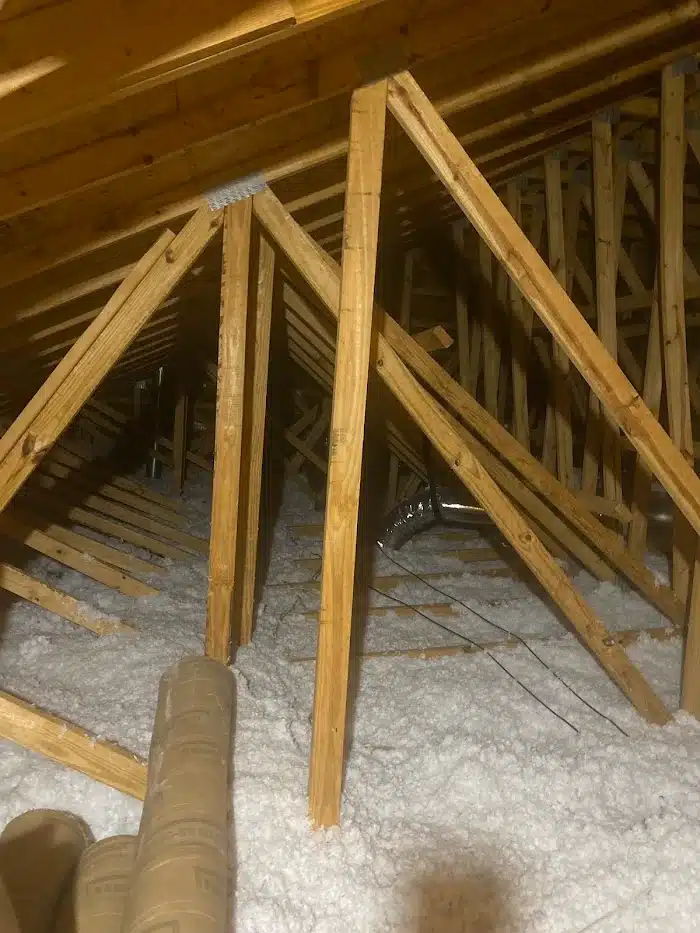
Before choosing blown-in insulation for ice dam prevention, evaluate several key factors. First, assess your current insulation levels by measuring depth in multiple locations. If you can see the tops of ceiling joists, you likely have insufficient insulation.
Next, check for existing air leaks. Common problem areas include recessed lighting fixtures, attic access hatches, plumbing stacks, and electrical penetrations. These require air sealing before insulation installation for maximum effectiveness.
Consider your home’s ventilation system. Without proper intake and exhaust vents, insulation alone cannot prevent ice dams. Look for blocked soffit vents, missing ridge vents, or inadequate attic space that restricts airflow.
Budget plays a role, too. While blown-in insulation costs more upfront than some alternatives, it often provides better value due to superior coverage and higher effective R-values when properly installed.
Bonus Tips for Maximum Protection
- Install insulation baffles at eave locations to prevent soffit vent blockage and maintain proper airflow
- Use LED recessed lights instead of incandescent or halogen fixtures to reduce heat transfer to the attic
- Consider adding a radiant barrier under the roof deck for additional summer cooling benefits
- Seal all air penetrations with expanding foam or caulk before blowing in insulation
- Target at least 14 inches of blown-in cellulose to achieve R-49 in Pace’s climate zone
Final Considerations for Pace Homeowners
Blown-in insulation provides an effective barrier against ice dams when properly installed with adequate air sealing and ventilation. While ice dams are rare in Pace’s climate, the occasional winter storm can catch unprepared homes off guard. The same insulation that prevents ice dams also delivers significant energy savings during Florida’s long cooling season.
Before making insulation decisions, evaluate your entire attic system, including existing insulation levels, air leakage, ventilation, and roof structure. Professional insulation contractors can provide comprehensive assessments and address all aspects of ice dam prevention through proper system design.
For homeowners considering upgrades, the investment in proper blown-in insulation pays dividends through both winter protection and year-round energy efficiency. In a climate where cooling costs dominate utility bills, the right insulation strategy serves multiple purposes.
Professional Assessment and Installation Options
Determining whether your current insulation provides adequate protection against ice dams requires professional evaluation. Prestige Insulation Solutions offers comprehensive attic assessments that measure insulation levels, identify air leaks, and evaluate ventilation systems. The assessment process includes thermal imaging to detect hidden heat loss paths that standard visual inspections might miss.
For Pace homeowners experiencing condensation issues, unusually high energy bills, or concerned about rare winter weather events, a professional insulation evaluation provides clarity. Contact Prestige Insulation Solutions at (850) 429-4969 or [email protected] to schedule an attic assessment and discuss whether blown-in insulation is right for your home’s specific needs.
Frequently Asked Questions About Ice Dams and Insulation
How quickly can ice dams cause damage?
Significant damage can occur within 24-48 hours of ice dam formation. Water trapped behind the dam can penetrate roofing materials and saturate insulation and drywall, leading to mold growth and structural damage.
Are some roof types more prone to ice dams?
Low-slope roofs, complex roof designs with multiple valleys, and roofs with inadequate overhangs are more susceptible. Metal roofs often shed snow before ice dams can form, but poor insulation can still cause problems underneath.
What’s the difference between ice belts and insulation solutions?
Ice belts are heated cables installed along roof edges that melt channels for water to escape. They treat symptoms rather than the cause. Proper insulation and ventilation address the root problem of uneven roof temperatures.
Should I remove snow from my roof during unusual storms?
If you have more than a foot of snow on your roof and temperatures are expected to drop below freezing, using a roof rake to remove snow from the bottom 3-4 feet can help prevent ice dam formation while avoiding damage to shingles.
How often should I check my insulation levels?
Inspect attic insulation annually, especially before winter. Look for compressed areas, moisture damage, or pest disturbances that reduce effectiveness. Professional insulation assessments every 5-7 years help maintain optimal performance.
Sources
- U.S. Department of Energy – Official guidelines for insulation R-values by climate zone
- Building Science Corporation – Research on air sealing and insulation effectiveness
- National Oceanic and Atmospheric Administration – Climate data for Pace, FL, including snowfall averages