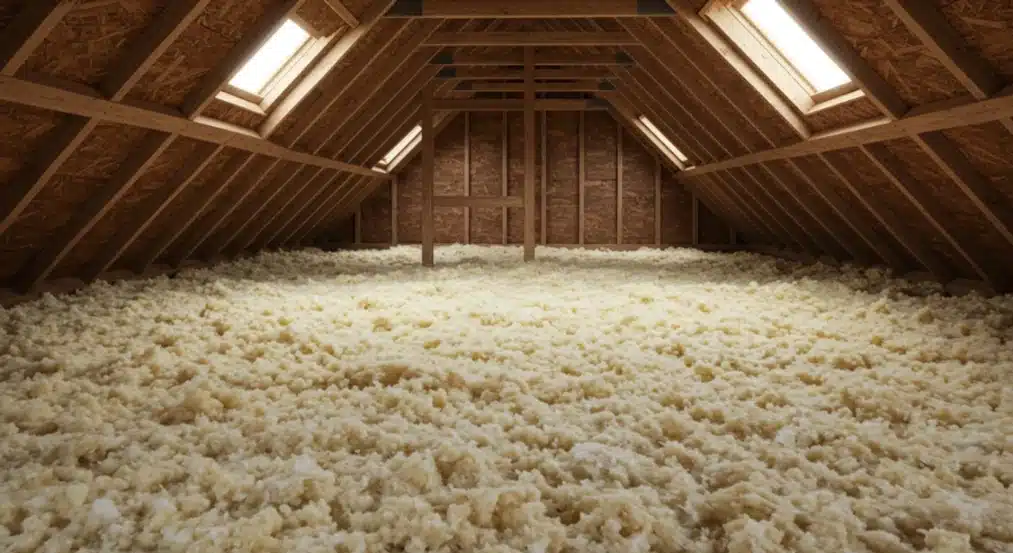
Properly installed blown-in insulation directly increases a home’s resale value by making it more energy-efficient, comfortable, and durable. Prospective buyers are increasingly focused on long-term ownership costs, and a well-insulated home promises lower utility bills from day one. This immediate financial benefit, combined with improved indoor comfort and structural protection against moisture and pests, makes a home a more attractive and valuable asset on the market. An adequately insulated attic and walls are not just upgrades; they are signals of a well-maintained property.
This article explores the specific ways blown-in insulation enhances property value, from tangible energy savings to the less obvious structural benefits that savvy buyers and home inspectors look for. The information here is based on extensive field experience and industry data, providing a clear picture of this high-return home improvement project.
The Financial Impact of Energy Efficiency on Home Sales
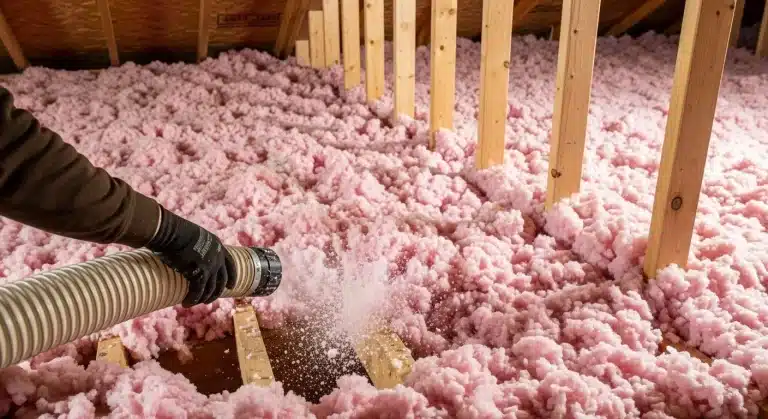
Energy efficiency is a powerful selling point. When buyers compare two similar houses, the one with lower projected monthly energy costs often has a distinct advantage. Blown-in insulation is one of the most effective ways to reduce energy consumption. It creates a seamless, dense blanket in attics and wall cavities, filling small gaps and cracks that batt insulation can miss. This comprehensive coverage significantly limits thermal bridging, which is heat’s tendency to travel through the home’s structural elements.
Lower energy bills are a direct result. A report from the National Association of Realtors highlights that a majority of real estate agents and brokers find that promoting energy efficiency in listings is valuable. When a seller can provide documentation of low historical energy usage, it serves as powerful proof of the home’s performance and justifies a higher asking price.
Bonus Tip: Keep energy bills from the 12 months before listing your home. Presenting these to potential buyers provides concrete evidence of your home’s efficiency and can make your property stand out.
How Blown-In Insulation Improves Home Comfort and Appeal
Beyond the numbers, home comfort is a major factor for buyers. A house that feels comfortable during a viewing leaves a lasting positive impression. Blown-in insulation is key to creating that stable indoor environment.
- Consistent Temperatures: By minimizing heat gain in the summer and heat loss in the winter, the insulation keeps room temperatures more consistent. This eliminates drafty spots and rooms that are always too hot or too cold, which are common complaints in poorly insulated homes.
- Sound Reduction: The dense nature of blown-in materials like cellulose and fiberglass provides excellent sound-dampening qualities. This reduces noise from the outside, such as traffic, and also minimizes sound transfer between floors and rooms. For buyers, a quieter home often feels like a higher-quality, more private space.
These comfort-related benefits contribute to a buyer’s overall feeling about the property, making them more likely to see it as their future home rather than just a structure.
Understanding Insulation Materials and Performance
Not all blown-in insulation is the same. The material chosen impacts performance, cost, and other secondary benefits. The effectiveness of any insulation is measured by its R-value, which indicates its ability to resist heat flow. The higher the R-value, the better the insulating performance. According to the U.S. Department of Energy, the recommended R-value for a home depends on its climate zone.
Here is a comparison of the most common types of blown-in insulation:
| Material | Typical R-Value (per inch) | Key Advantages | Potential Downsides |
|---|---|---|---|
| Fiberglass | 2.2 – 2.7 | Non-combustible, resistant to moisture and mold growth. | Can be an irritant during installation; may lose R-value if compressed. |
| Cellulose | 3.2 – 3.8 | Made from recycled materials, higher R-value, excellent at filling small gaps. | Can absorb moisture if a leak occurs, potentially leading to settling. |
| Mineral Wool | 3.0 – 3.3 | Excellent fire resistance, good soundproofing, high recycled content. | Generally more expensive than fiberglass or cellulose. |
Choosing the right material and ensuring it’s installed to the correct depth for your climate zone are fundamental for maximizing its effect on your home’s value.
Long-Term Structural Benefits Buyers Look For
A knowledgeable homebuyer or a diligent home inspector will look for signs of long-term property care. Proper insulation contributes to the structural health of a home in several ways that add significant value.
First, it helps control moisture. In colder climates, a properly insulated and ventilated attic prevents the formation of ice dams on the roof, which can cause water damage to ceilings, walls, and the roof structure itself. In warmer, humid climates, it reduces the risk of condensation in the attic, which can lead to mold and wood rot. Preventing these issues is far more valuable than repairing the damage they cause.
Second, some insulation materials offer added protection. Cellulose insulation, for instance, is treated with borates. This treatment not only makes it fire-resistant but also acts as a deterrent for pests like insects and rodents. A home that is well-sealed against pests is another check in the “pro” column for a potential buyer.
Bonus Tip: Before selling, consider an energy audit. An official report detailing your home’s airtightness and insulation levels can be a formal document to present to buyers, validating the quality of your home’s thermal envelope.
Things to Consider Before Installing
To ensure your insulation project translates into higher resale value, a few factors must be addressed before the installation begins.
- Air Sealing: Blown-in insulation is not a substitute for air sealing. Before adding insulation, it’s essential to seal all air leaks in the attic floor, such as those around light fixtures, plumbing vents, and wiring holes. Sealing these gaps prevents conditioned air from escaping into the attic, which is a primary source of energy waste.
- Attic Ventilation: Insulation and ventilation work together as a system. Your attic needs proper soffit and ridge vents to allow air to circulate, which keeps the attic cool in the summer and dry in the winter. Blocking these vents with insulation can cause moisture buildup and negate the benefits of the insulation itself.
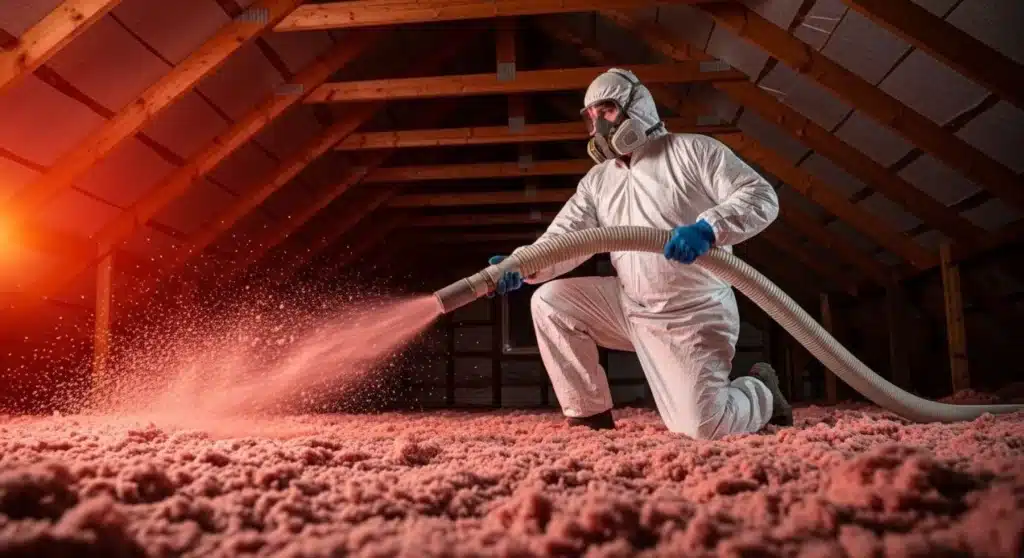
- Professional Installation: While it might seem like a DIY project, achieving a consistent depth and avoiding common mistakes requires experience and specialized equipment. Professionals can ensure insulation installation without compressing it, blocking vents, or leaving empty spots, all of which would compromise its performance. The investment in professional installation protects the return you get at resale.
A Final Word on Insulation’s Role in Resale Value
Upgrading your home’s blown-in insulation is a strategic investment that pays off both in immediate energy savings and increased market value when it’s time to sell. It appeals directly to the modern buyer’s desire for an efficient, comfortable, and low-maintenance home. By improving energy performance, enhancing comfort, and protecting the building’s structure, you are making your property more competitive and justifying a higher price tag. Before listing your home, evaluate your current insulation levels to see if an upgrade could be one of the smartest pre-sale improvements you make.
Professional Guidance for Your Insulation Needs
Ensuring that an insulation project is done correctly and will provide a positive return requires careful planning and expert execution. For a comprehensive assessment of your property’s specific insulation requirements or for professional installation services, you can get in touch with Prestige Insulation Solutions LLC. A conversation can help clarify your options and ensure your home is prepared for maximum efficiency and value. Contact us by phone at (850) 429-4969 or by email at [email protected] to discuss your project.
Sources
- National Association of Realtors – Provides data and reports on sustainability trends in real estate, including the value of promoting energy efficiency.
- U.S. Department of Energy – Offers detailed information on insulation types, R-values, and climate-specific recommendations for homeowners.
- Remodeling Magazine – Publishes an annual Cost vs. Value report that compares the costs of home improvement projects with their resale value returns.
FAQS
Does the type of blown-in insulation matter to buyers?
While some buyers might have a preference, most are focused on the end result: a high total R-value and evidence of low energy bills. The quality of the installation and the documented energy efficiency are more important than the specific material used.
How is insulation quality documented for a home sale?
Documentation is key. Keep the receipt from the professional installer, which should detail the type of insulation, the depth installed, and the resulting R-value. An energy audit report is another excellent form of proof to include in your seller’s disclosure documents.
Will I get a 100% return on my insulation investment?
While a 100% return is never guaranteed for any home improvement, attic insulation consistently offers one of the highest returns. A Cost vs. Value report from Remodeling Magazine shows that an attic insulation upgrade is one of the few projects that can recoup a very high percentage of its cost at resale.
Can improper insulation actually hurt my home’s value?
Absolutely. If insulation is installed incorrectly, it can block necessary ventilation, leading to moisture problems, mold growth, or ice dams. These issues are often flagged during a home inspection and can lower a home’s value or even derail a sale.